Key planetary decisions need to be made this year, not only on climate change and biodiversity but also on a post-Covid recovery that builds back better.
The early signs suggest a growing realisation of the urgent need to tackle our global nature crisis, with increasing support for conserving 30% of the planet by 2030. Meanwhile, a recent landmark report commissioned by the UK government highlights how much our economies are embedded in nature and biodiversity, making a compelling case for transformative change to tackle deforestation, ocean pollution and collapsing wildlife populations.
Yet conservation of the world’s increasingly threatened freshwater fish appears to have slipped far down the list of decision-makers’ priorities. A major new report by WWF and 15 other global conservation groups demonstrates why it should be near the top.
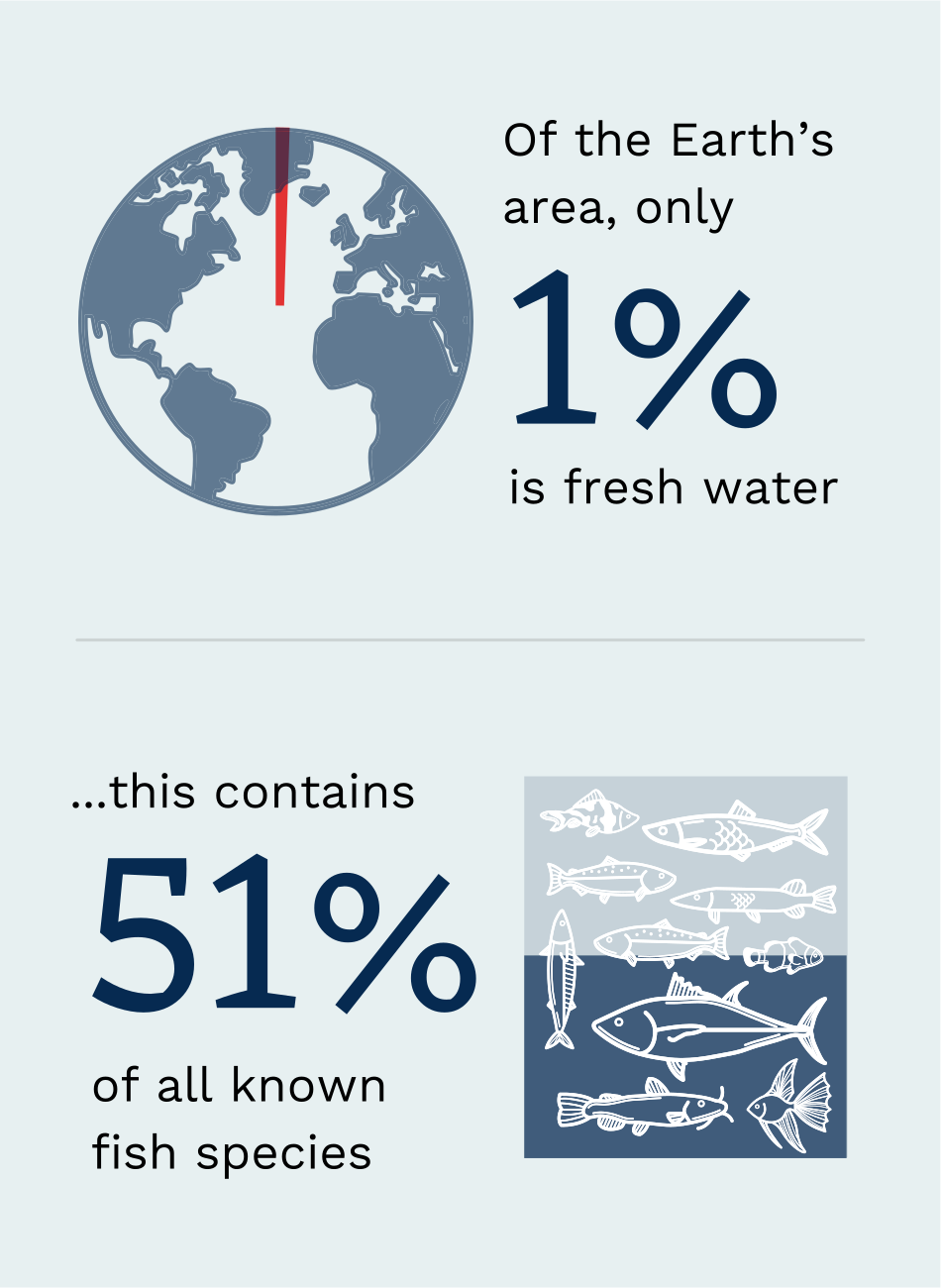
Freshwater fish species are dazzlingly diverse and now total 18,075, accounting for more than half of known fish species and a quarter of vertebrate species on Earth. They are essential to the health of the world’s rivers, lakes and wetlands, and to human lives and livelihoods around the globe. Yet they remain undervalued and overlooked.
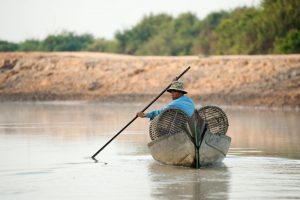
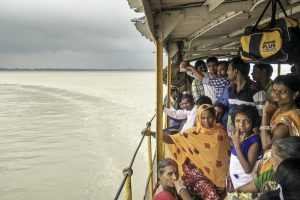
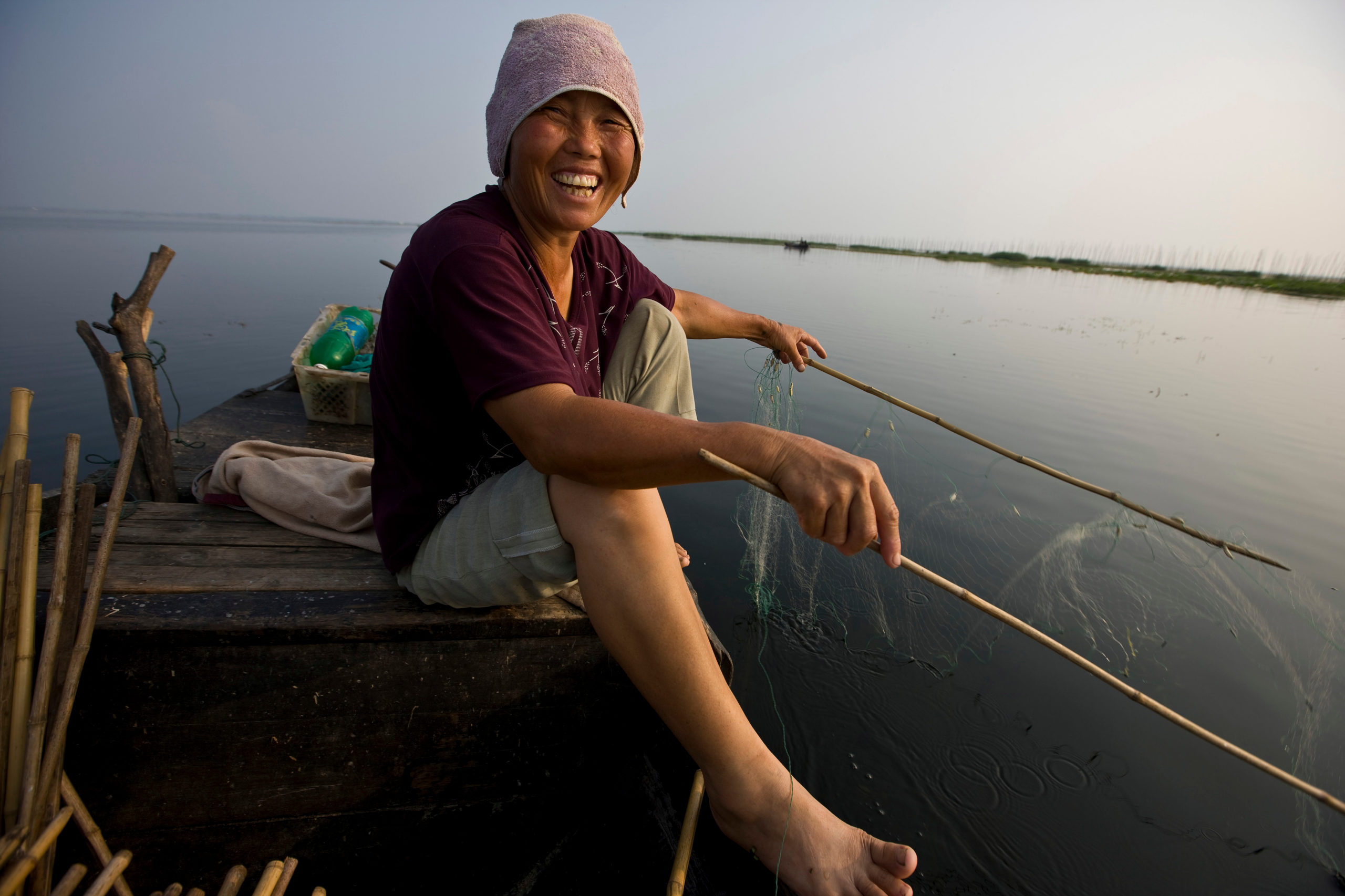
Often an afterthought in food security discussions, wild freshwater fisheries provide 200 million people with their primary source of animal protein, including vulnerable communities and indigenous people in Africa, Asia and Latin America. Asia accounts for two-thirds of the global wild freshwater catch, with China reporting the largest number worldwide.
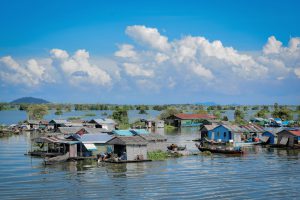
It is hard to overstate the importance of this resource in many parts of the world. Africa’s Great Lakes alone produce more than one million tonnes of fish per year in a region where food security is a frequent challenge. If Cambodia’s extraordinarily productive freshwater fisheries failed, it would have to increase its pasture lands by 155% and crop lands by 59% to make up the nutrition shortfall, causing untold damage in the process.
It’s not just food security: fisheries also provide jobs for more than 60 million people, and are worth more than US$38 billion every year. If freshwater fish were a nation, it would be in the top 100 largest economies in the world. This doesn’t include the value of two large industries sustained by freshwater fish. The recreational fishing industry brings pleasure to hundreds of millions of anglers – including 90 million in China – and generates more than US$100 billion annually. And the trade in ornamental fish – the world’s most popular pets – generates US$15-30 billion.
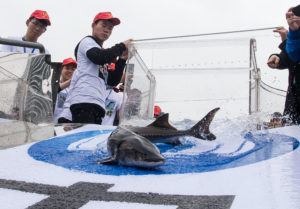
Sadly, more than 80 freshwater fish species have already been declared extinct – including the Chinese paddlefish last year. Today, around one-third of all freshwater species are threatened with extinction. Populations of migratory fish have fallen by 76% since 1970, while the number of individuals from larger species – so called megafish – have crashed 94% in the same period.
Below the surface, out of sight and out of mind, freshwater fish are rapidly disappearing. The causes are human: from building on wetlands and floodplains, to poorly planned hydropower dams, over-extraction of water for agriculture, unsustainable fishing, pollution, invasive species, sand mining and climate change. They are down to our longstanding failure to factor rivers, lakes and wetlands into development decisions.
Freshwater biodiversity is declining at twice the rate of that in our oceans or forests. Drastic change is needed but there’s good news – we already have the solutions. The world needs to secure an ambitious global biodiversity agreement later this year in Kunming, China, at the COP15 meeting of the UN Convention on Biological Diversity. Measures should be taken to let rivers flow more naturally; protect and restore critical habitats and species; reduce pollution levels; control the spread of non-native aquatic species; and end overfishing, destructive fishing and unsustainable sand mining. We will also need to protect the world’s remaining free-flowing rivers and remove obsolete dams and barriers.
Securing a comprehensive new deal for nature and people at COP15 will bring life back to our dying rivers, lakes and wetlands. It will also bring many freshwater fish populations back from the brink, securing food and jobs for hundreds of millions, safeguarding iconic species, and enhancing the health of the freshwater ecosystems that underpin so much well-being and prosperity.