The Gran Chaco region – the largest dry forest in South America – is suffering a devastating rate of deforestation, driven by rising global demand for soy, inadequate legal protection and insufficient progress in removing deforestation risk from the supply chain. And yet, the region has received worryingly little attention from corporate actors and investors.
There is still a chance to reverse the damage done. If investors and key players in the region work in tandem to ensure real change is made, they can prevent irrevocable damage to the ecosystem, and save the soy industry of the Gran Chaco from collapsing.
Suffering in silence
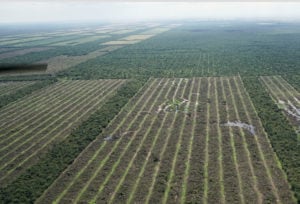
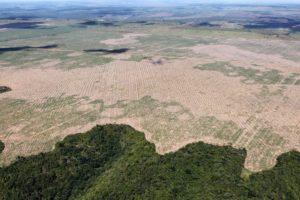
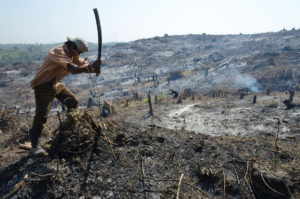
The Gran Chaco is fast becoming the major frontier of deforestation – and as it covers an area about a quarter of the size of the entire European Union, it is no small matter. Propelled by the rising production of soybeans, the Gran Chaco, which extends from southern Bolivia into western Paraguay and northern Argentina, and southern Brazil has seen roughly a quarter of its area deforested for agriculture since 1985.
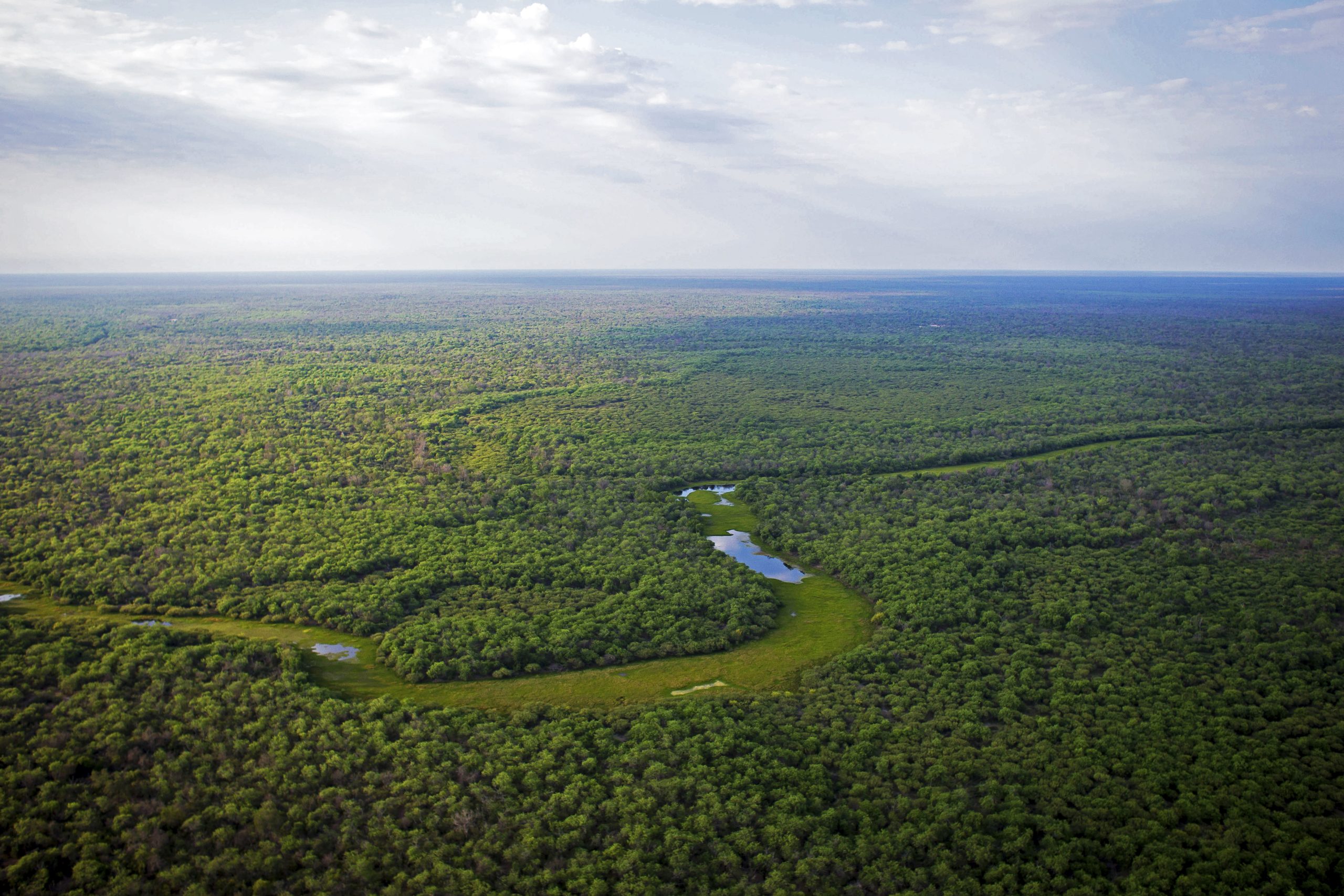
But despite this, the destruction taking place in the Gran Chaco has not received nearly as much attention as the Amazon or the Cerrado, by either corporate actors or investors. Neither the Argentine nor the Paraguayan Gran Chaco areas are adequately protected from soft commodities-driven deforestation. And if current trends persist, another 4 million hectares of forest in the Gran Chaco could be lost by 2028, causing greenhouse gas emissions broadly equating to 277.2 million tonnes of CO2.
Intensified soy production is having a drastic effect on the local environment, and the heightened risk of significant regional climate change can no longer be ignored.
The Deforestation Dozen
Undoubtedly, investors have a critical role to play – not only in their duty of care to protect this vital ecosystem, but also to protect their returns by ensuring that their investments do not collapse.
However, the responsibility does not rest on the shoulders of investors alone. Their efforts must be matched by the largest commodity traders in the Gran Chaco, responsible for the vast majority of exports in the region. In fact, the 12 largest soy traders, “The ‘Deforestation Dozen”, as Planet Tracker’s recent report dubs them, account for more than 89% of the total soy exports from the Gran Chaco – and yet, they are failing to prevent soy-driven deforestation in the region.
Some of these traders, including Archer Daniels Midland, Viterra and Cargill, are members of trader-led initiatives like the Soft Commodities Forum, which aims to advance collective action on a forest conversion-free soy supply chain. The problem is that the forum does not yet include reporting on Gran Chaco.
Last in class
Efforts in the region fall short on almost every level when compared to the Amazon or the Cerrado. A recent evaluation of the activities of major soy traders by the World Wildlife Fund (WWF) assessed the readiness of the traders to be deforestation-free. The 12 traders linked to the Gran Chaco were graded against criteria under the following five major themes: setting and strengthening goals; implementing ethical supply chains; reporting progress; increasing transparency; and collaborating for change.
3%
Less than 3% of Argentina’s soy production in 2020 received certification by the Round Table on Responsible Soy Association
Staggeringly, only one of the Deforestation Dozen scored above 50% – and half of the companies scored below 10%. Performance was particularly poor in the transparency sections of the assessment, with little to no investment into certification or traceability.
Certification numbers are also particularly concerning. The Round Table on Responsible Soy Association (RTRS) certified less than 3% of the total soy production in 2020 across Argentina, Brazil and Paraguay – meaning that less than 3% of the total soy produced in that year was certified deforestation-free.
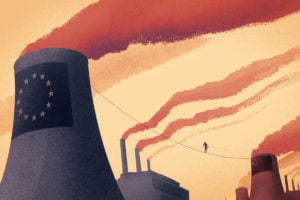
If things don’t change, companies trading in the EU will be particularly at risk as regulatory bodies begin to focus on the issue, with new regulations potentially bringing a ban on the import of deforestation-linked soy, among other commodities, into Europe. The proposed regulation will impose mandatory due diligence rules on importers, moving toward stricter traceability. And unless the soy traders in the Gran Chaco can demonstrate deforestation-free supplies, this new regulatory landscape will prove treacherous.
An opportunity for change
Currently, out of the 20 largest equity investors and debt financiers funding the traders operating in the Gran Chaco, only one explicitly recognises the region as a high-risk biome. None have made commitments specific to this ecosystem. This means that companies seeking funding will not face the same checks regarding deforestation in the Gran Chaco that they do in other biomes.
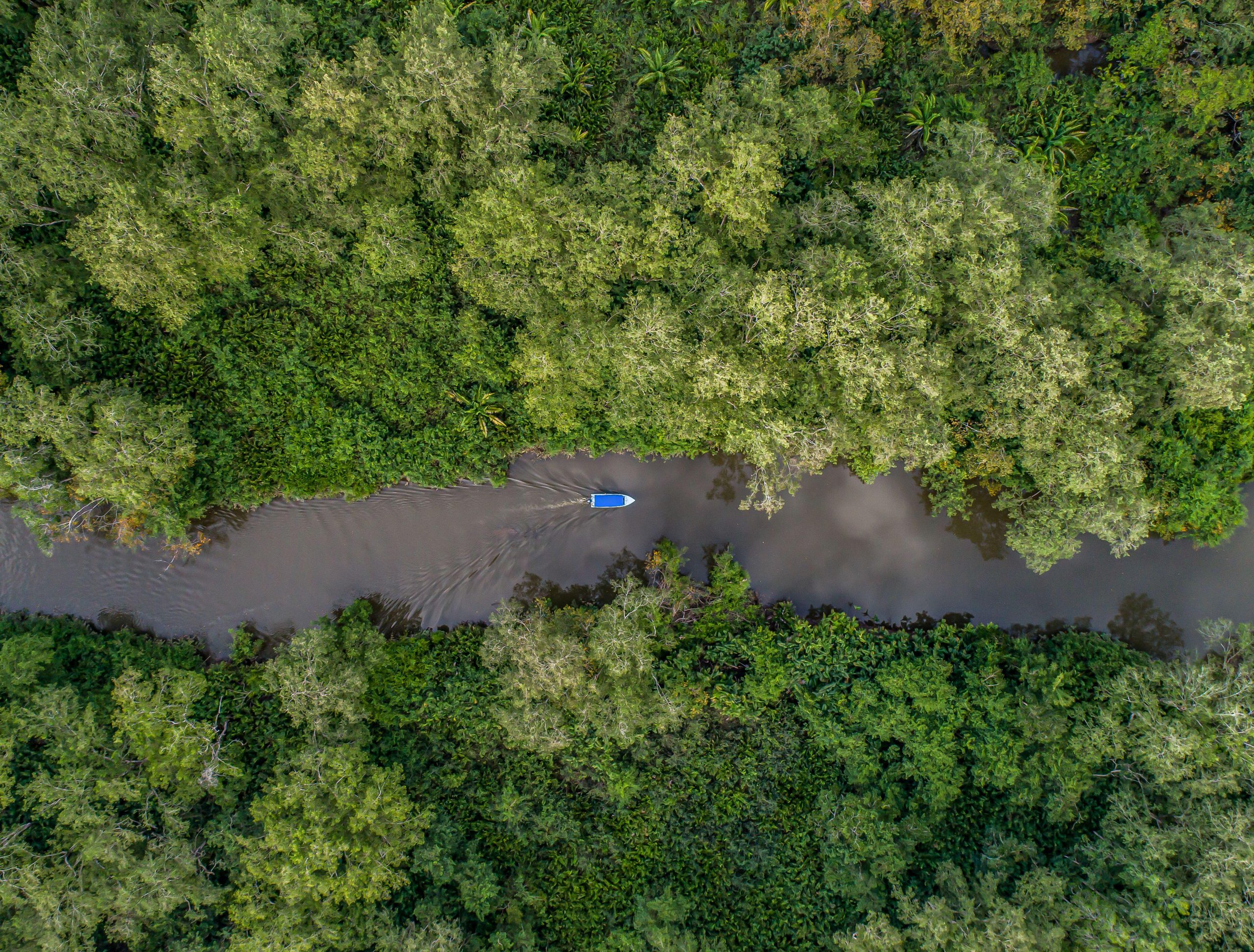
However, this presents a unique opportunity for companies and investors to implement strong policies and address deforestation before this biome suffers damage beyond repair.
Lenders and investors must play a crucial role in supporting this effort by ensuring financing activities are contingent on companies adopting and implementing comprehensive deforestation commitments and policies. They should also actively engage with and support initiatives such as Innovative Finance for the Amazon, Cerrado and Chaco (IFACC), to move funding away from deforestation-linked activities in the Gran Chaco, and require trading companies to disclose the location of the soy silos and source farms in their supply chains. This will aid traceability as a condition of funding, and require portfolio companies to purchase only RTRS-certified soy.
If investors and financial institutions don’t demand transparency and make tangible efforts to shift policy soon, the Gran Chaco as we know it will be destroyed.