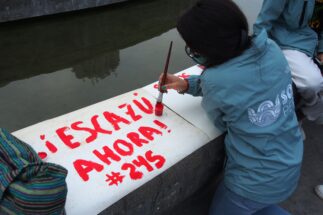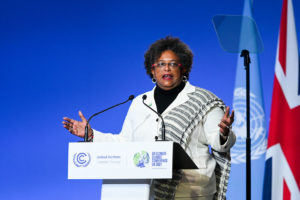
As the first regional agreement dedicated to the protection of people who defend the environment and human rights, the Escazú Agreement was a milestone in Latin America and the Caribbean when it arrived in 2018.
Approved that year by the UN’s Economic Commission for Latin America and the Caribbean (ECLAC), the agreement officially entered into force two years ago. However, its implementation, as well as the active participation of countries and citizens in its processes, is still a work in progress.
The Escazú Agreement is open to all 33 countries in Latin America and the Caribbean, of which 25 have signed up, but only 15 have since ratified.
Even after ratification, nothing yet ensures compliance. For example, a recently granted mining concession in Panama, one of the agreement’s earliest signatories and which ratified in March 2020, was reported to have ignored the public consultation guidelines established under its terms, with citizens not informed prior to the project’s approval.
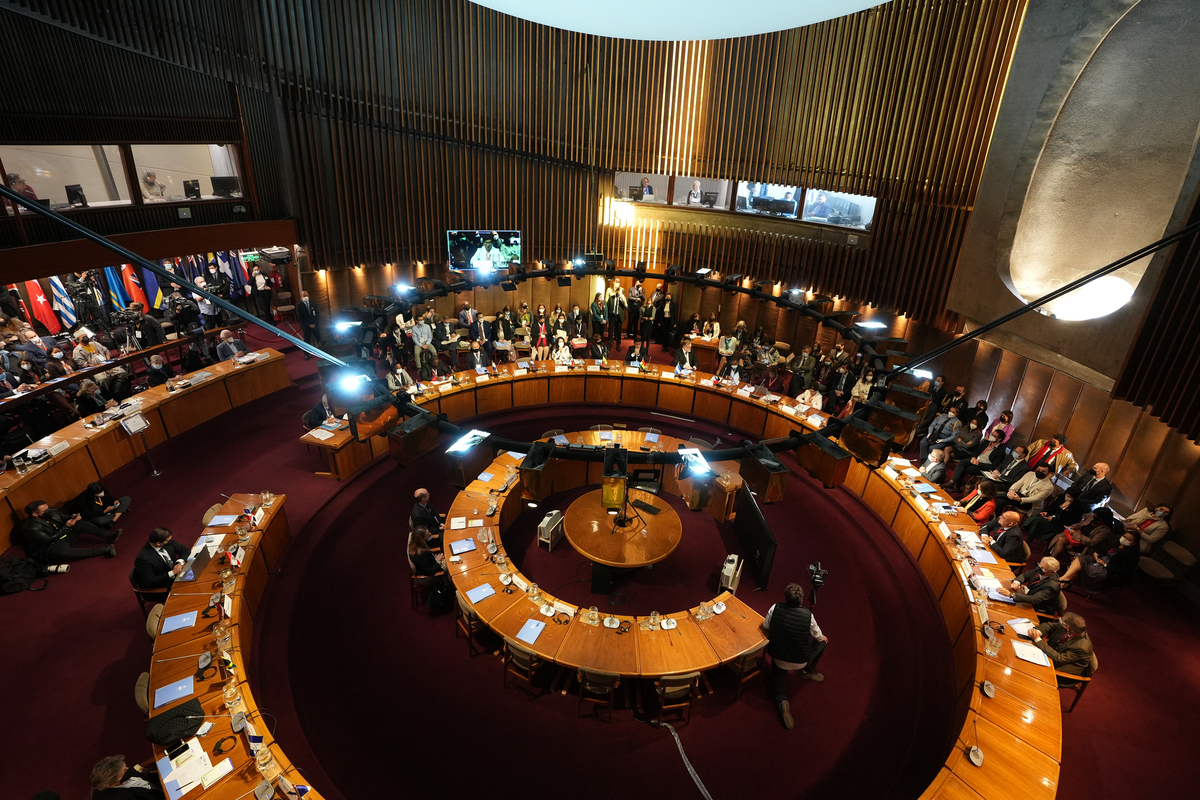
Against this backdrop of delays and inconsistencies, which have caused uncertainty among observers and local populations, the Escazú Agreement’s second Conference of the Parties (COP) is set to take place in Buenos Aires, Argentina on 19–21 April. Some remain hopeful of progress at the meeting, but what challenges does the agreement face, and what will need to happen for it to become truly effective?
Some slow progress
Since entering into force in April 2021 after reaching 12 ratifications, the Escazú Agreement has aimed to guarantee access to information, public participation and justice in environmental matters. However, since then, only three additional countries have ratified the pact: Chile, Belize and Grenada.
Progress is being made in some of the 15 countries to have ratified, including the development of roadmaps for the agreement’s implementation in Chile, Argentina, Uruguay, Mexico, Ecuador and Saint Lucia.
Carlos de Miguel, head of the Policies for Sustainable Development Unit of ECLAC’s Escazú secretariat, told Diálogo Chino that two particular recent advances have stood out: the election of six public representatives, and the upcoming election of a support committee for implementation and compliance.
Escazú is the only international environmental agreement with direct participation from elected representatives of the public. The group, elected via an open online vote organised by ECLAC, is key in having a direct relationship with the agreement’s board and secretariat, and in facilitating public engagement with it.
“The objective is to see how to ensure public participation and that it is regionally and geographically diverse, but clarity is still needed on how to do that,” said Mijael Kaufman Falchuk, an environmental lawyer from Argentina, and one of the recently elected public representatives.
The implementation and compliance committee, meanwhile, brings together experts in the region to advise the COP and work with states on carrying out of the agreement. A roster of 10 candidates has been selected, comprised of five men and five women of 10 nationalities – three from Central America and Mexico, three from the Caribbean and four from South America. The final election of the seven members will take place at the upcoming Buenos Aires meeting.
Risks to defenders continue
According to the latest report by the rights NGO Global Witness, more than three-quarters of the attacks on environmental defenders in 2021 took place in Latin America, reaffirming its continuing status as the most dangerous region on the planet for such activists.
Graciela Martínez, a human rights campaigner for the Americas at Amnesty International, said there is an urgent need for greater political will on the part of some countries in the region to prioritise the protection of defenders.
“Human rights defenders play a fundamental role in the protection of our biodiversity, and a key role in holding states accountable, so it is important to recognise them and give them space to share their concerns,” Martinez said.
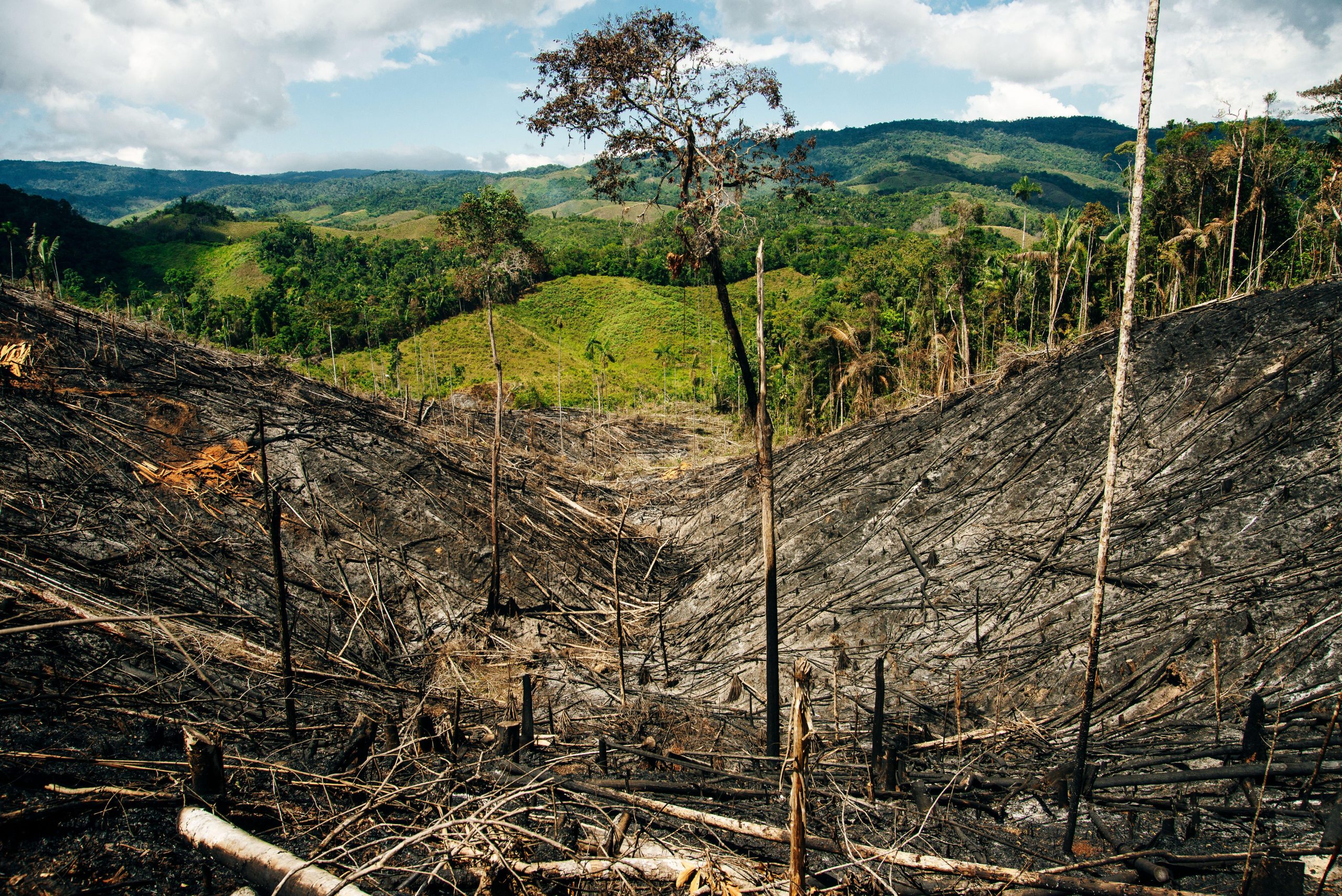
Fanny Kuiru, an Indigenous leader of the Huitoto people of the Colombian Amazon and member of the Coordinating Body of Indigenous Organisations of the Amazon Basin (COICA), said that there is an awareness of the severity of the problem in each country, and therefore organisations located in at-risk areas and mechanisms to protect defenders must be strengthened, as well as promoting the participation of women.
“Threats to those who defend territory continue, and we only regret it when they are murdered,” Kuiru told Diálogo Chino.
The Amazonian leader added that, at this early stage, it would be “hasty” to judge the impacts of the Escazú Agreement on the protection of environmental defenders, “because not all countries have adopted it, and those that have adopted it are in the process of discussing the measures to be applied.”
Kuiru did, however, point to the First Annual Forum on Human Rights Defenders in Environmental Matters in Latin America and the Caribbean, which took place last November in Quito, as a strong first step. At the meeting, the development of a regional action plan was proposed, a project which is now underway and aims to facilitate implementation at national level.
Opposition persists
Experts consulted by Diálogo Chino suggested that the rejection of the Escazú Agreement and the concerns around it in some nations are mainly linked to misinformation, relating to its potential impact on commercial interests and the supposed loss of state sovereignty under such an international treaty.
In countries such as Colombia and Peru, certain activists and politicians have voiced opposition to the agreement. “The issue of the ratification of the monstrosity called the Escazú Agreement should make us reflect on the violation of our sovereignty in other instances,” Peruvian congressman Ernesto Bustamante said in 2020.
Threats to those who defend territory continue, and we only regret it when they are murdered
The Escazú secretariat’s Carlos de Miguel insisted that such issues “have nothing to do” with the agreement. He added that its detractors “should be informed about the content of the agreement and see its scope. The subject with obligations [under the agreement] is the state: other actors such as citizens, companies, trade unions and academia are beneficiaries.”
De Miguel pointed to experiences in Europe under the Aarhus Convention for comparison. Signed in 1998, the convention addresses access to information, public participation in decision-making and access to justice on environmental issues in European countries. He highlighted that over more than 20 years in force, “there has never been any similar discussion” over a loss of sovereignty. Aarhus, he said, sets a benchmark for what could be achieved in Latin America and the Caribbean under Escazú.
Countries on the margins
Costa Rica has long been seen as an environmental leader in the Latin America, and hosted the initial negotiations, in the village of Escazú, that lent the agreement its name. But in February, it shelved a debate in congress over the treaty’s ratification, when it failed to obtain the necessary votes to extend the process. Rodrigo Chaves, the country’s president, is one of the main opponents of the agreement.
“Costa Rica has not ratified the agreement and does not seem to be prioritising it,” said Amnesty’s Martínez. She also highlighted its faltering progress in Honduras, one of the countries with the highest number of murders of human rights defenders in the region, which has not even signed the agreement.
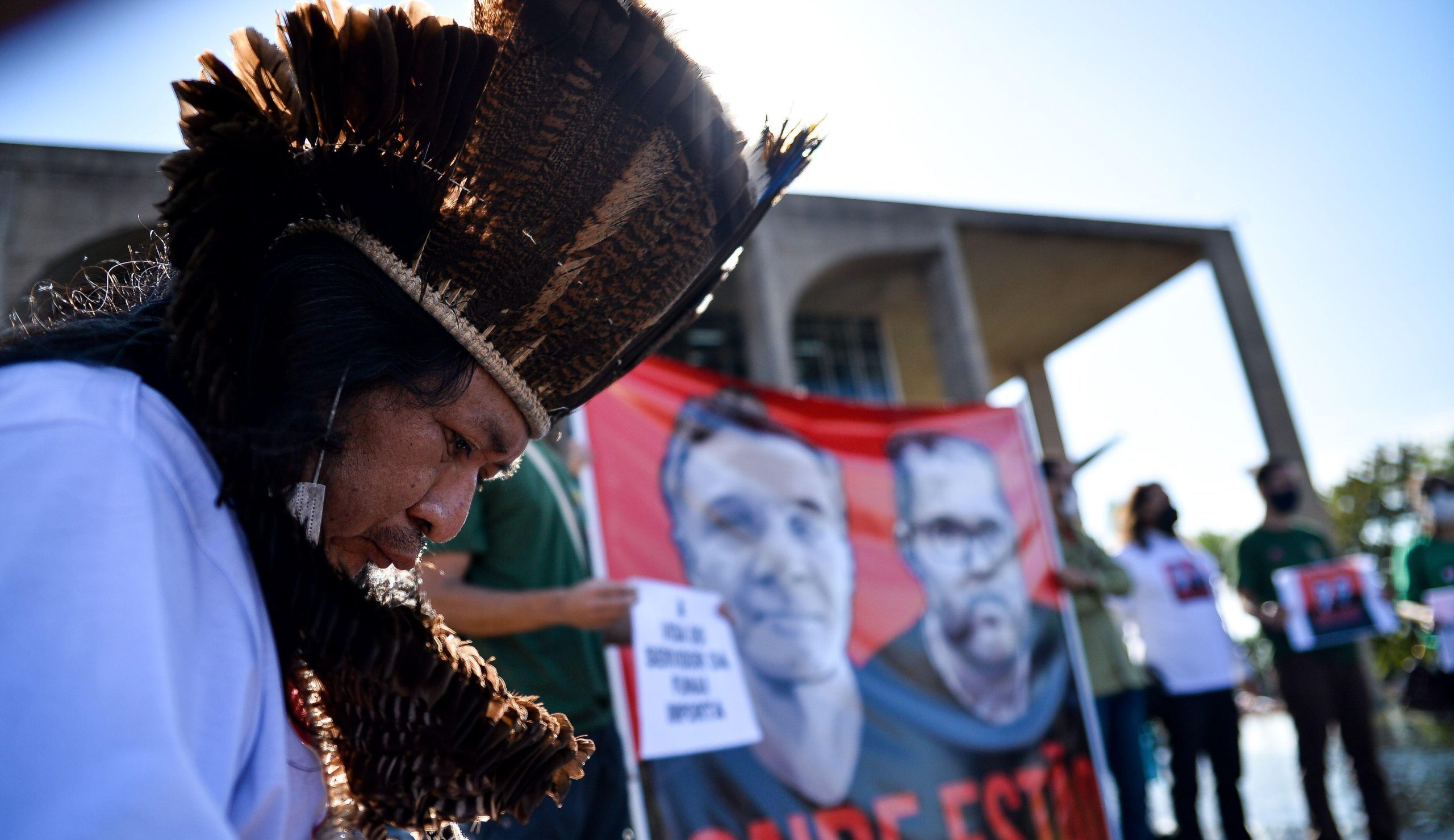
In a similar vein to Costa Rica, the Escazú agreement was signed by Brazil in 2018, during the presidency of Michel Temer (2016–2018). However, his successor, Jair Bolsonaro, dismantled various norms and institutions of environmental protection established over the past decades, and showed no interest in ratifying the agreement. Recently, more than 140 Brazilian organisations sent a request to the foreign ministry of new president Luiz Inacio Lula Da Silva to ask for ratification.
In the case of Peru, the agreement has not even been discussed in the plenary of congress, despite the nation having been a signatory since 2018. The proposal was shelved in two parliamentary periods by the country’s foreign relations committee, which considered it “unnecessary”, and polarisation over the issue continues.
In Colombia – the country with the grim distinction of leading the global rankings of murders of environmental defenders – the situation took a turn when the current government of Gustavo Petro ratified the Escazú Agreement in October 2022. The treaty is now awaiting final confirmation from the country’s Constitutional Court.
For Laura Santacoloma, environmental justice coordinator at the NGO Dejusticia, the agreement’s arrival presents opportunities, but also challenges in realising them.
“Escazú comes at a time of high conflict in Colombia and helps because it makes the problem visible,” she said. “It is an opportunity to strengthen what exists, but without a consolidated peace policy [for the country’s long-running armed conflict] it can be difficult.”
Santacoloma also highlighted the importance of Escazú’s promotion of access to information: “We are at a moment in which an improvement in access to environmental information is beginning to take shape. Clear and timely information is needed to promote people’s participation.”
As experts consulted by Diálogo Chino repeatedly commented, the Escazú Agreement has marked a significant step forward in terms of regional coordination. Its success, however, will depend on increased ratification and states’ willingness and ability to improve and implement environmental policies in their own territories.