Think about electricity grids and the image of miles and miles of cables connecting huge power stations to distant houses may spring to mind. But a different way of bringing energy to the people is emerging: small, local power sources linked to batteries and community buildings.
This microgrid concept is finding footholds in major cities in the United States, as well as isolated communities in the Global South. Often using renewable energy sources, such as solar and wind, microgrids can offer the certainty that when extreme weather events or failures in ageing infrastructure knock out a national grid, communities can still access electricity.
Installing microgrids is often framed as an energy security issue. But in some locations, a key driver is the human health benefits they can provide in a warming world. With access to reliable power comes the possibility of a reprieve from extreme heat via fans and air conditioning, as well as proper medicine storage and working health facilities.
Chelsea’s need for better power
In the US city of Chelsea, just outside Boston in the state of Massachusetts, a microgrid is bringing power to buildings and communities that would otherwise be vulnerable to outages linked to climate change, poverty and dilapidated infrastructure. It uses solar panels, batteries, and generators running off renewable fuels to feed a small local network. City officials have explicitly linked the initiative to climate change.
Environmental justice is something Chelsea residents take seriously, according to Sari Kayyali, microgrid manager at the organisation running the project, GreenRoots. He says it made the microgrid idea an easy sell.
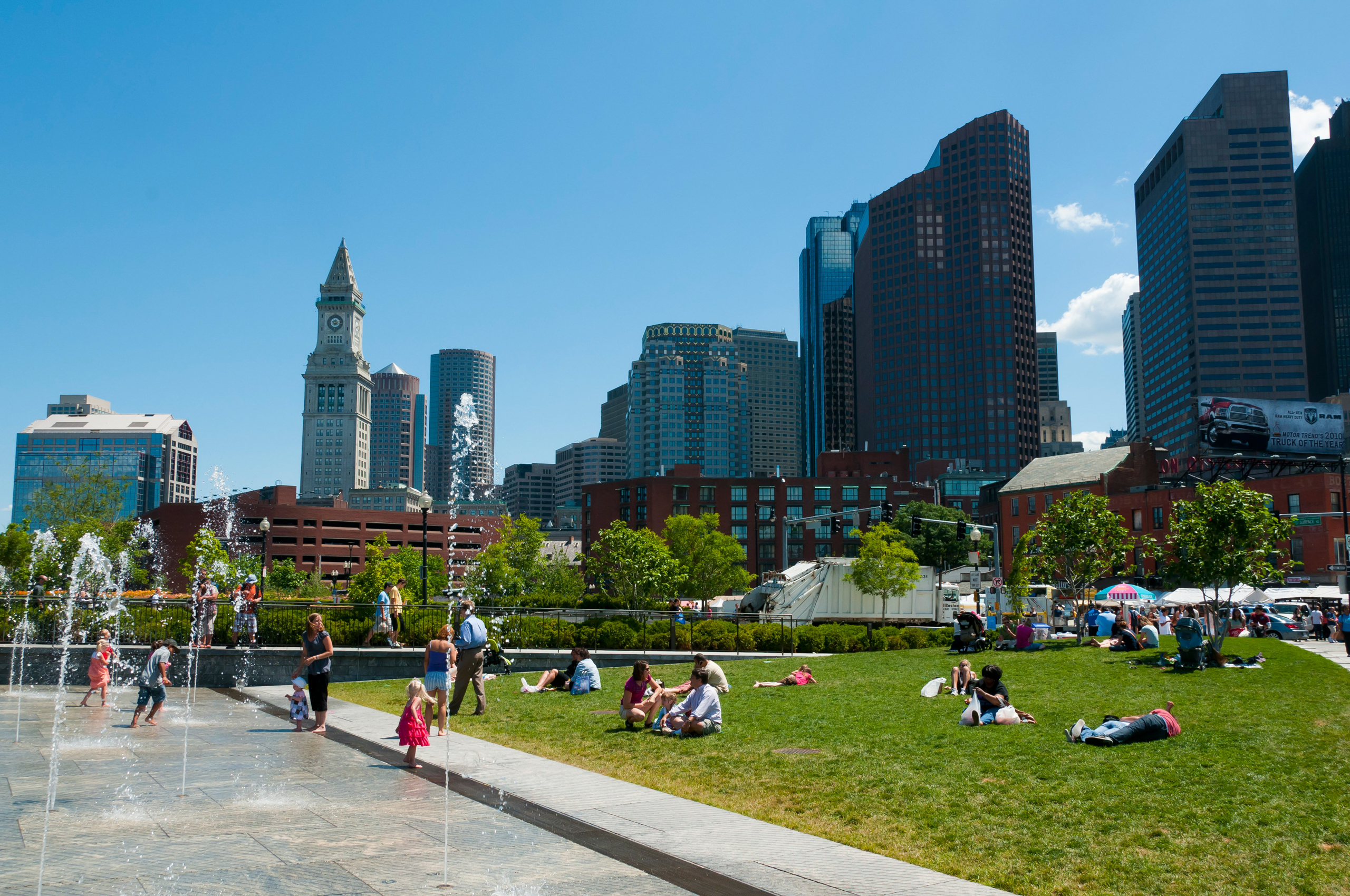
“Chelsea has a bunch of environmental burdens,” he explains. “Much of the city is located in a designated flood zone. There’s a rising frequency of large storms that have the ability to knock out power.” Many residents are also from Puerto Rico, or have family ties there, and memories of 2017’s Hurricane Maria and the damaging power outages that followed are still fresh. “So, the idea of building out a more resilient grid interests a lot of them,” Kayyali says.
The component parts of the microgrid have been placed in municipal buildings, because other housing stock in the area is old – ageing wiring and roofs present problems when installing solar panels and large batteries. Some new housing developments, meanwhile, already incorporate battery storage. This is used both for individual apartments and to keep safety systems and elevators running if the power goes down.
This is a CATCH story
This story is part of Dialogue Earth’s work on the Community Adaptations to City Heat (CATCH) project, in partnership with Boston University. The project is funded by Wellcome. All Dialogue Earth content is editorially independent.
Read more stories from CATCH.
More power, better health
Madeleine Scammell is a Chelsea resident. She is also an environmental health researcher at Boston University who looks at how heat impacts public health: “We started a study on building a capacity to [cope with] extreme heat in the city of Chelsea, and knowing that the microgrid was taking place seemed an important piece of the puzzle for keeping a city resilient to extreme weather of any kind.”
Microgrids can help greatly in building resilience to climate change-driven extreme heat events, which come with several adverse health impacts. They can, among other things, provide more reliable medicine storage and power for hospitals.
“If you’re struggling to cool your body at home because you don’t have air conditioning, that puts you at even greater risk of illness or death. We’ve seen lots of deaths to heatwaves,” says Scammell.
“People have medications that need refrigeration; they have a reliance on electricity. People who are on dialysis or have to go to the hospital for treatments of any kind during extreme heat events – they need to travel. It’s just a huge added burden.”
Research has shown that microgrids can also bring some improvements to local air quality, if they use renewable energy sources supported by batteries instead of dirty sources. Kayyali says the Chelsea microgrid experience has also found this.
Big problems in the Big Easy
New Orleans, in the US state of Louisiana, is another area in the eye of the climate storm. Hurricane Katrina in 2005 and Hurricane Ida in 2021 caused deadly floods and catastrophic damage to the city, some of which remains unrepaired. They also left residents without power for weeks.
The Community Lighthouse Project is installing microgrids in the city to make sure there is a backup when the next storm hits.
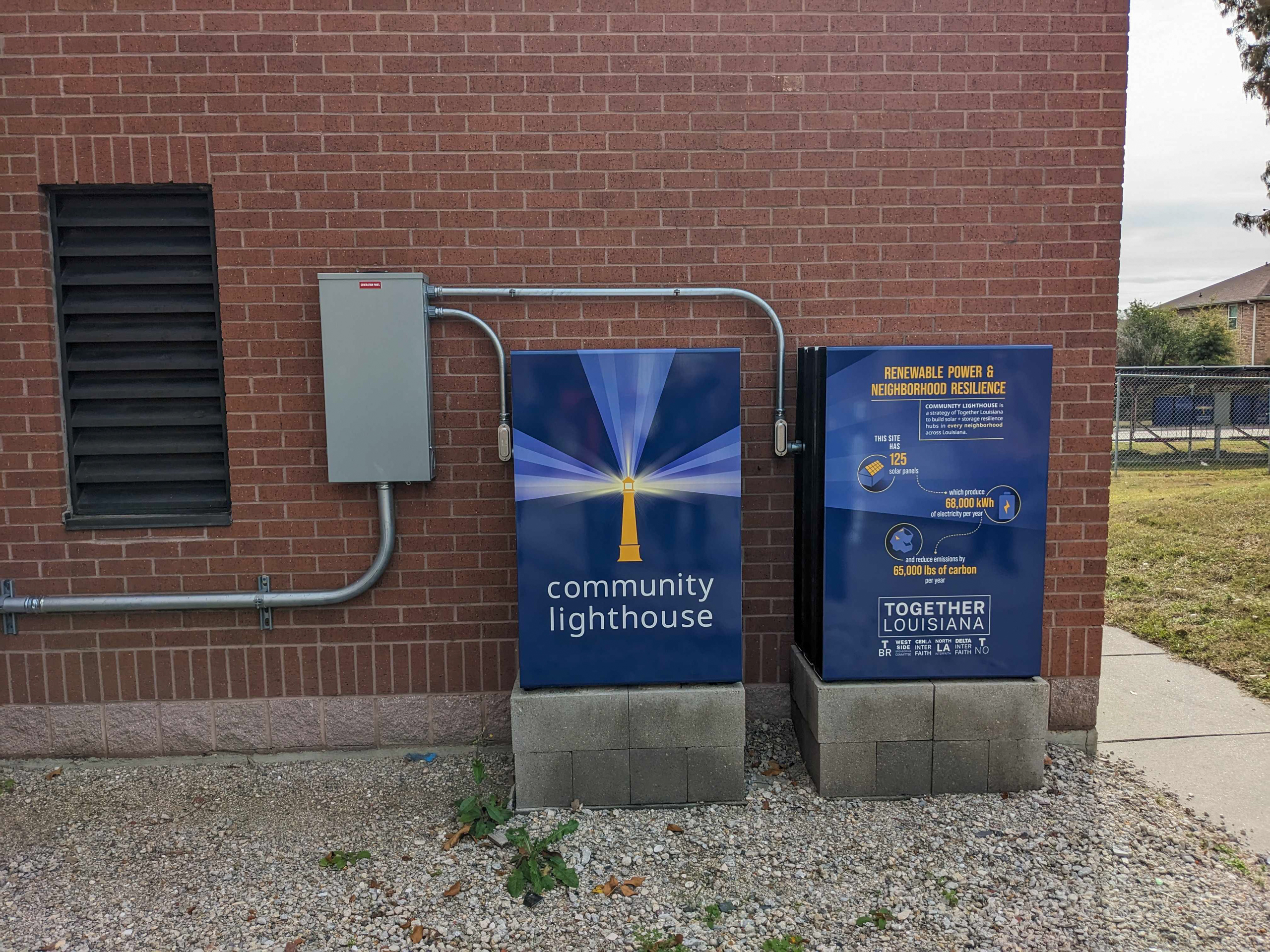
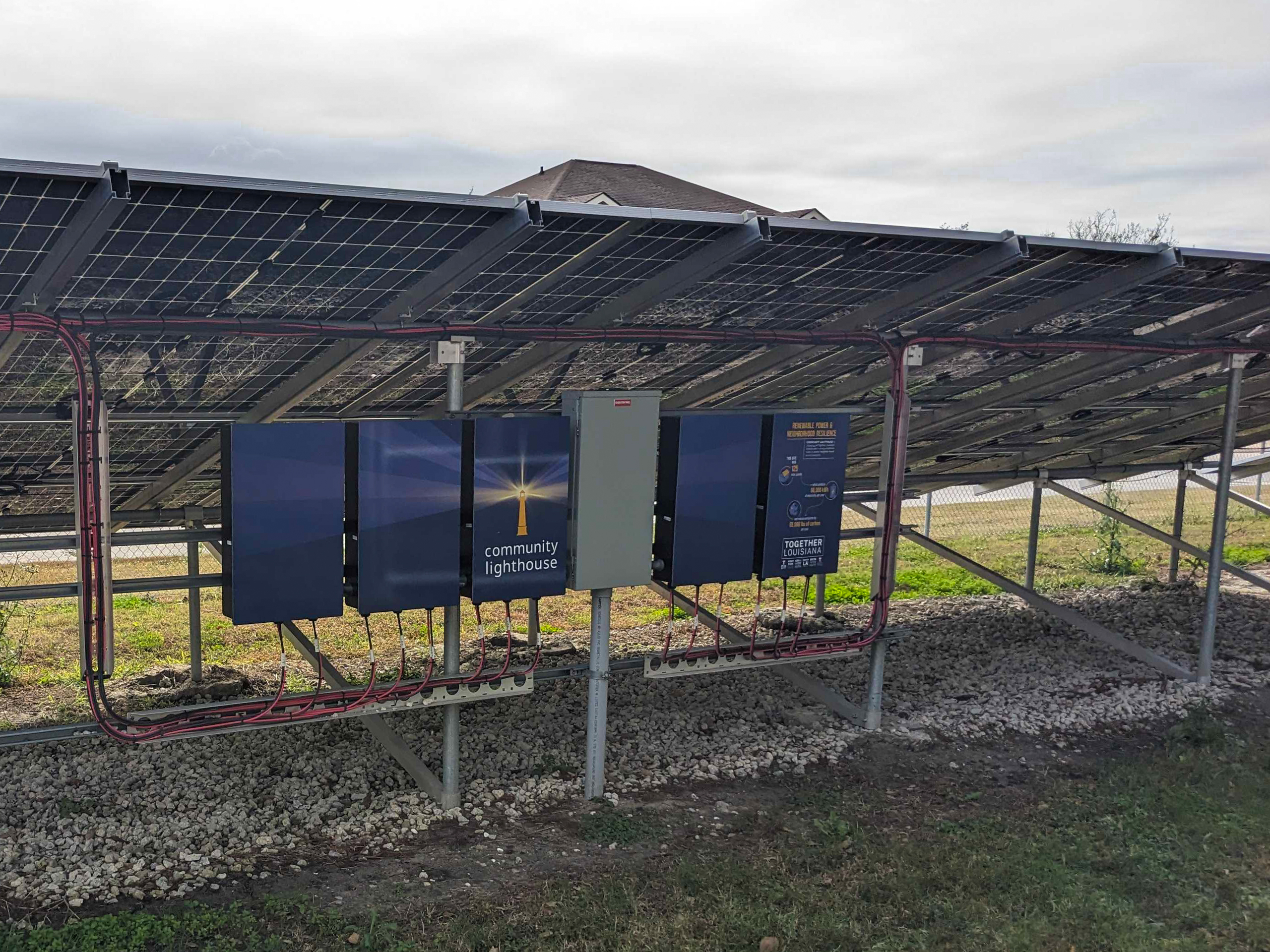
The project is putting solar panels and batteries in churches and community centres across the region, with an aim of equipping 85 such properties in total. These “lighthouses” can then act as hubs for those who need shelter and power during outages. Those behind the scheme say they can be more responsive than nationally organised assistance, because they are locally run, staffed and powered.
They really thought of it as a place to nurture your physical and your mental healthMadeleine Scammell, Chelsea resident
“People can go there to find a place to cool their bodies, but also to cook food when there is no power, to store their medications and to have community,” says Scammell, who has visited one of the lighthouses. “They really thought of it as a place to nurture your physical and your mental health.”
Improved mental health, she adds, could be another important side effect of microgrids.
Microgrids around the world
Microgrids are already providing much-needed power in communities in many areas of the globe. According to the World Bank, as of 2021 there were some 9,600 microgrids in South Asia, 7,200 in East Asia and the Pacific and 3,100 in Africa. These numbers are projected to increase massively over the next few years.
Marios Kalemis is a researcher at the University of Groningen (RUG) in the Netherlands who has studied climate-induced power outages in West Africa: “If you have a grid that’s functional [as in the US], it’s very different than having makeshift grids that people try to make for themselves, because the central government does not have the capacity to address certain things.”
But here, too, the health impacts from better power can be significant, says Kalemis. In rural settings, for example, a resilient power grid can mean wood-burning stoves are not needed, which directly impacts respiratory health.
While wood-burning stoves are not a major problem in most US cities, there are lessons to be learned about the importance of constant power in healthcare clinics and surgeries. Particularly as extreme weather events become more frequent and severe.
A different kind of power
Scammell also believes lessons learned in countries where national infrastructure is weak are crucial for informing projects in the US. For example, Kalemis’ analysis of a number of West African microgrid studies revealed solar-powered systems have transformative potential. It also revealed, however, that this is not just about deploying technology. It is about understanding the socioeconomic environments they are serving, which is crucial for success.
Climate change is worsening the problems caused by extreme weather events, bringing destruction and heat to places not used to dealing with it: lessons from the Global South will increasingly apply to the Global North, and vice versa.
“Having an understanding of where your power comes from is important,” says Scammell.
“I do not have a crystal ball, but I do think that because our centralised infrastructure is increasingly vulnerable, we need to have more redundancy built in, and that can happen at the local level.”
All this benefits human health, as resilience means microgrids bring power in more than one sense, she says. “When we have the energy locally, we also have local resilience, and we have a strong social fabric, which gives us a different kind of power.”