The covid-19 pandemic has not only hit Peru hard, but has also revealed a fragile and very weakened economic system. The country’s impressive economic growth in recent years has not gone hand in hand with an improvement in Peruvians’ quality of life. Instead, social gaps, inequalities, conflicts and the impacts on the environment of this development have increased in Peru.
Presidential elections were held on April 11. Eighteen candidates ran, reflecting the great polarisation in the country. Neither Keiko Fujimori nor Pedro Castillo, who will compete in the second round on June 6, won more than 35% of the votes. Parliament is totally fragmented: 10 benches share 130 seats. The next leaders will have the responsibility of trying to unite a country that looks broken on all sides.
To learn about the governance and environmental challenges Peru will face in the coming years, Diálogo Chino spoke with Gabriel Quijandría, head of the Peruvian Ministry of Environment (Minam). Quijandría has twice been vice-minister of Strategic Development of Natural Resources at Minam, and has held important positions as co-chair of the Green Climate Fund, as well as serving as a representative of The Nature Conservancy in Peru and as head of the Technical Department of the National Fund for Natural Areas Protected by the State of Peru (Profonanpe)
Gabriel Quijandría (GQ): The incoming government has to understand the environment as a condition for competitiveness, as a differentiating factor that generates value. Increasingly, the world is demanding the incorporation of environmental issues into production processes, processes that generate well-being for people, that solve poverty problems and help to achieve a better quality of life. This is a trend that will gradually become a requirement. If we encourage investments that take the environmental variable into account, we will be more competitive. In many industries, such as agribusiness, the environmental impact is increasing, and carbon neutrality is becoming a requirement. Buying carbon neutral grapes or mangoes is going to become the norm. So the country has to be prepared for that moment.
DC: How can we change the way the state and companies think?
GQ: Climate change, waste management, conservation, and the sustainable use of biodiversity are increasingly present in the development discussion. They will come out of the environmental sphere and be incorporated into the discussion of how we produce and how we make social policies. We also have to bear in mind that, in Peru, water resources are very scarce and the time to adapt is very short. The Peruvian population is concentrated in an area where we have less than 2% of the available water. We are facing an imminent and immediate crisis. The sooner you include an environmental perspective, the sooner you will be able to face this new scenario.
DC: If Peru has been highlighted for many years as one of the countries that will suffer the most from the climate crisis, why hasn’t progress been made?
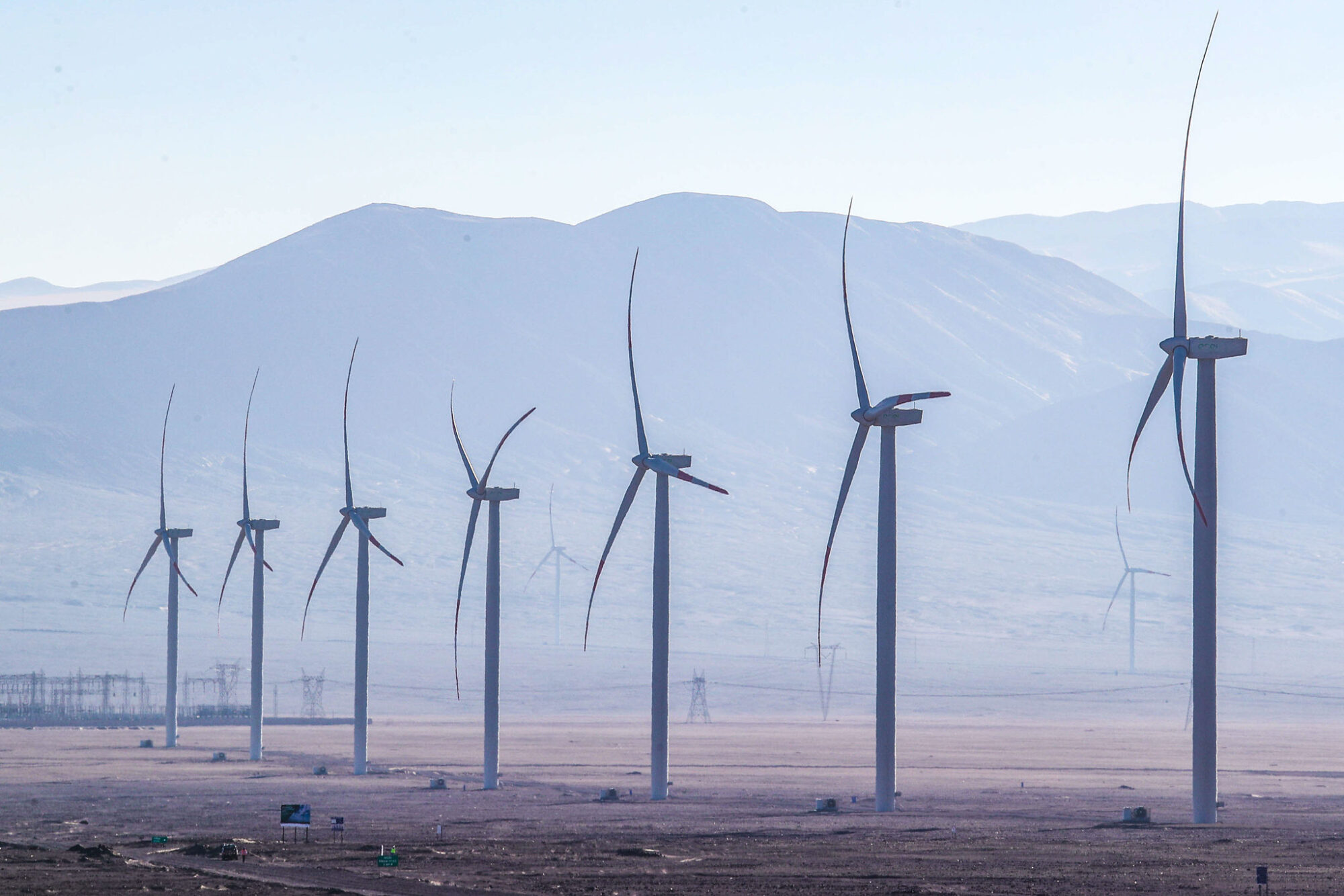
GQ: We have been making progress. For example, the introduction of renewable energy in our electricity matrix has not been sufficiently prominent, but we have gone from having less than 2% in 2012 to almost 8% this past year. We have achieved very competitive prices with traditional forms of electricity generation. But we have not continued to grow because we have not given the right signals in the energy sector. There is a need to give a new impetus to these issues.
DC: What does the country still need to do to make more use of renewable energies?
GQ: Chile has had a great development in renewable energy to supply the mining sector. They are betting on wind, solar and hydrogen generation. All these plants have been installed in the north, which has continuity with the south of Peru, in terms of the amount of solar radiation and wind. We still think that the integrated national electricity system is going to reach everywhere, but that is not the case. We have to look for localised solutions. We are still thinking like we did 20 or 30 years ago. The world is moving at a faster pace and we are lagging behind.
DC: Why does change cost so much?
GQ: When you see how public logic works in Peru, you notice a way of doing things that is immovable. Everything requires a very complicated negotiation process. When you are confronted with this, they are telling you: you’d better not innovate. It’s as if we civil servants have a mandate not to innovate.
DC: And add to that the social conflicts…
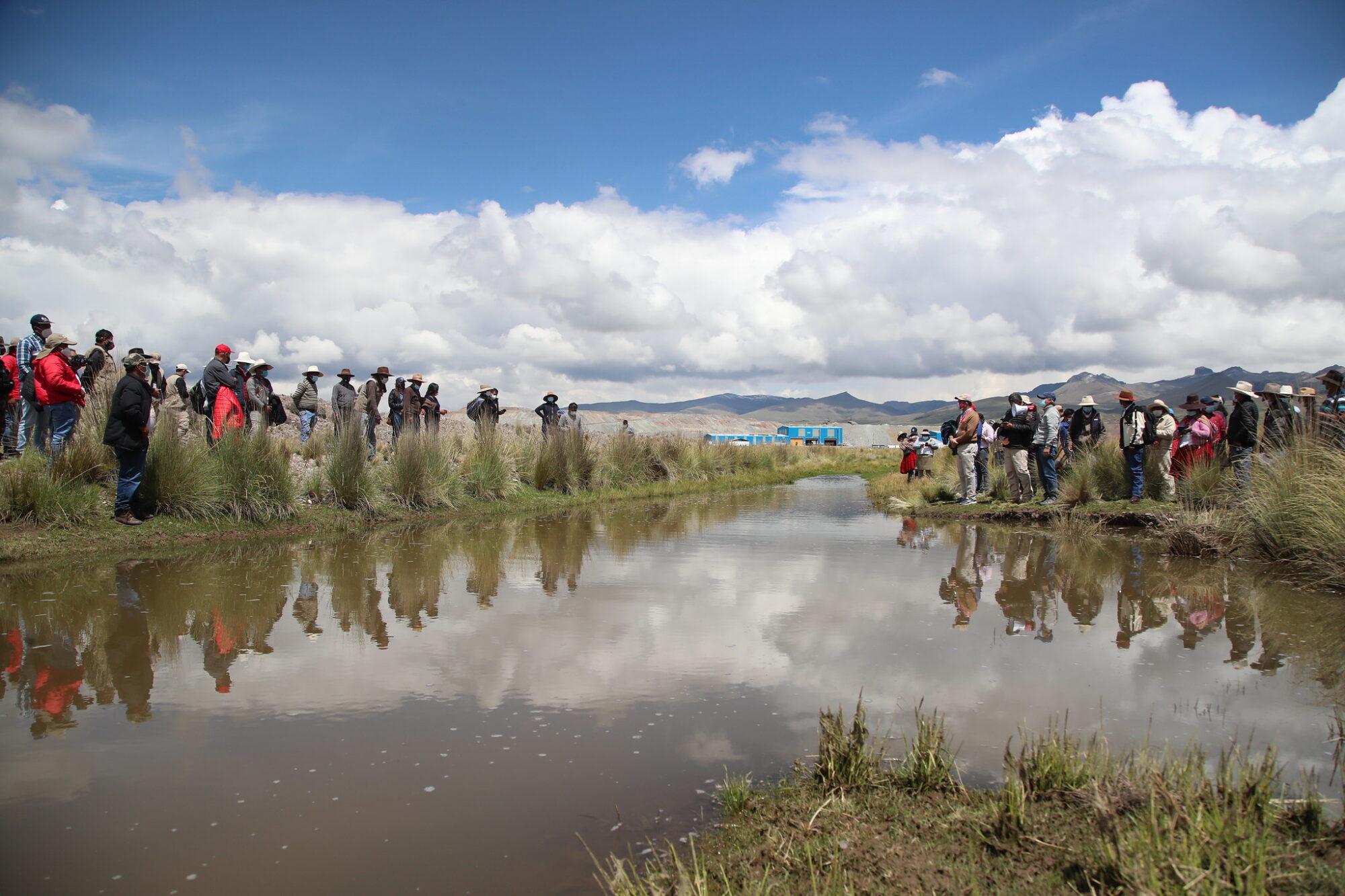
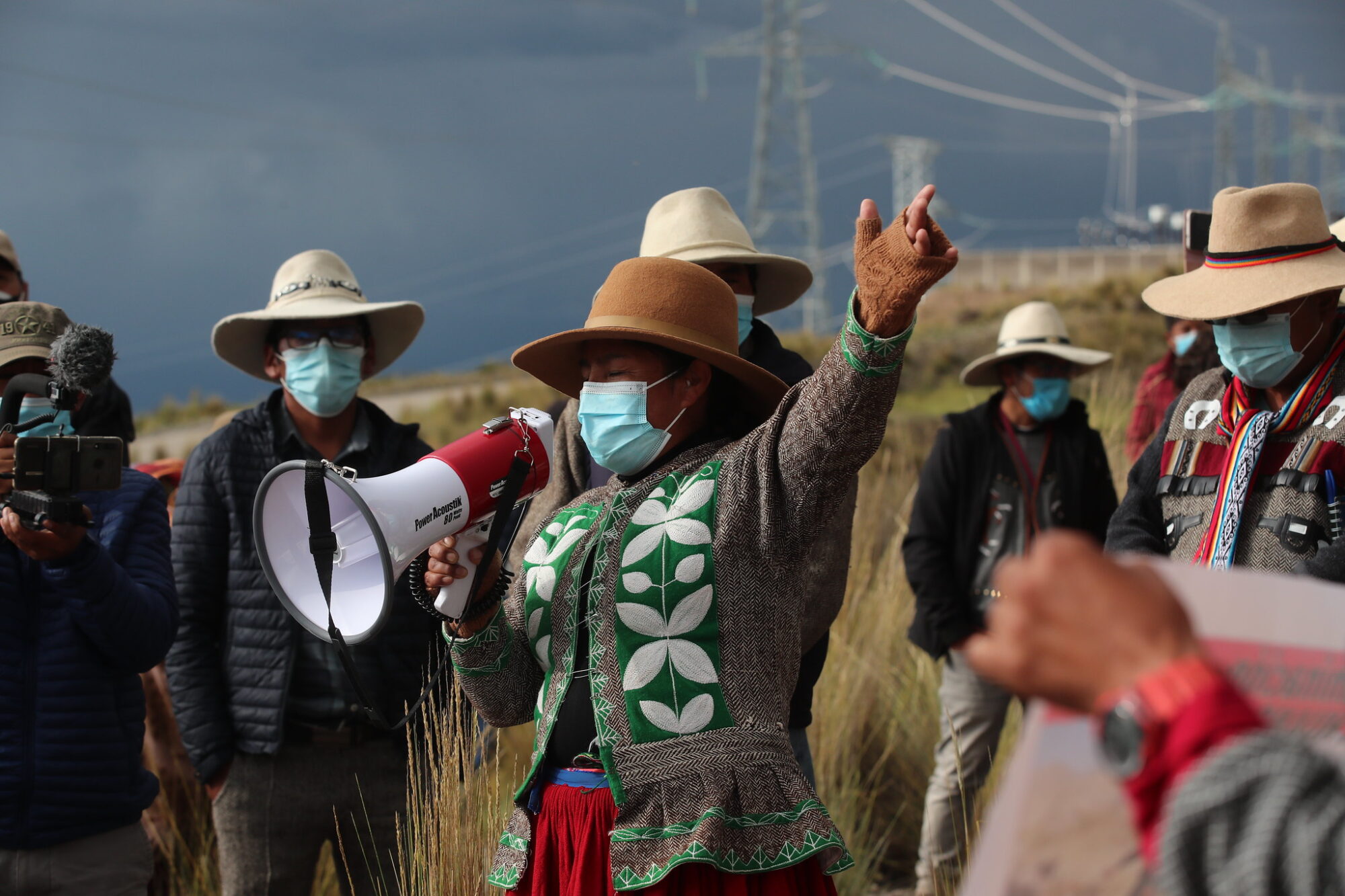
GQ: We have a complex issue in the country. The main reason for social conflicts is access to water. There are other issues such as access to electricity, roads and so on, which in many cases are not environmental issues. But all the problems persist because of a deficient presence of the state and many basic needs that have not been covered. A few weeks ago we were in Espinar [a province in the southern Cusco region], where mining activity has been going on for 50 years, but the communities have no drinking water. Tonnes of tailings and waste from the mine impact the landscape, accumulating to form thousand-metre high hills. But the quality of life has not improved. It is understandable that people are suspicious. If several generations have not benefited in all this time, why would it be any different now?
DC: The lack of trust is understandable…
GQ: There is a general crisis of credibility and we see it reflected in the results of the last elections. We don’t trust anyone. This is a pending issue for the country to discuss going forward. But I also believe that we have made progress in several areas. In environmental matters we are light years ahead of the 1990s, we have much more control and oversight. Now we have the Minam, which can suggest policies in different sectors, such as agriculture, economics and fishing. Having this position is invaluable.
DC: How can people’s quality of life be improved?
GQ: There are efforts, but in a scenario like the current one it is difficult. Now everything is in chaos. The fiscal coffers were healthy and we generated huge savings in the last few years. But with the pandemic we have been left on the edge. As we say, there is no cloth to pull any more shirts out of. We are in a very complicated situation. But as long as we don’t improve our management capacity and at least provide basic services to the people, everything will continue to get more and more complicated. Returning to the case of Espinar, it is one of the provinces that receives the most money from the mining canon [a redistribution programme of the state’s mining proceeds to regional governments], but where is the money? The local, municipal and provincial governments do not have the capacity to structure projects and improve the lives of the people. And despite all these problems, we are still an attractive country for foreign investment. However, as I mentioned, we have to look at the environment in a different way and explore lines of investment that we are not exploring.
DC: What lines?
GQ: Due to international climate change commitments, the hydrocarbon industry, linked to fossil fuels, is going to have a very difficult time. The deposits are in remote areas, in pristine nature, and the impact that is generated is very high. And everything becomes more complicated and costly. Other options have to be explored with regard to energy production. For example, China is a big producer of photovoltaic panels, the United Arab Emirates and Saudi Arabia are looking for where to put their sovereign wealth funds in areas that can have an interesting return. And we are not taking advantage of this to look for large renewable energy projects that could be co-financed by China or these new players.
When you arrive in a new neighbourhood, you have to win over the neighbours or at least not fight with them
DC: China has been one of the main investors in the country in recent years…
GQ: No doubt. We have seen a growth of Chinese investments in the fishing and mining sector, mainly.
DC: How do you see Chinese investors in Peru?
GQ: Personally, I think there should be more explicit communication about what environmental standards they are practising. China is a country that is becoming more and more demanding in its own environmental legislation and has made great progress in environmental management. They have a very strong promotion of renewable energies, for example, but I think they should be clearer about the extent to which their investments follow the same logic outside their borders.
DC: In recent years, Chinese investment has also been linked to social conflicts…
GQ: There are conflicts, but many of them are linked to practices that come from the companies that came before the Chinese. What they have to do is to see how they abandon those same practices and improve their relationship with their neighbours. When you arrive in a new neighbourhood, you have to win over the neighbours or at least not fight with them. Companies that invest in Peru have to have the sensitivity to invest in improving relations with populations that no longer trust anyone. The problem is that many companies feel that this is an expense, when in reality it is an investment.
![Indian father riding on at electric three wheeler with his child [image: Suman Kumar / Alamy]](https://dialogue.earth/content/uploads/2021/05/2BHEFB6-300x200.jpg)