For Argentina, tackling the climate crisis means putting together the pieces of a puzzle, says Cecilia Nicolini, the country’s climate change secretary. As the country continues to grapple with a long-running debt crisis, it faces limits to its financial capacity for climate action, while simultaneously trying to tackle social crises, with over 36% of the population estimated to be living below the poverty line.

During the first week of the United Nations’ climate change conference, COP27, Argentina presented its mitigation and adaptation plan to 2030, as well as its long-term strategy to 2050. Actions within all sectors of the economy are considered, from agriculture to energy, but the need for increased funding to develop them is repeatedly highlighted.
Argentina, the new plan points out, is responsible for about 0.8% of global greenhouse gas emissions, and faces its greatest challenges in the energy and agriculture sectors. The country relies on fossil fuels for nearly 70% of its energy generation, particularly natural gas, and the livestock and agricultural sector make significant contributions to the economy.
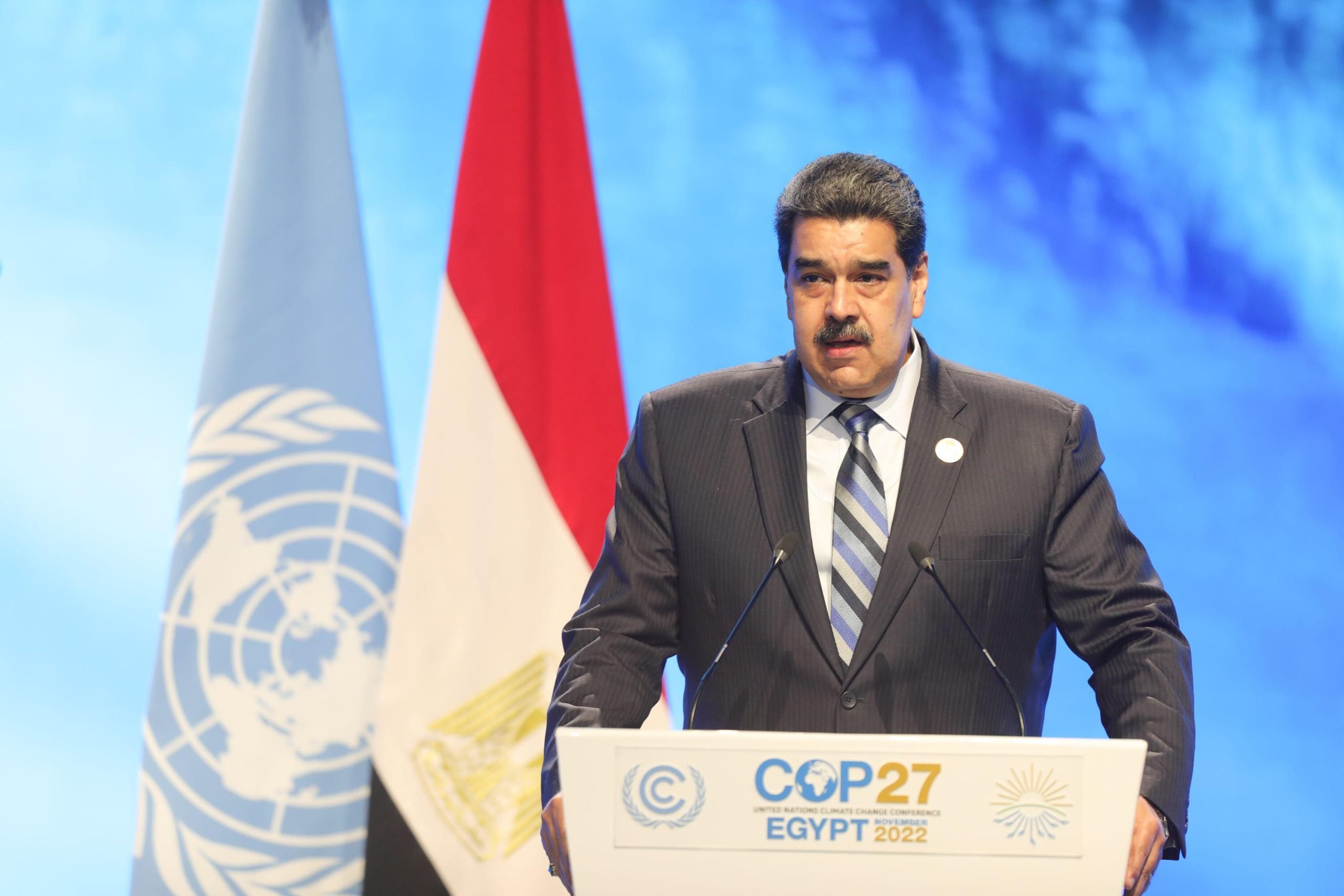
In an interview with Diálogo Chino at COP27, Nicolini, who travelled to Egypt as part of a delegation from Argentina, called for the development of climate finance instruments and highlighted the role of natural gas in the country’s energy transition. She also raised questions over the European Union’s decision to ban imports of soy and meat linked to deforestation.
Diálogo Chino: One of the main calls made by Argentina and other Latin American countries at COP27 has been for debt-for-climate action swaps. However, so far the number of projects and amount of debt handled in such schemes has been low. Is it feasible to increase them?
Cecilia Nicolini: We are moving these forward with several countries that have taken innovative measures in this regard, such as Ecuador, Belize, Mexico and Chile. We want to push these mechanisms as they will allow us to finance climate policy and change our productive activities. The document we presented with CELAC [the Community of Latin American and Caribbean States] targets this, it allows us to find mechanisms for regional integration.
Although we have differences in what we need for climate action, we also have things in common. We are vulnerable countries, highly indebted and with social and economic gaps that are widening in the face of the climate crisis.
DC: Is it possible, then, to think of Latin America as a unified bloc in climate negotiations and one not divided into different groups?
CN: This is one of the proposals we have been talking about. We have to transfer this document into the creation of a cohesive group when it comes to negotiating. It will benefit us to be more powerful in the COPs. Today we are spread out in different groups and it takes away our strength.
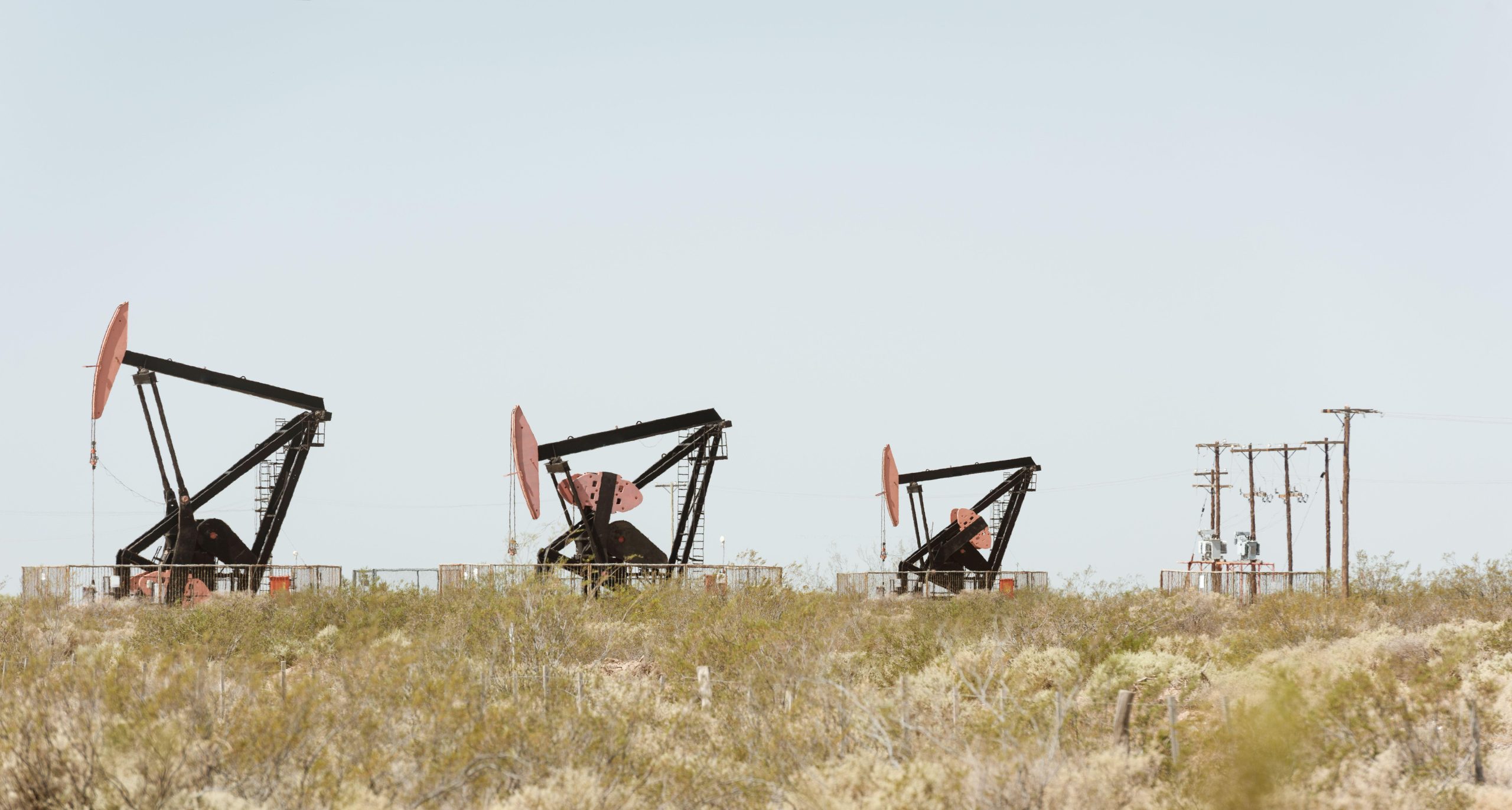
How will Argentina’s 2030 emission reduction plan be implemented, especially considering the plans for an expansion of the fossil sector?
It is an ambitious plan that all sectors have worked on, including the energy secretariat. The plan contemplates an energy transition and the objective of diversifying the energy mix, but it will be based on our needs and challenges. The transition will not happen overnight and the fossil fuel paradigm will not be eliminated quickly.
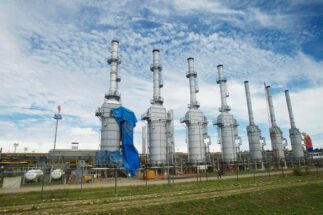
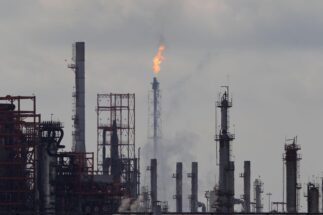
In Argentina, natural gas is a fundamental element for economic development. It is functional to the transition in the short and medium term, but not in the long term. Developing gas will allow us to stop importing liquid fuels, and to export it to countries with polluting energy mixes, such as Chile, which still uses coal. In addition, gas will generate foreign currency that will be used to finance a cleaner energy mix.
A recent UN report showed that renewable energies in Latin America would generate more economic benefits and jobs and lower emissions than natural gas. Why then can’t natural gas be avoided as a transition fuel?
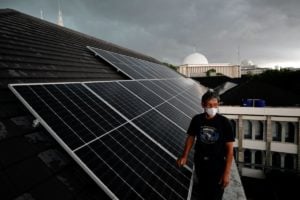
Such analyses are difficult if done in isolation, they have to be done on a country-by-country basis. Argentina is in a different situation to other countries as it has the world’s second largest shale gas reserves and pipeline infrastructure. We also have a unique potential in renewables, but developing this industry requires domestic capacities and not depending on other countries.
The countries that contributed most to the problem need to be held accountable and ensure that finance comes in a timely manner
Our economic constraints are also a factor, as in order to boost renewables we need to develop an electricity transmission network that allows us to exploit the potential. Public investment is not enough and we need to make it profitable for the private sector to come to Argentina, considering the current high interest rates.
It is often said that climate negotiations are successful when all parties leave the COP with only mild dissatisfaction. What will Argentina leave COP27 satisfied with?
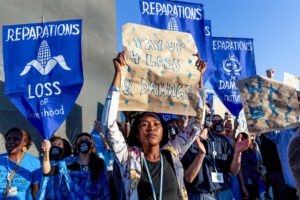
We have to set a new financing target for the post-2025 period after the unfulfilled commitment from 2009 of US$100 billion [in climate finance for developing countries]. At the same time, loss and damage must have a separate funding mechanism. It is the countries in Latin America and Africa that need it most. While we are not a significant country in terms of emissions, we are committed to climate action. But it is the countries that contributed the most to the problem that need to be held accountable and ensure that the finance comes in a timely manner.
The European Union recently introduced measures to curb the import of raw materials such as soy and meat that are linked to deforestation, something that is alluded to as a “discriminatory” trade measure in the CELAC document. Why is it discriminatory, considering the rates of deforestation in the region?
There is a lot of cynicism from the EU with this measure. We are committed to making our exports deforestation-free, but they should give us the time we need to adapt, as well as the financing, and as it stands, it is a para-tariff [a trade measure that has a tariff-like effect]. Especially when the EU continues to subsidise its own agricultural sector, which is inefficient and produces with more energy and water resources than we do. New rules are always set by the strongest, who have the capital and the means of financing.