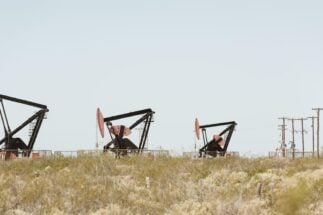
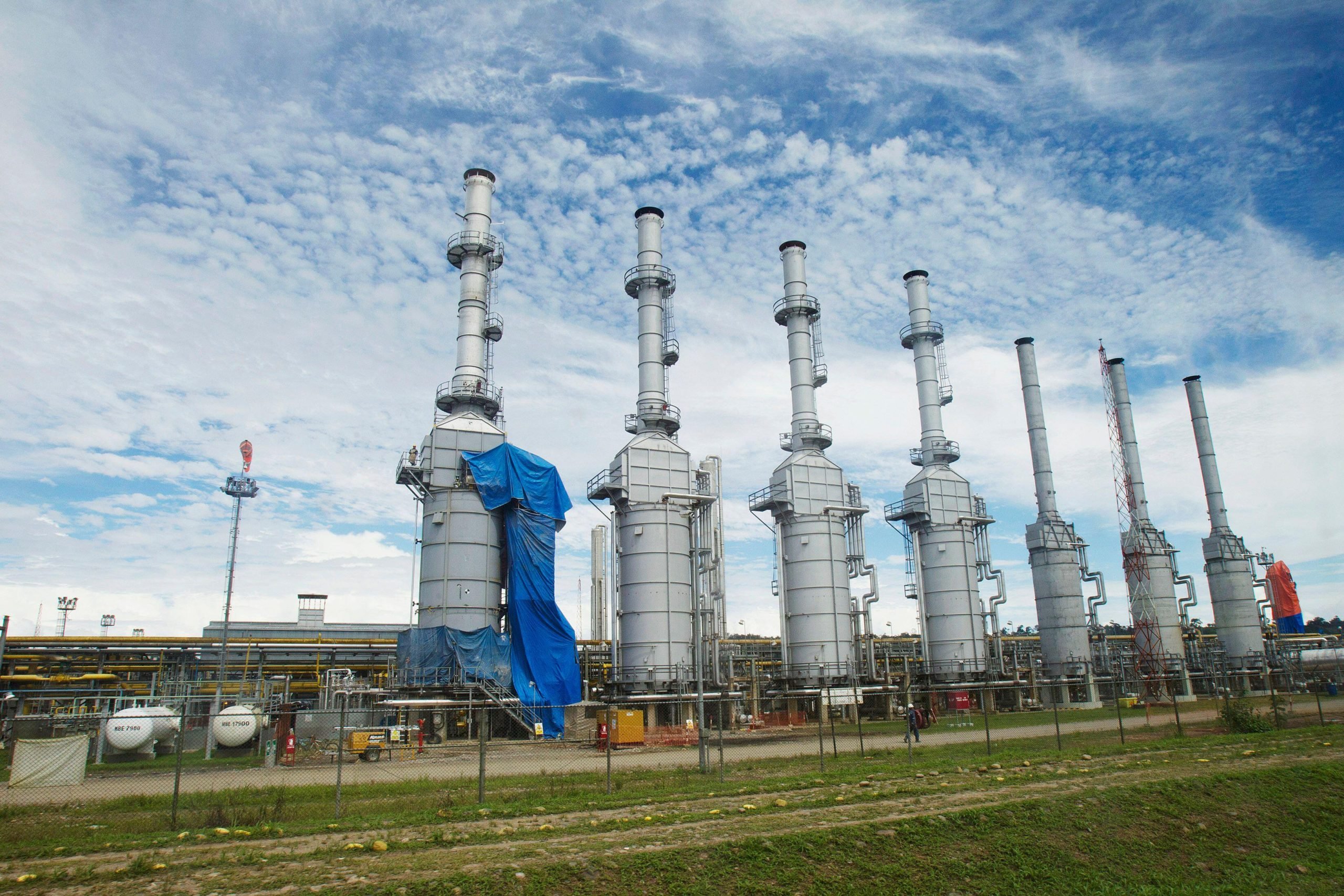
Between 2019 and 2020, Nancy Martínez lived near four gas burners on the outskirts of Poza Rica, a city in the state of Veracruz, about 270 kilometres from Mexico City.
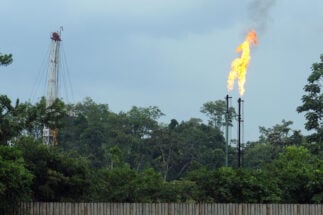
The burners are part of a plant processing the fluids extracted from nearby wells, separating them into gas, water and oil. One of the byproducts of this process is methane, a flammable gas that is burned off by flaring, since there is currently no widely available technology to capture it.
“They burned all day,” Martínez recalls. “The larger burner had a more intense flame at night, to the extent that you could feel the heat and you could hear the blowing. It smelled very bad, like rot, even if you covered your mouth and nose.”
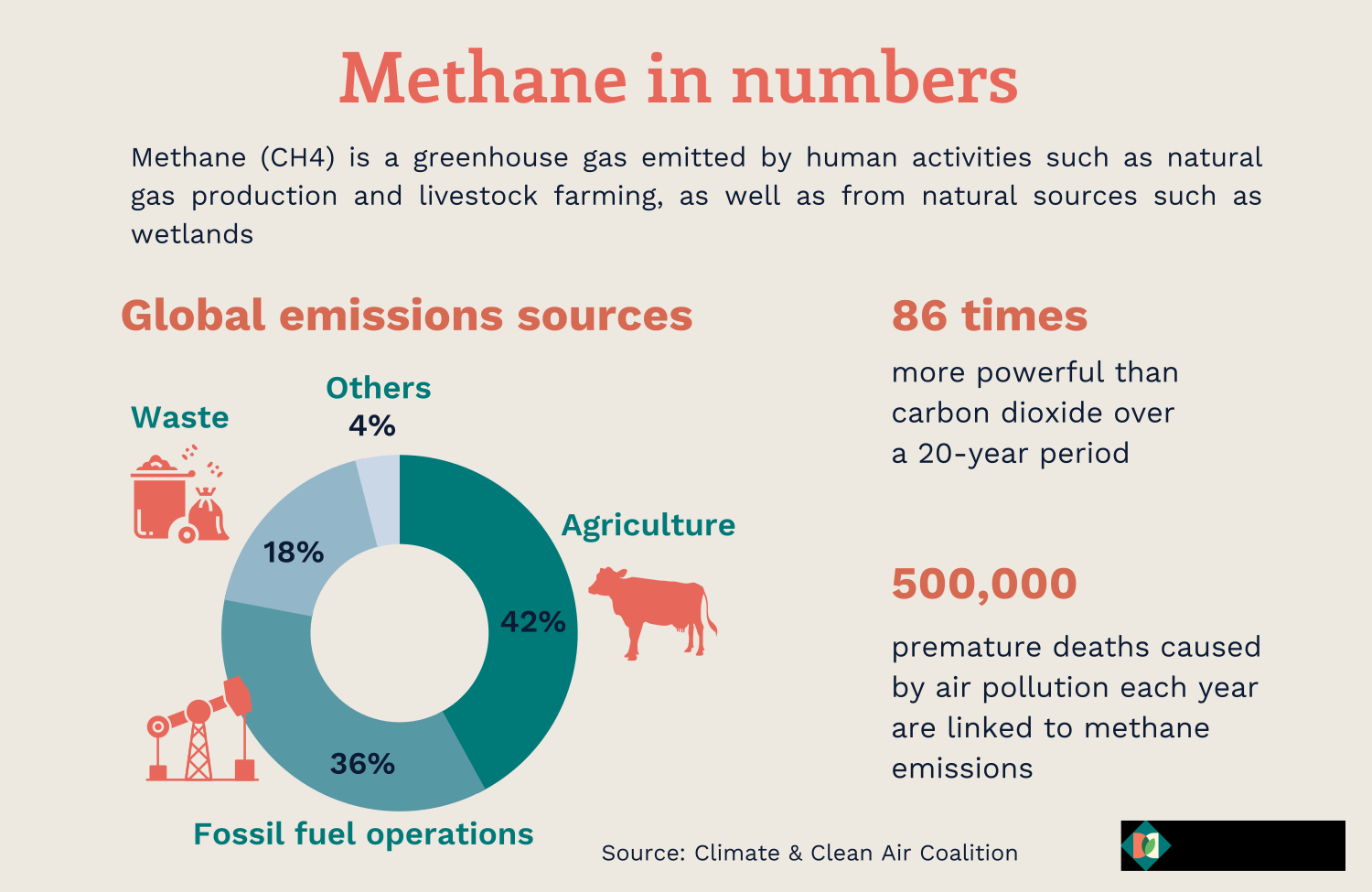
Methane is responsible for at least a quarter of current global warming, the UN Environment Programme says. The gas is as many as 86 times more potent at trapping heat than carbon dioxide over a period of 20 years, although it has a shorter lifespan in the atmosphere. Prominent methane sources include the use of hydrocarbon (fossil) fuels, livestock emissions and the decomposition of organic waste in landfills.
In Poza Rica, inhabited by 189,000 people and dozens of oil wells, methane resides in every corner. Across the wider nation, the gas poses threats to even more residents, to the environment and to Mexico’s international climate commitments. Despite a number of high-level pledges targeting reductions in methane emissions by 2030, including its nationally determined contribution (NDC) to the Paris Agreement and the recently signed Global Methane Pledge, Mexico has, however, remained among the world’s largest emitters of the gas – and it is lagging behind on working towards its targets.
A rough path forward
In 2020, Mexico emitted more than 1 million tonnes of methane, according to the International Energy Agency’s Methane Tracker Database, and is among the largest methane emitters in the world. But Mexico faces obstacles to limiting its output of the gas and meeting its goals.
Anaid Velasco, research coordinator for the Mexican Center for Environmental Law (CEMDA), an NGO, explains that there are several ways to reduce emissions: through technological means, legal instruments and regulations. But to effectively implement any of these approaches, it is first necessary to overcome current limitations – notably, delays in the application of the rules, and the clout of the hydrocarbon sector. In addition, ways of measuring and calculating methane emissions are currently seen as inadequate.
In the United States, the White House’s methane action plan, published in November, includes financial incentives to emitters to repair methane leaks. But in Mexico, no such incentives exist, and emissions may be worse than the official measurements indicate. Based on satellite and aerial data captured during 2018 and 2019, a team from the New York-based non-profit Environmental Defense Fund (EDF) concluded that the production of oil and gas in the country is likely to emit more methane than official accounts report, highlighting these inventories’ reliance on generic calculations not localised for Mexico.
The EDF also found that the Latin American country releases an estimated 4.7% of the methane it produces into the atmosphere, a leak rate higher than the 2.3% of the United States, and one described as “alarming” by one scientist involved in the study.
But high-level reduction pledges have arrived, if not yet the necessary actions. Since 2015, Mexico, which is among the 15 largest oil and gas producers in the world, has promised to reduce methane levels, without success. Its first NDC in 2014 committed to a 25% reduction in leaks, venting (controlled release) and flaring of the gas by 2030, compared to 2013 emissions, setting voluntary climate goals to comply with the Paris Agreement.
Then, in 2016, it made an agreement with Canada and the United States to reduce methane emissions from the oil and gas sector by 40–45% by 2025, compared to 2012 levels. This plan was stopped as Donald Trump assumed the US presidency in 2017, while Mexico did close to nothing to mitigate its emissions. Trump reversed several environmental policies, including the regulation of methane, while Mexico only moved to design the regulations.
Last November, the presidents of the three countries revived the pact during the North American Leaders’ Summit, and through which they committed to reducing pollution from all sectors, particularly gas and oil.
There was also added momentum from the COP26 climate summit, held earlier in November in Glasgow, when the Global Methane Pledge was launched, aiming to decrease emissions of the gas by 30% by 2030, compared to 2020 levels. But progress towards these commitments has been stunted.
Regulation lags behind
Public and private oil and gas producers were due to submit plans this month towards the government’s scheme for “prevention and comprehensive control of methane emissions”. However, as the deadline for their delivery approaches, the nation’s Security, Energy and Environment Agency (ASEA) – the state institution tasked with regulating the oil and gas industry – has not yet received them, according to a public access to information request made by Diálogo Chino. This is despite such plans being stipulated for producers in national regulations, including for the state-owned Petróleos Mexicanos (Pemex); Pemex and three of its subsidiaries have not yet submitted their strategies.
These programmes include the responsibility for companies to measure methane emissions and to take actions to prevent the escape of the gas in oil and gas infrastructure.
Approved in 2018, ASEA postponed the application of the regulation for 19 months in June 2020, under the pretext of the limitations caused by the Covid-19 pandemic.
Further delays cannot be allowed. The climate emergency and international commitments call on Mexico to be more serious in compliance.
Jonathan Banks, international director for methane at the Clean Air Task Force, an NGO based in Boston, says Mexico must enforce the regulation and enhance its reduction efforts. Ways of stopping leaks, combustion and venting “are not expensive, and are the cheapest way to reduce emissions,” he told Diálogo Chino. “Mexico has to allocate money to these measures. There are many benefits to reducing these emissions.”
The benefits will also be financial: according to EDF, combustion and venting may be leading to annual losses of some US$200 million, which could be avoided with increased investment in technology to trap methane and use it in industrial processes.
CEMDA’s Velasco calls for urgent action against methane. “Further delays cannot be allowed, especially in a context in which both the climate emergency and recently signed international commitments call on Mexico to be more responsible and more serious in compliance,” she says, adding that other measures will be needed for emissions reductions in other sectors.
As for Nancy Martínez, after experiencing methane-polluted air first-hand, she eventually decided to relocate to a different part of Poza Rica, away from the plant. Her health has improved, but many locals seem condemned to live between wells and pollution. Martínez is also calling for the urgent application of the regulation.
“It will be difficult to remove the wells, but the authorities can better regulate the companies,” she said.