South Asia is home to nearly a quarter of the world’s population, and to some of the countries most vulnerable to the impacts of climate change. With just over a month to go until COP26, the next round of global climate talks under the United Nations Framework Convention on Climate Change (UNFCCC), South Asian nations are preparing to make the case for putting their development needs at the centre of their carbon-reduction pathways.
The 26th Conference of Parties, known as COP26, which will run from 31 October to 12 November in Glasgow, the UK, is considered the most important meeting in global climate diplomacy since 2015, when the Paris Agreement was thrashed out by the 197 members of the UNFCCC. In Paris, countries vowed to keep global warming well below 2 degrees Celsius compared to pre-industrial levels and with the aspirational target of keeping warming within 1.5C, through a series of individual emission-reduction pledges known as Nationally Determined Contributions, or NDCs.
On the agenda at COP26
Five years down the line, countries were scheduled to return to the forum and finalise a rulebook on how to implement the Paris Agreement. Some industrialised countries and civil society groups also hoped that all countries would submit more ambitious NDCs. The UNFCCC secretariat pushed for this by asking all countries to update their NDCs.
None of this happened in 2020 due to the Covid-19 crisis, which led the UN to postpone the meeting, and negotiations are resuming this year with the same agenda. Nations will need to reach consensus on how to measure and potentially trade their carbon-reduction achievements, a sticking point that prevented them from finalising the rulebook in previous years. They will also need to ratchet up their national pledges for a chance to keep global warming within 1.5C.
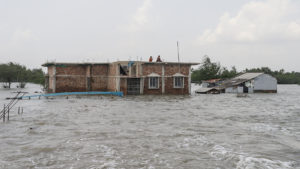
Current pledges combined put the world on track for 2.7C degrees of warming, which would lead to a slew of irreversible environmental changes and extreme weather events such as floods, heatwaves, cyclones, abnormal rains and more. According to the Intergovernmental Panel on Climate Change (IPCC), the UN scientific body on climate change, the world is currently well on track to reach 1.5C of warming by 2040, and South Asian economies are among the vast majority of countries that are not doing enough to improve on this.
Where South Asia stands before COP26
India’s climate pledges involve a reduction in the carbon intensity of its GDP, meaning that emissions are expected to grow together with the country’s economy, albeit at a slower pace. The country’s pledges and carbon-reduction policies have recently been deemed ‘highly insufficient’ by the thinktank Climate Action Tracker, which analyses countries’ climate pledges against the global 1.5C goal.
Bangladesh and Pakistan have promised significant reductions in their carbon emissions, but both countries continue to invest in and rely on fossil fuel infrastructure, particularly coal and gas. Bangladesh has said it can reduce emissions a lot more if it gets money from rich nations to do so.
“All countries have already agreed to prevent runaway climate change,” says economist Ulka Kelkar, who is director of the climate programme at the thinktank World Resources Institute in India. “What we need at [this year’s] COP is action plans to rapidly cut greenhouse emissions and finance to adapt to climatic hazards.”
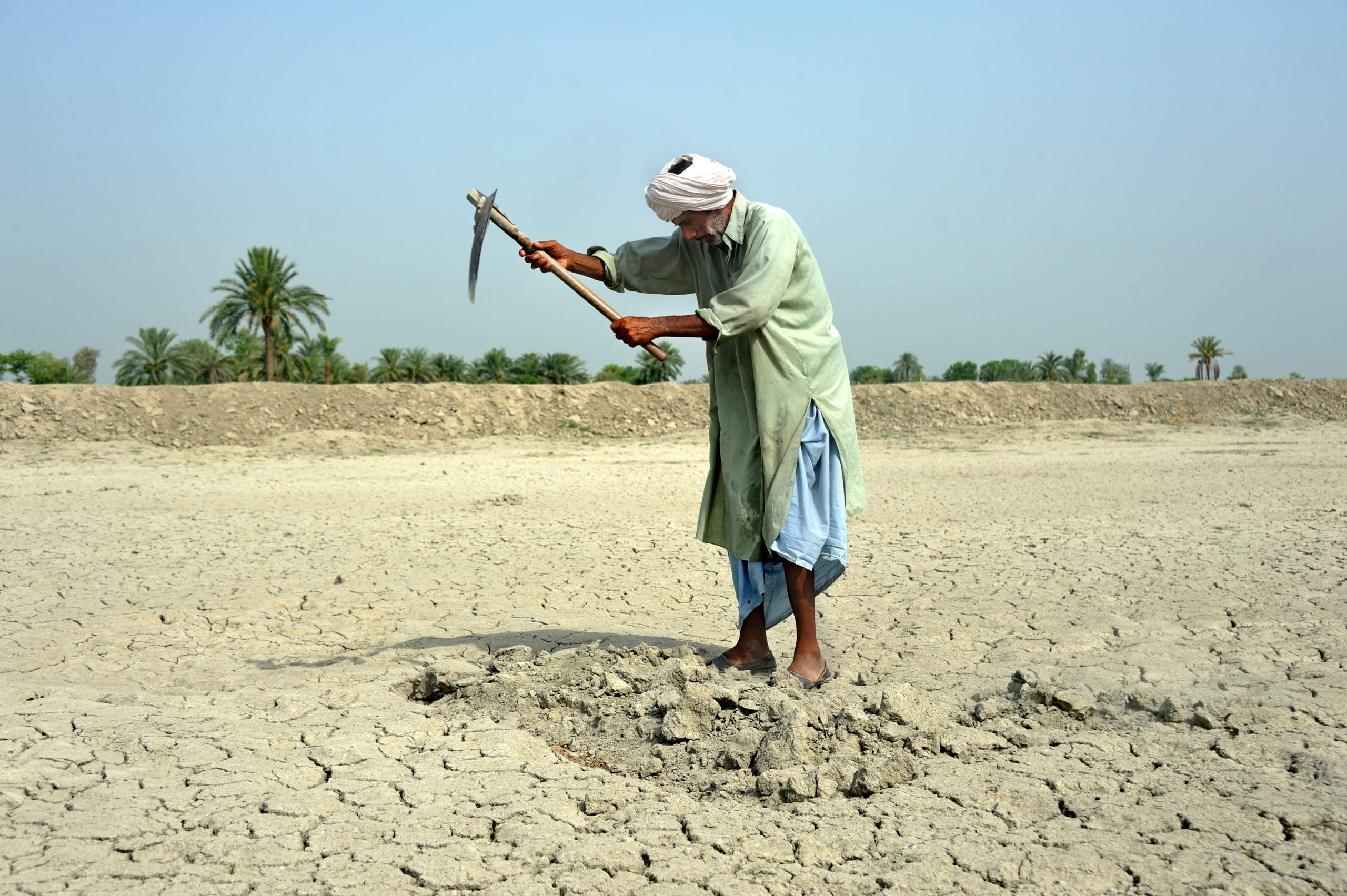
According to a note circulated by the COP26 presidency, the meeting’s priorities will include a push towards raising USD 100 billion per year in climate finance to help developing nations decarbonise and adapt to climate change, a goal that is still a distant prospect nearly two years after its deadline. Parties will also be expected to address the gap between their NDC plans and the 1.5C goal, the note says, encouraging all countries to develop strategies “pointing the way to net-zero”.
The net-zero debate
In South Asia, India has been under the spotlight as the world’s potential next biggest polluter in the second half of this century, if China and the US reduce their carbon emissions as they have promised. International partners have been putting pressure on the Modi administration to set a 2050 deadline for India’s emissions to reach ‘net-zero’, meaning it is able to absorb all the emissions it produces. As COP26 approaches, observers are waiting for the country to take a stand on this expectation, following other major economies such as China, Japan, South Korea, France and the UK.
However, Kelkar says, the example set by rich countries is not enough to inspire confidence among developing nations. While net-zero targets address a distant future, she says, “what we need is immediate and tangible emission cuts over the next few years”. At this year’s COP, she says, “we need to meet the long-overdue climate finance target of USD 100 billion per year, [and] we need to close years of pending negotiations on international carbon trading”.
Reaching net zero is absolutely critical. But it can’t be by 2050 for all countries.Vaibhav Chaturvedi, economist with the Council on Energy, Environment and Water
Reaching net-zero is “absolutely critical for all countries, including India and its South Asian counterparts”, says Vaibhav Chaturvedi, an economist at the thinktank Council on Energy, Environment and Water (CEEW), who specialises in the study of low-carbon pathways. “But it can’t be by 2050 for all the countries. Countries should be given time to choose a net-zero year depending on their national circumstances.” Negotiators from South Asia, he says, “have to ensure that they push for equity in the net-zero debate, along with enhanced financial flows to aid climate mitigation and adaptation to this part of the world”.
The Indian government has not yet finalised its COP26 strategy, but recent speeches by environment minister Bhupender Yadav have focused on the need for industrialised countries to cut their own emissions, and to do so in this decade instead of setting a distant mid-century goal.
What can South Asia bring to the table at COP26?
While a net-zero commitment by mid-century may be unfeasible for countries in South Asia, Bangladesh and Nepal have submitted updates to their climate pledges prior to COP26, increasing their mitigation efforts in line with the principles of the Paris Agreement. India is yet to decide whether it will come forward with a fresh set of promises at COP26, but so far lawmakers have made it clear that they won’t raise climate ambitions under pressure from developed countries. The country, they point out, already has some of the most ambitious clean energy goals, with 450GW of clean energy capacity to be installed by 2030.
Despite its renewable targets, 80% of India’s energy needs are currently met by fossil fuels, particularly coal, a figure that will likely face scrutiny in Glasgow. “It’s important to understand the risks [of certain energy policy choices] as much as the opportunities,” says Christopher Beaton, who leads the Sustainable Energy Consumption programme at the International Institute for Sustainable Development (IISD). “I think that it’s less about trying to force countries to commit to stop building coal, and more about assessing the risks that come with it.”
In the case of India, Beaton says, there’s already an oversupply of coal power capacity, which means many of these assets will eventually become stranded. Holding on to too much coal also means that adding a lot of new renewable energy capacity may not necessarily help decarbonise the economy.
“Committing to shifting public financial flows away from fossil fuels and towards clean energy is a proposition that almost every country can back,” he says. “It’s something that will definitely support a lot of the bigger picture ambitions that will be key at the COP26 table, also increasing the pace of change.”