“We are the guardians of the planet for the healing of the earth.” With this motto, Indigenous women are reaffirming their essential role in the global climate agenda and articulating a unified message to take to COP30, the United Nations climate conference taking place in Belém, Brazil, this November.
The statement was released during the National March of Indigenous Women, held in Brasília in early August, and seeks to draw attention to the disproportionate effects of extreme weather on women and girls, especially those of Indigenous origin.
As guardians of biodiversity who are also responsible for caring for their families, communities and territories, women are the first to feel the impacts, which range from food insecurity and economic hardship to increased violence and work overload.
“Women are always more affected by climate change,” Dalí Angel, project coordinator for the Fund for the Development of Indigenous Peoples in Latin America and the Caribbean (Filac), told Dialogue Earth.
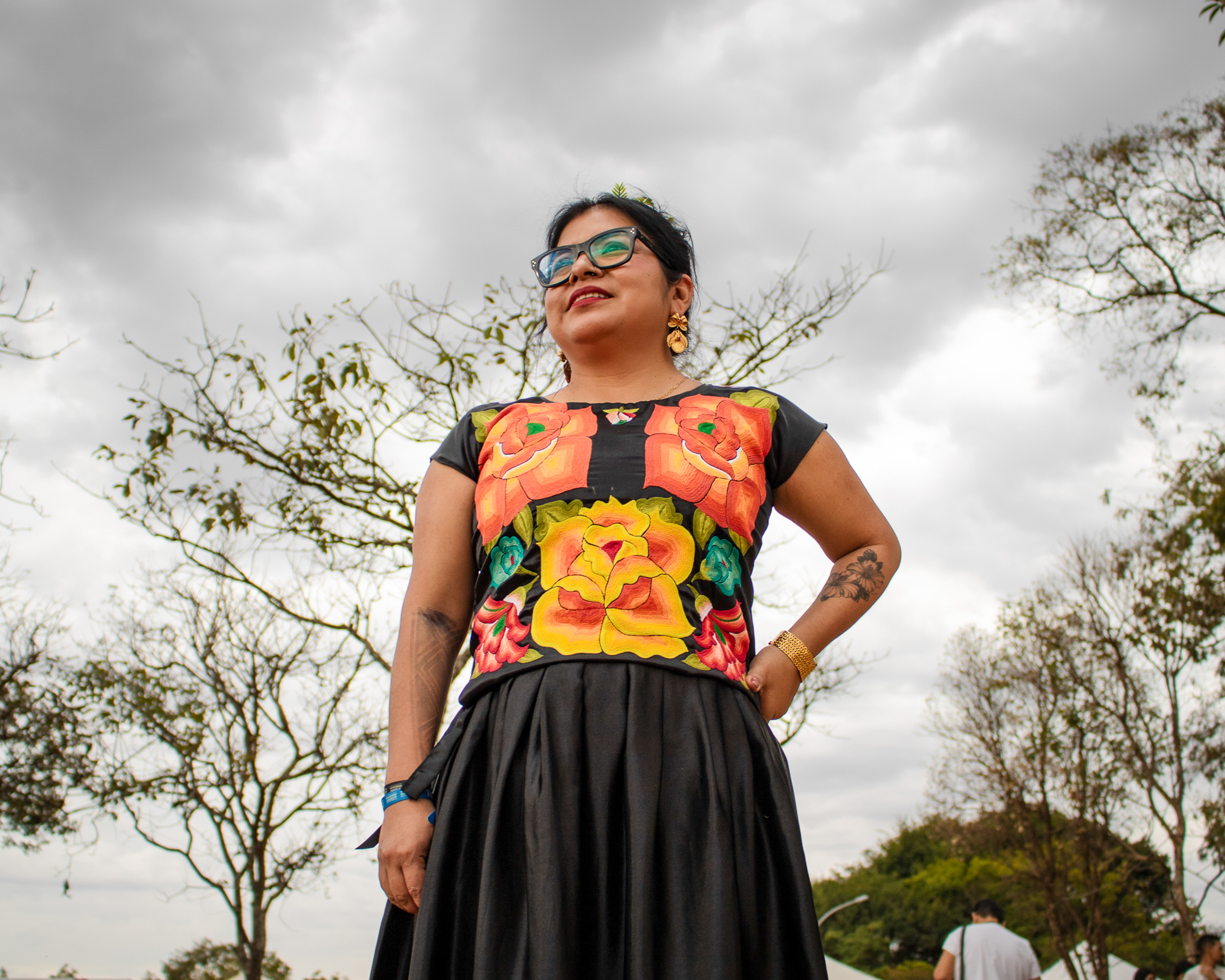
Nayra Kaxuyana, international advisor to Brazil’s Ministry of Indigenous Peoples, added that one of the main demands that women bring to the federal agency is for support in building seed houses: “Many of the seeds we have today in the territories are no longer adapted to the climate,” she told Dialogue Earth.
The United Nations has highlighted that Indigenous women, by preserving seeds, protecting pollinators, fertilising soil with organic methods, and helping to keep forests intact, are at the forefront of environmental conservation. For this reason, the agency recognises that their participation in decision-making is crucial for recovery and adaptation in the face of climate extremes.
“We are the ones who think about the process of resilience within the territories,” said Alana Manchineri, international advisor to the Coordination of Indigenous Organizations of the Brazilian Amazon (Coiab). “We are the ones who know all the medicinal plants, who pass on our knowledge to our children and who forge new leaders.”
Record-breaking Indigenous delegation
Taking place in the Amazon, COP30 aims to bring together the largest Indigenous delegation in history. According to Brazil’s minister for Indigenous peoples, Sonia Guajajara, the goal is to secure accreditation for at least 1,000 Indigenous people in the Blue Zone, the official space where negotiations between governments and international delegations take place. To date, according to Guajajara, the largest participations were recorded at COP21 in Paris and COP28 in Dubai, which each had around 350 Indigenous representatives from across the world.
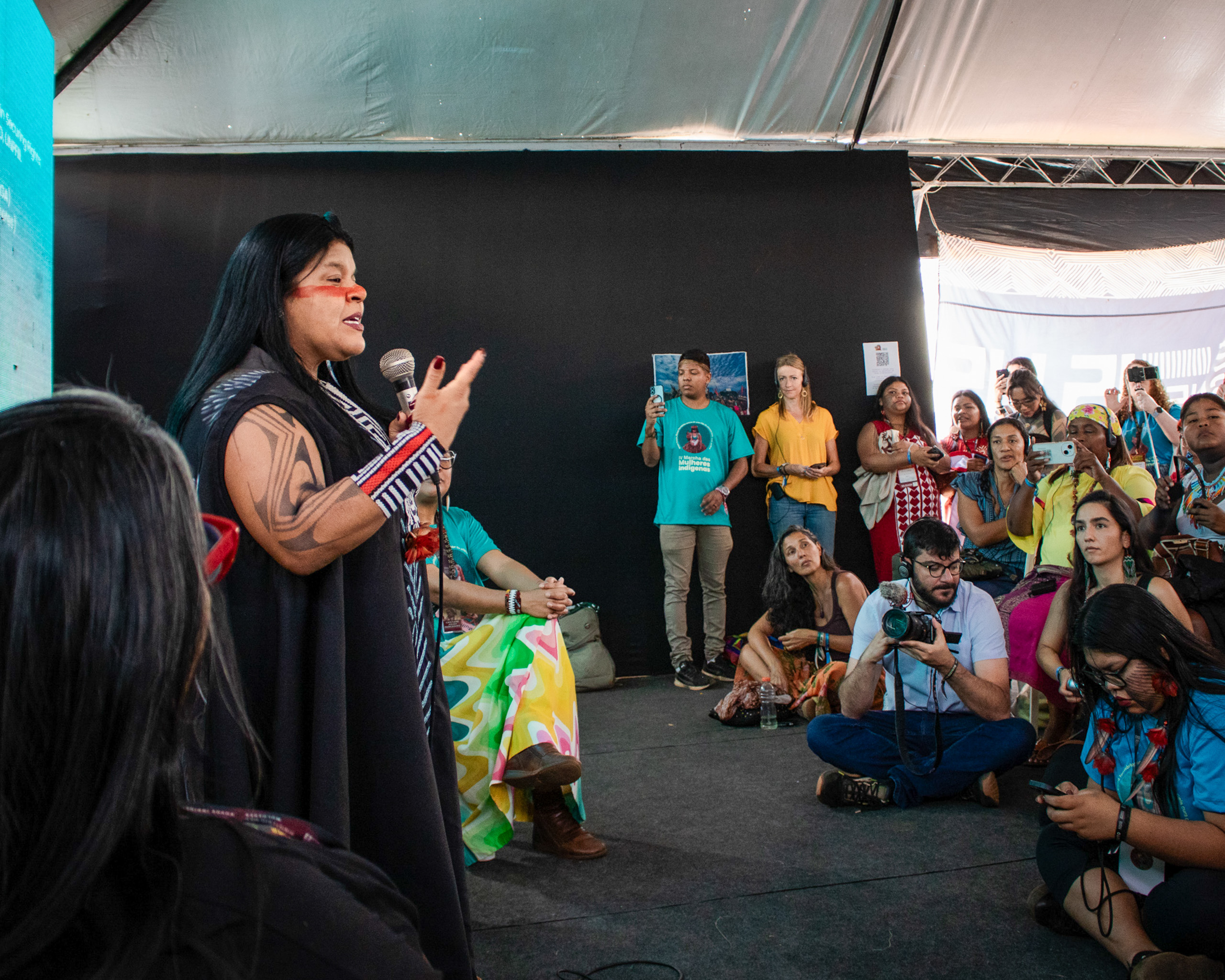
In recent months, the COP30 presidency has announced initiatives to strengthen the participation at the event of traditional peoples, a category that in Brazil includes Indigenous communities and others, including quilombola people. These include the Indigenous Peoples’ Circle, an official forum for dialogue with leaders; the COP Village, a camp that is expected to receive 3,000 Indigenous people in Belém; and training aimed primarily at women from traditional communities and organisations so that they can participate in international discussions.
However, for Indigenous women, getting to Belém will only be the first step. Filac’s Angel explains that “even when women manage to get to where the conference is being held, it is the men [Indigenous as well as non-Indigenous] who are able to access the Blue Zone”.
According to Angel, it is therefore essential to ensure the accreditation of Indigenous women, as well as Indigenous men. But the process, she says, is demanding and time-consuming. For this reason, the alternative has been to register them as guests of partner organisations.
“They are deciding our future behind closed doors, where our voice is not included,” added Nansendália Ramirez, a Mexican member of the Global Alliance of Territorial Communities, speaking at the first National Conference of Indigenous Women, which took place alongside the march in Brasília.
Indigenous diplomacy with voices of women
For about a year, representatives of Indigenous people from across Latin America and the Caribbean have been organising to arrive at COP30 in a stronger position.
This movement gained momentum after Brazil’s nationally determined contribution (NDC) to the Paris Agreement – the climate action plan every UN member state must submit every five years – presented at the end of 2024 was widely regarded as insufficient. “When we had access to the text and realised that Indigenous peoples are rarely mentioned, we thought: this is wrong,” said Coiab’s Manchineri.
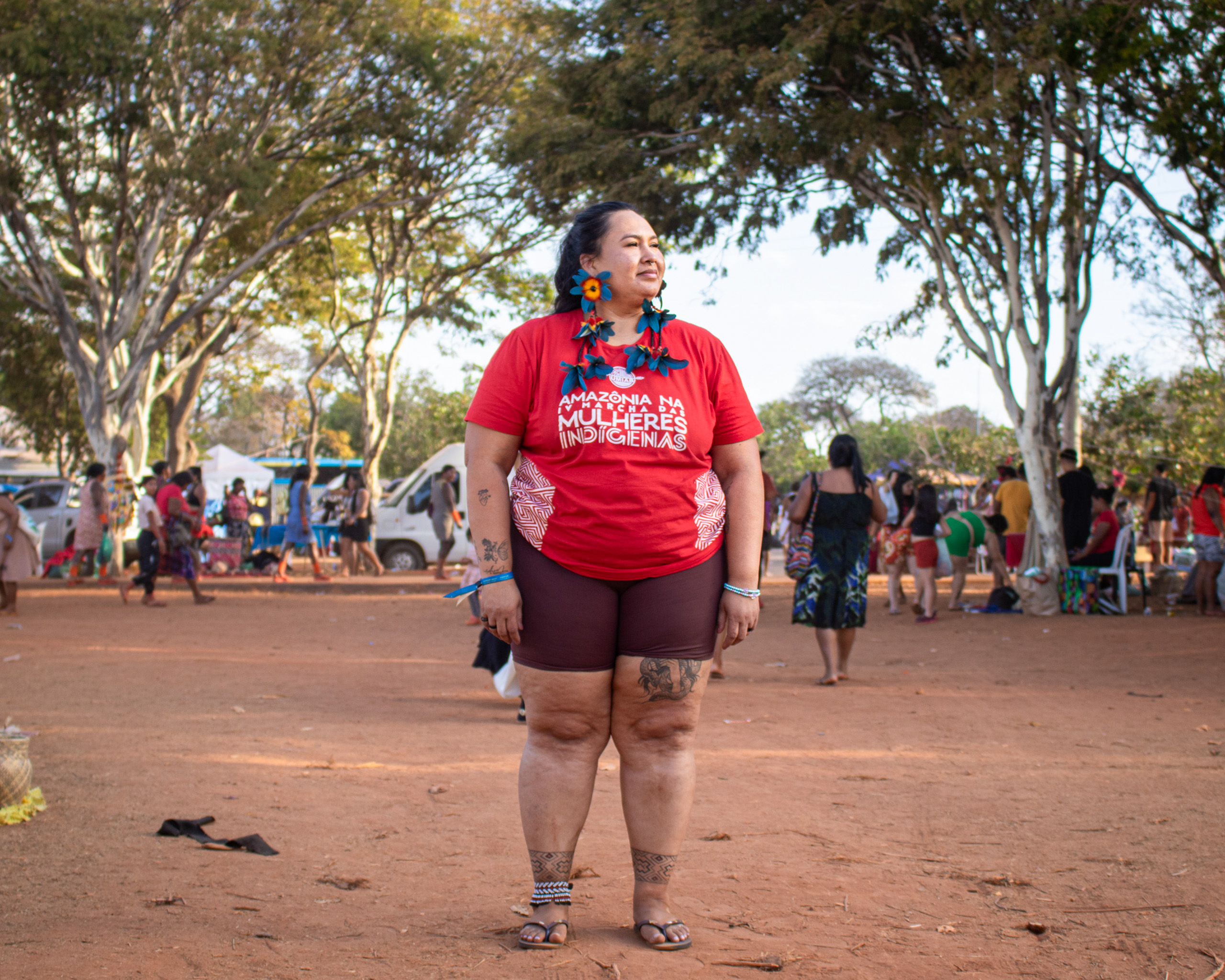
In response, the Brazilian Indigenous movement presented its own NDC, with specific proposals and demands. Although unofficial and national in scope, the document reflects common agendas of Indigenous peoples around the world.
Two demands stand out: that states recognise the Indigenous contribution to mitigating the climate crisis, including the demarcation of territories in their NDCs; and that Indigenous organisations have direct access to climate resources – of which they currently receive only 1% – without relying on intermediaries.
“We are denied this access on the grounds that we lack technical capacity and human resources,” said Angel.
You cannot talk about health, food sovereignty or quality of life without talking about territoryDalí Angel, project coordinator for the Fund for the Development of Indigenous Peoples in Latin America and the Caribbean
For her, the setbacks in the rights of women, children and Indigenous people make it even more urgent to arrive in Belém with a solid and unified agenda. This mobilisation, she added, goes beyond Latin America and the Caribbean and has reached other sociocultural regions where women Indigenous leaders are now articulating their own agendas.
“The challenge is to come together to build a common agenda for all of us,” she said. This coordination has materialised in different spaces. At the COP16 biodiversity conference in Colombia last year, the Indigenous Amazon G9 was created, a coalition of organisations from the nine Amazon countries. Then in April, at the Free Land Camp, a gathering that brought together 6,000 Indigenous people in Brasília, representatives from the Amazon, the Pacific Islands and Australia issued a joint statement on COP30.
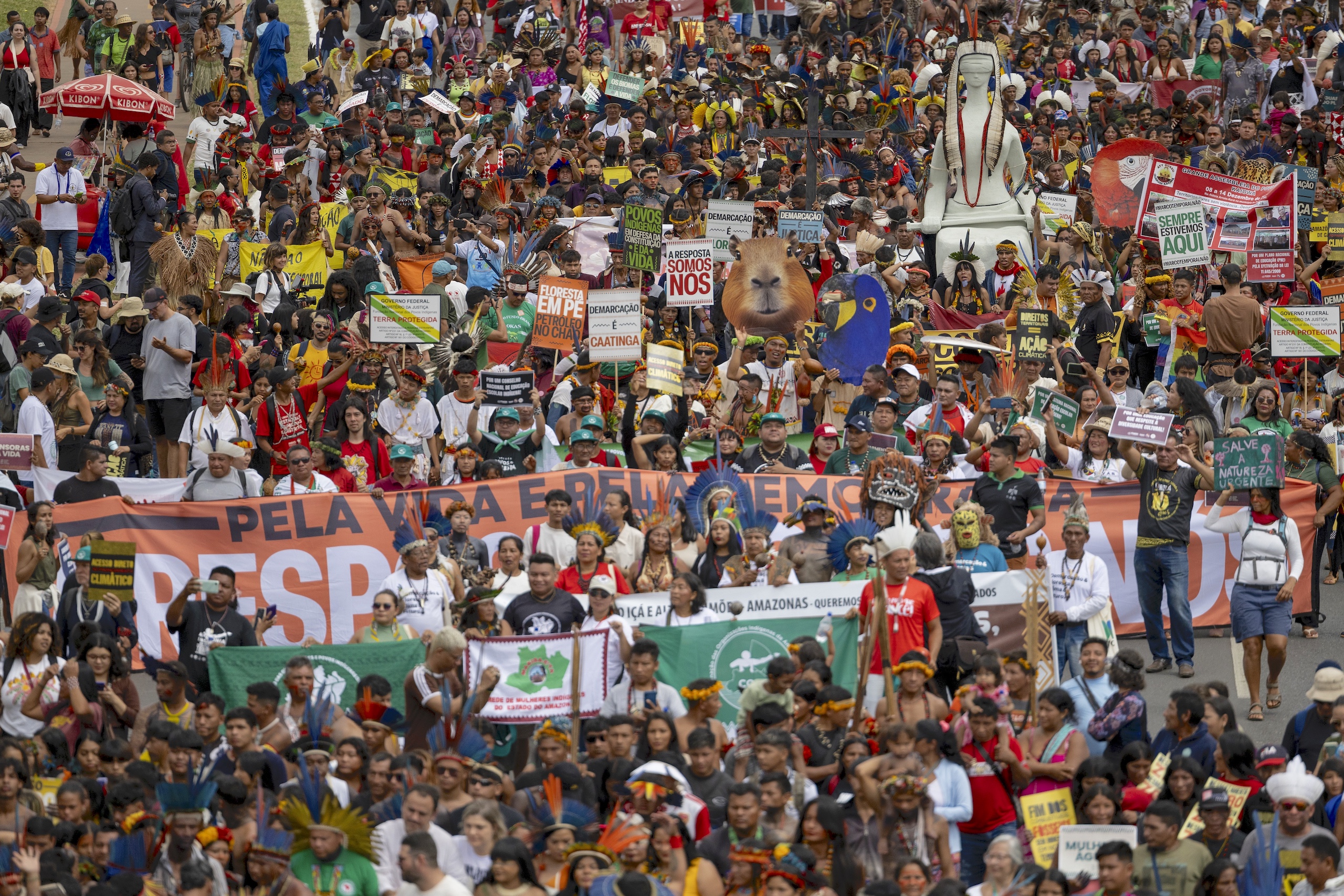
Similarly, the Indigenous women’s conference in August ended with the Charter for Life and for Territories, which calls for funds for territorial management and tackling the climate crisis, with women at the forefront.
The text also reinforces the centrality of land in the Indigenous struggle: “Our bodies are territory. Our territory is sacred. We will remain organised, mobilised and fighting for justice, wellbeing and the continuity of life on the planet.”
For Indigenous women, every debate begins with territory. “You cannot talk about health, food sovereignty or quality of life without talking about territory,” said Angel.
Manchineri added: “For us, it is very clear: when our territories are violated, so are all our other rights.” During the August conference, leaders denounced the worsening violence in their lands, linked to the lack of demarcation and the expansion of exploratory ventures. Manchineri pointed out that increases in illegal mining activity in Brazil mainly affect women.
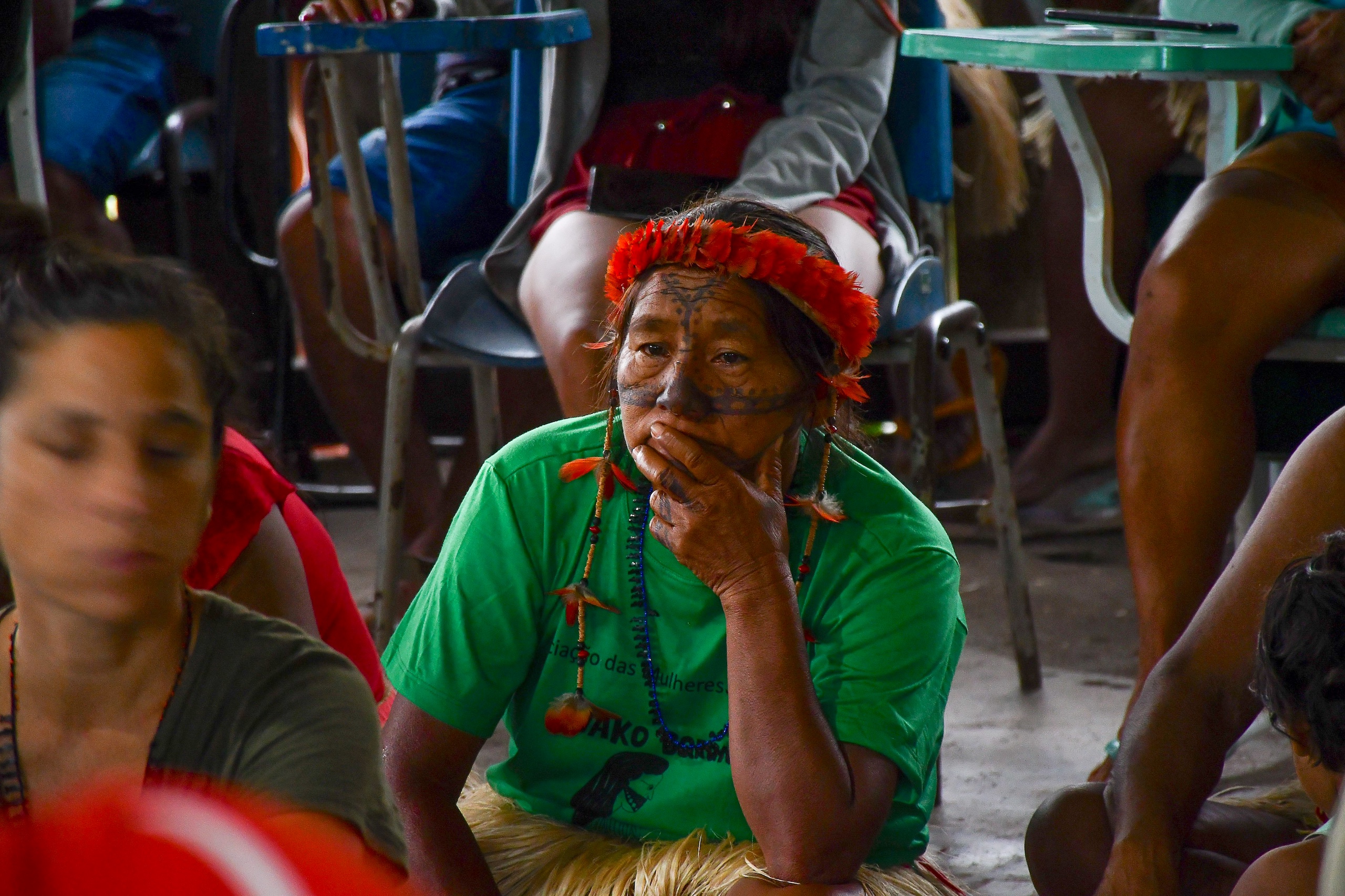
“We have a high rate of pregnant women with high levels of mercury,” she said. “Often, they cannot even breastfeed their children because mercury is present in breast milk.”
Studies conducted by health research institute Fiocruz in Pará, the northern Brazilian state where Belém is located, have confirmed this: pregnant women and children living along the Tapajós River basin and Indigenous people in the Munduruku territory recorded mercury levels above World Health Organization limits as a result of mining activity.
From the village to the COP – and back to the village
Faced with countless obstacles, Indigenous women have mobilised to increase their presence and ensure their voices are heard in formal negotiations at COP30. “For women who are mothers, we have sought support so that their partners can accompany them to take care of the children while they participate in the events,” said Manchineri.
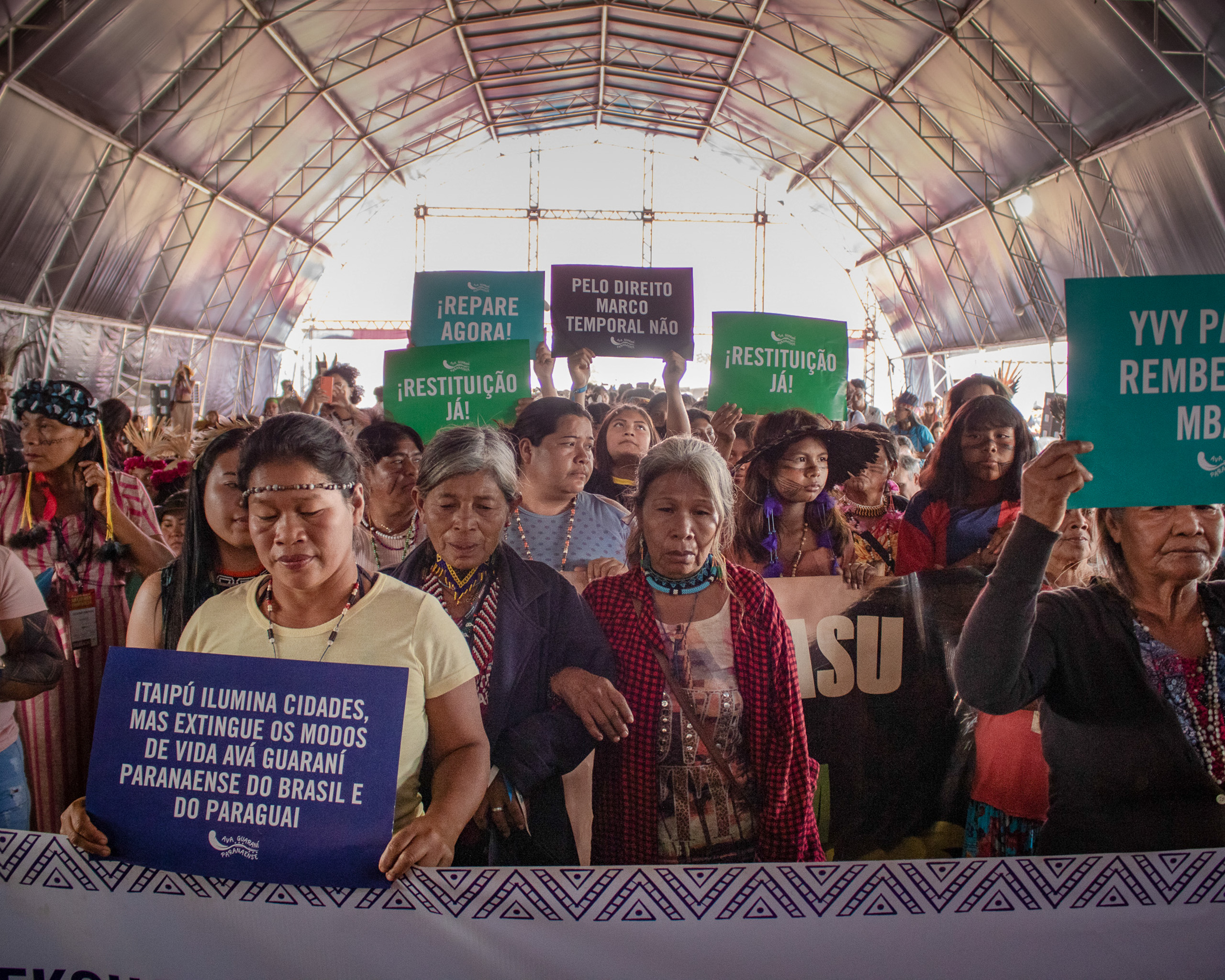
“We have to fight against the entire patriarchal system and even against the discrimination that exists within our territories,” added Ramirez.
Manchineri explained that their strategy is twofold: to bring what is discussed in the territories to the international table and then, on their return, to present the decisions and progress made in an accessible way.
To support this strategy, leaders have organised their own workshops and preparatory meetings – the pre-COPs – in addition to the training provided by the COP presidency. The idea is to help build knowledge within the communities about what the conferences are and how they work, and ultimately build a common agenda.
“We need to arrive empowered, with tools that allow us to have a greater impact in the negotiation spaces,” said Angel.