COP27 is the 27th meeting of the Conference of the Parties to the UN Framework Convention on Climate Change (UNFCCC). This annual meeting brings together the 198 members of the convention to take concerted action on climate change.
At the meeting, country representatives discuss issues such as climate change mitigation (the reduction of greenhouse gas emissions that cause the planet to warm), adaptation to the environmental impacts caused by climate change, and financing to support developing countries in their efforts to move away from fossil fuels and become more resilient to the impacts of climate change.
The first UN climate talks were held in Berlin, Germany, in 1995. At the historic COP21 meeting, held in 2015, countries approved the Paris Agreement. This was a landmark deal under which each country was to submit its own pledges on emissions reductions and adaptation measures, in a collective effort to keep global warming “well below 2 degrees Celsius” compared with pre-industrial levels. They also set the aspirational target of keeping warming within 1.5C.
When and where will COP27 be held?
Why is COP27 important?
What happened at COP26?
What does COP27 mean for South Asia?
When and where will COP27 be held?
Egypt is hosting the 27th Conference of the Parties in Sharm el-Sheikh from 6 to 18 November 2022.
Why is COP27 important?
COP27 is a make-or-break moment for global action on climate change. The world is not on track to keep warming within 1.5C, and events of the past year have made the path to success even more difficult.
The continuing economic effects of Covid-19 and Russia’s invasion of Ukraine, along with mounting impacts of climate change in the form of various disasters, have created huge stumbling blocks for decarbonisation and international cooperation on climate. As it stands, the Paris Agreement is teetering on the brink of irrelevance. A successful COP27 – which will include delivering on support for developing countries to deal with loss and damage caused by climate change – is essential to keep international cooperation on climate alive.
What happened at COP26?
The 26th Conference of the Parties took place in Glasgow, Scotland, last year, and ended with countries reaching the Glasgow Climate Pact. This included a commitment to “phase down” unabated coal power and to phase out inefficient fossil fuel subsidies. The Paris rulebook was also finalised at COP26, paving the way for trading carbon emissions under what is known as Article 6.
One of the major disappointments for developing countries at COP26 was the lack of progress on a finance facility that would expedite financial assistance from developed countries to fight permanent and irreversible damage caused by climate change. While the Glasgow Climate Pact recognised the need to address this loss and damage, the conference ended without a concrete measure in place for a process that would deliver financial support.
What does COP27 mean for South Asia?
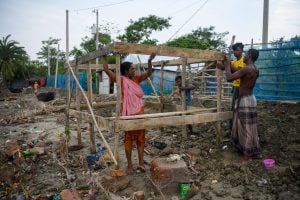
South Asian countries are among the most at risk from climate change impacts such as droughts, abnormally powerful cyclones and other disasters, erratic monsoons and altered water cycles in ecologically fragile regions such as the Himalayas. South Asia is one of the regions likely to be most impacted by climate change-induced migration and displacement.
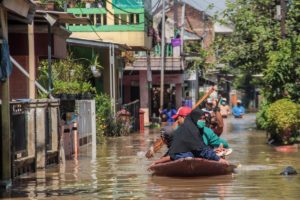
A 2021 study on extreme weather events found that India was the seventh most impacted country in the world. The impacts of climate change are only getting more severe and more frequent. In 2022 alone, multiple extreme events have hit South Asia. Catastrophic floods in Pakistan have affected at least 33 million people and caused damage worth at least USD 10 billion. Earlier this year, massive floods displaced and destroyed the livelihoods of hundreds of thousands of people in northeast India and Bangladesh.
Limiting global warming is a matter of life and death for communities struggling to cope with weather extremes, and who lack the economic resources to adapt. Like most of the developing world, South Asian nations rely on financial support from their richer counterparts to enhance mitigation and adaptation, and meet their pledges under the Paris Agreement.
In September this year, India’s Union Environment Minister Bhupendra Yadav announced that loss and damage due to climate change will be a major discussion point this year at COP27 in Egypt. Pakistan has also stressed that loss and damage should be on the formal agenda at this year’s climate talks. At COP27, developed countries will be under pressure from vulnerable nations to prioritise support for loss and damage during the negotiations.