The global race to scale up clean energy has brought increasing international attention to the role of minerals, which have become strategically and geopolitically important thanks to their essential role in batteries, electric vehicles, wind turbines and solar panels.
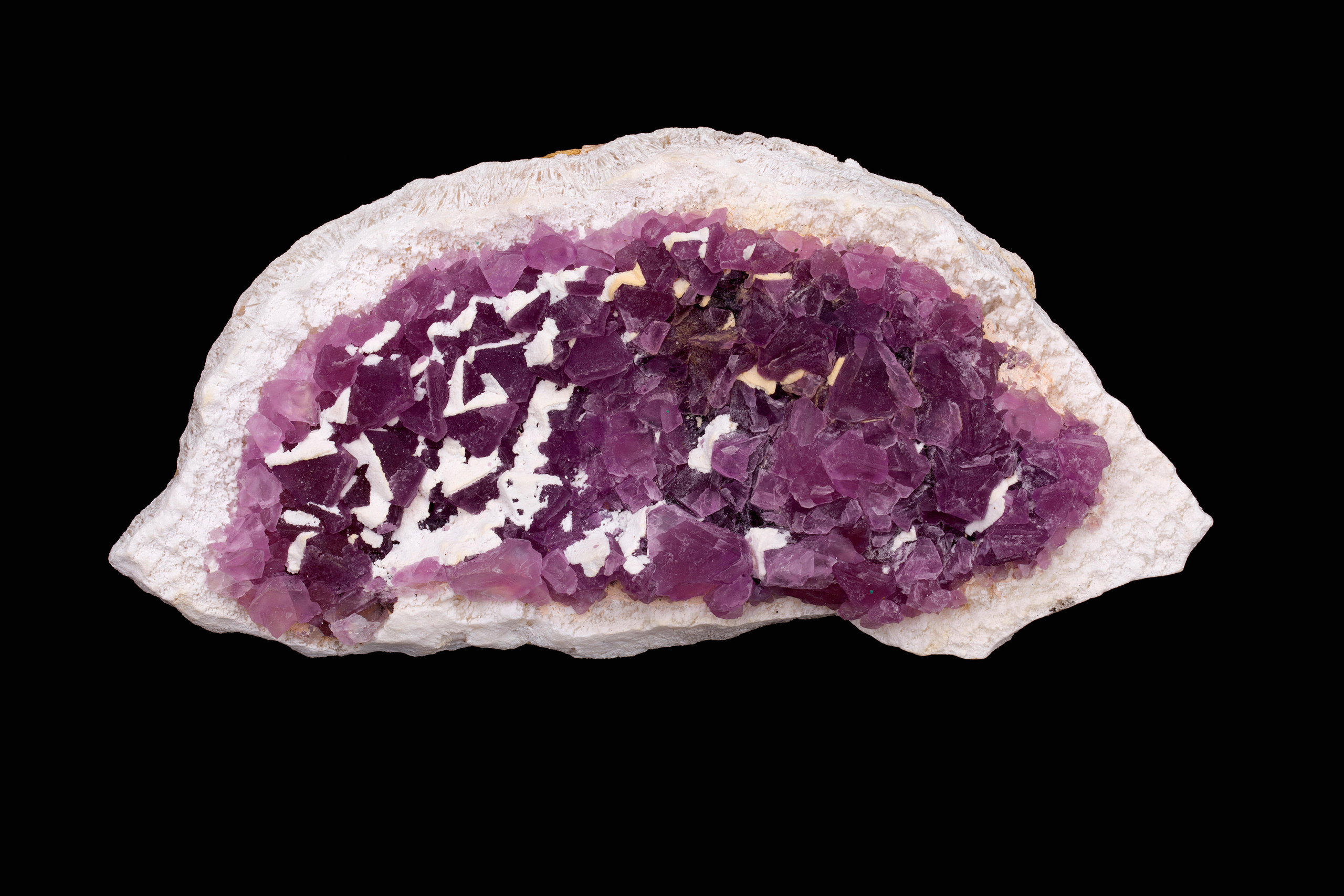
Compared to lithium, nickel and copper, fluorite has received relatively little media coverage. But this crystalline mineral is essential to energy transitions, as a key source of chemicals used in various green technologies. For example, the production of an electric vehicle battery can require up to 10 times more fluorite than lithium, while fluorite-based chemicals are used to coat solar panels, providing protection from extreme temperatures and corrosion, while also insulating their circuits and improving efficiency.
In 2023, the European Union included fluorite, also known commercially as fluorspar, in its list of 34 critical raw materials, while the United States has deemed it a priority mineral since 2022. Together with China and other global powers, their companies and manufacturers are competing to secure supplies.
Mexico is currently the world’s second-largest producer of fluorite, behind only China, which accounts for more than half of the global supply, according to the US Geological Survey.
In 2024, global fluorite production reached 9.5 million tonnes, of which Mexico contributed 1.51 million tonnes – a record high for the country. Nearly half of this production is exported as raw material, mostly to the US and the EU.
But despite fluorite’s importance in the global market, and its wide applications beyond just clean tech, studies have highlighted how Mexico lacks policies for its mining sector that ensure extraction is not harmful to the environment or surrounding populations. Fluorite is extracted in open-pit mines, crushed, and chemically processed to concentrate and refine it, activities that can alter landscapes and generate significant environmental impacts.
For Beatriz Olivera, a development researcher and director of Engenera, an energy, mining and environment NGO, Mexico must set out clear and comprehensive regulations. “The first step would be to unravel the mess of the mining law in the Supreme Court,” she says, referring to the 2023 reform of the country’s mining law.
This reform sought to regulate the sector and protect the environment by prohibiting mining activities in protected natural areas, prioritising water for human consumption, and mandating that wastes not harm populations, ecosystems or productive areas. However, Olivera spoke of a lack of enforcement and clear guidelines for its implementation in the years since, and a lack of political will to apply it, amid legal challenges.
“The law was passed in 2023, but a group of opposition representatives filed an appeal to stop it,” Olivera says. The appeal failed, but Olivera adds that there are as yet no plans around implementing the new law, and that the industry is still resisting changes.
Fluorite mining’s impacts and risks
Mexico has three notable fluorite mines, located in the northern states of San Luis Potosí, Durango, and Coahuila. The Las Cuevas mine in San Luis Potosí is the largest in the world, and has been active since the 1950s. It is owned by Fluorita de México, a subsidiary of Koura, itself a subsidiary of the Mexican multinational Orbia Advance Corporation (formerly Mexichem).
The environmental impacts linked to fluorite mining include various forms of pollution, the transformation of landscapes due to open-pit mining, and vast areas being dedicated to tailings dams for mining waste. The Mexican Water Institute has warned of the possibility of waste spills, posing a risk to ecosystems and human health.
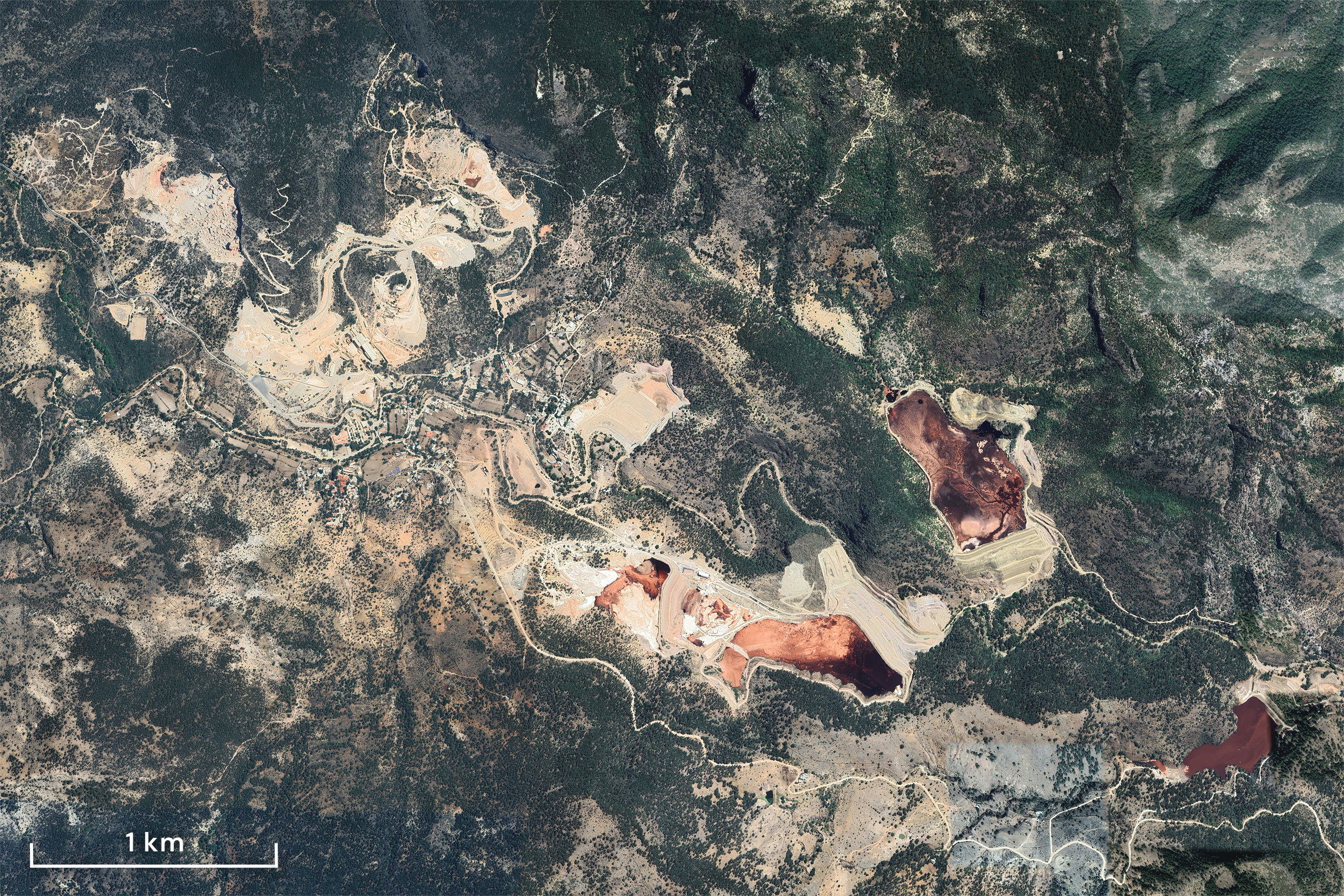
The Las Cuevas mining complex houses seven tailings dams with a capacity of more than 2.1 million tonnes of waste: four are inactive and three are active, all of which are vulnerable to spills, and which some investigations have linked to hazardous pollution of surrounding ecosystems.
“Mining has contaminated water and soil,” says Matheus Gigante, a doctor in chemistry and environmental technology from the Autonomous University of Nuevo León. “If [this] water is used for irrigation, it increases the concentration of fluoride [in the soil] and can mobilise other contaminants.”
Intake of fluoride, the chemical compound found in fluorite, can have both beneficial and negative effects. In many countries around the world, controlled additions of fluoride to drinking water supply are common, as this can help to reduce the incidence of dental cavities. However, in the case of prolonged and less controlled exposure, fluoride can cause skeletal and dental fluorosis, which can weaken bones.
As reported in the above mentioned investigation at Las Cuevas by Earth Island and Proceso, Koura’s parent company Orbia itself acknowledged the risks of leaks and spills in its 2021 annual report. But a Koura statement given to their reporters claimed: “Any impact that the company may cause is expected and can be addressed with prevention or mitigation measures that reduce the impacts and do not affect the ecological balance.”
In the last 25 years, Mexico’s Federal Attorney for Environmental Protection has recorded at least 66 spills from waste disposal facilities, the most recent of which occurred on 30 June, when a waste dam belonging to the Metales Rosmex mining company spilled over 19,000 cubic metres of mining waste in the northern state of Sinaloa. This spill contaminated streams and lowland forests, with significant ecological and health effects. It led to the mine’s closure and authorities warned of a risk of further run-off into water sources due to the season’s rains.
Since 2006, investigations have also detected the presence of heavy metals such as lead, arsenic and zinc in the air in and around the city of San Luis Potosí, as well as calcium fluoride contaminants – products directly attributed to the high level of mining and metallurgical activity that has developed close to the city. Groundwater has also been found to contain arsenic and fluoride due to intensive well drilling.
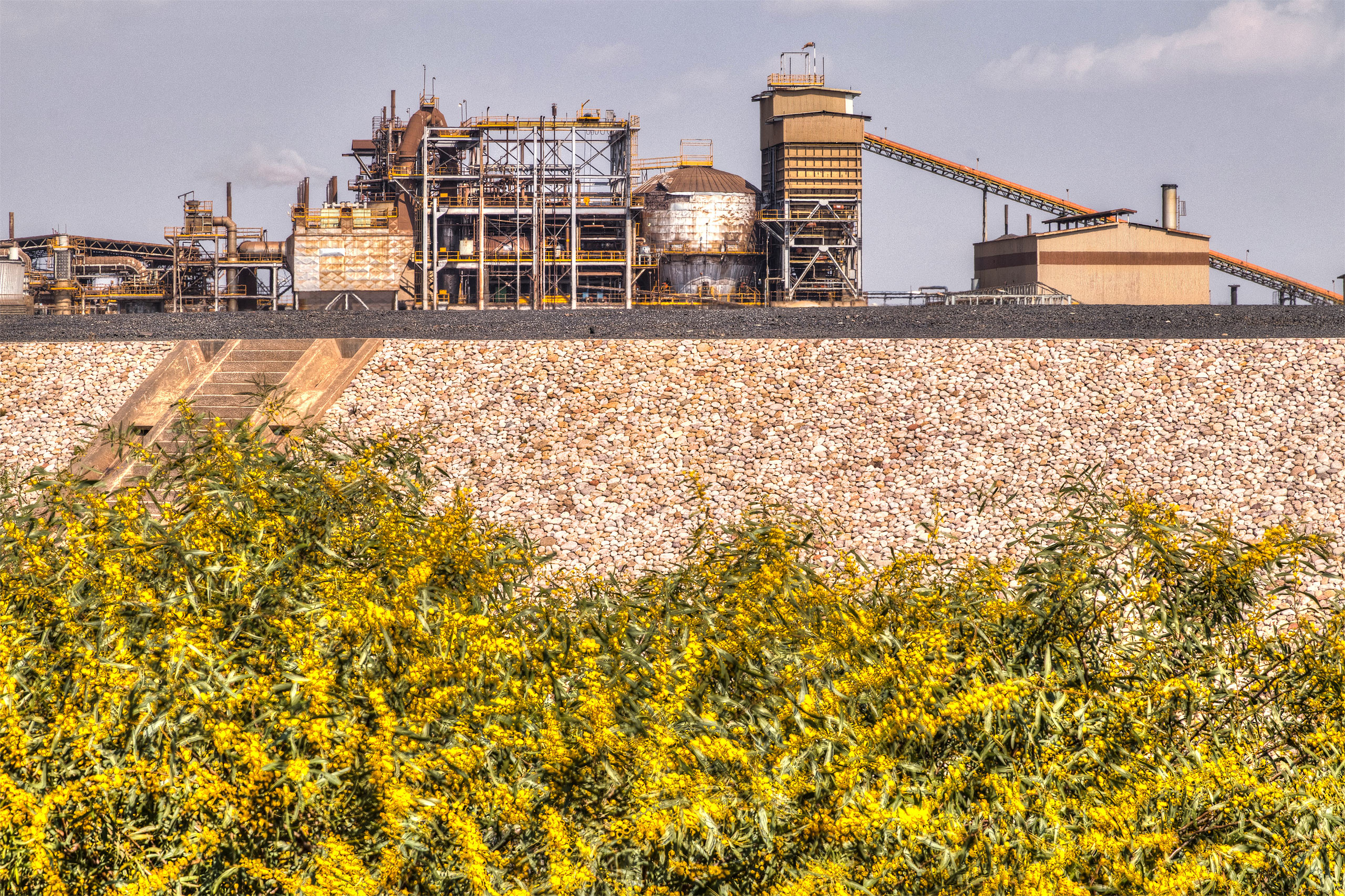
In addition to posing risks to landscapes and water, emissions from fluorite production can have a considerable impact. In its 2024 sustainability report, Orbia reports that direct emissions from Koura’s fluorite operations at Las Cuevas were equivalent to 16,590 tonnes of carbon dioxide, while indirect emissions from its electricity consumption totalled 19,000 tonnes. For comparison, producing 1 tonne of copper in Chile can emit up to 7 tonnes of carbon dioxide, while producing 1 tonne of fluorite concentrate can produce as much as 174 kilograms of carbon dioxide equivalent.
An expanding market
Demand for fluorite is projected to grow as the energy transition progresses. For lithium-ion batteries in electric cars alone, it could exceed 1.6 million tonnes by 2030, according to Benchmark Minerals. The electronics industry and electrolytes – the liquids that allow the flow of electric current within certain electric car batteries – will reportedly be the fastest-growing markets.
With this growth in demand in mind, Luis González, director of local environmental NGO Cambio de Ruta, insists on starting with the basics for environmental protection. “The first thing is to measure air quality with an effective system. We don’t have clear data. If we don’t know what’s polluting, we can’t design public policies or address the problem appropriately,” he concludes.
For Olivera, a national strategy for critical minerals without strong mining regulations “would open the door to more aggressive extraction” with serious consequences.
Although there are no current plans from the government to specifically pursue expansion of the industry, it remains to be seen how Mexico will respond to a growing demand.