Is a “just” energy transition possible in Latin America when millions of people still lack access to basic energy services?
This was one of the central questions that prompted me and fellow editors Lira Luz Benites Lázaro and Sigrid de Aquino Neiva to create our recently published book, Energy Poverty, Justice and Gender in Latin America.
The book is organised by three key focuses: the multidimensional problem of energy poverty; contradictions in the burdens and benefits of energy justice; and the links between energy poverty, justice and gender inequalities. Over 14 chapters, written by 35 authors, we set out to offer a critical analysis of energy inequalities in the region, highlight the limits of current policies, and underline the urgency of rethinking the role that Latin America must play in global debates on energy and justice.
Although the International Energy Agency indicates that 97% of the population in Latin America and the Caribbean has access to electricity, this figure hides deeper realities.
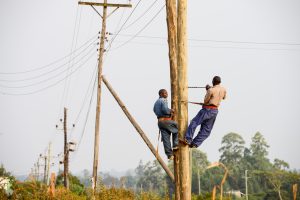
Nearly 17 million people in the region, mostly in rural areas and Indigenous communities, still lack access to electricity. For those who are connected, access is often precarious: frequent outages, unaffordable tariffs and heavy reliance on highly polluting energy sources. In Bolivia and Peru, for example, the cost of electricity for the poorest households can represent up to 20% of their monthly income.
In addition, some 75 million people in Latin America and the Caribbean still cook with biomass, which is about 11% of the population. This has serious health consequences, and disproportionately impacts women and children. While some countries are nearing universal access to clean cooking sources, in others, significant portions of the population are still without access, such as Haiti (95%), Honduras (50%), Guatemala (50%), Mexico (15%), Peru (15%) and Bolivia (12%).
From our perspective, energy poverty is not an issue that can be solved solely with more infrastructure: it is a reflection of the structural inequalities from which our societies suffer.
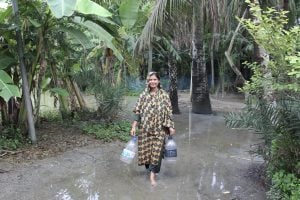
Throughout the research published in the book, we have found that, in Latin America, it is women in rural areas who suffer most from the consequences of energy precariousness: they spend hours collecting firewood, face the effects of pollution within the home and suffer greater risks of violence in spaces without adequate lighting. The relationship between energy and gender is undeniable: when energy is scarce, inequalities deepen.
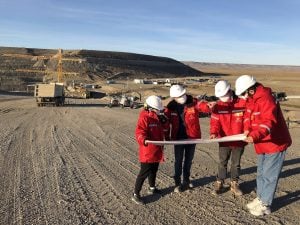
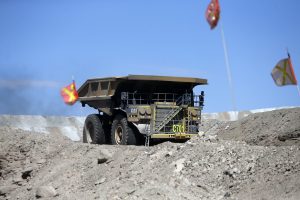
The dominant discourse on energy transition in the region has been strongly influenced by the agenda of the Global North and the interests of large corporations. The expansion of renewable energy is promoted, but without questioning who benefits from these investments. In Brazil and Mexico, for example, wind projects have generated tensions with local communities. In the case of lithium in Argentina, Chile and Bolivia, exploitation is particularly responsive to the demand of international markets and multinationals, seeking to ensure resilience in their value chains. There is less likely to be a regional strategy oriented towards development with inclusion and quality employment.
To reverse this trend, it is essential to articulate the energy transition in Latin American countries with active industrial policies. These should promote the local production of technologies, the strengthening of national capacities and the generation of qualified employment. This is no more and no less than what is at stake in the current tariff war that the United States has launched since the beginning of Donald Trump’s second presidency, with China as its main target. Indeed, without a vision of autonomous productive development, the green transition risks perpetuating the technological and economic dependence of the countries of the South.
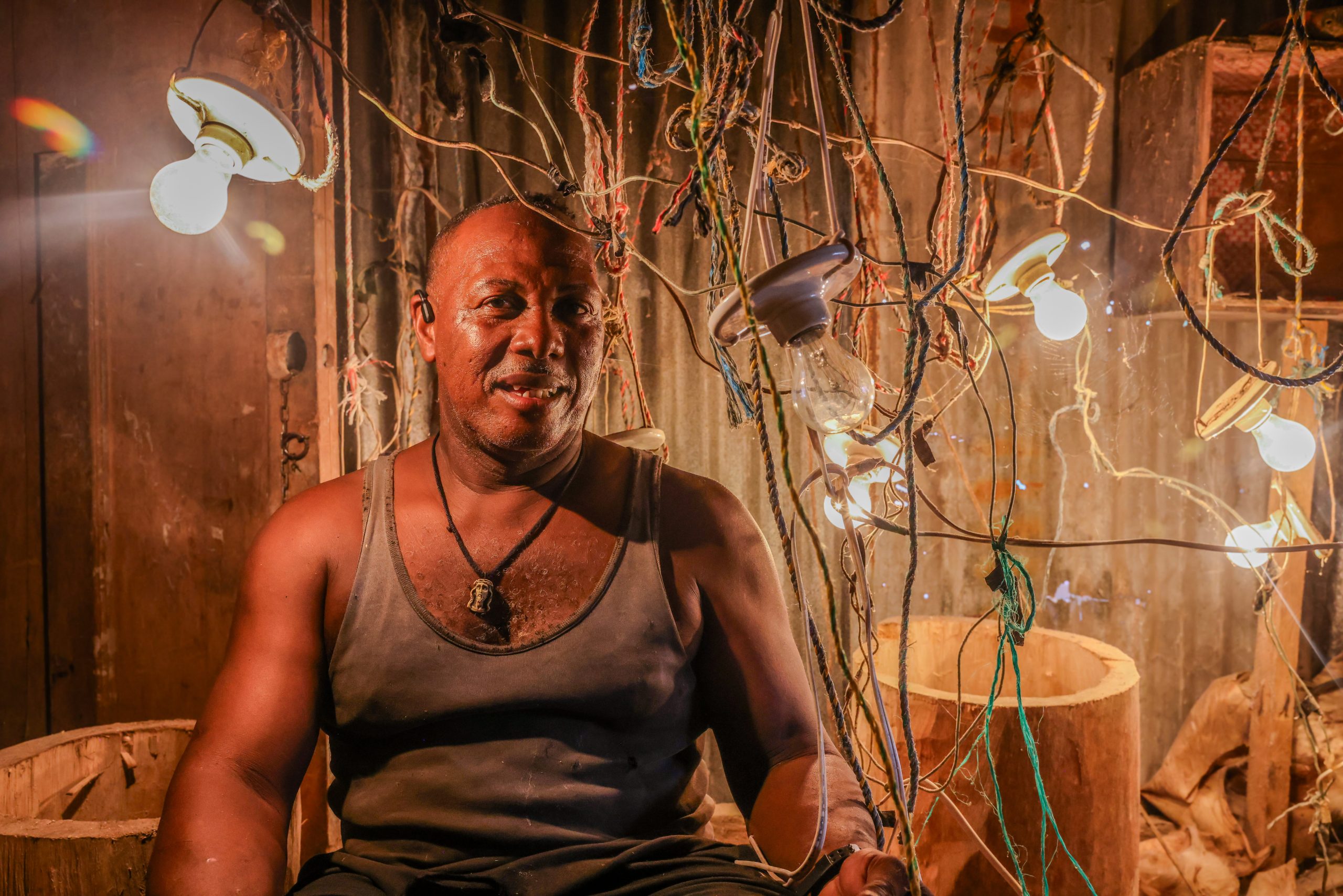
Latin America needs to build an energy agenda that challenges these logics and opens a profound debate on energy justice. This implies not only guaranteeing universal access to energy but also rethinking the governance of the sector. Academic research has a key role to play in this process: identifying the mechanisms of exclusion, making their effects visible and proposing viable alternatives.
Some urgent questions to ask are: how can we ensure that communities can participate in the planning of major energy projects? What impacts will the energy transition have on employment and the regional productive structure? What role can energy cooperatives and other forms of decentralised management play in ensuring greater justice?
Energy Poverty, Justice and Gender in Latin America is a call to recognise that energy transition is not simply a technical process: it is first and foremost a political process. As such, the book highlights several structural dimensions that cut across the Latin American energy experience and deserve special attention:
● Urban-rural dichotomy: Despite progress, many rural areas and Indigenous communities remain excluded from access to modern energy services. This affects the quality of supply and perpetuates energy poverty.
● Health impacts of biomass burning: Reliance on traditional sources such as wood or charcoal has serious health effects, especially through indoor air pollution. Although this link is known, there is still a lack of empirical evidence to account for its regional specificities.
● High energy costs: In contexts with limited access to conventional energy, high costs constitute a structural barrier that limits vulnerable communities’ access to modern energy sources. This calls for a revision of the regulatory framework, following the principle that energy is a human right.
● Gender gaps: Gender inequalities persist in access to energy, in women’s economic and political participation, and in the differential impacts of energy poverty. In many sectors, traditional gender roles continue to limit the advancement of true social justice.
Energy Poverty, Justice and Gender in Latin America seeks to contribute to the construction of an energy transition that is equitable, democratic and deeply rooted in the needs and aspirations of our region. Because without social justice and energy sovereignty, there will be no just transition possible for Latin America.
Energy Poverty, Justice and Gender in Latin America, edited by Lira Luz Benites Lazaro, Sigrid de Aquino Neiva and Esteban Serrani, was published by Springer in January 2025.