China, the world’s top importer of sorghum, has initiated the process of importing tonnes of the grain from Mexico, just as weather conditions in the Latin American country throw production into crisis.
Along with corn and wheat, sorghum is an essential food in many parts of the developing world and is used both for human consumption and to feed livestock, driving growth in international demand.
“China demands many grains to feed such a large population, but Mexico is, in turn, the world’s fifth largest importer [of sorghum], just behind China, Spain, Japan and Sudan,” said César Soto Morales, professor of international relations at the National Autonomous University of Mexico (UNAM).
Soto said that opening up an export market with such large domestic demand – more than 8 million tonnes per year – is out of step with national priorities.
There is no regulation to ensure that Mexico has a sufficient supply of sorghum
In China, around a third of sorghum is used to manufacture alcoholic beverages, mainly a traditional strong liquor. The rest is divided between livestock and human consumption.
China imports 90% of the grain from the US, the world’s largest producer, but because of protectionist measures implemented by President Donald Trump, it is looking for new suppliers.
Sorghum deficit
Sorghum is grown in many parts of Mexico, but the largest producers are the states of Tamaulipas, Sinaloa and Guanajuato. Last year, yields were the worst in 20 years because of poor weather conditions. Mexico produced just 4.4 million tonnes in 2018 compared to 10 million the previous year.
5,600,000
the drop in tonnes in Mexico's national sorghum production between 2017 and 2018
However, this will not stop more than 1,500 Mexican producers seeking to export between 50,000 and 100,000 thousand tonnes to China as soon as export protocols are approved.
“There is no regulation to ensure that Mexico has a sufficient supply of sorghum, neither the previous or current governments worry about maintaining the supply of grain, corn or sorghum,” Soto said.
“This leaves the market to act freely,” he added.
Without national regulations, sorghum producers turn to international markets, despite Mexico’s need for the grain and increasing shortages.
According to Soto, Mexico should follow the example of other countries that safeguard supplies of basic grains that are consumed. This means taking measures such as tariffs or export quotas to maintain national supplies, he said.
Export protocol
Mexico currently only exports sorghum to China for livestock consumption. In order to sell the grain directly to China for human consumption requires, authorities in the two countries must sign sanitary protocols. This has not yet happened.
“In order for a product to be viable for export, China carries out many visits, with health experts analysing the fields,” explained Laura Selene Frias Rodríguez, a former official at Mexico’s export promotion agency ProMéxico.
While Chinese safety experts have already analysed the fields, processes can sometimes take five to ten years. Phytosanitary protocols are very strict for imported fresh products in order to protect Chinese national production.
The Chinese government has the last word.
8
the number of years it took Mexico to get phytosanitary permits to export some food products to China
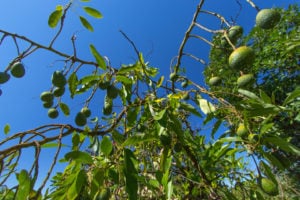
“Because of President Xi, impressive progress has been made in commercial matters, as in the case of tequila, berries, avocado and pork,” Frías Rodríguez said, adding that acquiring some phytosanitary permits took 8 years. Tequila, however, took less than three years as there was political will to advance the process, she said.
“We mustn’t fall asleep, because with China if you fall asleep another country or market comes along and will eat it up,” said Frías Rodríguez, who added that for China, sorghum is an opportunity to expand relations with Mexico.
Beyond primary products
In recent years, the Chinese market has opened up to Mexican products such as pork, fishmeal, cotton, avocado, molluscs, lobsters and shrimp, as well as bovine skins, and other commodities.
Frías Rodríguez said the growing trade relationship is a very good opportunity to advance discussions about the regulations that will affect value-added Mexican products.
“We have to look beyond the export of commodities, such as sorghum… but to products of high added value. Not only export avocado, for example, but avocado oil,” she said, pointing out that this would generate higher incomes for Mexican producers.
Over 80% of Mexico’s exports go to the US but diversifying its trade partners is a necessity as President Trump has threatened tariffs on Mexican products if the country does not stop the northward flow of migrants.
Given China’s commercial clout, however, Mexico must negotiate intelligently, Frías Rodríguez said.