


The global climate crisis has made the debate about the ways food is produced and consumed around the world ever more urgent, with agribusiness at its centre. In response, agroecology – a method that replaces chemical pesticides with bio-inputs and genetically-modified seeds with organic equivalents – has expanded in countries such as Argentina.
In 2016, a group of agronomists, doctors and socio-environmental leaders created Argentina’s National Network of Agroecological Municipalities (Renama), encouraging more and more localities to adopt a production model that respects human health and the environment.
“Agroecology is not just a technique for producing food, but a way of understanding how human beings interact with nature,” said Eduardo Cerdá, one of the network’s founders and Argentina’s current national director of agroecology.
Although less than five years old, today Renama is already a network that spans 34 Argentinean localities (plus one Uruguayan and one Spanish) and brings together 180 producers who work 100,000 hectares of land according to an agroecological paradigm. Some 85 technicians provide expert assistance.
Agroecology in Zavalla: a commune in transition
Small and neat, Zavalla is a commune of 7,000 inhabitants in the south of the province of Santa Fe, the heart of Argentina’s agricultural Pampa. Like all rural towns, one street separates low houses from the cultivated fields, which until a few years ago were inundated by agrochemical spraying machines.
As a result of widespread protests at the exposure to agrochemicals, the municipality advanced legislation that in 2011 prohibited application in a peri-urban buffer zone of 800 metres from residential areas. The measure caused unease among farmers.
“It was very difficult to implement and it was controlled by a traffic inspector. But it was the starting point that began to change everything,” said Guillermo Rajmil, who has been head of the municipality since 2015.
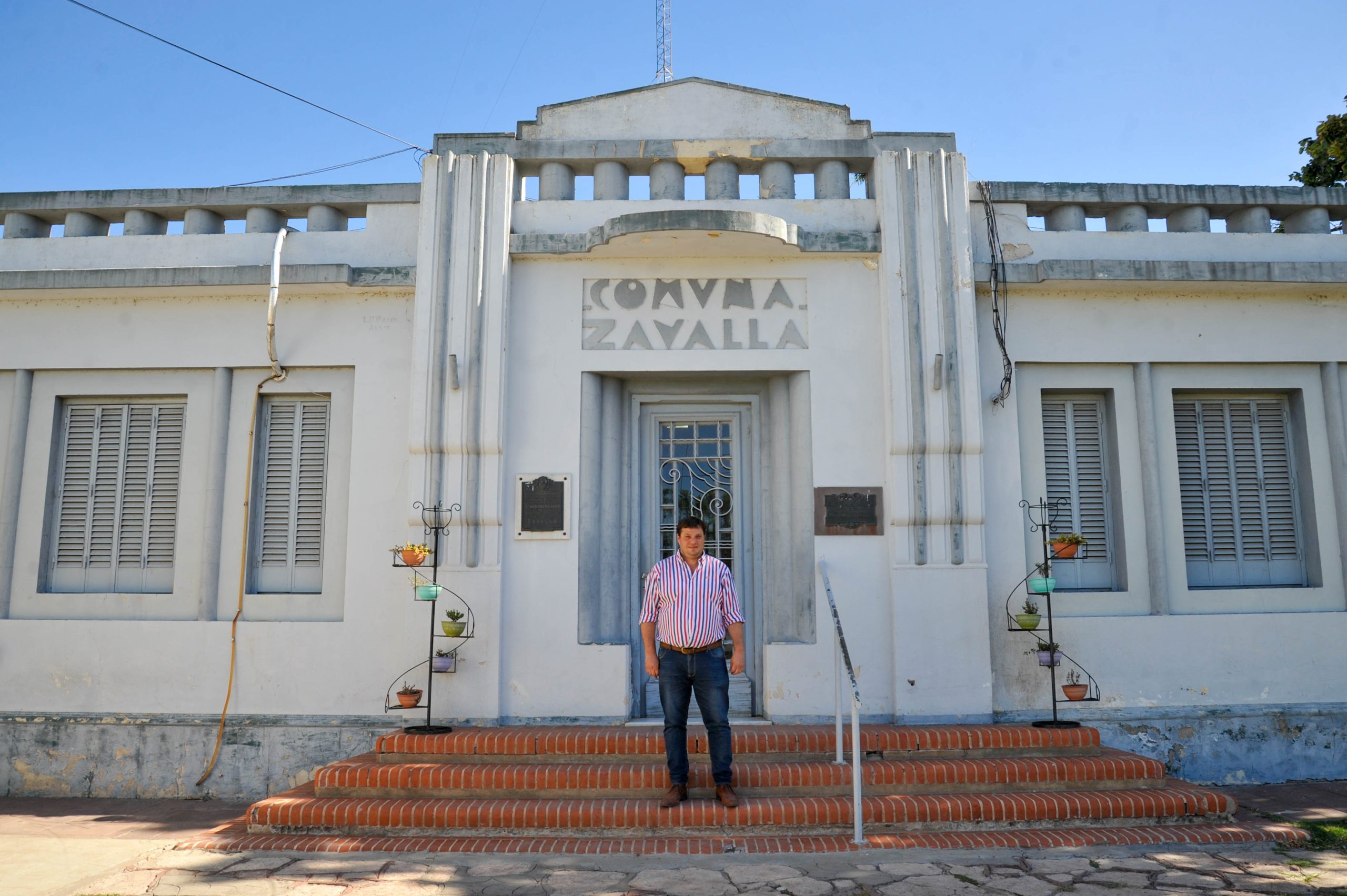
The commune first carried out a pilot agroecology test on a four-hectare plot, growing lettuce, rocket and courgettes, among other crops. But the farmers were not used to this new way of working, so early results were not promising.
But everything changed when they joined Renama in 2019. Through an environmental tax on the community, the municipality began to subsidise producers prepared to change their way of working, offering a fixed monthly amount. In 2020, subsidies totalled 1,200,000 Argentine pesos. (US$13,760).
“The transition to agroecology was gradual. We started by replacing pesticides and reducing doses. Then we reduced the number of applications until we no longer used them and incorporated other technologies such as diversified production and polycultures,” said Roxana Schonfeld, a member of a family of agroecological producers.
A network that grows ground up
Renama was born out of a desire by doctors, lawyers and agronomists to promote a socially and environmentally sustainable agricultural model. They wanted an alternative to the agro-industrial model promoted since the mid-1990s in Argentina, which is based on genetically modified seeds and agrochemicals and whose star crop is soy.
It aims to provide a space for farmers, agronomists, academics and municipalities willing to transition towards agroecology. This is a growing trend in Argentina, according to Cerdá, a pioneer in the field. He is backed-up by official statistics.
Data from the latest National Agricultural Census shows there are 2,324 agro-ecological farms in Argentina, out of an estimated 250,000 farms nationwide.
2%
of farms in Argentina work the land in an "unconventional" way, without using chemical pesticides
If organic (not using GMOs) or biodynamic (a specific method of ecological agriculture) farms are included to the list, there are 5,277 units that work in a “nonconventional” way. This is equivalent to one out of every 50 farms in Argentina. The census only specifies the number of units, but not their size.
For Cerdá, the popularity of agroecology is not surprising.
“In recent years, many actors have appeared who understand that the conventional model has environmental shortcomings and increasing costs, because it uses dollarised inputs,” he said. “It is not necessary to improve the cosmetic appearance of the model, but rather to change the paradigm by understanding the relationship between humans and nature.”
The vast majority of the 100,000 hectares of agroecological plots under Renama’s guidance are located in the provinces of Buenos Aires, Santa Fe, Córdoba, Entre Ríos and San Luis, and grow extensive crops, including pasture for livestock, wheat, maize, oats, barley, rye and even some soy. A very small portion of the land is devoted to horticulture.
Healthy, profitable and local
The vast majority of the 150 hectares dedicated to agroecological production in Zavalla cultivate extensive crops such as maize or wheat.
The local government’s idea is to add value to production. They want a mill for grinding organic flour, a bio foods factory and to prepare vegetables for sale. They already have a shop in the centre of the village that sells their produce.
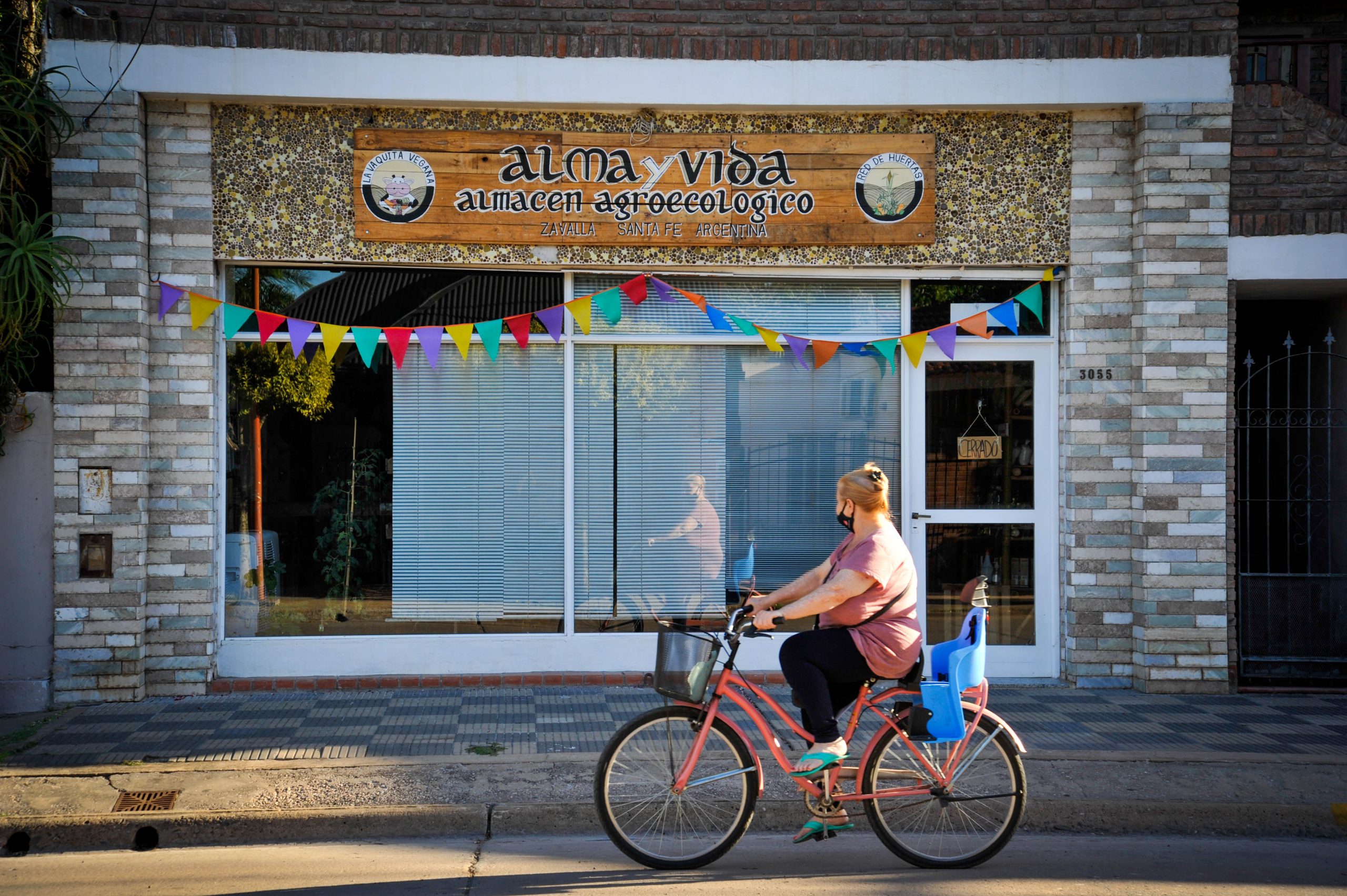
Melina Pereyra works in the business, which opened its doors in the middle of last year that is committed to providing healthy and local food, even under the challenge of doing so during the pandemic.
“We sell everything a family needs to eat healthily: cereals, pulses, vegetables and seasonal fruit and vegetables grown in the commune’s gardens,” she said, adding that in addition to selling products, they also provide “activism and information” on healthy eating.
Agroecology and profitability in Argentina
Agroecological production includes a range of practices that differentiate it from conventional production. One of its cornerstones is the design and management of farming systems that minimise external resources such as fertilisers, seeds, agrochemicals and fuel, and instead prioritise the ecological relationships that occur within the system itself.
“It is important to achieve a balance between income and nutrients. Production units must be seen as complex and self-sustaining ecosystems,” Cerdá explained.
Soil care and the prevention and natural control of pests are high priorities. Methods for achieving this include the use of biological corridors, refuge areas, the use of biopreparations (pest controls derived from natural organisms), repellent plants and the conservation of natural predators.
The question of whether these methods can deliver profit to farmers comes up time and again and it is often cited as the main argument against the ecological paradigm. For Cerdá, it has already been demonstrated that agroecology can be done on a large scale and be profitable: “It is a way of working that has no limits”.
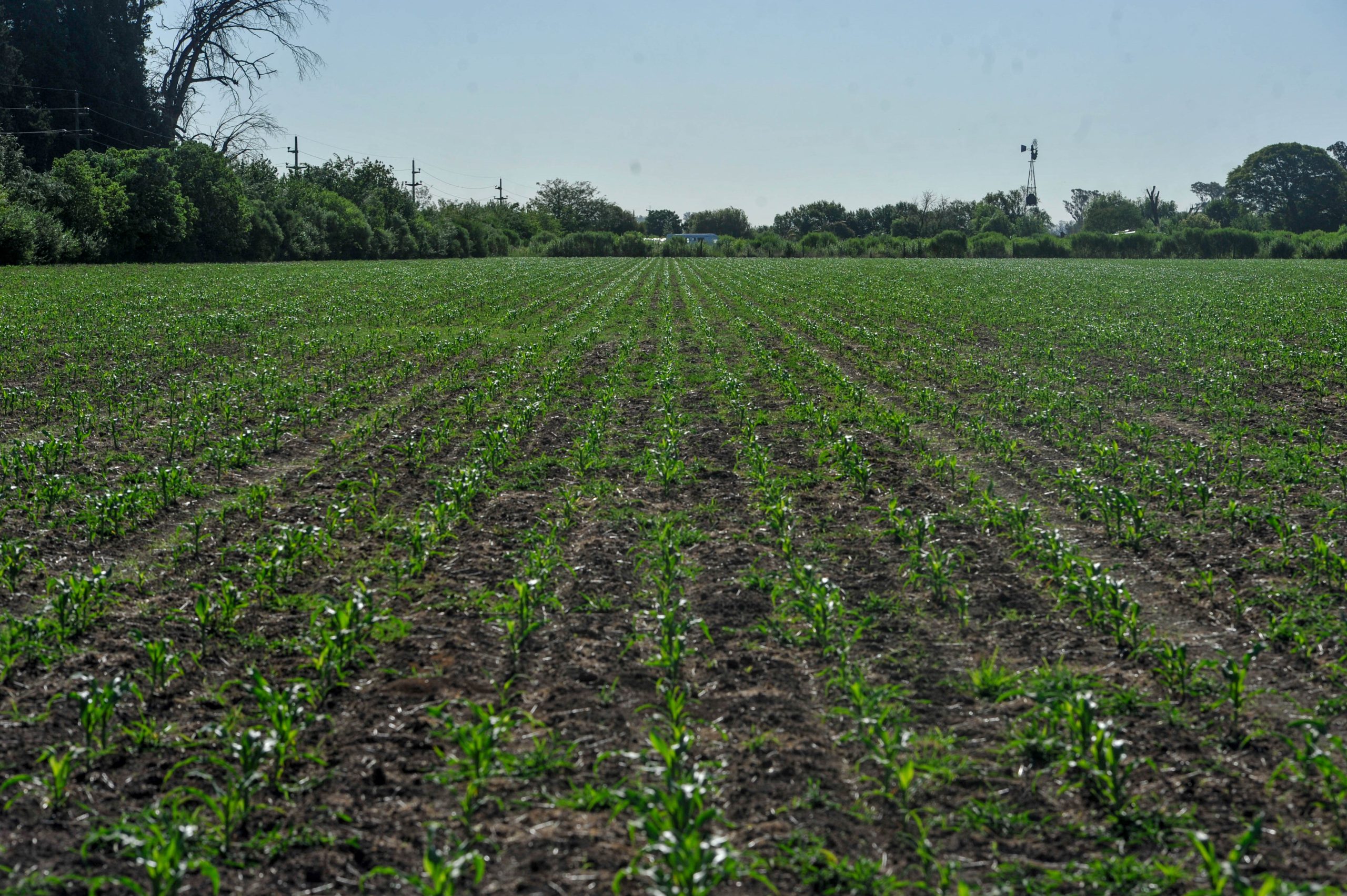
Claudio Benítez, an agronomist from Renama who advised Zavalla, demonstrates this with numbers. Last season they made 50 tonnes of agroecological wheat in the town. Profits were twice that of production costs, while with conventional wheat, which they used to farm before turning to agroecology, the costs exceeded profits.
“We noticed that with agroecology, yields are more stable and costs are much lower, as there is almost no dependence on dollarised inputs such as agrochemicals or seeds. We use less expensive technologies that totally change the equation,” Benítez said.
For producers, technical assistance is key.
“Without his help it would be cumbersome, as it is something new for us,” the Schonfeld family said.
With the change of government at the end of 2019, Argentina made agroecology a state policy through the creation of a National Agroecology Directorate, which Cerdá heads. For the first time, the state itself will be in charge of deepening and promoting a production model that differs from the industrial one. Though its implementation has been delayed by the pandemic, Cerdá is optimistic about the prospects.
“It formalises a form of production that is already carried out but that had not yet been recognised by the state, which sees it as an increasingly strong trend,” he said.


![Avalanche rescue training in Chitral [image courtesy: AKAH-P]](https://dialogue.earth/content/uploads/2021/02/Avalanche-rescue-training-Yarkhund-Last-Chitral-300x225.jpg)