There is a Guaraní legend that tells the story of a young Indigenous man who sets off into the Chaco jungle, equipped with a length of tacuara, a type of bamboo stick, and a calabash gourd known as “mati” in his language. After losing his way, and all hope, during a difficult quest, his wares prove to be invaluable when he encounters the leaves of a plant that, once mixed with water and sipped from his gourd, revives his spirits and gives him energy to continue.
Today, this leaf, of the Ilex paraguariensis or yerba mate plant, once roasted, dried, ground and brewed, makes South America’s favourite infusion.
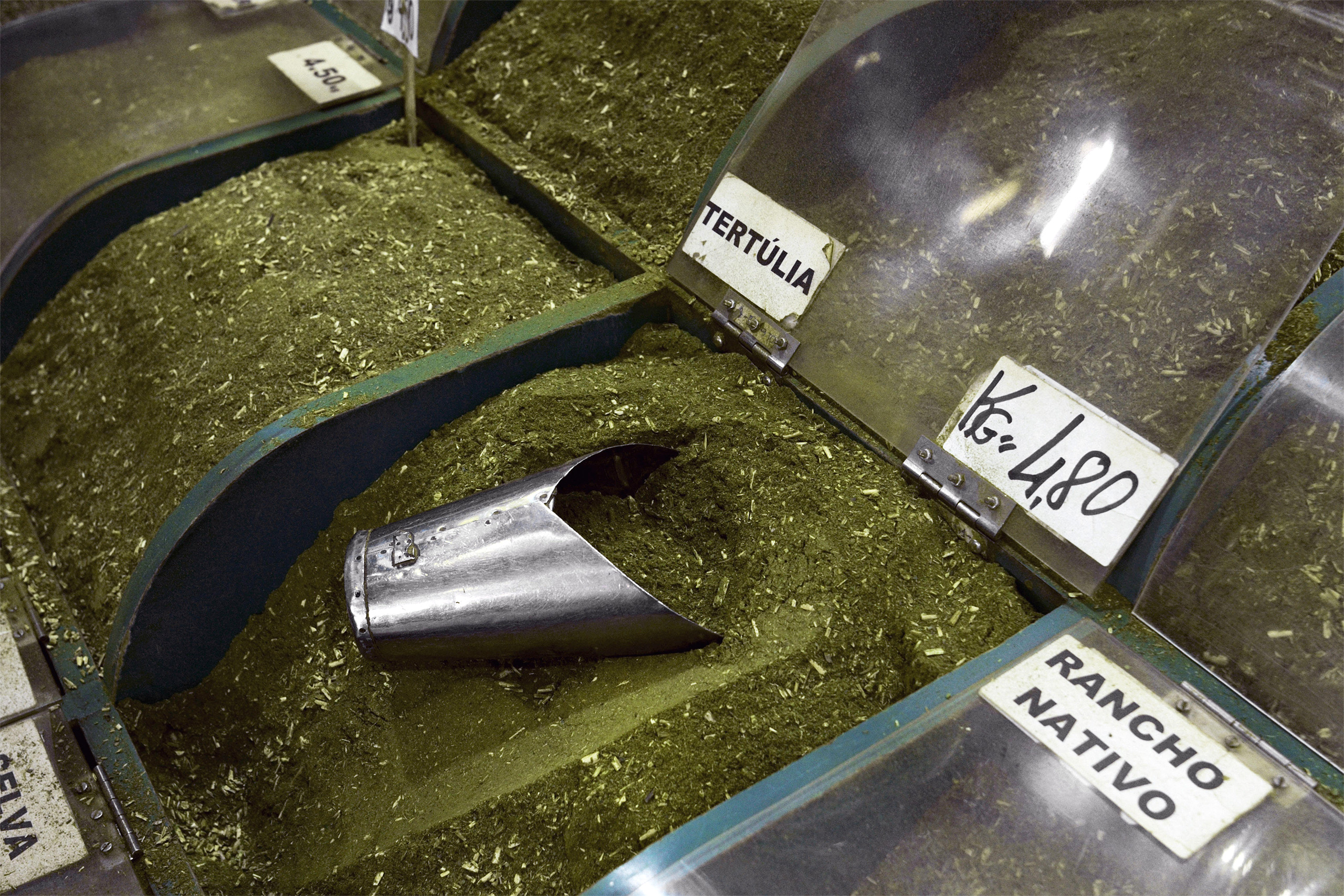
Nations may struggle to agree on its preparation, with Argentines and Paraguayans tending towards a coarser grind including the stems, and Uruguayans going for a dustier brew with finer-chopped leaves, while Brazilians favour it in the form of a pulverised neon-green powder. Regardless, their citizens are devotees of the drink, with a mate the fuel for long days of work or study, for trivial and deep-and-meaningful conversations – and maybe even the success of football teams.
Its widespread popularity also helps fuel an industry that generates over USD 2 billion a year. Beyond the traditional infusion, yerba mate is increasingly finding its way into energy drinks, cosmetics, cereal bars, ice cream and vermouth, among other products.
But as the effects of climate change bring challenges and transformations in agriculture in this corner of South America, the landscape for yerba mate production, currently divided between Argentina, southern Brazil and Paraguay, may also be set to change.
In 2023, Argentina was the top yerba mate producer with 982,000 tonnes, followed by Brazil (736,000 tonnes) and Paraguay (160,000 tonnes), according to data from the United Nations’ Food and Agriculture Organization. Uruguay, meanwhile, has never grown the tree in large volumes, but its 3.4 million residents’ thirst for the drink makes it the top consumer per capita, at roughly 10 kg per citizen each year, met via imports from its neighbours.
A 2024 study by Brazilian researchers warned of possible shifts in this production landscape due to the effects of climate change. It noted that, in specific greenhouse gas emissions scenarios, the extent of areas suitable for yerba mate cultivation is likely to decrease in Paraguay and Brazil, and remain stable or even increase slightly in Uruguay, which could lead to the development of a new industry.
The report presents four possible climate change scenarios of differing optimism regarding the scale of global emissions reductions over four 20-year periods from 2020 to 2100.
Under all possible scenarios the researchers projected, as the periods pass, cultivable areas appear to shift across the four nations, from the north-east to the south-west.
By the beginning of the next century, and in the worst-case emissions scenario, Uruguay, south of the Río Negro department, would be within a select range of areas favourable for yerba mate cultivation, along with a small portion of the province of Buenos Aires in Argentina and even smaller areas in the southern Brazilian states of Rio Grande do Sul and Santa Catarina.
Argentina currently leads the way in terms of area under cultivation for yerba mate, with more than 230,000 hectares, followed by Brazil, which has at least 85,000 hectares under cultivation (not including wild harvesting), while Paraguay hosts around 40,000 hectares. Uruguay currently only has artisanal production, so there are no full statistical records.
Guilherme Botega from the Federal Institute of Mato Grosso do Sul was one of the paper’s researchers. He told Dialogue Earth that the most pessimistic emissions scenario “suggests that Uruguay could consolidate itself as a strategic centre for yerba mate cultivation in the coming decades, especially if it invests in adaptive technologies and policies to promote production.” But, he warned, “it is important to note that this potential is strongly conditioned by the degree of global warming”.
Amid these potential shifts, Dialogue Earth visited small-scale yerba mate producers currently at work in Uruguay, and spoke with figures in the industry in Argentina weighing up the resilience of their production, having already witnessed the impacts of a changing climate.
The Ambá project
The day starts early in the hills of the eastern Uruguayan department of Rocha, about 300 metres above sea level. The white morning mist is being made denser by the smoke from a fire, prepared to roast about 30 kg of yerba mate leaves.
“Sapecar” means “to open the eyes” in Guaraní, and is a term also used to refer to the drying and roasting of the leaves. In technical terms, it serves to burst the stomata – the structures through which the plant breathes – in an initial process of dehydration, which is completed during drying.
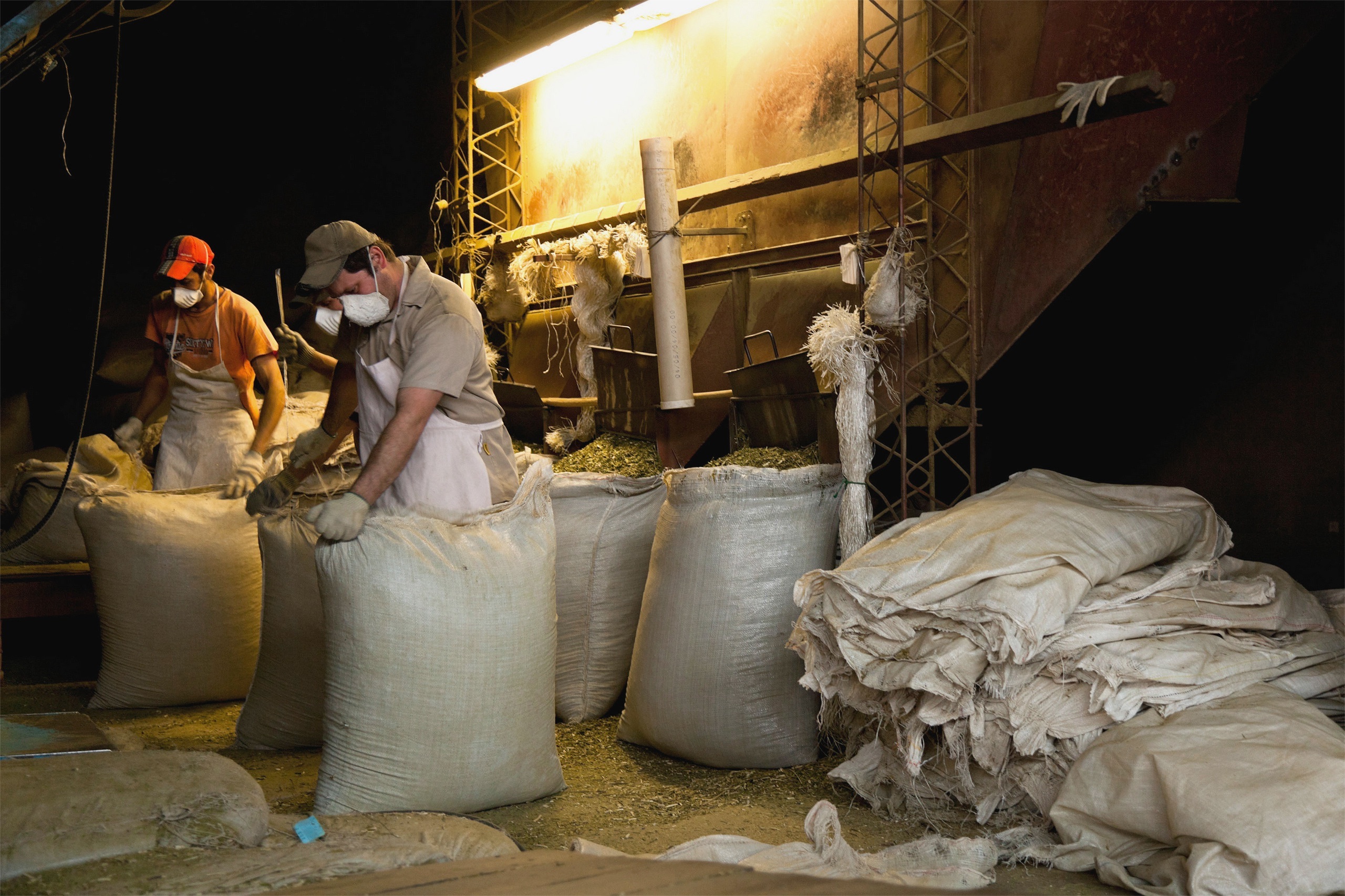
This roasting is taking place at a project run by Ambá, a nonprofit organisation focused on nature and ecosystem restoration. Here at its “regeneration centre”, it has already registered a thousand Ilex paraguariensis trees in two fields covering just over seven hectares. These are trees that grow wild among the ravines, protected by native forest.
The word ambá means “the highest purpose” in Guaraní. The organisation believes that the emotional bond between humans and nature has been damaged, and they seek to change this reality by restoring ecosystems to demonstrate how this can form a basis for the development of local communities and regenerative economies.
The yerba mate that has been integrated into their landscapes may only be for their own consumption, but they are not the only ones demonstrating the possibilities of such artisanal cultivation. Private fields and small-scale yerba cultivation have been growing in number. Among the better known growers are the I Porá nursery in the southern department of Maldonado, and Quebrada de los Cuervos in Treinta y Tres department, led by Alberto Demichelli, who is said to have pioneered the species’ reintroduction to the country.
At Ambá’s Rocha project, trees grow freely, thanks to the birds that eat their red seeds, which are, similarly to coffee beans, dispersed with the birds’ droppings after a process of scarification in the digestive tract.
“While harvesting leaves in a field, the owner told us that he had seen a new tree. He took us to see it and, walking around the area, we found 10 more that we hadn’t counted. That’s [from] pure seed dispersal,” says Talía Zamboni, ecological restoration coordinator at Ambá.
The group organises activities open to the community, in which they explore the various hill trails and carry out part of the process that turns the leaves into yerba mate – activities that, as you might expect, include pauses for a few sips of mate along the way.
A history of forestry and cattle
Images of large-scale cultivation have often led the public to believe that the yerba mate plant is a shrub, but in the wild, it turns into a tree that can reach heights of between 10 to 30 metres with trunks as wide as 80 centimetres in diameter, which is why it is pruned to facilitate the collection of the branches.

The species thrives best in regions with an average annual temperature of between 15C and 25C – with 20C–23C the optimum – and annual rainfall of over 1,200 mm, and is sensitive to direct sunlight.
Another pioneer in Uruguay is agricultural engineer Raúl Nin, who first saw a yerba mate tree in 1964 in the department of Tacuarembó and has since become a notable figure in the sector and trusted supplier of trees.
Hundreds of seedlings are waiting to grow in his nursery, Ca’aguigua – “forest dweller” in Guaraní – a 1,600-square-metre space and home to more than 200 native species, less than a kilometre from the sea in the coastal town of La Paloma. Nin says that there are producers who ask him for hundreds of plants.
He recounts what happened to the yerba mate trees that grew in Uruguay in the mid-20th century. “During World War II, there was not a single tree left standing in Uruguay because there was no oil, and the railway had to be brought in from Paraguay to transport coal,” he explains. “Then came the forestry business, which meant that mass production was lost due to political decisions and the needs of the time.”
Forestry has grown into a significant economic activity and export sector for Uruguay, with roughly 6% of its land area dedicated to eucalyptus and pine monocultures, raising concerns over its environmental impacts.
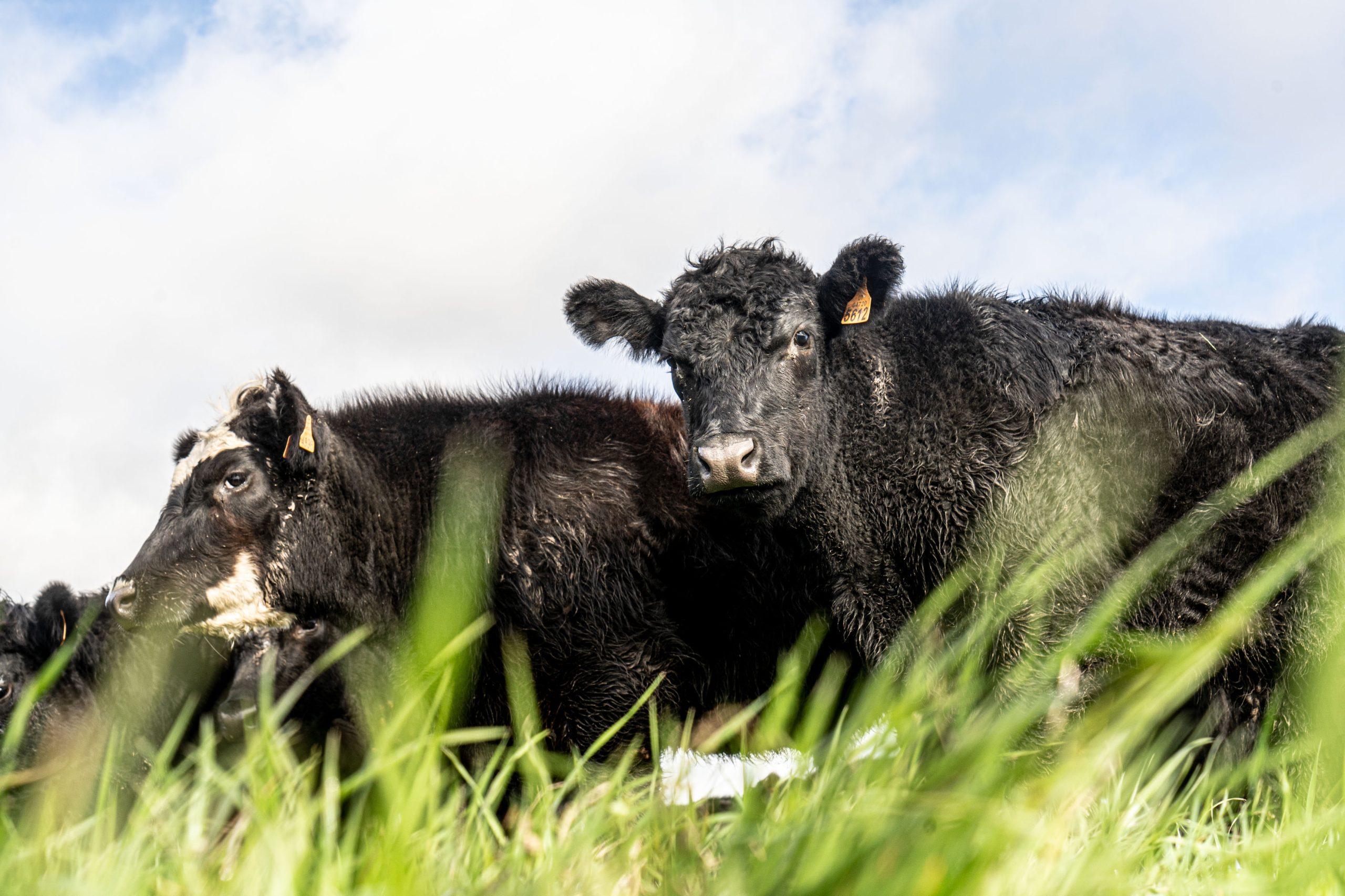
Nin mentions other factors: the replacement of native species with exotic ones and the boom in livestock farming, both because of land use and as cows are fond of the bitter leaves of yerba mate.
Regeneration
Just as Nin and Ambá in Uruguay are attempting to demonstrate the potential for small-scale yerba mate production to integrate with, rather than dominate, local ecosystems, large-scale producers, such as those in Argentina, are also being forced to reckon with environmental change and a need for different approaches.
“We need to regenerate production systems that resemble their natural environments,” says Verónica Scalerandi, deputy manager of the technical department at the Argentine Yerba Mate Institute (INYM) in Misiones province.
The agricultural engineer acknowledges that the report by her Brazilian colleagues “invites awareness” and warns that she has already witnessed some of the projections it described, in the severe droughts of 2021-2022.
“The effects of rainfall are not only that it rains 1,200 millimetres on average [in the yerba mate-cultivating areas of Argentina], but that climate change is causing this rainfall to become concentrated, and this is compounded by something that the report does not mention, which is that our soils are highly degraded,” she says. “Whether the rainfall reaches the roots of the plants does not depend on the amount of water that falls, but on the physical conditions of our soils.”
Yerba mate is an opportunity for our eco-region. It is a native crop that can be cultivated through efficient management of spontaneous and natural soil coverVerónica Scalerandi, deputy manager of the technical department at the Argentine Yerba Mate Institute (INYM)
An INYM survey seen by Dialogue Earth assessed the physical and chemical conditions of Argentine yerba mate soils, showing that nearly 80% are in poor physical condition due to tillage, over-tillage, compaction and lack of cover, which means that less than 60% of rainfall actually reaches the roots of the plants.
“We have very low production averages, which show that some crops are very degraded and producing very little,” Scalerandi says. “But sometimes, you go to a field where a producer is managing things well and has high yields.”
The specialist is optimistic. “Yerba mate is an opportunity for our eco-region, which is a remnant of the Paraná forest, because it is a native crop that likes shade, gets along very well with tree cover and can be cultivated through efficient management of spontaneous and natural soil cover – what others call weeds,” she says.
The INYM representative believes the sector’s sustainability will not be achieved solely by increasing production, but that the real opportunity in the face of climate change lies in developing more resilient systems and prioritising soil protection, which she considers to be the only factor capable of guaranteeing long-term production.