One story dominated 2020 like no other in recent memory. Even though the pandemic reached all corners of the world, forcing lockdowns and economic and social crises, other important stories about China, Latin America and the environment warranted comprehensive coverage over the past year.
From the continuing devastation of the Amazon to wildlife trafficking and Latin America’s energy transition, Dialogo Chino’s editors share their top stories from the past 12 months.
Manuela Andreoni, Brazil editor: The murky process of licensing the Amazon’s meatpackers
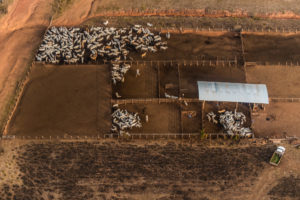
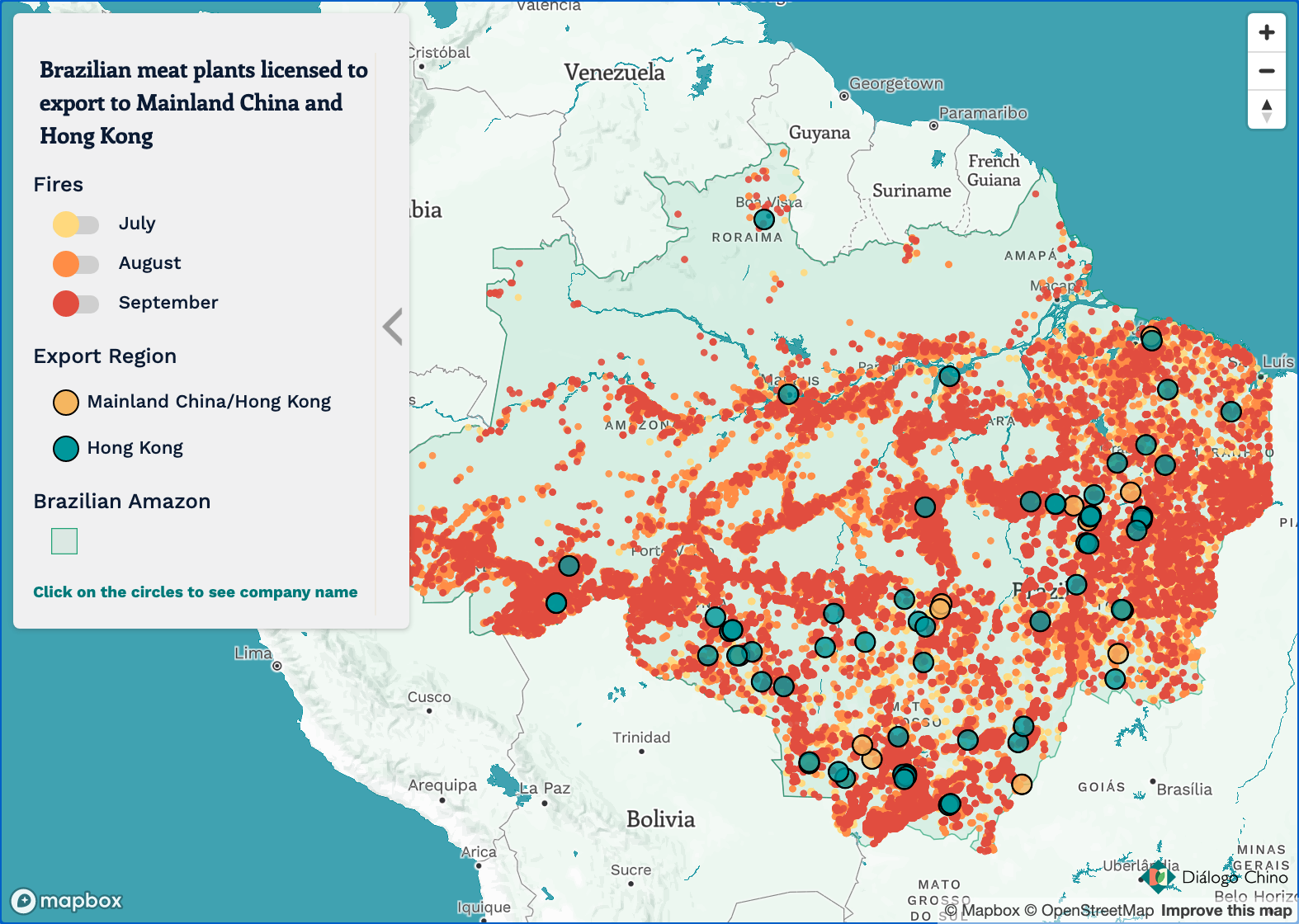 At the height of yet another fire season in the Amazon, specialists repeatedly warned us that China’s increasing consumption of Brazilian beef put enormous pressure on deforestation rates. Around the same time we noticed that the number of meat plants in the rainforest region licensed to export to China was growing. But why was China approving meat plants in the Amazon instead of less controversial meat-producing regions in Brazil? The experts we consulted didn’t know the answer to that, so we decided to investigate ourselves. The result was one of our most-read articles this year.
Fermín Koop, Southern Cone editor: Chinese electric buses roll out across Latin America

This was the year when Chinese electric buses finally became mainstream in Latin America. At Diálogo Chino, we have closely followed their expansion over the years, especially after Chilean capital Santiago took the first step and electrified most of its fleet. But now dozens of other cities have followed suit, such as Montevideo, Cali, and Bogotá. Still, challenges remain. Nearly 2000 e-buses are already running on Latin American streets today but they represent less than 1% of all those currently operational in the region. The pandemic might represent a hurdle in their further expansion, but initiatives such as the ZEBRA partnership are trying to secure funding to keep the momentum.
Robert Soutar, managing editor: Lessons on lockdown life from China
 Back in January, when covid-19 was the coronavirus and a mere epidemic, international audiences watched citizens of Wuhan experience draconian restrictions on movement with a sense of detachment. Until we didn’t. The pandemic’s unwelcome arrival in other parts of the world forced us all into some degree of lockdown. Fatigue kicked in long ago. But those of us fortunate enough to have survived the past year with time and the emotional resources to reflect on it will have done so profoundly. Alejandra’s efforts in reaching out to Chinese citizens as Latin America became the worst-hit region by covid-19 brought us unheard, beautifully illustrated human stories and – through tips on how to cope – a sense of solidarity. Many reviewed attitudes to health, animal consumption and our relationship with nature. Their stories enabled us to step back from our day-to-day work in what has been anything but a routine year.
Jiang Yifan, Senior editor, China Dialogue: Chile opens the door for an ‘ecological’ constitution
 Forty years on, Chile is again witnessing history in the making. The birthplace of the world’s first constitution enshrining the neoliberal ideology, which places private ownership and “the market” above all, has not only finally scrapped that document, but is now open to an ecological new one that cherishes the common good. This is no doubt one of the most encouraging pieces of news in a gloomy year marked by the pandemic and missed environmental targets. The report opens with the striking fact that constituencies most eager for constitutional change are those that endure ongoing environmental conflicts. This reminds us that the environment is so often a common good sacrificed by that old ideology, and that the quest for an ecological constitution in Chile may hint at humanity learning to embrace new political values.
Alejandra Cuéllar, Mexico and Central America editor: Pac-man, the jaguar hunted for parts in Mexico
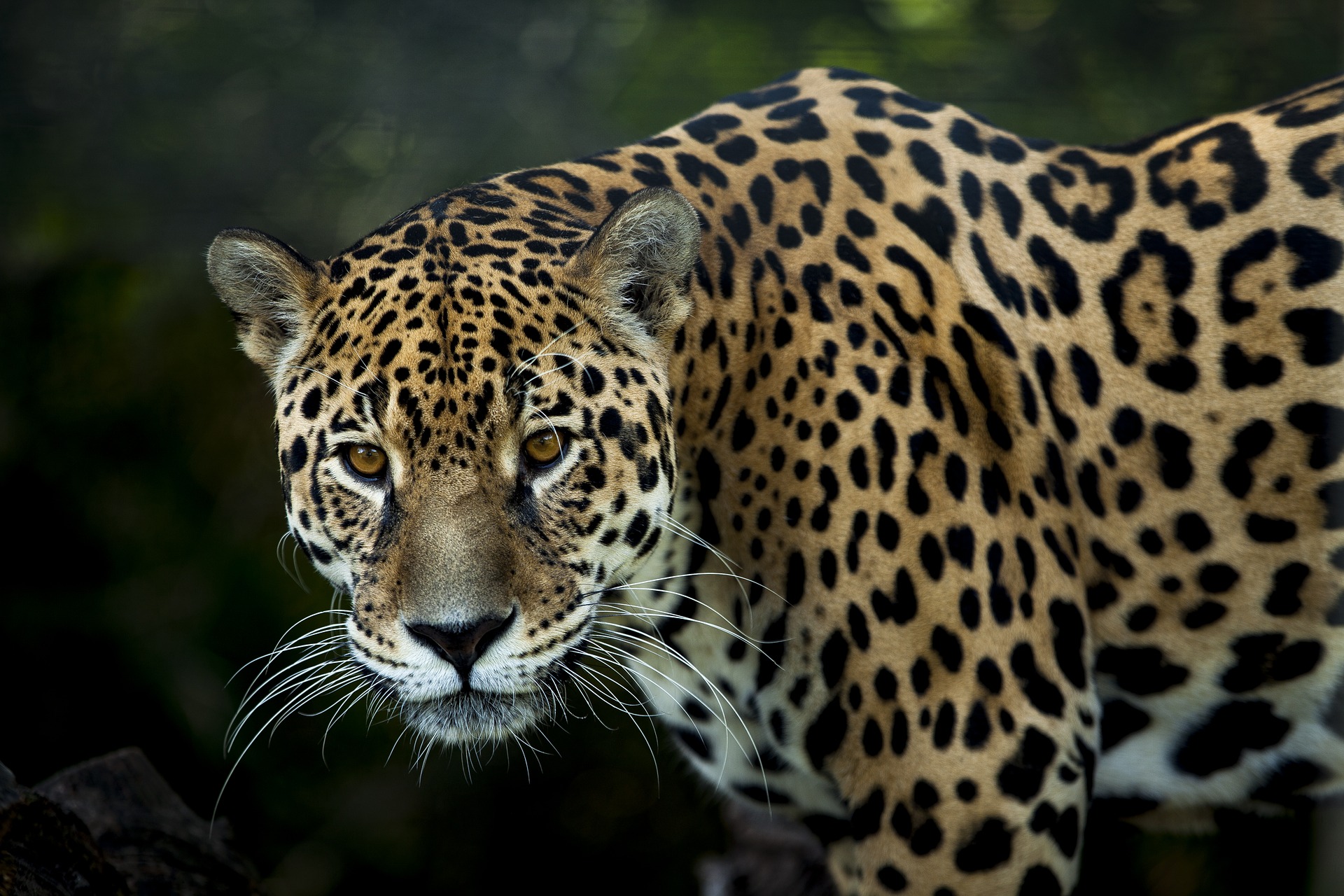 Pac-man was one of the 115 jaguars that roamed the Yaxchilán natural protected area in Mexico’s Chiapas state. Although it is rare to spot them, a hidden camera witnessed Pac-man and a female jaguar in a nocturnal scene in January 2019. Park rangers later found him 35 metres from the banks of the Usumacinta River completely dismembered—a distinctive trait of poachers who traffic fangs, claws, heads and genitals to foreign countries. We have covered trafficking of animal and plant species from Latin America to China widely. Jaguar parts that are especially coveted by some wealthy Chinese can fetch up to US$20,000. Pac-man was a particularly striking story because it put a name and a face to the animal, a rarity with trafficking stories. We are working to uncover more connections between Latin America and China behind and to understand traffickers’ routes and incentives, and, ultimately, how their actions impact Latin America’s biodiversity.
Andrés Bermúdez Liévano, Andean region editor: ‘Stranded’ power? Mapping Latin America’s thermoelectric energy
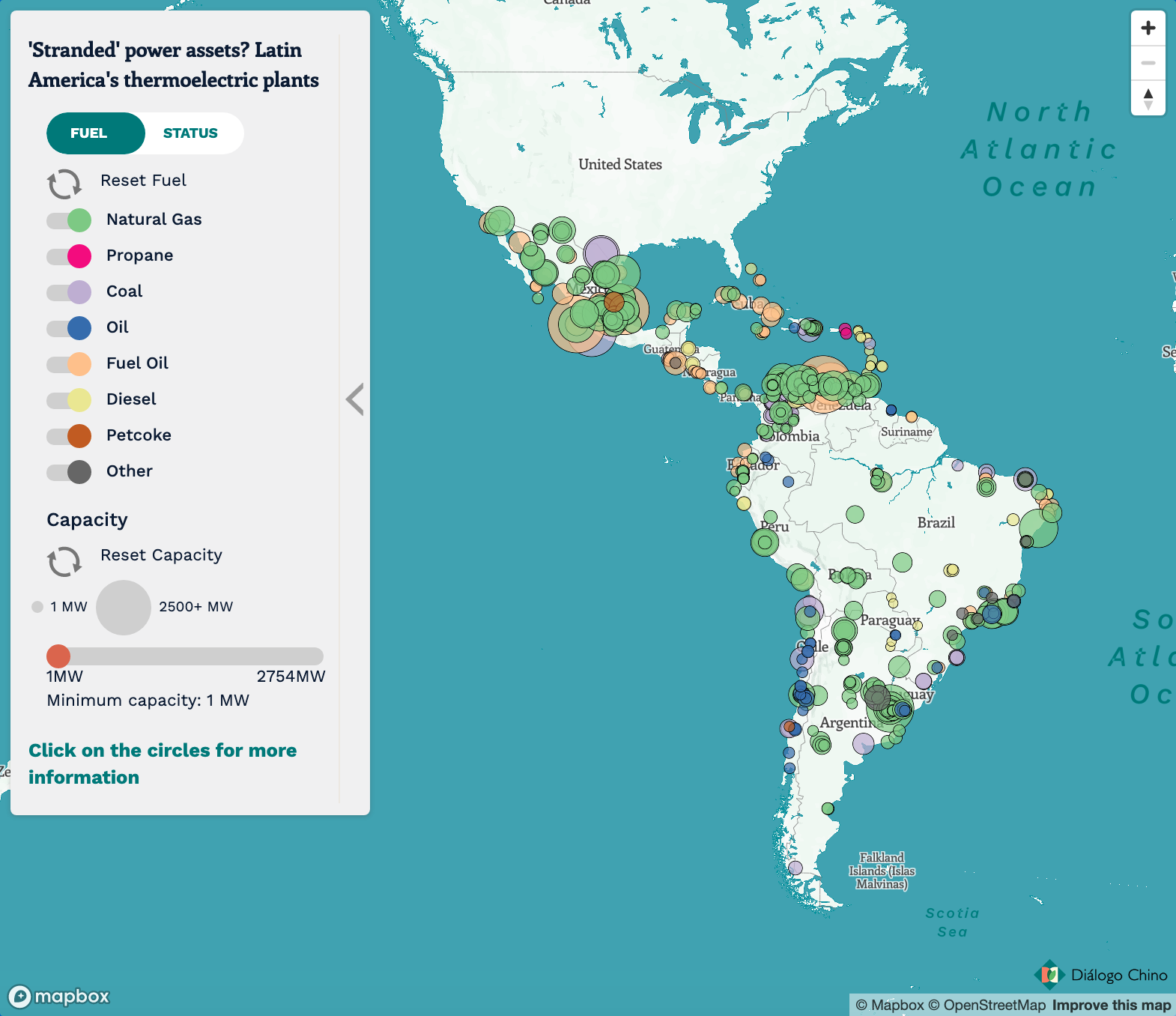 As Latin American countries embark on an energy transition, not enough reflection is given to how many fossil-fuel based power plants the region still has – and in some cases is still building. We mapped more than 500 such facilities across Latin America and the Caribbean, in an effort to identify those that will eventually have to be closed or converted in order to meet emissions reductions targets and avoid worst-case climate scenarios. Our unique database of projects across the region maps what climate finance and energy planning experts have dubbed potential ‘stranded assets’.