Humanity has extinguished 60% of vertebrate animal populations within a period of less than half a century with agriculture a significant driver of biodiversity loss, according to a new report by the World Wildlife Fund for Nature (WWF).
89%
of vertebrate animal populations in South and Central America have been lost
The percentage of fish, amphibians, birds, reptiles and mammals lost is even higher in South and Central America, where it hits 89%.
WWF’s Living Planet Report 2018 looked at the human impacts on earth’s biodiversity from 1970 to 2014.
“Current rates of species extinction are 100 to 1000 times higher than the background rate,” the report said, referring to the standard rate of extinction in Earth’s history before human pressure became a prominent factor.
However, there is room for optimism, provided that urgent action is taken.
“Today, we have the knowledge and means to redefine our relationship with the planet. There is no excuse for inaction. We can no longer ignore the warning signs; doing so would be at our own peril,” said Marco Lambertini, director general of WWF International.
We have to sharpen ingenuity and assume that we cannot grow unlimited in a world with limited resources
Among the groups of fauna studied, human activity has most affected those inhabiting fresh water. These have decreased by 83% since 1970 and also have the “highest extinction rate” of any vertebrates in the 20th century.
“We have a very complex situation. The problem is identified, but it is not very clear how to solve it. We have to sharpen ingenuity and assume that we cannot grow unlimited in a world with limited resources,” said Manuel Jaramillo, head of Fundación Vida Silvestre Argentina, an NGO associated with WWF.
The world over, nature supplies fresh air, clean water, food, energy, medicines and other products and materials estimated to be worth US$125 billion a year.
Causes and threats
In the last 50 years, the ecological footprint of humans – a measure of the consumption of natural resources – has increased by almost 190%, WWF claimed. The organisation calls for major changes in the way these are produced, distributed and consumed.
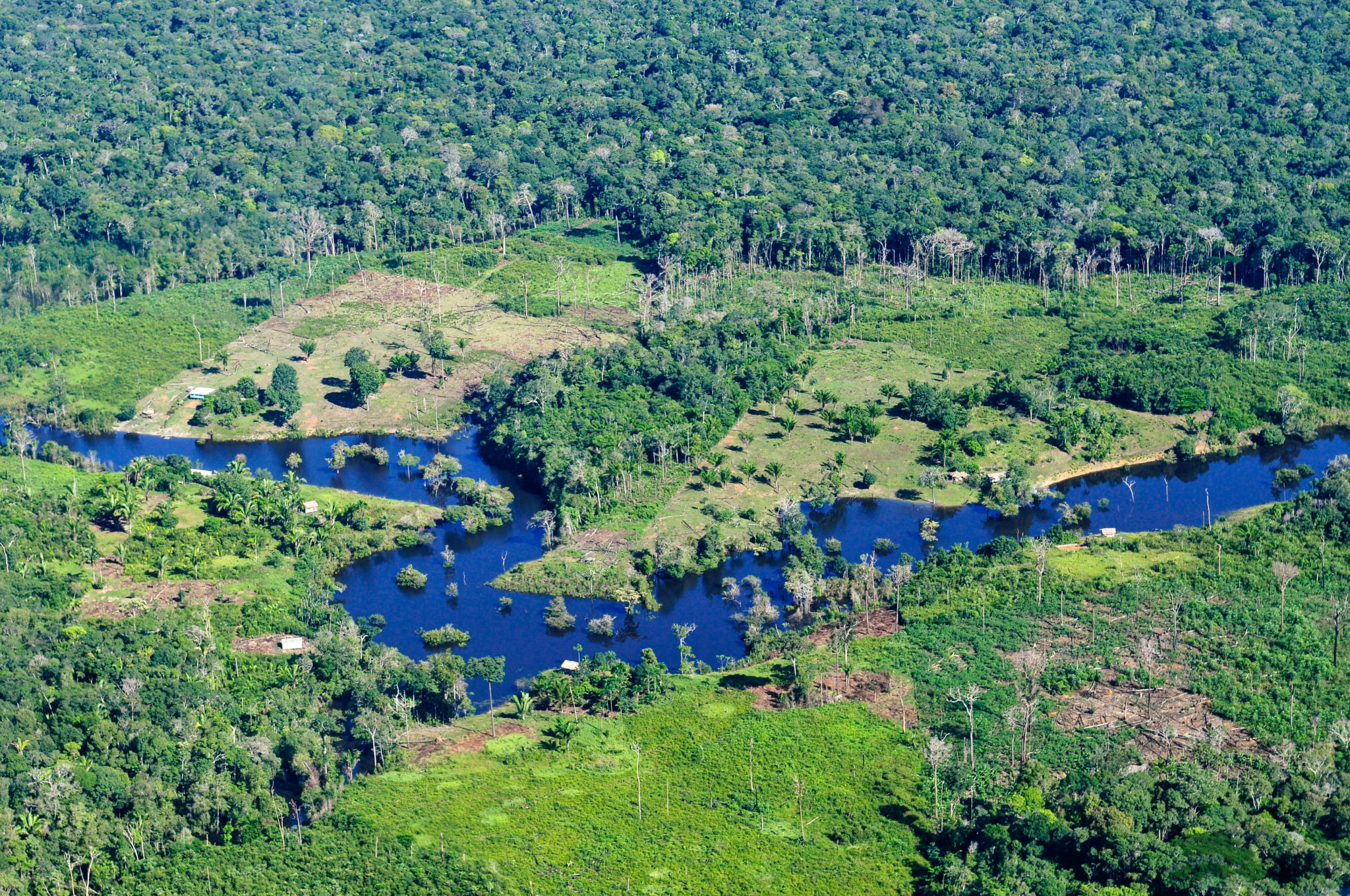
The report identified the main threats vulnerable species as those directly relating to human activities such as agriculture and soil conversion, which can incur the loss and degradation of habitat and overexploitation of wildlife.
Agriculture is responsible for most of the conversion of forests, according to WWF. The decrease in surface and quality of forests impacts the plants and animals that inhabit them.
“The report confirms the seriousness of deforestation. It puts numbers to the destruction and impact on biodiversity and on the communities that live in the forests and depend on them for their subsistence, like small farmers and indigenous people,” said Hernán Giardini, coordinator of Greenpeace Argentina’s forest campaign.
The planet’s total forested area decreased from 31.6% to 30.6% in the last 25 years, although the rate has slowed down recently, according to the United Nations for Food and Agriculture Organisation (FAO).
Whilst it agrees that there is a global slowdown, the WWF report warned of further deforestation in tropical forests, which harbour some of the highest levels of biodiversity on earth.
By increasing food production, large-scale commercial agriculture and local subsistence farming caused almost 40 percent and 33 percent of forest conversion between 2000 and 2010, respectively, WWF pointed out.
Responding to the crisis
For Gustavo Zarrilli, a researcher at Argentina’s National Council for Scientific and Technical Research (CONICET), the report highlights the need to “reconsider how we produce, consume and measure economic success and value our natural environment.”
“The disastrous figures indicate that in order to adequately protect the environment and sustain economic and social development at the same time, it will be necessary that individuals, entrepreneurs and corporations along with governments make an urgent system change,” he added.
The WWF report stressed that without a drastic change to the current scenario, the severe loss of natural systems that underpin modern societies will continue unbridled.
The fourteenth Conference of the Parties to the Convention on Biological Diversity (COP14), held in Egypt at the end of the month, will be a “key” moment in laying the foundations for a global agreement on nature, “just like what was done for climate in Paris in 2015”.
The report concluded that together with the UN’s 2030 Sustainable Development Goals (SDGs), both processes represent an opportunity “to reverse this impact” on natural systems.
However, governments, companies, financiers, researchers, civil society and individuals must form a united front, according to Jaramillo:
“We must regulate consumer systems, provide consumers with sustainable production alternatives that respect environmental and social variables. And we must soon adapt in such a way that it cannot be profitable without being sustainable in the production of food, goods and services.”