The European Commission’s Raw Materials Week recently came to an end in Brussels. Held from 17 to 21 November, the gathering is the main European forum on policies related to the critical minerals that support, for the most part, the energy transition of the Global North, as well as its security and digitalisation objectives. Representatives of governments, companies, academics and international organisations discussed how to guarantee the supply of lithium, copper, nickel and other minerals considered essential for these goals in Europe.
However, behind this debate lies a deepening structural tension: the environmental and social costs of this transition fall on the territories of the Global South, especially in Latin America. Our region – the most biodiverse on the planet and one of the richest in cultural diversity – is home to some of the main deposits of these minerals.
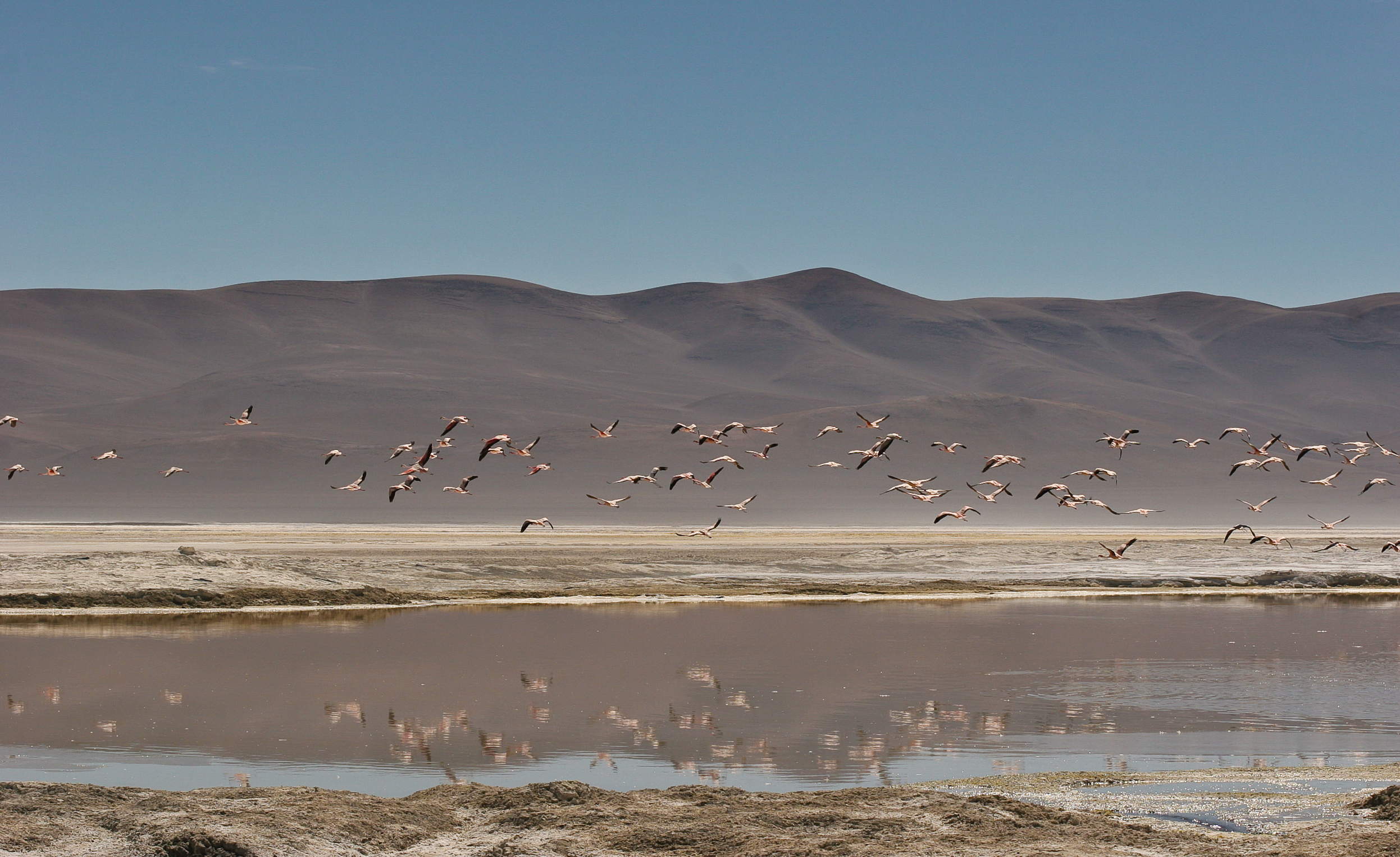
For this reason, mining activity is encroaching on ecosystems that are invaluable for their biodiversity and culture, such as the high Andean wetlands, lakes, lagoons, meadows and salt flats found in Argentina, Bolivia and Chile. These territories are fundamental for water and climate regulation, not just for their role in adapting to the impacts of climate change but also for their role in greenhouse gas mitigation, the conservation of unique biodiversity, and often as home to Indigenous communities that depend directly on them for their subsistence, in addition to maintaining an ancestral spiritual connection to the territory.
The growing extraction of minerals such as lithium – of which near half of the world’s identified resources are found in Argentina, Bolivia and Chile – is directly affecting these ecosystems. It is causing biodiversity loss, environmental degradation and impacts on water quality and availability in areas already characterised by scarcity. At the same time, evidence of the violation of the rights of Indigenous communities is intensifying, as their ways of life – and those of future generations – are threatened.
At the regional level, Indigenous communities have been denouncing the violation of their rights to self-determination and free, prior and informed consultation and consent in the face of potential mining projects. These are the same communities that have protected these territories for generations, conserving these ecosystems that are fundamental to life.
Furthermore, a lack of implementation of environmental planning and management tools for high Andean wetlands, a lack of comprehensive studies on the cumulative impacts of lithium mining, and an absence of robust environmental and social assessments exacerbate conflicts and deepen inequalities in the region.
The growing global race for access to minerals is taking place in a context of climate and ecological crisis, but also of crisis in democratic systems, and setbacks in the fulfilment of human rights globally. Added to this is a growing global trend towards the relaxation of environmental controls and the weakening of environmental protection standards, in a scenario where mining is consolidating its position as one of the activities that exacerbates these crises.
Despite this context, this edition of Raw Materials Week made the least progress in encouraging the incorporation of human rights into European mineral policies. Participation in the official event was restricted, with no opportunity for communities and civil society organisations from the Global South to present their perspectives on impacts of lithium mining. There was no space for these groups to influence the debates that will guide decisions that directly affect them.
In contrast, the agenda focused on investment opportunities for companies and governments, with little room for debate on the impacts of projects in the different territories where minerals are extracted, or are intended to be extracted.
It is essential that debates on minerals include a comprehensive and intercultural perspective, focusing on human rights and planetary boundaries, understood as the critical thresholds that guarantee the stability and resilience of the planet.
The European Union must ensure maximum transparency and full compliance with its binding international human rights obligations. It must also resist any further attempts to weaken essential standards such as its Corporate Sustainability Due Diligence Directive (CSDDD), a 2024 regulation requiring due diligence from companies to prevent human rights and environmental impacts in their value chains.
To achieve all this, it is essential that the European Union reduces its demand for minerals, ensures the early and effective participation of civil society, and fully respects the right of indigenous communities to free, prior and informed consent, as well as their right to say ‘no’ to activities that may affect their territories.