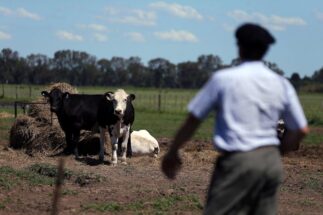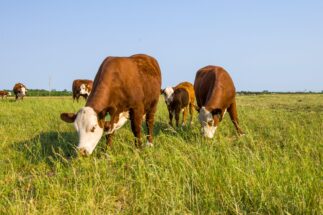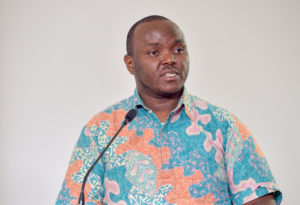
“We raise the cattle in the environment that each of our fields gives us, some with ponds and others with native forests, while cows are fed on natural grass, with an even rotation to maintain the productivity of the grass. This, together with 180 hectares of trees planted several years ago, allows us to be ‘carbon positive’, capturing more emissions than we generate.”
Marina Born is director of Argentine agricultural and livestock business Estancia Caldenes. With fields in various parts of the country, the company sells more than 7,000 head of cattle a year, which are then exported to China, Europe and the United States. They also produce soybeans and corn on about 11,000 hectares.
57%
The percentage of agricultural production emissions beef production is responsible for in Latin America. It also accounts for 58% of land use emissions, while contributing only 12% of protein and 4% of calorie intake in the region, the IDB reports.
Caldenes was first certified as “carbon positive” using an ISO carbon standard applied to one of its fields, with the company on its way to doing the same across its other lands. This means that its soil care, livestock and farming practices allow it to reportedly capture more carbon dioxide than it generates, which opens the door to selling carbon credits for avoided emissions, an avenue the company is starting to explore.
Meeting the targets of the Paris Agreement on climate change, of limiting global average temperature rise to 1.5C, requires not only reducing emissions but also achieving a balance between what is emitted and what is sequestered. Agriculture and the livestock industry are increasingly looking to contribute towards that goal, but doing so will require significant changes in the sector.
Beef production accounts for almost 60% of emissions from agriculture and land use change in Latin America, according to a recent study by the Inter-American Development Bank (IDB). However, its researchers suggest it is possible to reduce these emissions through new production models – along the lines of what Caldenes has done – and changes in diets.
Cows emit methane, a greenhouse gas, when they digest plants, while the gas is also emitted from their manure. In addition, nitrous oxide, another greenhouse gas, is emitted from their waste and from chemical fertilisers used on crops grown to feed them.
“Latin America can be a sustainable beef producer and exporter, but we are still a long way from that. Not enough is being done to improve efficiency and take care of natural resources,” said Patrice Dumas, one of the authors of the report and a researcher at the CIRAD agricultural development centre in France.
Changes in production
Together with researchers from the IDB, Dumas analysed the pathways for land use and the agriculture sector in Latin America to achieve net zero emissions by 2050, considering different emission scenarios with varying degrees of ambition.
The researchers highlight that achieving net zero in the sector will be impossible without reducing the emissions footprint of beef. This will require “transformational actions” on both the supply and demand side as, even under the most ambitious scenarios, emissions from production are far from zero.
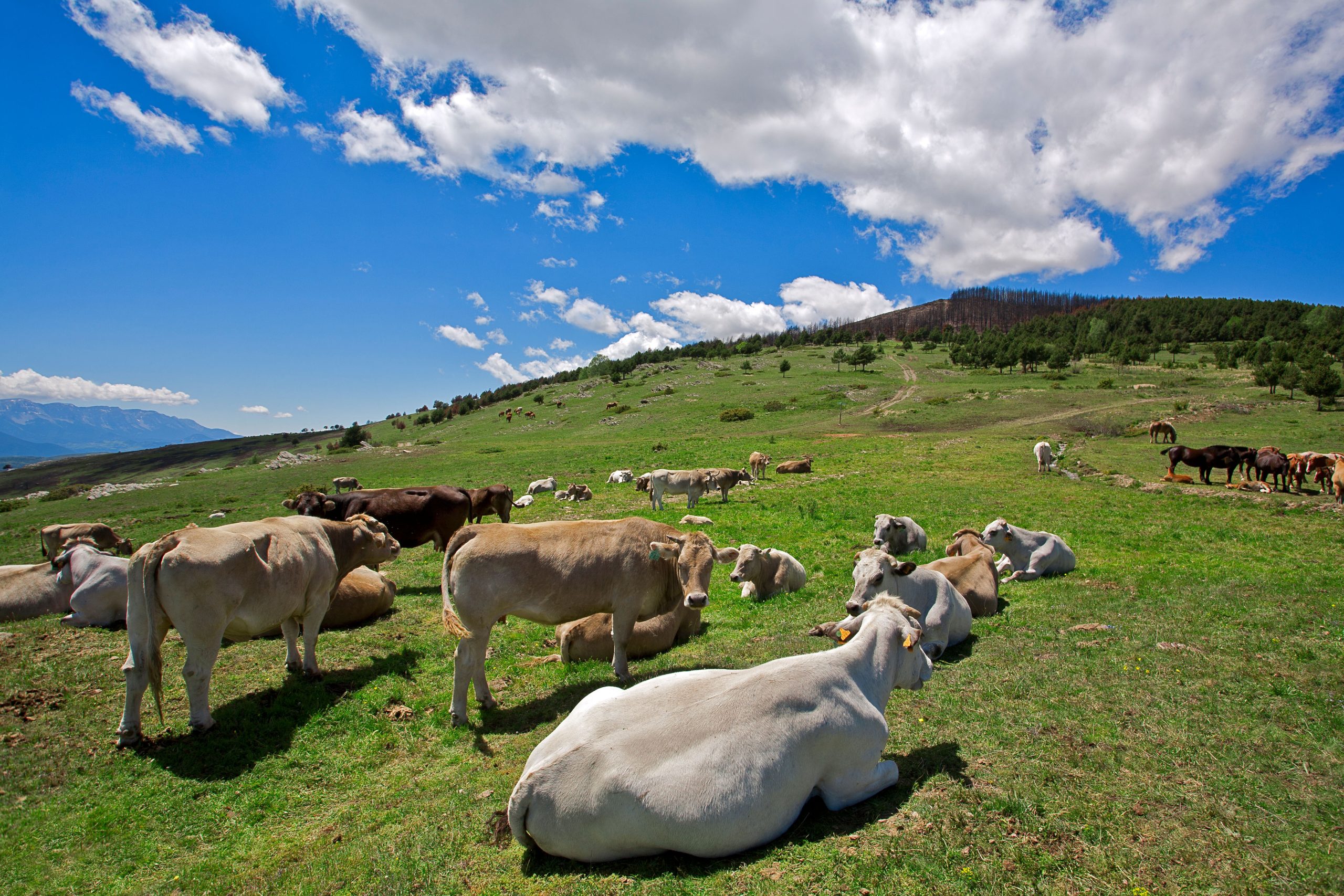
While acknowledging that more intensive livestock rearing can bring problems of its own, the authors report how it can lead to fewer production emissions per unit of product and less land use. To this end, they identified a number of practices that can reduce emissions in livestock production, drawing on case studies from across the region.
Practices include giving cattle more digestible feed – either grass or concentrate feed – rotating cattle on pastures to coincide with grass growth, removing plants that cattle cannot eat, avoiding pasture degradation, and adding nitrogen-fixing legumes to pastures, among other measures.
The study also highlights the use of silvopasture, a practice that combines forestry, forage plants and livestock farming and allows for healthier soils and lower emissions. It also proposes changes in manure management, the reduction of synthetic fertiliser usage, and the use of legumes as cover crops as ways to lower emissions.
“We have to increase efficiency and not waste space,” Dumas summarises. “There are initiatives going in the right direction all over Latin America but it is still not enough. Emissions are still high and are set to increase if countries continue with the same production standards going forward.”
There are initiatives going in the right direction all over Latin America but it is still not enough
Livestock is already part of emissions reduction or mitigation plans underway in Latin American countries. At the same time, governments in the region have made new commitments in recent years, such as the goal of reducing methane emissions by 30% by 2030, agreed at last year’s COP26 climate conference.
Uruguay has since announced that it managed to lower greenhouse gas emissions from its livestock sector by up to 16% per kg of meat produced by improving management practices without increasing costs, according to a study presented by the government in June. Meanwhile in Brazil, the “ABC Plan” for low-carbon agriculture has encouraged the adoption of new livestock practices, and provided assistance to farmers to do so.
Changes in diet in Latin America
Taking into account dietary preferences in Latin America, researchers agree that while a total shift towards vegan or vegetarian diets in the coming years will not be needed or likely, reducing livestock emissions will require consumer-side changes as well as in meat production, especially in the region’s highest-consuming countries.
In Brazil, 13 g of beef per day per person is consumed, rising to 18 g of beef per day per person in other Southern Cone countries, compared with an average of 9 g in Latin America, a global average of 4 g and less than 4 g in Central America and the Caribbean. Beef consumption is unevenly distributed in the region. There is room to reduce this consumption while improving nutritional outcomes in Latin America, the authors suggest.

For the researchers, one option is to replace part of the protein intake from beef with protein-rich crops such as soy or beans. They also suggest replacing part of this beef consumption with other livestock products such as pork and chicken, which generate fewer emissions than cows.
In any case, beef consumption in major consuming countries such as Argentina is already declining due to price rises and dietary changes. At the same time, the market for meat alternatives is increasingly competing with conventional meat products on taste, price and convenience.
Among the many organisations to draw attention to the double-sided approach to lowering emissions is the World Resources Institute. “Both food producers and consumers have a role to play in reducing emissions from meat as the world’s population continues to grow,” researchers stated in a paper published earlier this year.