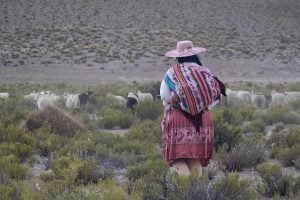
In the province of San Juan, one of the most arid in Argentina, water is more than a resource: it is a symbol. A popular legend tells the tale of a local woman, Deolinda Correa, who died of thirst in 1841 while crossing this province during the civil wars. Her baby miraculously survived and Deolinda’s legend, La Difunta, was born. The local tradition is to leave a bottle of water at her shrine; the scene reflects the daily tension in this foothills region, where water is scarce and valuable.
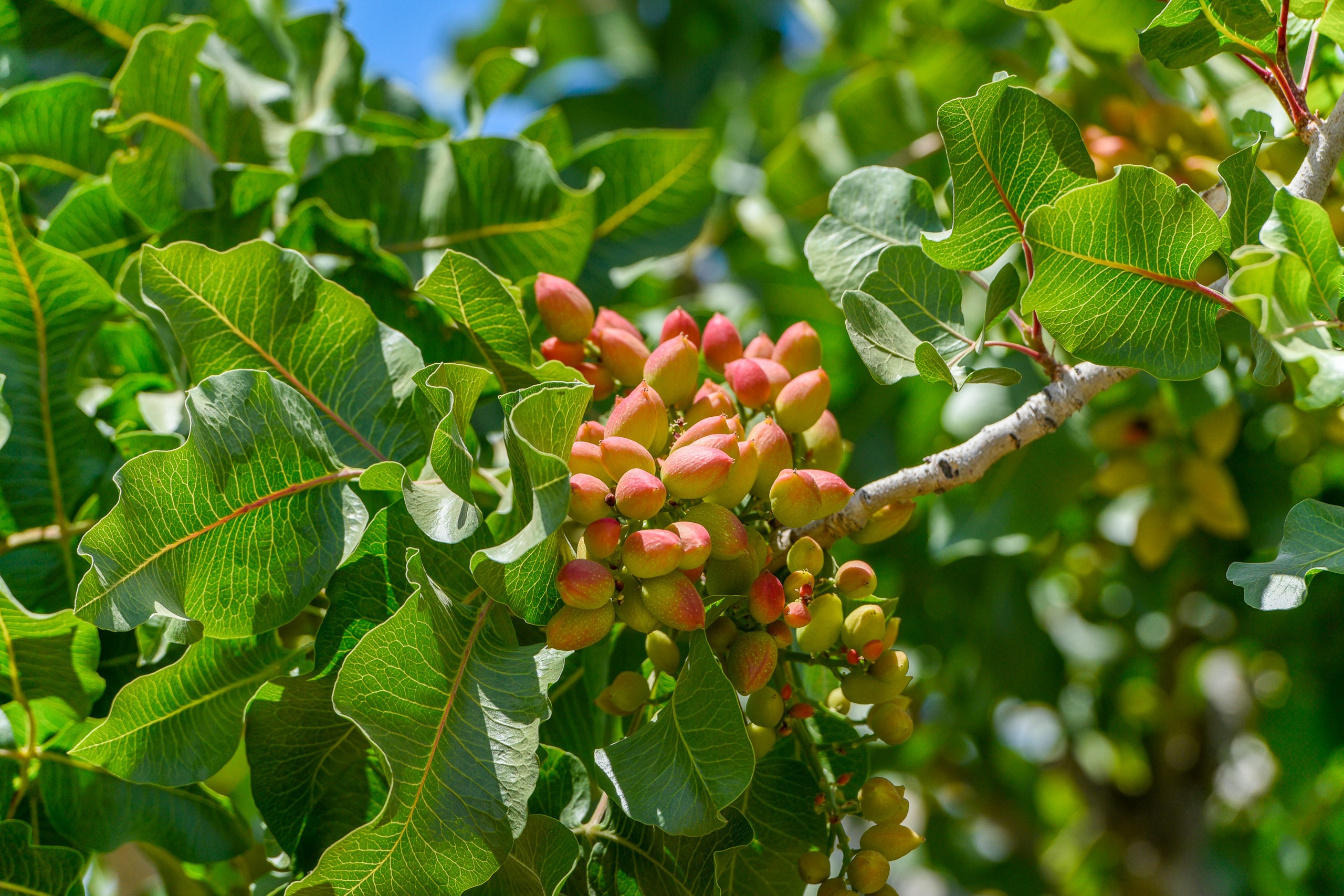
Paradoxically, it is this same geography that today gives life to a rapidly expanding crop: pistachios. The nut thrives in these ideal climatic conditions – cold winters, hot, dry summers – and a growing global market.
The area covered by pistachio farms has grown from about 1,000 hectares in 2013 to between 7,500 and 8,500 hectares today, according to estimates provided to Dialogue Earth by the National Institute of Agricultural Technology (INTA). San Juan currently accounts for about 90% of the cultivated area. But the essential resource needed to sustain this pistachio revolution is precisely what is most lacking in San Juan: water.

A boom in the midst of drought
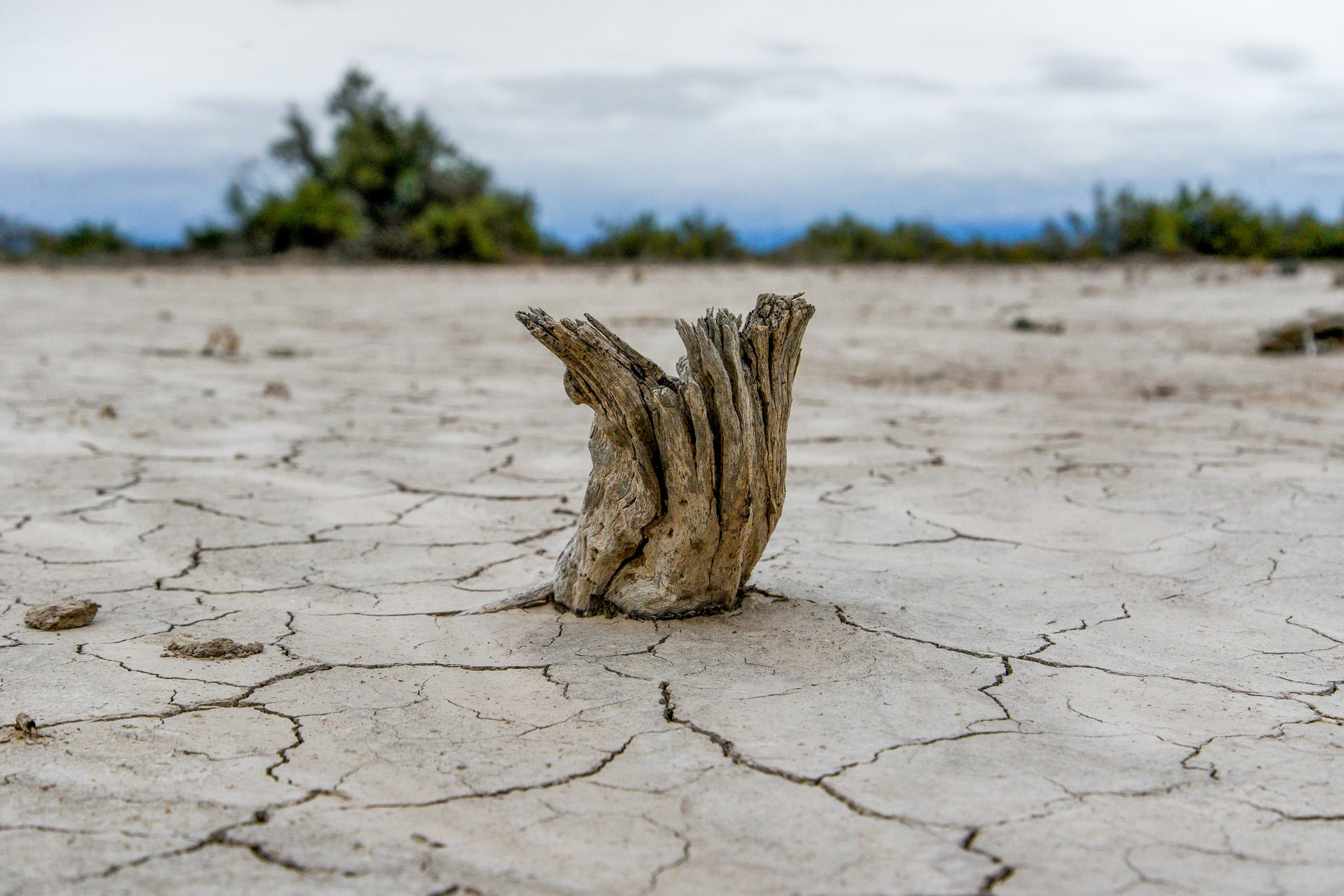
This north-western region of Argentina has been experiencing more than a decade of severe hydrological drought, exacerbated by climate change and inefficient resource management.
Water supply depends mainly on winter snowmelt, the source of which has been threatened. According to data from the Argentine Institute of Snow Research and Glaciology (IANIGLIA), exposed ice levels in the Desert Andes fell by 17% over the past 15 years, snow patches reduced by 23% and water levels in monitored glaciers fell by an equivalent of seven metres. The Centre for Research, Development and Innovation for Water Management in Arid Areas (CIGGIA) maintains that the neighbouring San Juan and Jáchal river basins have snow levels “well below the average for the past 25 years”.
The outlook is critical, says Leandro Salvioli, a researcher at the National Water Institute (INA), a government research body.
“In San Juan, it rains between 80 and 100 millimetres per year, and droughts are more frequent and longer. We are going deeper and deeper into the aquifer to find water that is 10 to 12,000 years old. If we do not build water awareness, we are heading straight for a wall,” he says.
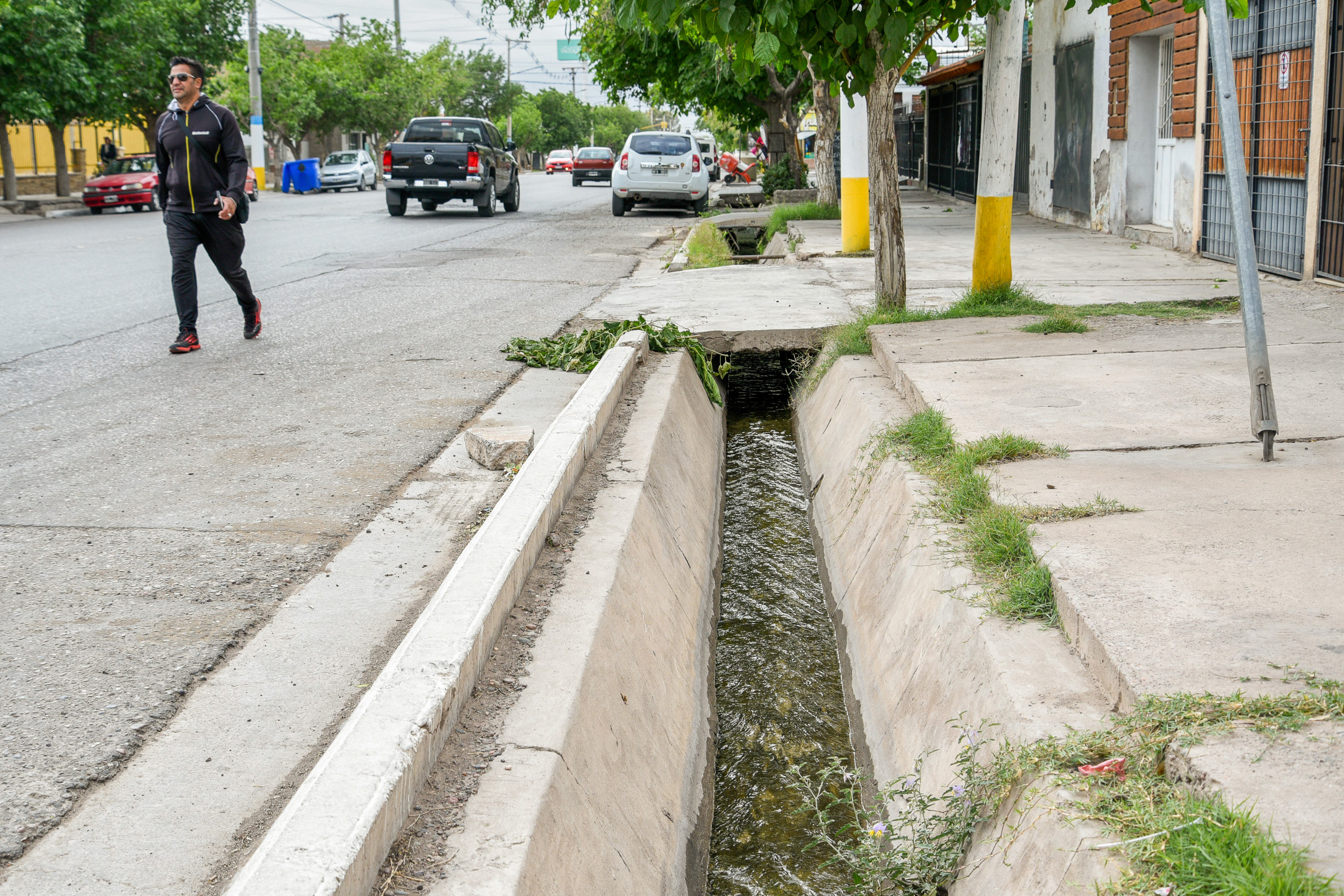
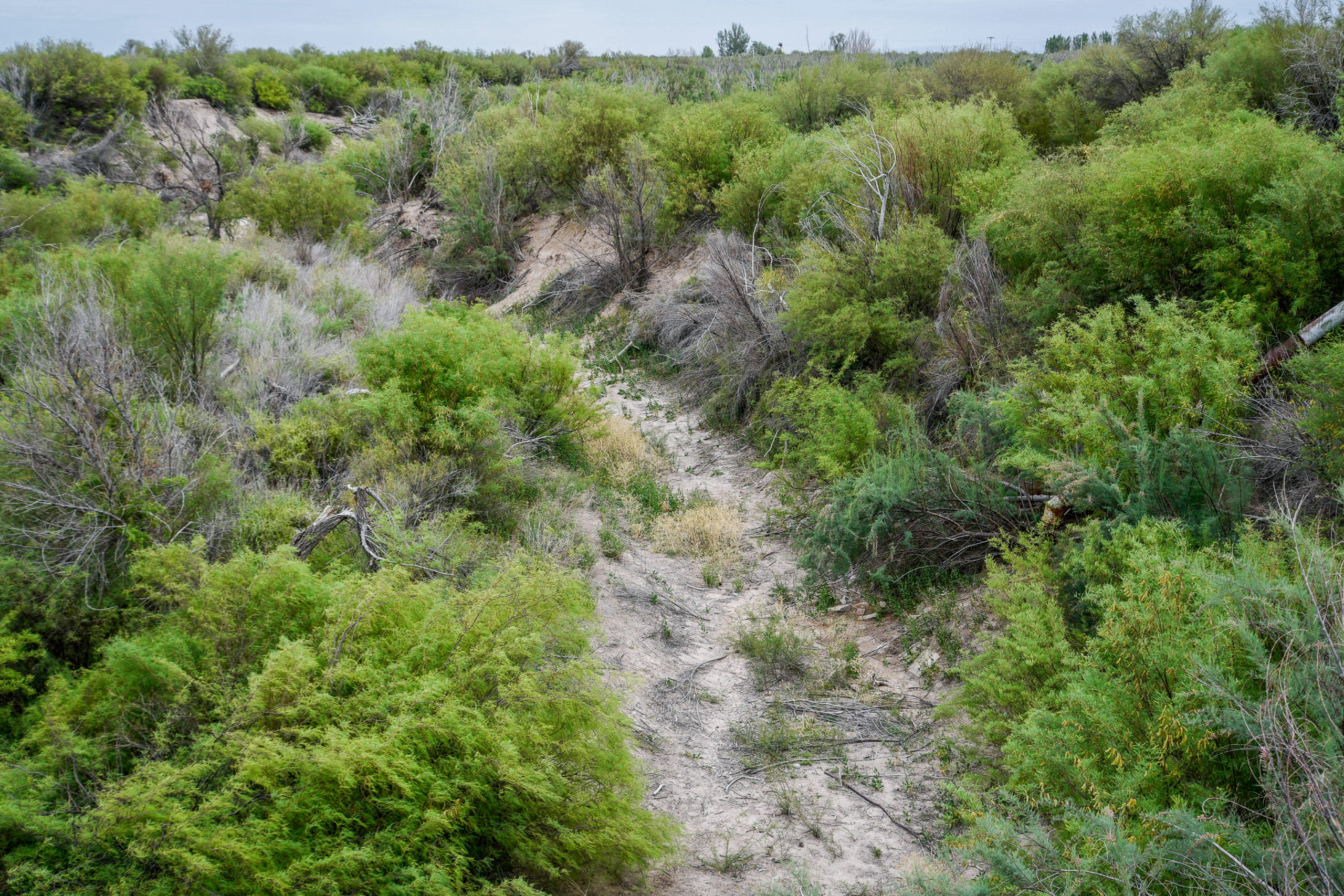
Added to the scarcity is a lack of robust oversight. Although there are only 5,370 authorised water wells, Salvioli estimates that there are around 15,000 including unauthorised sites, fuelling overexploitation.
An efficient but demanding crop
Pistachios tolerate water shortages better than other crops thanks to the depth of their roots. But commercial yields still require considerable amounts of water, according to INTA technicians.
“It is very interesting for arid areas, but to perform well it needs water, and that is the challenge,” explains Gonzalo Sánchez Cañete, a researcher at INTA San Juan.
According to the main production companies, the sector has invested in technologies that seek to optimise resources, such as constant soil moisture measurement and drip irrigation. The latter can save as much as 80% in water consumption compared to other irrigation methods.
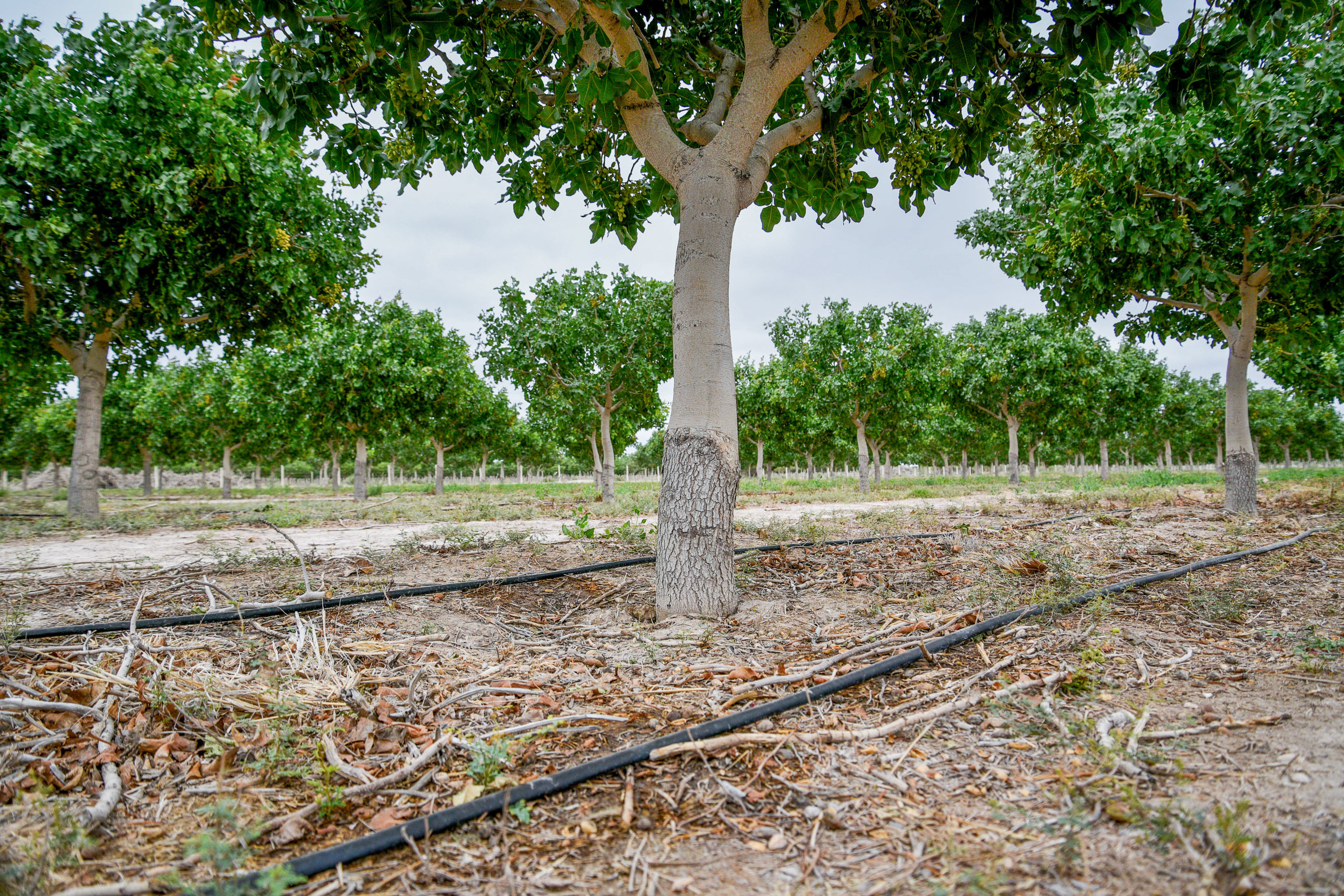
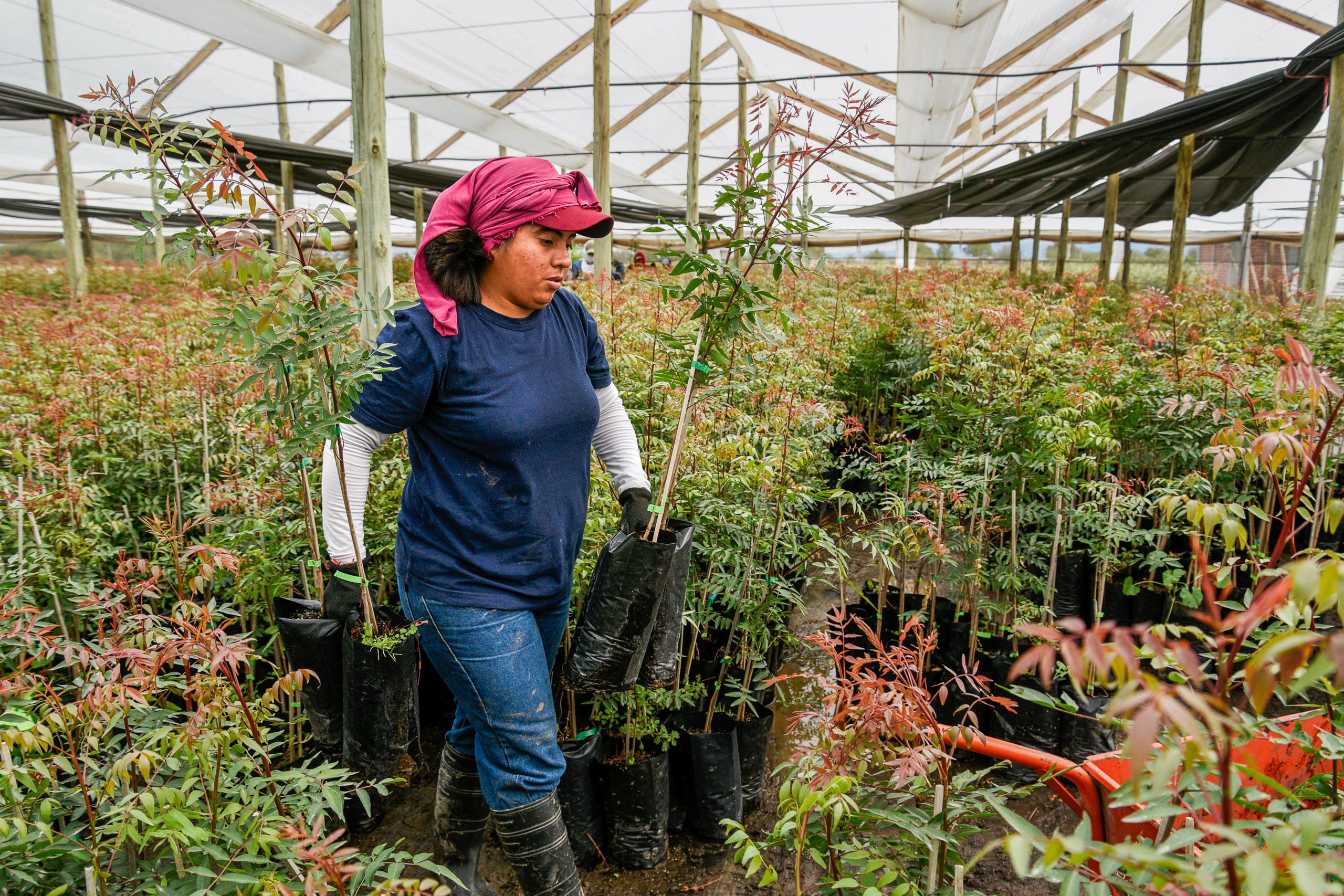
In the San Juan department of 25 de Mayo, the country’s largest pistachio hub, the company Pistachos de los Andes has been operating for almost two decades. It manages some 300 hectares, with yields of between 2,800 and 3,000 kilograms per hectare per year. It also has a nursery that produces about 100,000 plants annually, according to agricultural engineer Pablo García, who manages production at the site.
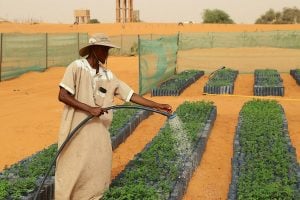
The farm looks like an oasis in the desert, with neat, green plots of trees contrasting sharply with the dry and arid landscape. Brenda Sánchez has been working at the nursery for two years. “Plants need to be treated with care and affection because they are fragile. Water is scarce around here, so we know we have to take good care of it,” she says.
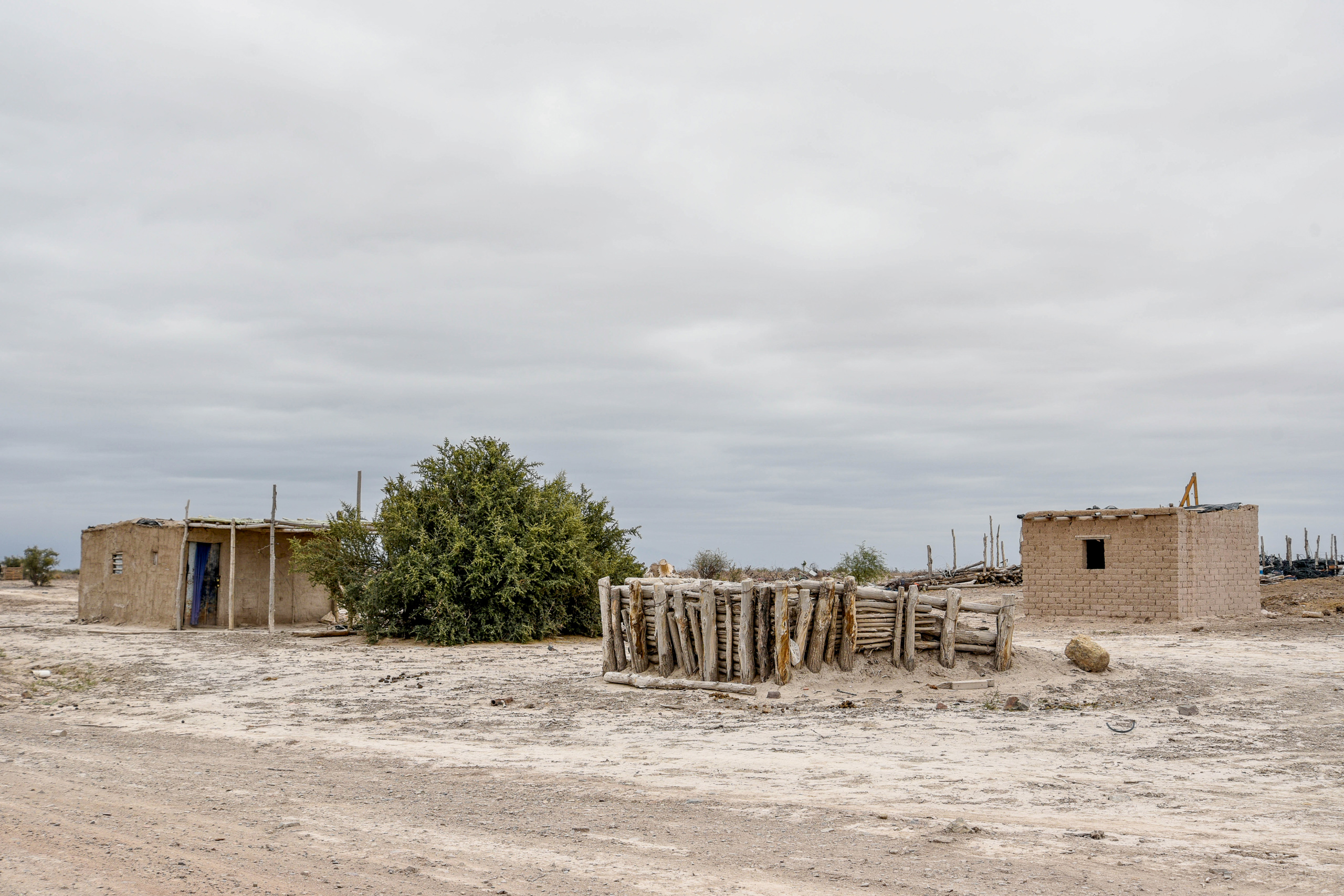
Significant investment has been made in technology, ranging from a substrate for seedlings imported from Finland to frost protection mills brought in from New Zealand. This technology stands out in an area of small, precarious settlements. Many inhabitants continue to build their homes with mud and wood, according to the ancestral tradition of the region’s Indigenous Huarpe people.
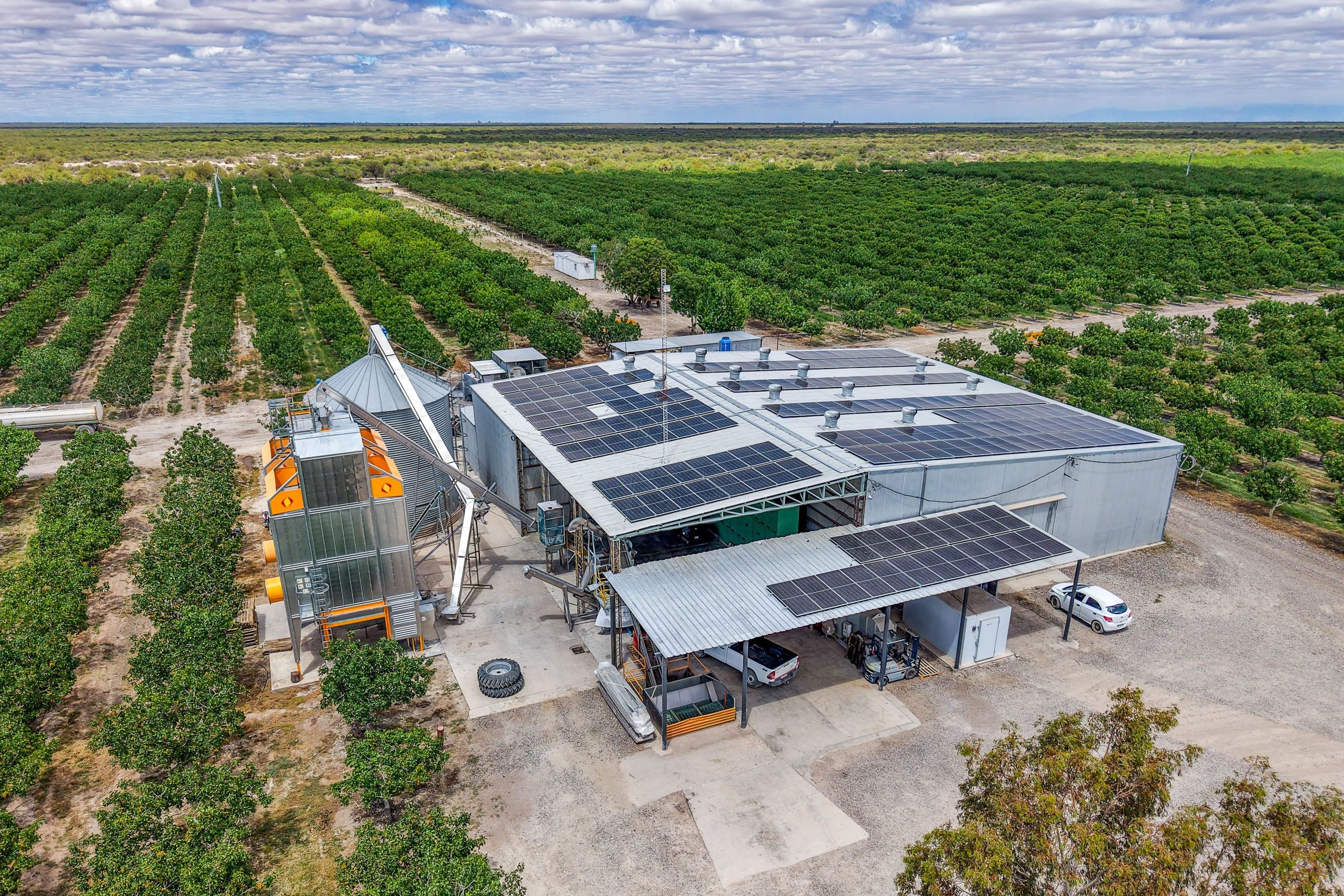
“We are a circular-economy company,” Pistachos de los Andes’ owner Marcelo Nemirovsky tells Dialogue Earth. “We do not generate waste and we use solar energy. And we make very efficient use of water; drip irrigation does not waste a single drop.” The company uses between 7,000 and 8,000 cubic metres of water (roughly equivalent to three Olympic-sized swimming pools) per hectare per year.
The provincial agriculture secretary Miguel Moreno tells Dialogue Earth that the pistachio sector is a “model of water management”, and 97% of its operations use modern technology.
Even so, experts agree that the debate over water use in a desert region – where arable land accounts for barely 3% of the province’s surface area – will continue to grow.
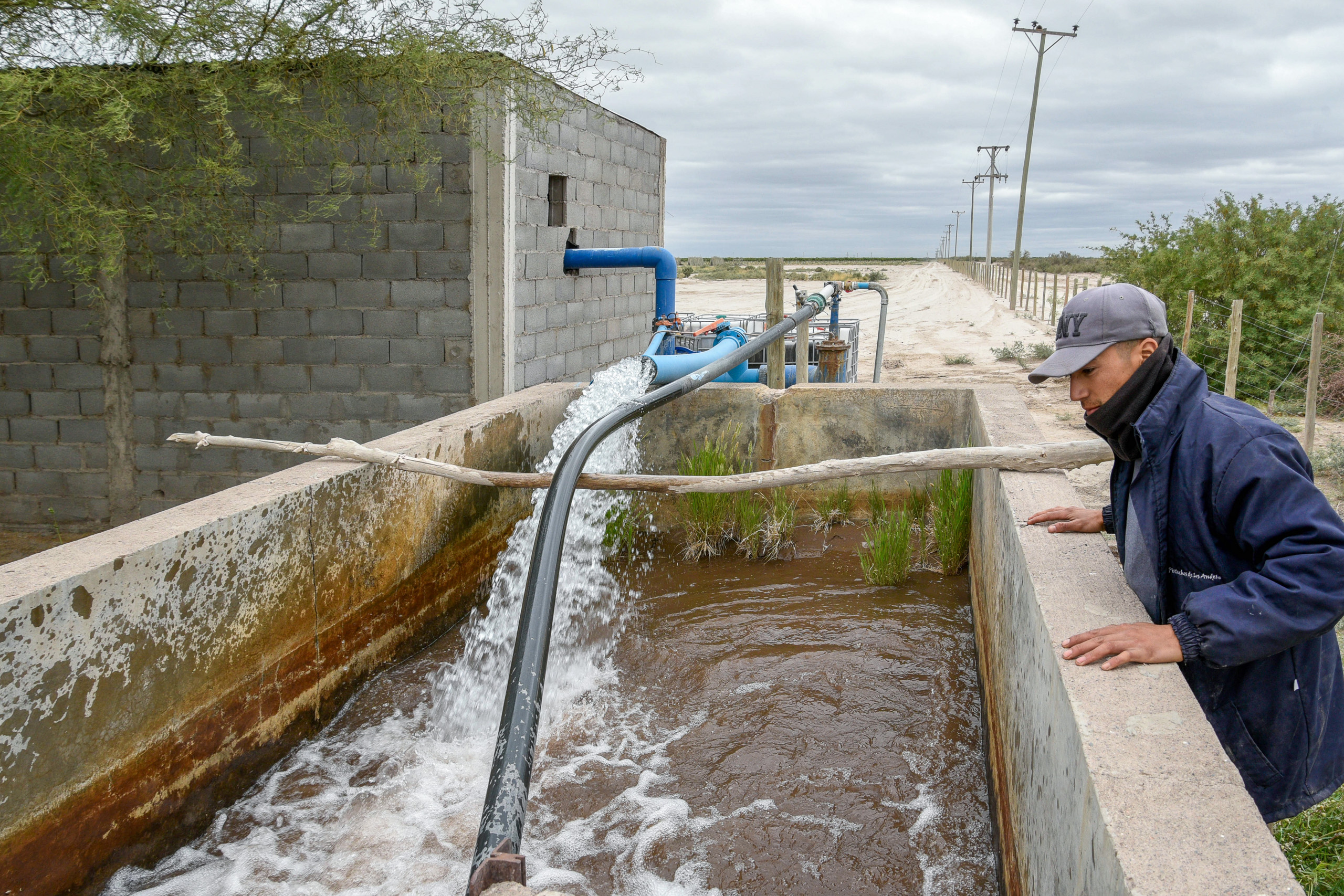
“There is something capricious about wanting to live and produce in a desert. Humans should adapt to that, not the other way around,” argues Salvioli.
Global demand and local expectations
Argentina’s pistachio boom is part of a global phenomenon. Globally, production is expected to grow by 7% this year to 1.2 million tonnes, according to a report by the United States Department of Agriculture. The US leads the market, followed by Turkey, Iran and Syria. Consumption is also increasing, especially in Turkey.
International prices rose by 17% this year, reaching USD 23 per kilo and earning it the nickname “green gold”.
In Argentina, pistachios are part of a nut industry covering approximately 22,000 hectares, led by walnuts, followed by pecans, almonds and hazelnuts, according to the latest official figures in the National Agricultural Census, from 2018. The government estimates there are now about 30,000 hectares.
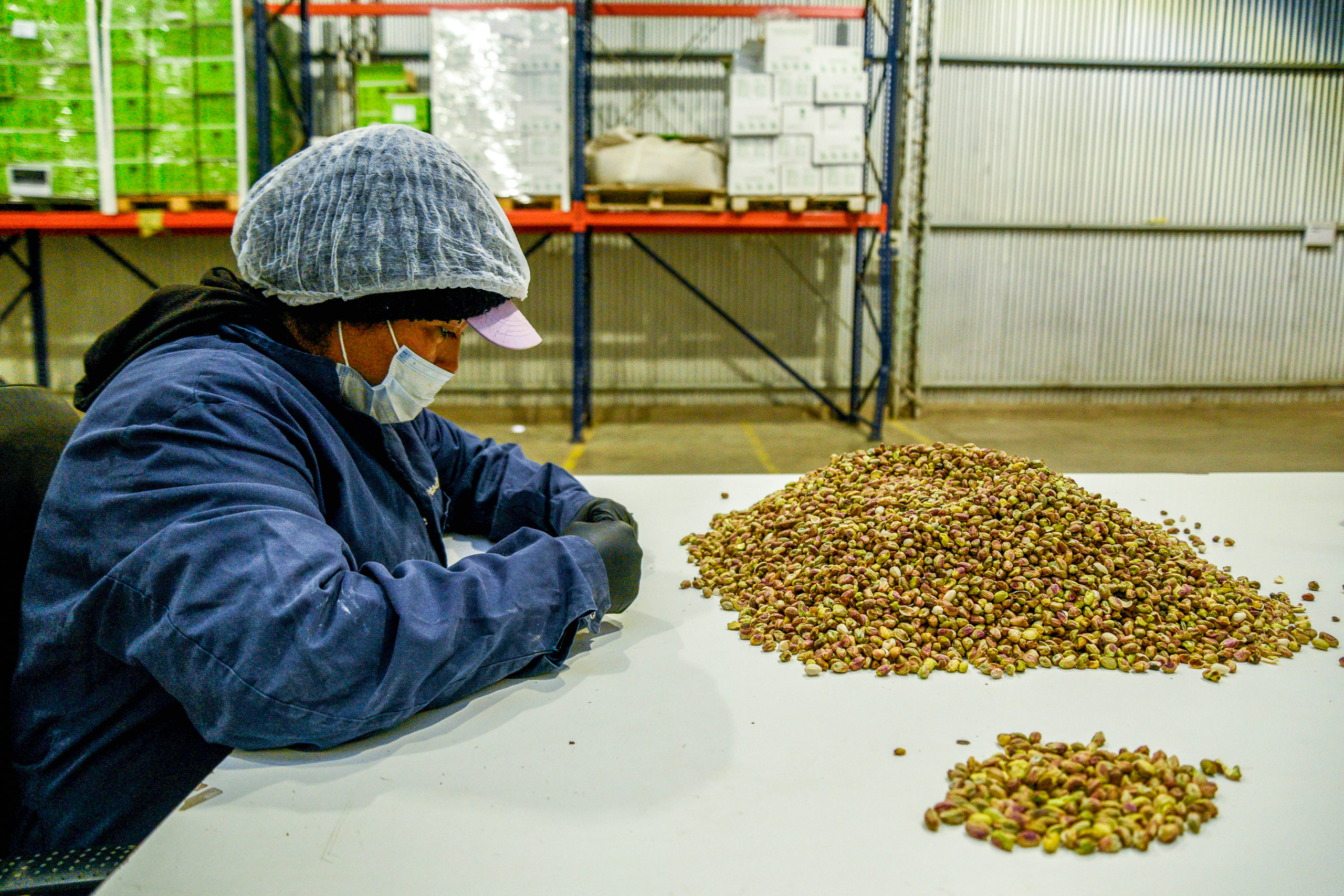
For some of the country’s oldest nut producers, such as Prodeman, which specialises in peanuts and has recently entered the pistachio market, the opportunity combines diversification with a global trend towards healthier consumption.
“The demand for nuts is growing because the younger generations are eating healthier,” says the Prodeman board member Gustavo Cavigliasso. “First, we want to strengthen the domestic market, but the doors are always open to exports.”
China: A distant horizon full of expectations
Argentina’s pistachio producers were boosted in March this year by China’s decision to approve imports of Argentine nuts, with the first shipment of pecans sent this month.
China imports some 170,000 tonnes of pistachios annually, a volume that far exceeds Argentina’s total production.
This has been seen as potentially significant by experts, but unlikely to have an immediate impact.
“The trade link with China is excellent and growing, but today Argentine pistachios are far from being able to supply such a market,” Ernesto Taboada, director of the Chinese-Argentine Council, explains. “Chinese buyers will come for many containers, not for one bag.”
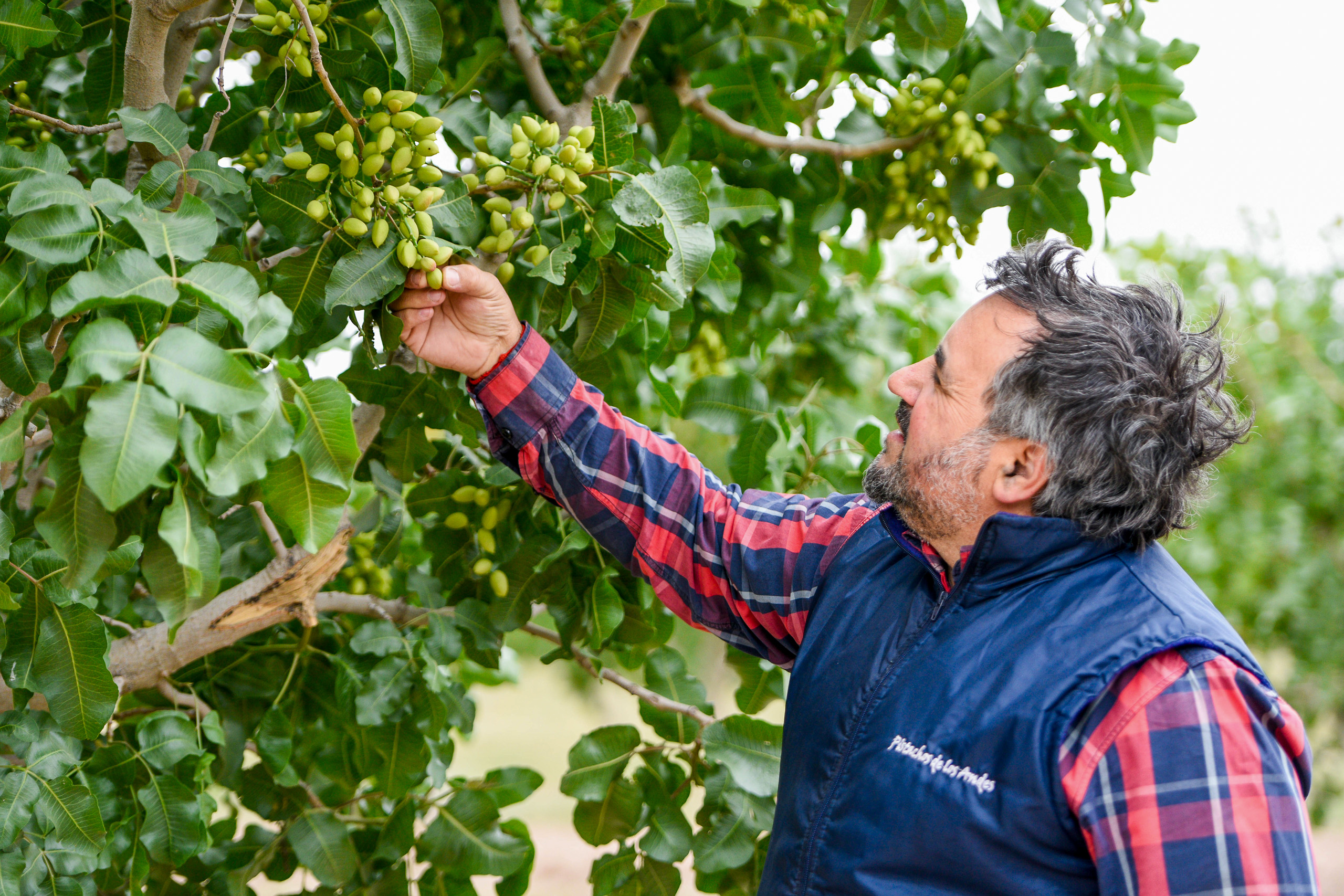
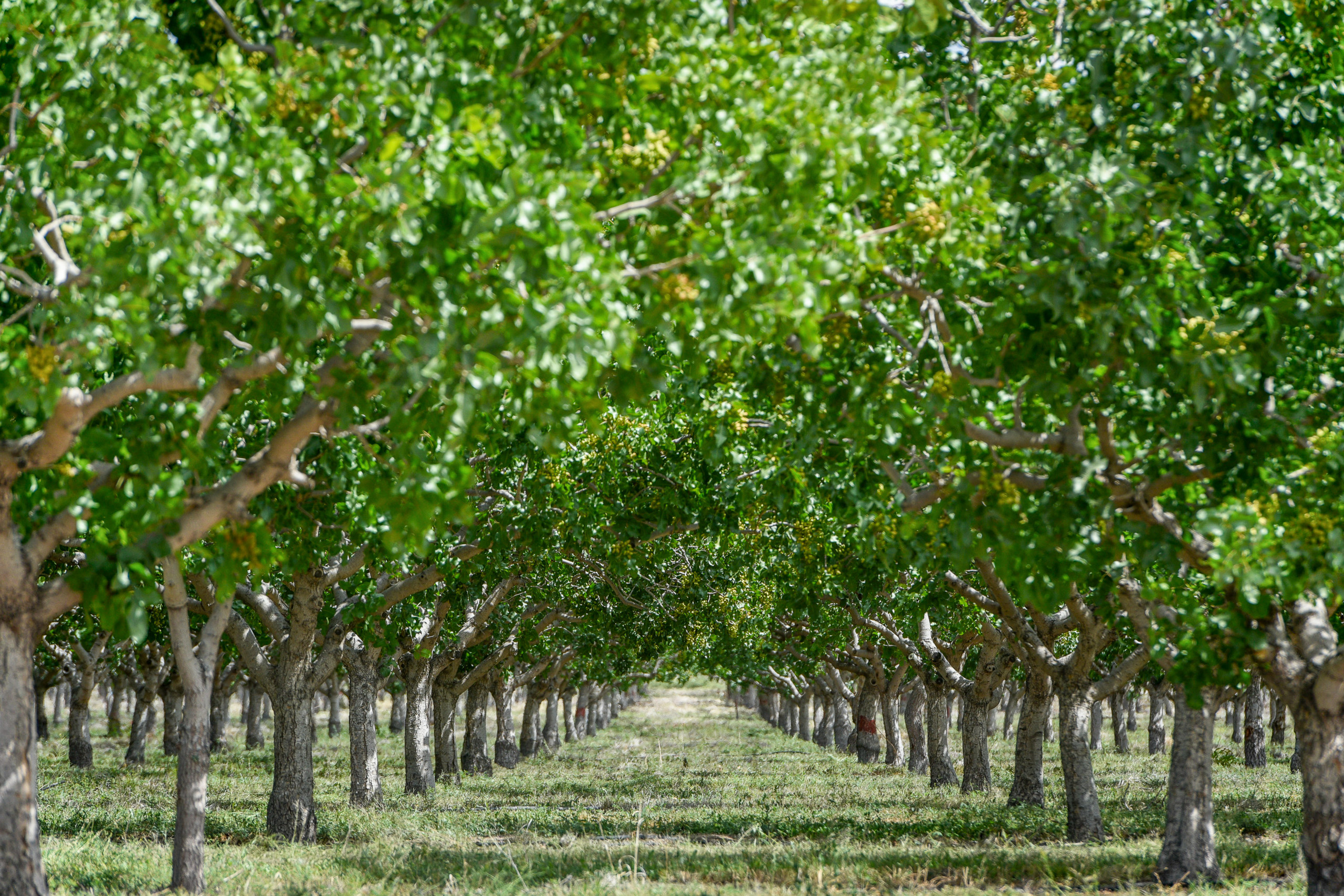
The main challenge is achieving the desired scale quickly. The trees take 8-10 years to mature. “We are interested in selling to them, of course, but we don’t have the volume yet,” acknowledges Nemirovsky. “To reach China, we first have to grow, and that takes time.”
Moreno, the agriculture secretary, acknowledges the difficulties: “The opening up of China will have an impact, but it is still impossible to cover that market.”
China is seen as a giant market that could absorb Argentine pistachios when – and only when – the sector manages to expand its production scale.
An industry in search of balance
Argentinian pistachio farmers are balancing this potential growth with the limitations of production in one of the driest parts of the country. As tensions between agricultural expansion and water crises become more visible, experts warn the sector’s future will depend on its ability to adapt.
According to data from the INA, the aquifer on which much of San Juan’s production depends is being exploited faster than it can be recharged. As Salvioli says, “it is a resource that cannot be renewed.”
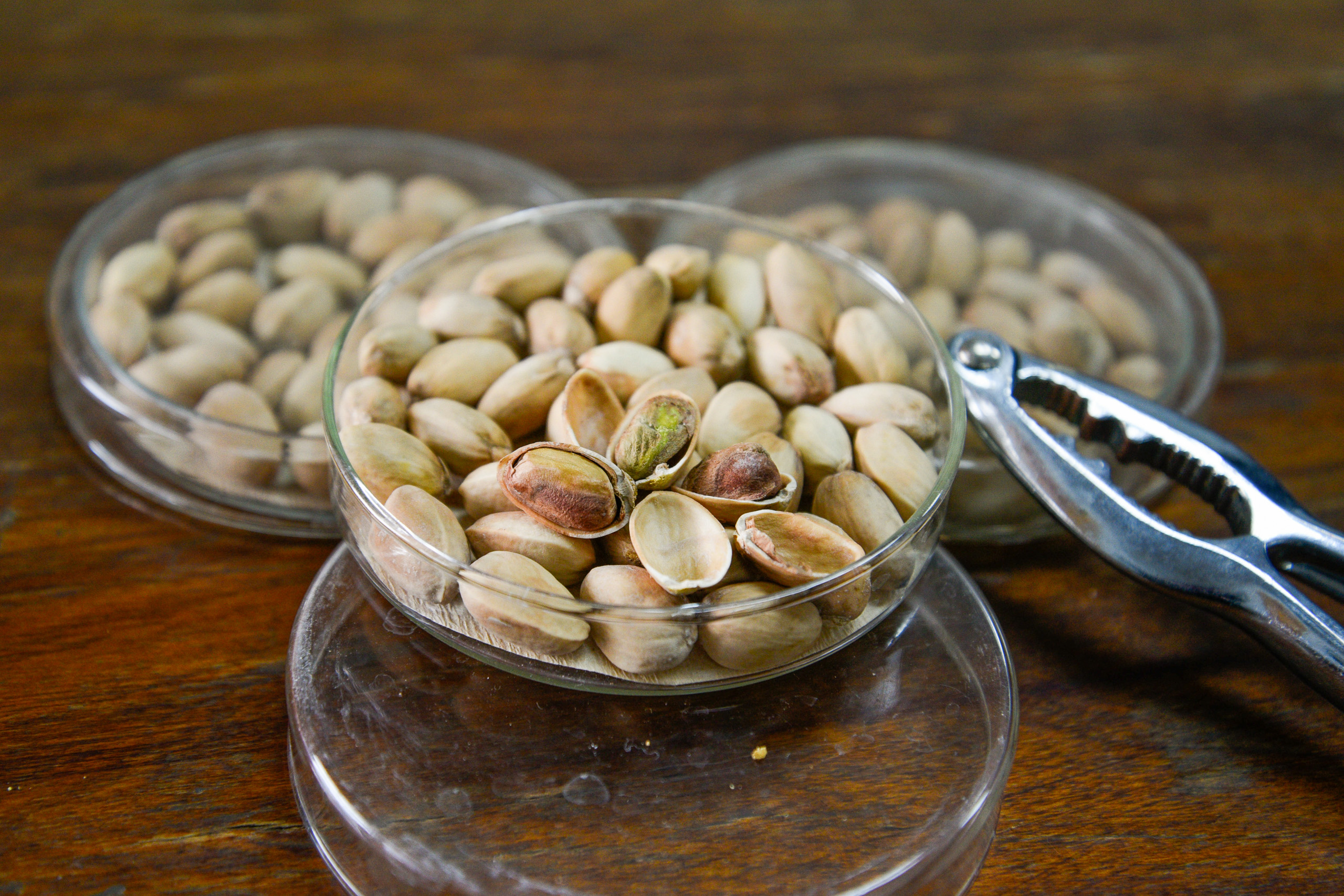
At the same time, the pistachio sector is trying to position itself as an example of efficiency. According to the Agriculture Ministry, 97% of plantations use drip irrigation. The main companies also use sensors, permanent monitoring and renewable energy to reduce consumption.
However, advanced technology is only a partial solution. INTA researcher Cañete says: “The question is not only how much water they use, but where it comes from and how much is left for others.”
The challenge is to find a balance: to expand a crop that can generate employment and exports, without compromising a resource that defines life itself.
According to Salvioli, the lack of control over well drilling and the intensive exploitation of water exacerbate the problem: “An increasingly scarce resource is being abused.”