We encourage you to republish Dialogue Earth articles, online or in print, under the Creative Commons license. Please read our republishing guidelines to get started.
They are called Jaladash (servants of water). Hereditary fisherfolk living along the mouths of the Meghna river and the coasts of Chittagong and Cox’s Bazar, this Dalit community now regularly faces one of the most fearsome effects of climate change – the Bay of Bengal swamps their homes at almost every high tide.
The oldest traditional fishing community in Bangladesh, around 600,000 Jaladash also battle extreme poverty, serious shortages of drinking water, healthcare, education, formal banking facilities and now loss of livelihood. They are routinely affected by the Bangladesh government’s fishing bans to let fish stocks improve; at other times, they are hit by the drying up of various rivers and creeks in the Ganga-Brahmaputra-Meghna delta due to dams and barrages upstream. Over the last two decades or more, they have also had to deal with increasing salinity that affected their freshwater sources, pollution and sea level rise.
There are hardly any government or non-government organisations offering technical or credit support to the Jaladash to improve fishing efficiency or management. Liton Jaladash, president of the North Chattala Coastal Fisherman Jaladash Cooperative Welfare Federation, said, “Life is not good. We fish but we do not get food every day. We have to survive, but it is hard.”
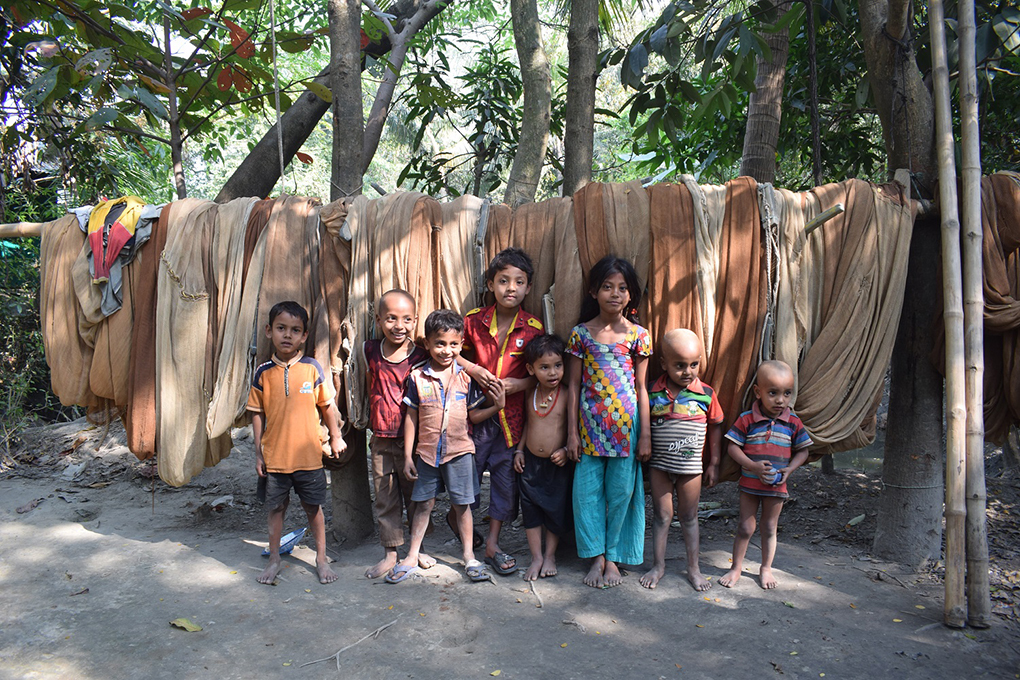
Almost no member of the Jaladash community owns any land, so farming or aquaculture are not options open to them. They use the same fishing nets that their ancestors did. The large-mesh nets allow fingerlings to escape and are therefore more sustainable, but these fishers lose out to the modern trawlers that use nets with miniscule meshes and catch juveniles that they either discard or sell to fishmeal factories.
Increasingly, Jaladash youth are being forced away from their traditional livelihood and end up as rickshaw pullers or unskilled labourers in urban areas, including Chittagong and even as far as the Bangladeshi capital city of Dhaka, around 250 kilometres inland.
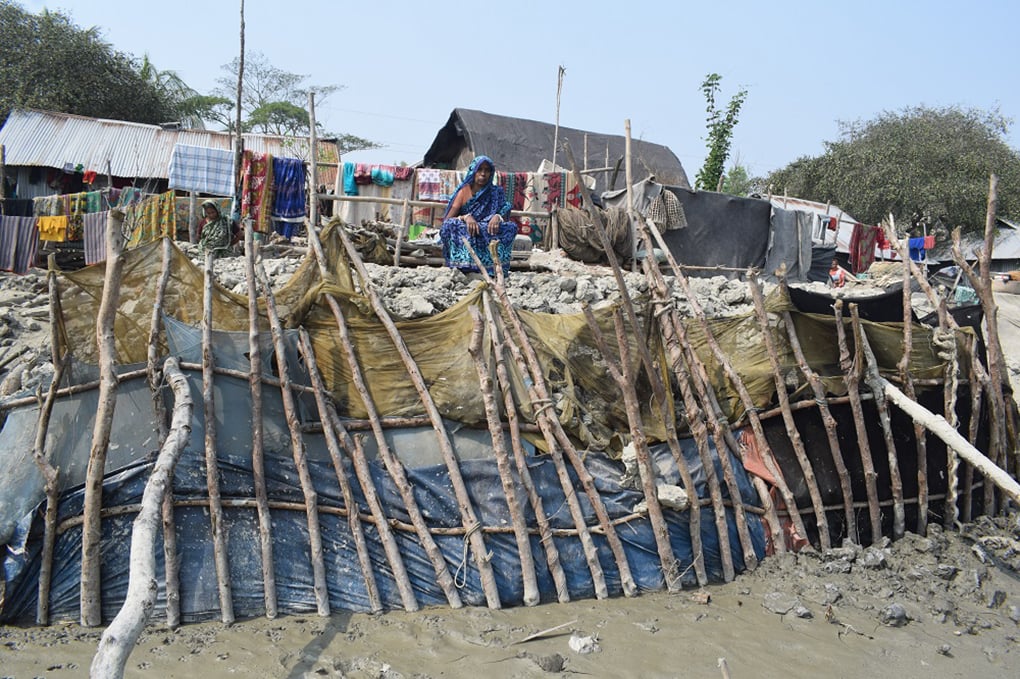
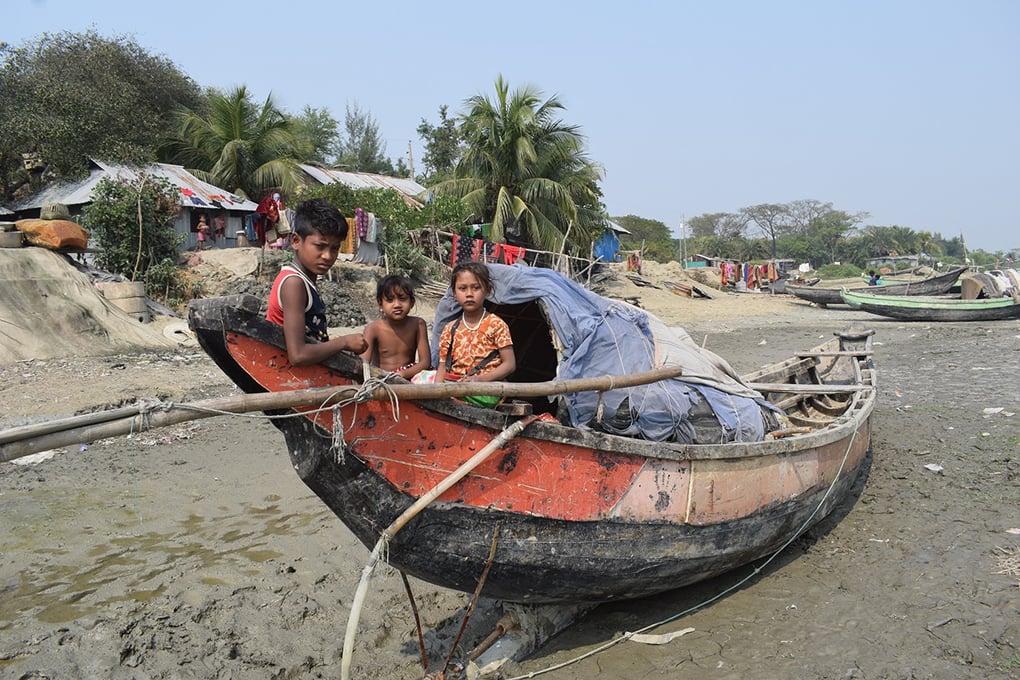
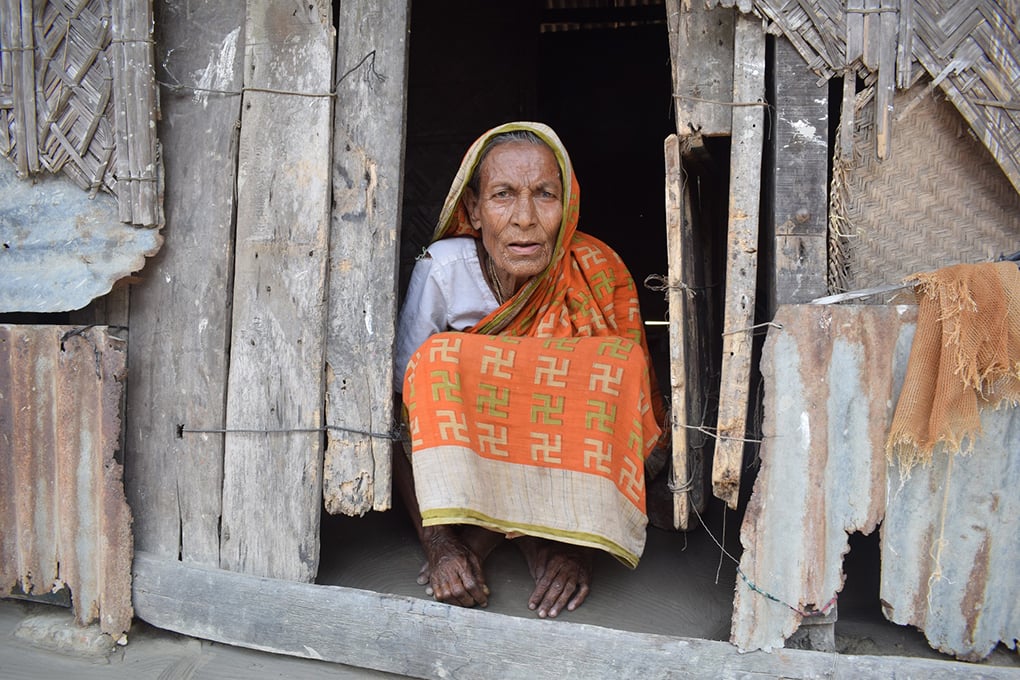
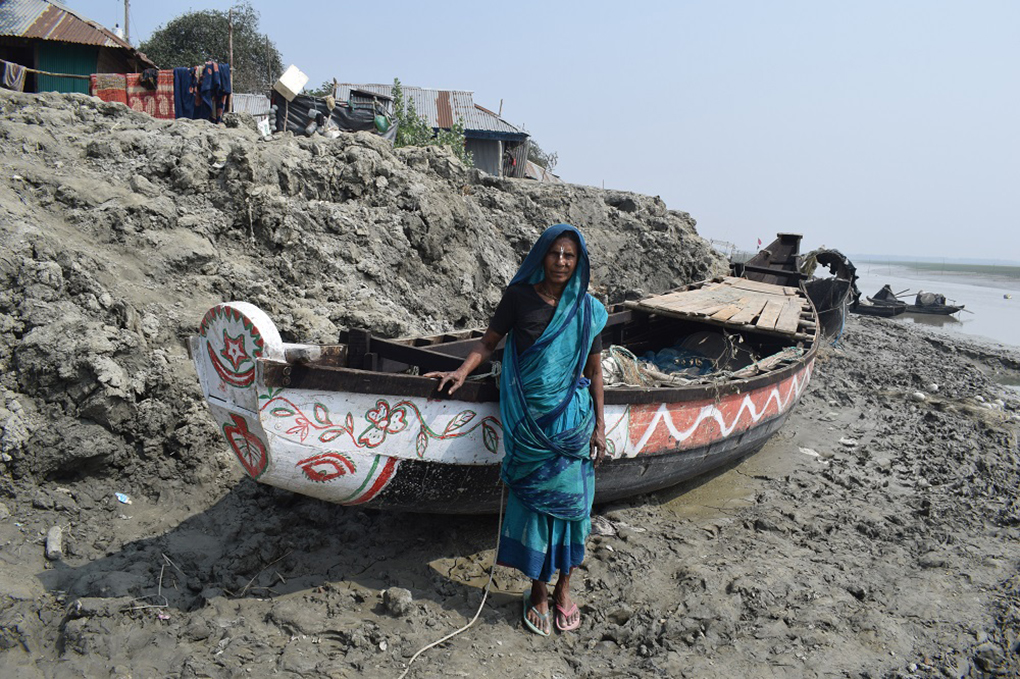
High tides, storms, floods, erosion – everything endangers Jaladash settlements that have only a bamboo palisade for protection, as seen in Char Khandakar, on the southern side of Sonagazi in Feni district along the Bay of Bengal coast of Bangladesh. Resident Manik Jaladash said, “Water enters my house every time and we can’t stop it.” Villagers have to repair their homes after every monsoon, storm and even high tide.Owning a fishing boat is the dream of every Jaladash child. They grow up playing among the anchored boats and drying nets of their neighbours.
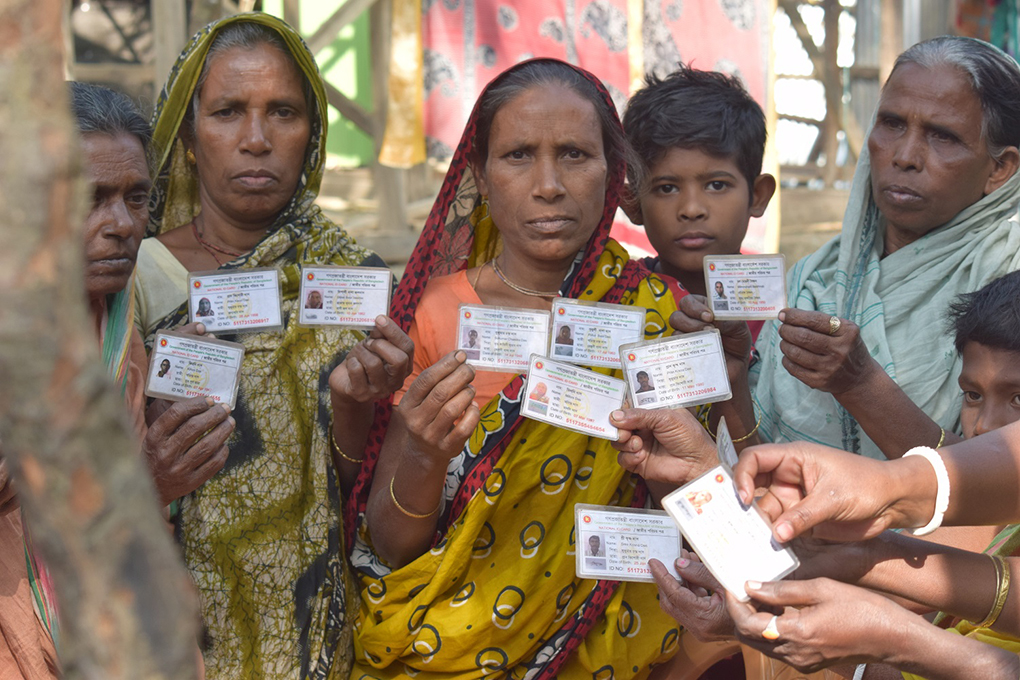
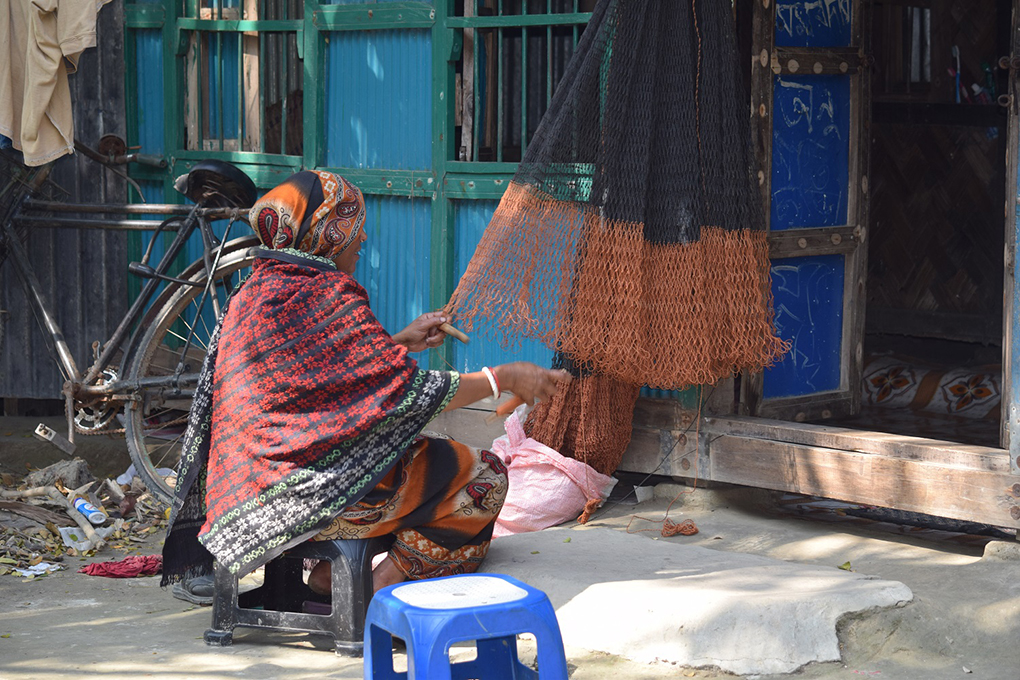
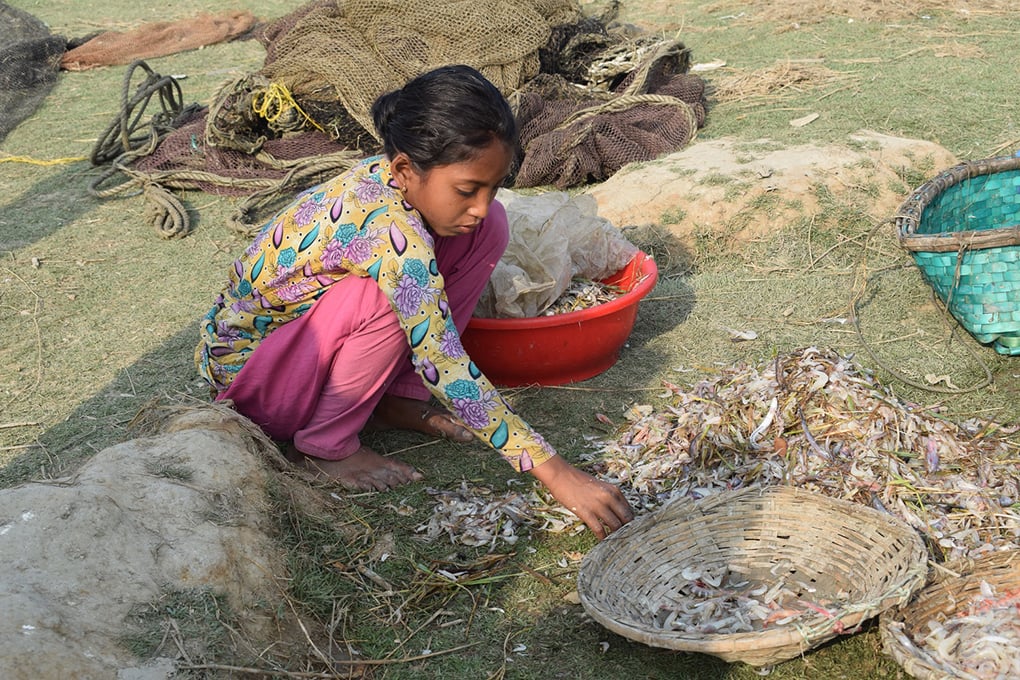
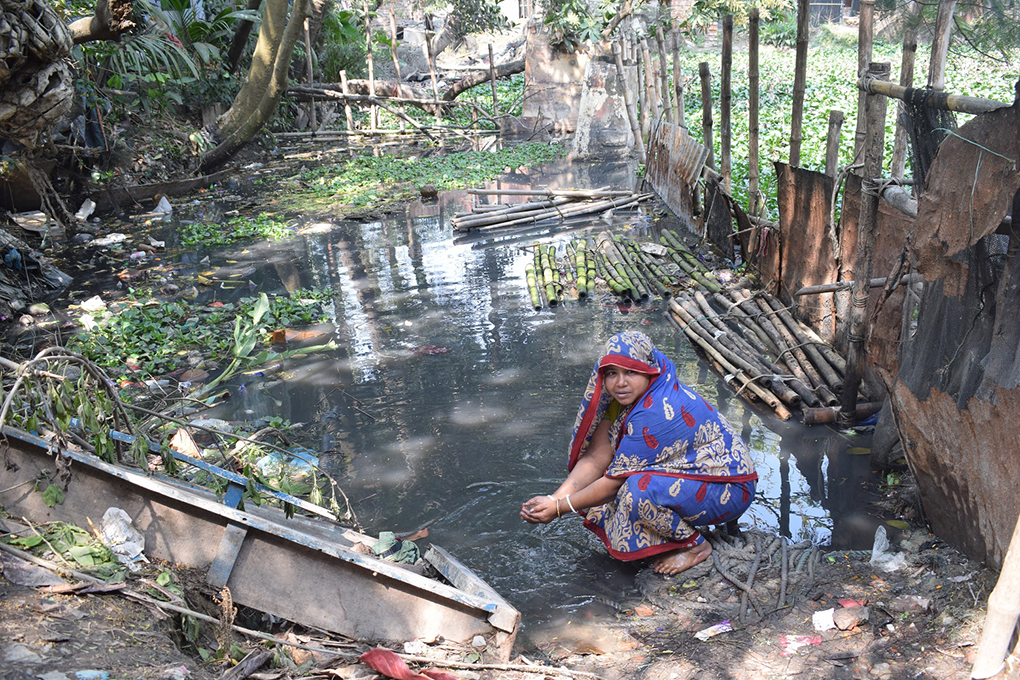
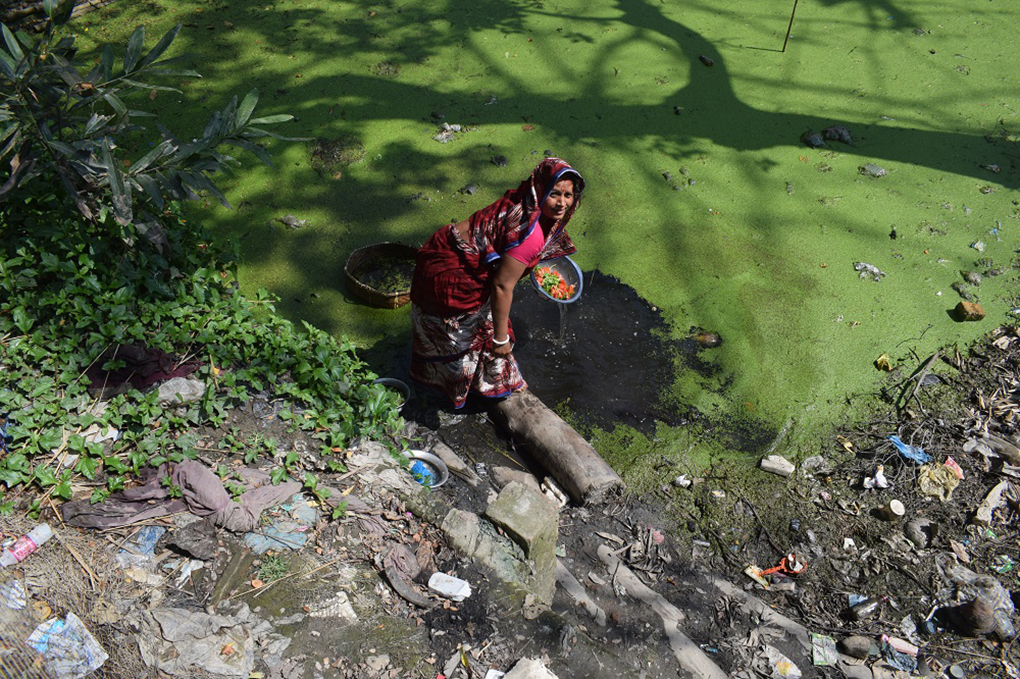
These residents of Char Gazi in Ramgati sub-district of coastal Lakshmipur district are happy to be given National Identity cards that recognise them as citizens of Bangladesh, but it has not yet brought them the services available to others below the poverty line – livelihood and alternate income generation support, food during the fishing ban season, schools, healthcare and so on.In the Jaladash community, fatality rate through drowning at sea is high, and the death of a fisher leaves his widow with no source of income, as has happened to 60-year-old Chiddati Bala Jaladash of Char Khandakar. She has also lost her son and son-in-law. The family has not received any compensation from the government. Chiddati Bala said, “The boat that took my husband to the sea brought my husband’s dead body. One shockwave turned my life into hell. Now my daughter and I have to pay all the debts of my husband and my late son.”Women of the Jaladash community repair the fishing boat of the family, mend nets, sort the catch and do all the work at home.Having just done some repairs to a boat, 62-year-old Sadhana Rani of Char Khandakar said, “I am getting old, but life is not giving me any rest.”There is no rest for the girls. This girl from Sarikait in Sandwip Island goes to primary school, then spends the afternoon sorting the family’s shrimp catch.A severe shortage of freshwater forces the women of the Jaladash community to use polluted ponds.
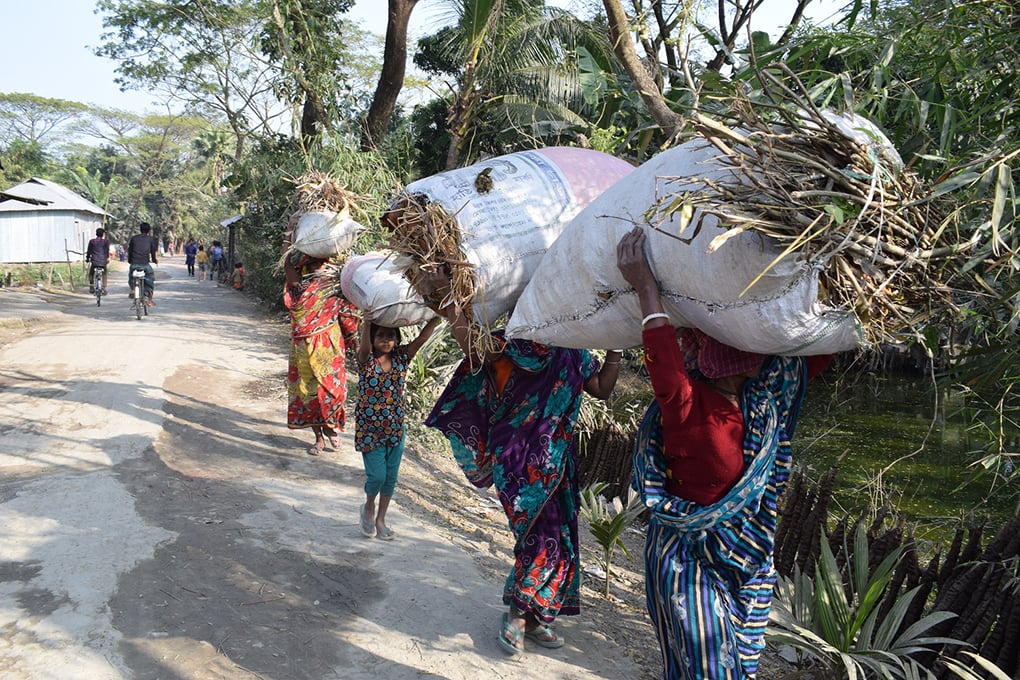
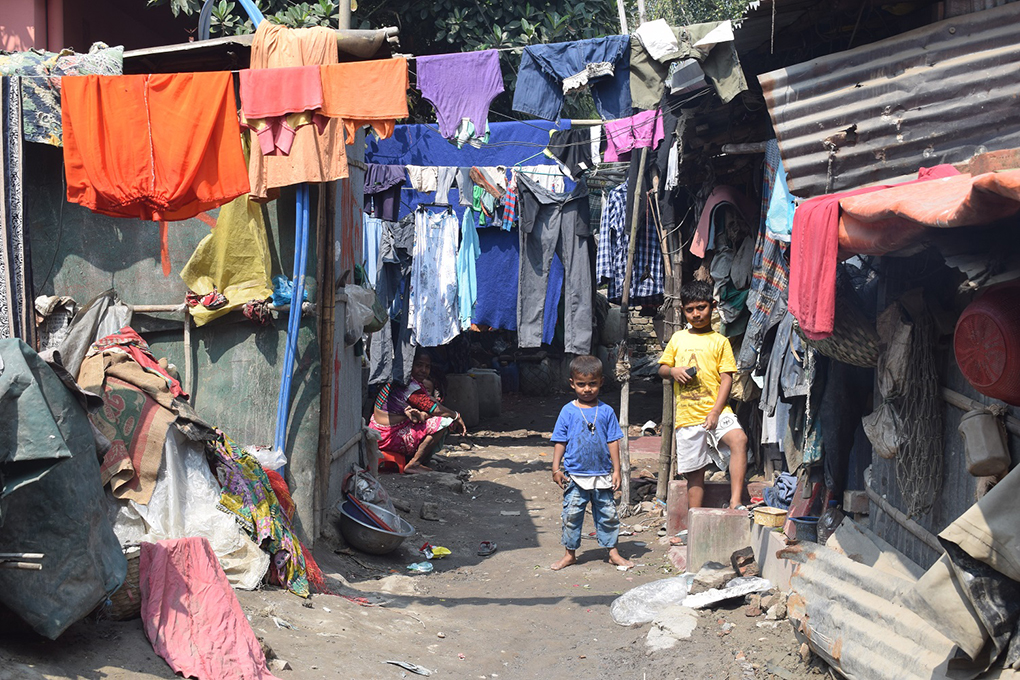
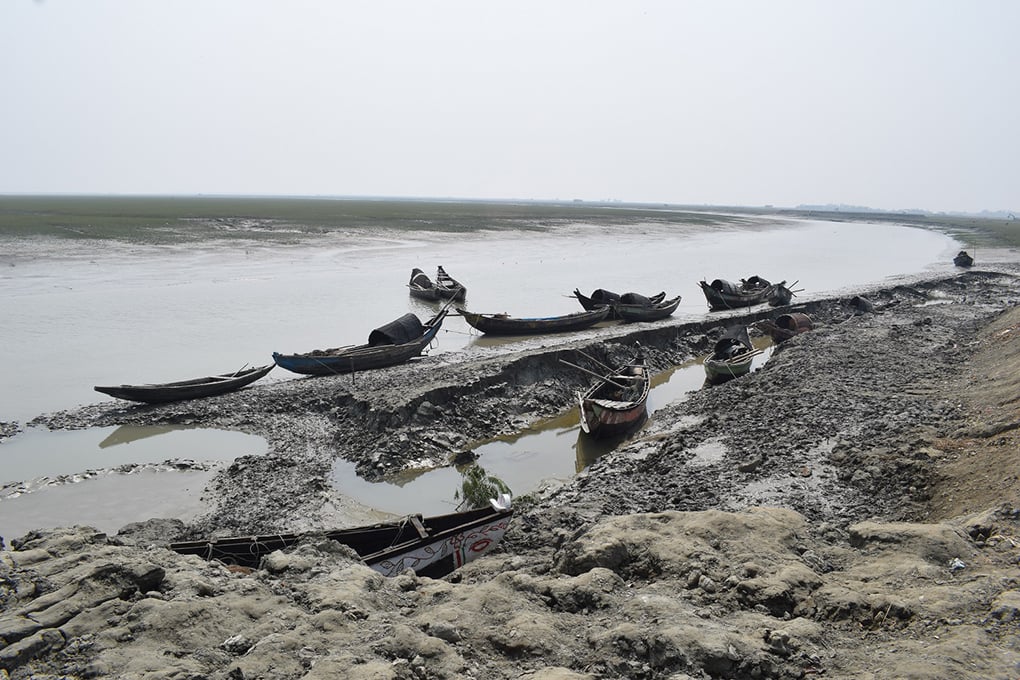
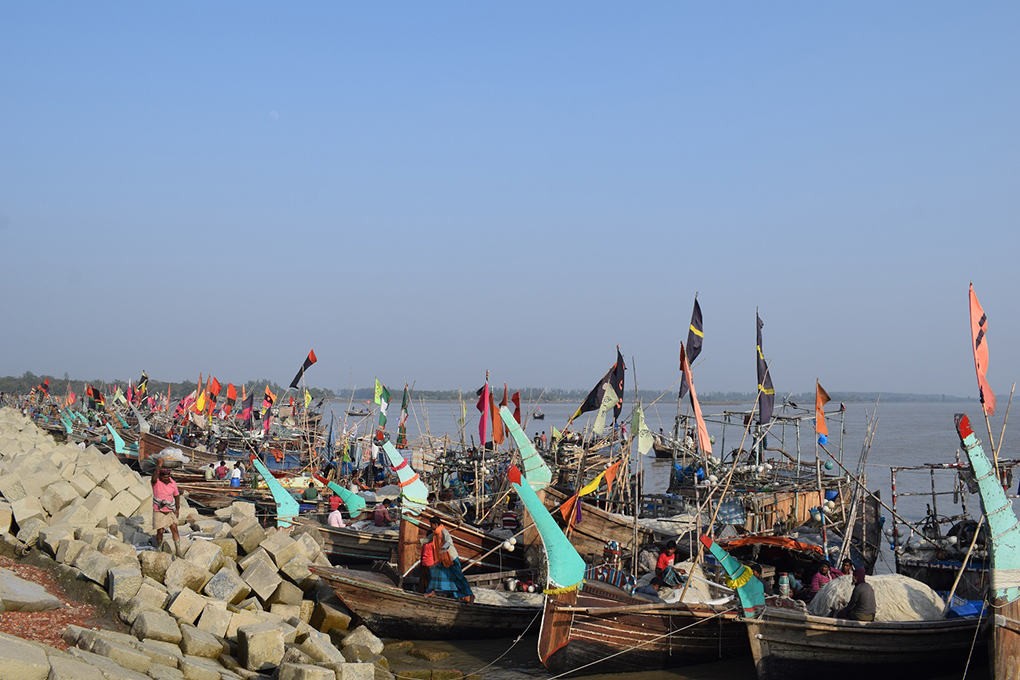
There is no cooking fuel either, forcing the Jaladash women to trudge long distances and carry heavy loads every day, as seen in Char Gazi.The villages where the Jaladash live are tiny and cramped, as seen in South Salimpur of Sitakund sub-district in Chittagong district.The Feni river is now highly silted, as seen in this photo taken in Char Chandia of Sonagazi sub-district in Feni district. The 140-odd Jaladash families living on the banks of this river are in extreme crisis because they can hardly catch any fish in this river any more.The traditional sea-going fishing boats of the Jaladash anchored at the Ramgati embankment in Feni district.
![<p>Women and children of the Jaladash community join the returning fishers to sort the catch at the Bangla Bazar Fish Ghat in Sarikait, Sandwip Island, Chittagong district [all images by: Rafiqul Islam Montu]</p>](https://dialogue.earth/content/uploads/2020/04/Forgotten-fish-of-Bangladesh-2400x1600.jpg)