![<p>The eight countries agreed to speak in a united voice at global climate and biodiversity negotiations [Image by: Zoonar GmbH/Alamy]</p>](https://dialogue.earth/content/uploads/2020/09/glacial-lake-Himalayas-Nepal-Ama-Dablam-2400x1600.jpg)
The Hindu Kush Himalayas may finally get a united eight-country voice to safeguard its ecosystem, if the governments of Afghanistan, Bangladesh, Bhutan, China, India, Myanmar, Nepal and Pakistan keep the promises made by their ministers and representatives at a virtual summit this October.
Given past and present tensions between the countries, this is not going to be easy.
But at the summit convened by the International Centre for Integrated Mountain Development (ICIMOD), all eight countries recognised their fundamental and common dependence on the Hindu Kush Himalayas (HKH).
The meeting was attended by high level representatives from each country including Zhang Yaping, Vice President of the Chinese Academy of Sciences, Prakash Javadekar, Minister of Environment, Forests and Climate Change, India and Syed Fakhar Imam, Minister of National Food Security and Research, Pakistan.
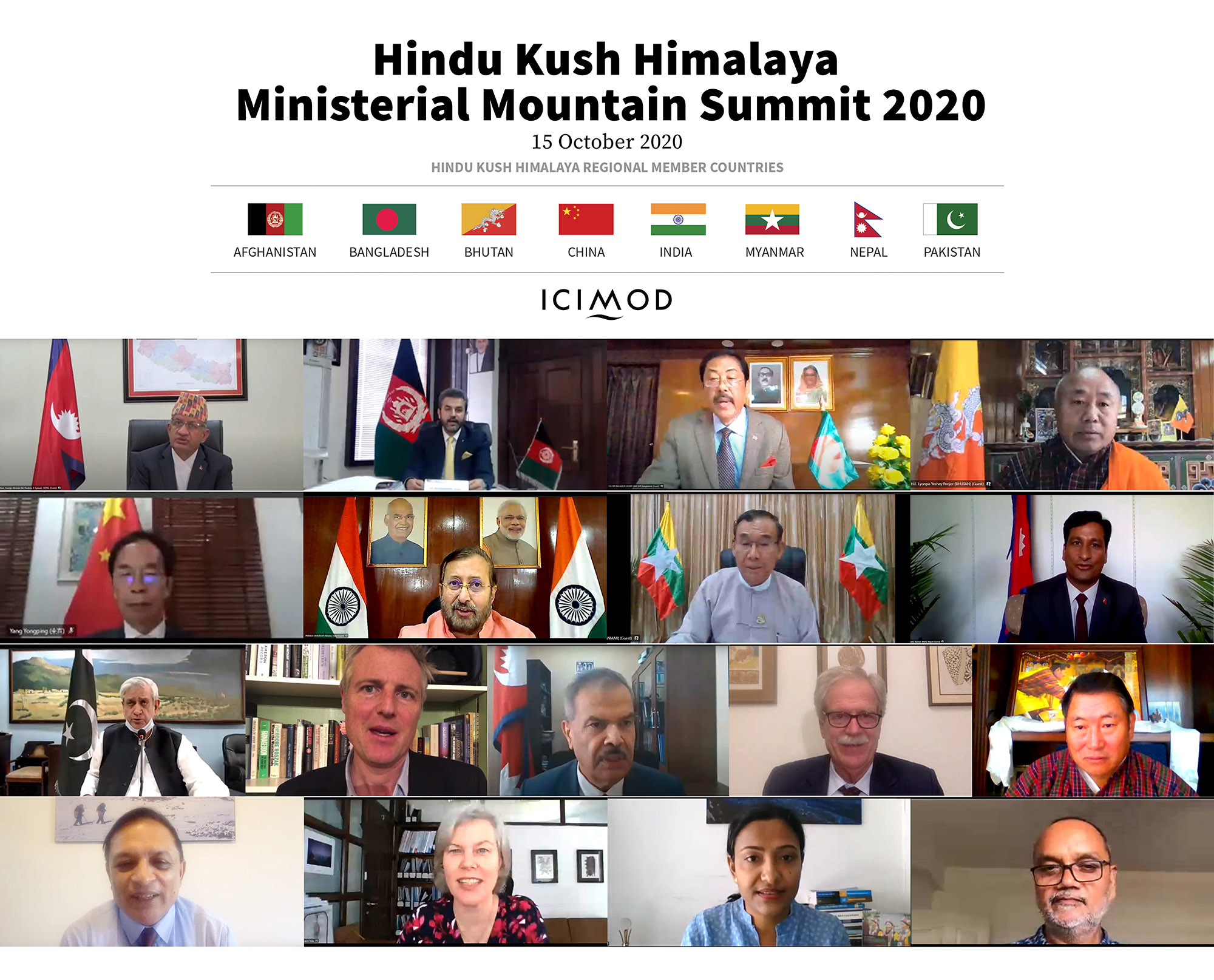
The recording of the summit is available for viewing, adding transparency to the proceedings.
A united voice for the Himalayas?
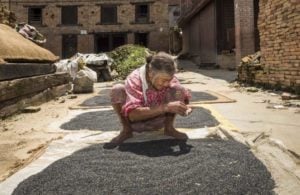
Crucially, they agreed to speak in a united voice at global climate and biodiversity negotiations. This can bring more attention to the mountain range that directly supports the livelihoods of over 240 million people, and provides essential benefits such as water and fresh soil to about 1.9 billion people downstream. Still, food and nutritional insecurity remains a serious challenge in the HKH region; more than 30% of the population suffers from food insecurity and around 50% face some form of malnutrition, with women and children particularly vulnerable.
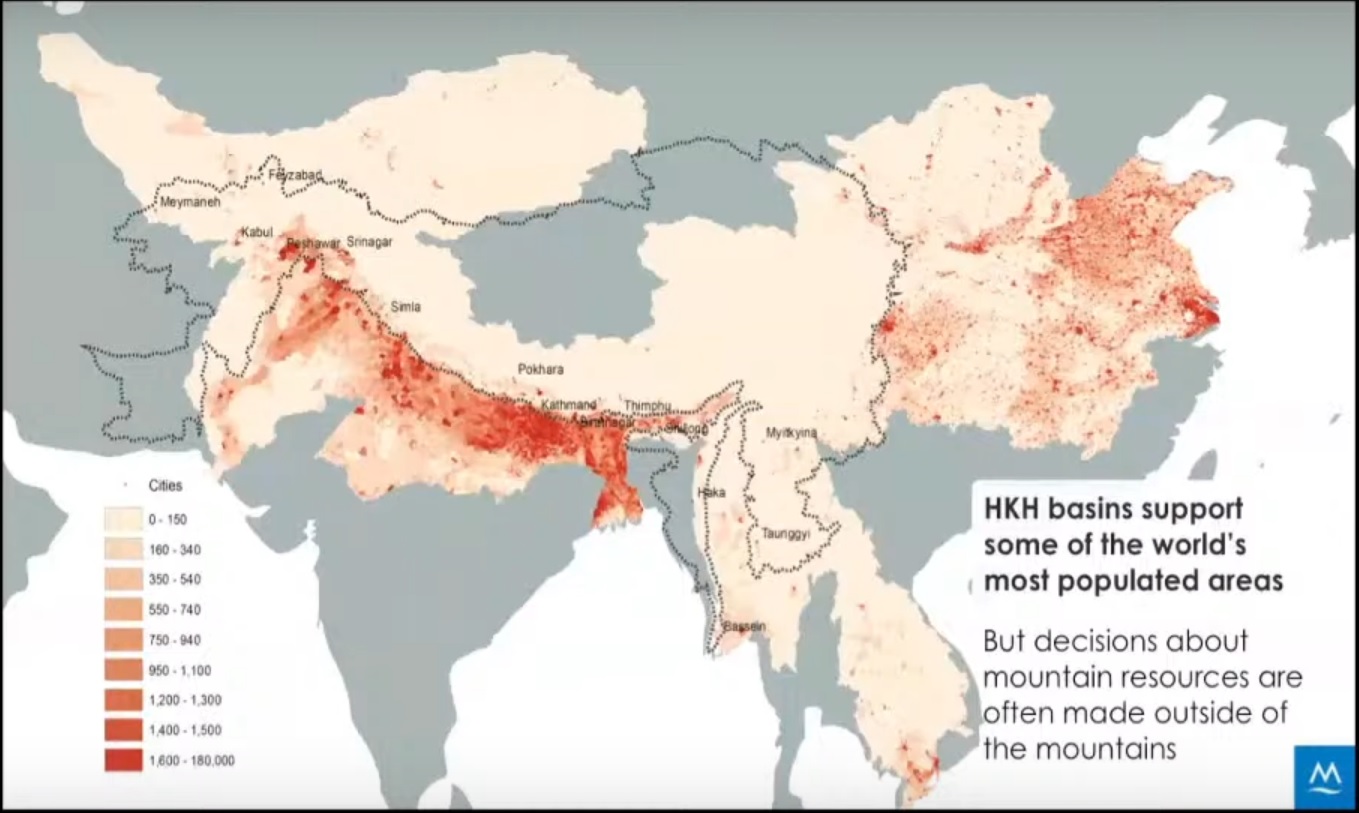
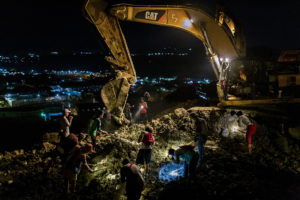
Ill-planned development projects, deforestation, climate change and now the Covid-19 pandemic pose grave and immediate threats to HKH. Closer global scrutiny on the projects and the deforestation will help. Conversely, a united voice from the eight countries to rein in greenhouse gas emissions that cause climate change will be significant.
See: Opinion: How to strengthen cooperation for a water secure South Asia
See: Cross-border cooperation needed to reduce Himalayan glacier loss
See: Will river transport drive water cooperation in South Asia?
Problems and solutions are well known
The causes and the cures are known, from the Hindu Kush Himalaya Assessment put together by ICIMOD with research from 2013 to 2017, and its more recent paper on Covid-19 Impact and Policy Responses in the Hindu Kush Himalaya.
Based on these, the eight countries came up with a call to action at the virtual summit. It emphasises the need for all eight countries to work together on climate action to foster climate and disaster resilient communities in the mountains, downstream and beyond. It also promises to work towards a prosperous, peaceful and poverty-free region that is food, energy and water secure.
“The HKH mountains are hotspots of climate change and people in this region are at the frontlines of climate change impacts,” Eklabya Sharma, deputy director general of ICIMOD, said at the summit. “Since many of the disasters and shocks play out across country borders, conflict among the region’s countries could easily flare up. But we can turn around climate change and other negative impacts and bounce back better if governments work together towards green, resilient and inclusive recovery and take concerted action together.”
The call to action identified “six urgent actions”:
- Cooperate at all levels across the HKH region for sustainable and mutual benefits
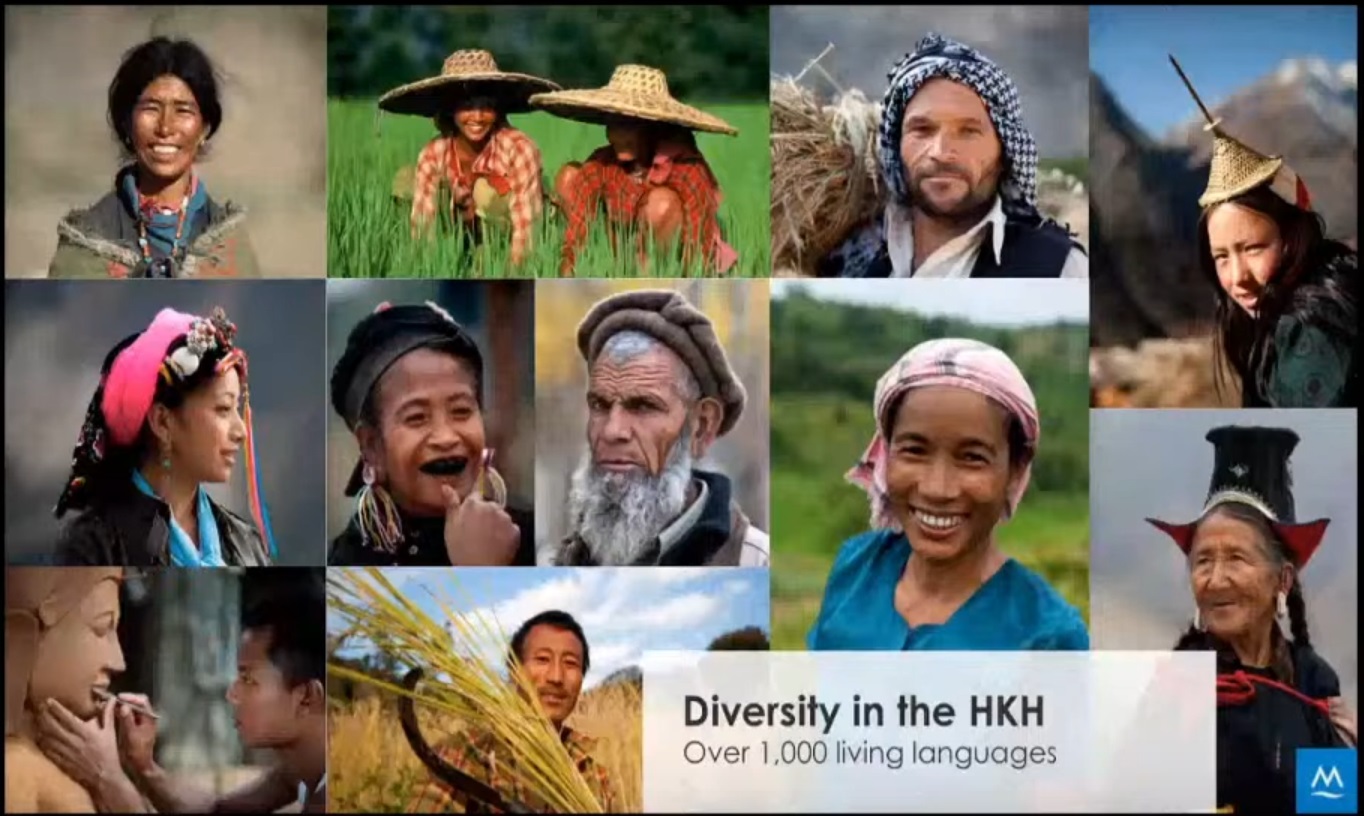
- Recognise and prioritise the uniqueness of the HKH mountain people
- Take concerted climate action at all levels to keep global warming to 1.5oC by 2100
- Take accelerated actions to achieve the SDGs and nine mountain priorities
- Enhance ecosystem resilience; halt biodiversity loss and land degradation
- Regional data and information sharing and science and knowledge cooperation.
David Molden, outgoing director general of ICIMOD, said at the summit, “The Hindu Kush Himalaya is the pulse of the planet. When the pulse is strong, we know humanity is healthy. But when the pulse is weak, we know we have problems in the world. And while today we feel a weak pulse in the HKH, we also feel today is a turning point in history to strengthen cooperation and prosperity in the region.”
Pema Gyamtsho, incoming ICIMOD director general and former leader of Bhutan’s opposition party, said, “I am deeply committed and eager to take forward this process, to expand our cooperation across the region and to activate our collective courage in facing these very complex issues. We are stronger when we work together.”