Kuala Lumpur Kepong (KLK)
Palm oil

Kuala Lumpur Kepong (KLK)

https://www.klk.com.my

About

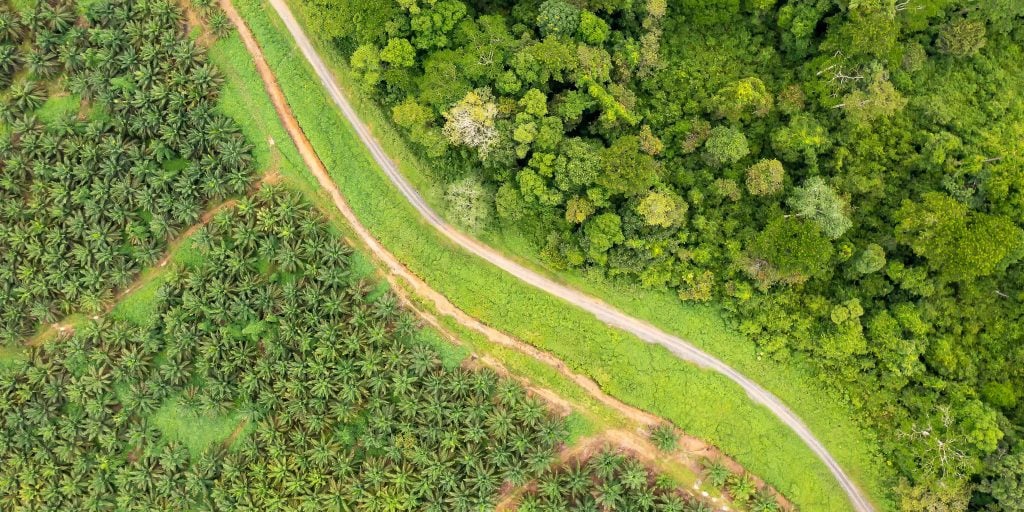
KLK was established in 1906 as Kuala Lumpur Rubber but diversified its portfolio towards tin mining, cocoa, oil palm and property development throughout the 20th century. KLK started planting oil palm in the 1970s with plantations at Fraser Estate in Johor, and has gone on to establish plantations in Indonesia and Liberia. In 2020, it controlled/managed 88 oil palm plantations producing an annual supply of fresh fruit bunches of 4.17 million tonnes. As part of its NDPE pledge, KLK’s strategy is to continue growing its plantation area through brownfield acquisitions. The company is also investing in biogas energy-generation facilities across its operations.
RSPO Member : Yes RSPO Member : Yes

Environmental, Social, Governance Rating (SPOTT)

77.9%

Source: SPOTT - Sustainability Policy Transparency Toolkit
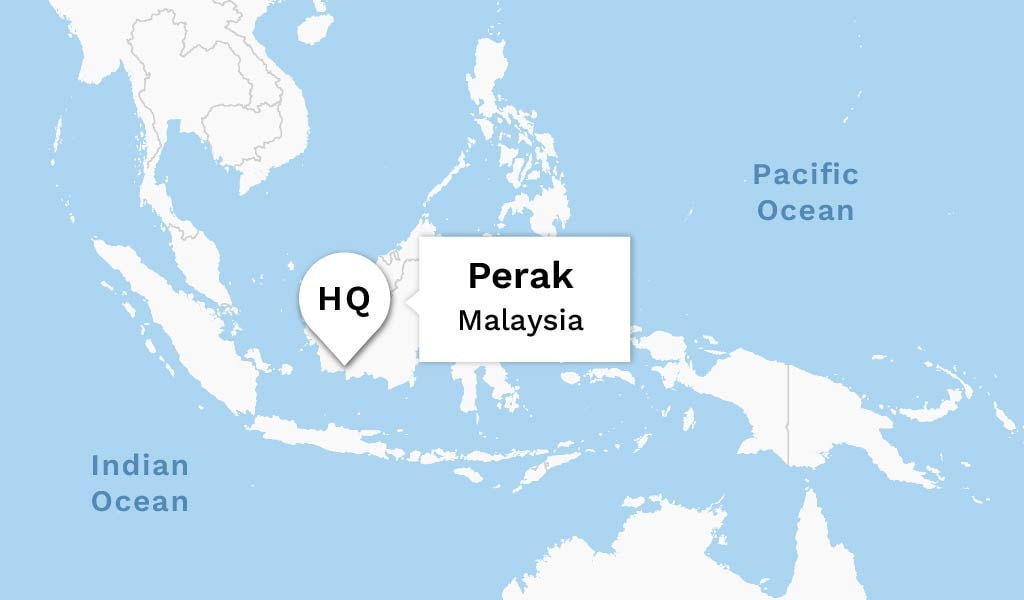
Kuala Lumpur Kepong (KLK) map

Market cap

5,269

Million USD

Landbank i

According to ACOP

~250,000

hectares, across Malaysia (Peninsular and Sabah), Indonesia (Belitung Island, Sumatra, Central and East Kalimantan) and Liberia

Supply chain position

Upstream - Downstream

Grower. Processor of crude palm oil and palm kernel oil. Refiner & Trader. Oleochemical producer.

Refineries / capacity

1

In 2020 KLK produced 1,045,486 MT of palm oil. It's refinery in Dumai has an annual production capacity of 165,000 MT.

NDPE policy

Yes

No Deforestation, No peat, No exploitation

Market served

International, Chinese, Malaysian, African

Parent Company

Batu Kawan Bhd (47%)

Subsidiaries

Equatorial Palm Oil (EPO) (Liberia), PT KLK Dumai, PT Putra Bongan Jaya, KLK Oleo, Palm-Oleo Sdn. Bhd. (Malaysia), KSP Manufacturing Sdn. Bhd. (Malaysia), Palmamide Sdn. Bhd. (Malaysia), KL-Kepong Oleomas Sdn. Bhd. (Malaysia), Palm-Oleo (Klang) Sdn. Bhd. (Malaysia), KLK Bioenergy Sdn. Bhd. (Malaysia), Taiko Palm-Oleo (Zhangjiagang) Co., Ltd. (China), Shanghai Jinshan Jingwei Chemical Co., Ltd. (China), KLK Emmerich GmbH (Germany)

Products

Crude palm oil; refined, bleached and deoderised (RBD) palm olein and stearin; crude kernel oil and cake; palm fatty acid distillate (PFAD); fatty acids; glycerine; fatty alcohols and fatty esters; methyl ester sulphonates (MES); surfactants and phytonutrients

Resources

Front Page Africa
Liberia: Farmers Demand ‘Balance’ Payment In Land Deal with Equatorial Palm Oil in Grand Bassa County
May 19, 2021
Palm oil: a Dialogue Earth reporting project Explore our in-depth coverage
Cookies Settings

Dialogue Earth uses cookies to provide you with the best user experience possible. Cookie information is stored in your browser. It allows us to recognise you when you return to Dialogue Earth and helps us to understand which sections of the website you find useful.

Required Cookies

Required Cookies should be enabled at all times so that we can save your preferences for cookie settings.

Dialogue Earth - Dialogue Earth is an independent organisation dedicated to promoting a common understanding of the world's urgent environmental challenges. Read our privacy policy.

Cloudflare - Cloudflare is a service used for the purposes of increasing the security and performance of web sites and services. Read Cloudflare's privacy policy and terms of service.

Functional Cookies

Dialogue Earth uses several functional cookies to collect anonymous information such as the number of site visitors and the most popular pages. Keeping these cookies enabled helps us to improve our website.

Google Analytics - The Google Analytics cookies are used to gather anonymous information about how you use our websites. We use this information to improve our sites and report on the reach of our content. Read Google's privacy policy and terms of service.

Advertising Cookies

This website uses the following additional cookies:

Google Inc. - Google operates Google Ads, Display & Video 360, and Google Ad Manager. These services allow advertisers to plan, execute and analyze marketing programs with greater ease and efficiency, while enabling publishers to maximize their returns from online advertising. Note that you may see cookies placed by Google for advertising, including the opt out cookie, under the Google.com or DoubleClick.net domains.

Twitter - Twitter is a real-time information network that connects you to the latest stories, ideas, opinions and news about what you find interesting. Simply find the accounts you find compelling and follow the conversations.

Facebook Inc. - Facebook is an online social networking service. China Dialogue aims to help guide our readers to content that they are interested in, so they can continue to read more of what they enjoy. If you are a social media user, then we are able to do this through a pixel provided by Facebook, which allows Facebook to place cookies on your web browser. For example, when a Facebook user returns to Facebook from our site, Facebook can identify them as part of a group of China Dialogue readers, and deliver them marketing messages from us, i.e. more of our content on biodiversity. Data that can be obtained through this is limited to the URL of the pages that have been visited and the limited information a browser might pass on, such as its IP address. In addition to the cookie controls that we mentioned above, if you are a Facebook user you can opt out by following this link.

Linkedin - LinkedIn is a business- and employment-oriented social networking service that operates via websites and mobile apps.