The United Nations uses 5 June every year as an opportunity to draw public attention to the negative impacts of IUU, which undermine its sustainable development goals to ensure fisheries can provide food and jobs. This year, questions over sustainability and the consumption of seafood have found their way into mainstream debate following a controversial Netflix documentary, Seaspiracy.
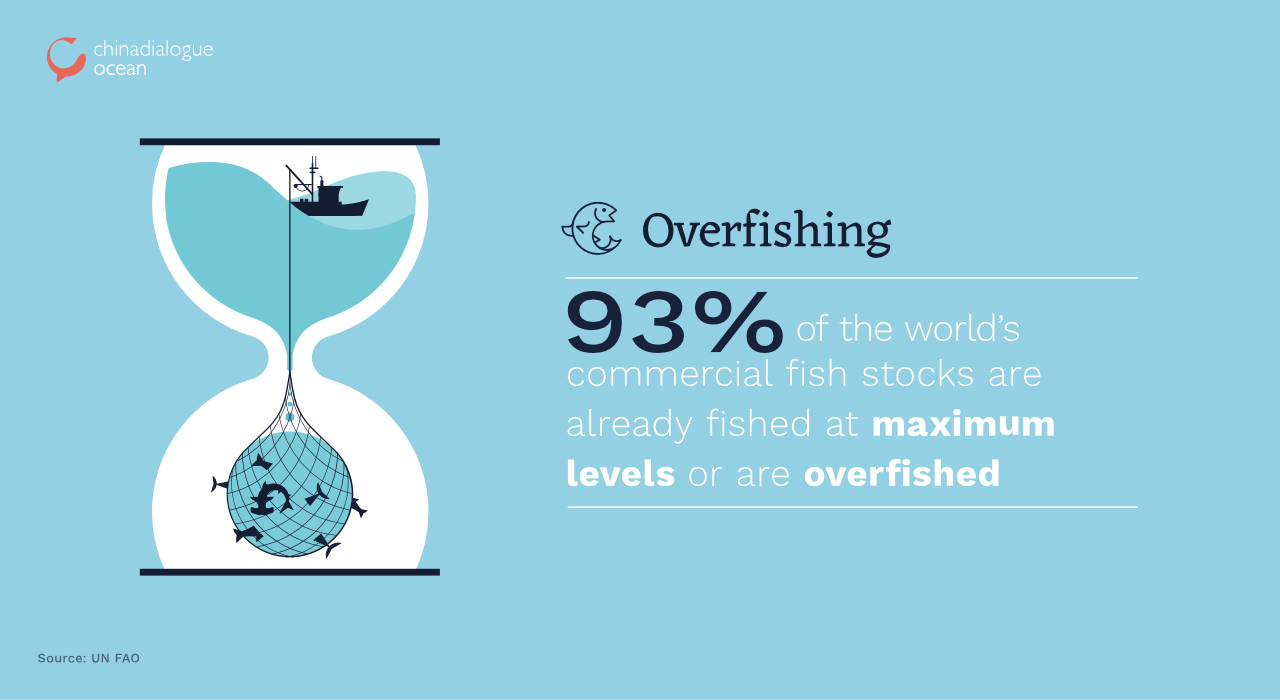
More than a third (34%) of the world’s fish stocks are overfished, meaning taken at a rate where they cannot replenish themselves. Illegal activity adds even more pressure, degrading the marine environment, making it harder to determine fish numbers, and harming the prospects of legal fishers and people in the poorest parts of the world.
What is IUU fishing?
Illegal, unreported and unregulated fishing (IUU) includes all fishing that breaks fisheries laws and regulations or occurs outside their reach.
Illegal fishing usually means without a licence, in an area where fishing is banned, with prohibited gear, over a quota, or for protected species. Very often it’s a vessel entering a nation’s water with no fishing licence, or fishing with a licence but catching more than is allowed.
Then there is the problem of unreported and under-reported catches by licensed vessels looking to flout quotas or catch prohibited species.
Though most of the world’s fish are caught in the national waters of coastal states – within 200 nautical miles of their shorelines – a lot of unregulated fishing occurs beyond that on the high seas which cover almost 45% of our planet. Patchy regulation and enforcement in this vast area allow rampant IUU.
Where does it happen?
IUU occurs everywhere, from shallow coastal or inland waters to the most remote stretches of the ocean. It particularly affects nations in the global south where fisheries management may be poorly developed, or where there are limited resources to oversee their waters or enforce regulations. West Africa and the Western Central Pacific are assessed as having the highest rates of illegal fishing, followed by the Bering Sea and the Southwest Atlantic.
How much fish is caught illegally?
There are no reliable figures on global IUU – but experts estimate that more than one in five (22%) landed fish is caught illegally, with this figure rising as to one in four off Africa. Every year, an estimated $26-50 billion worth of revenue is lost to IUU.
Why is IUU such a serious threat?
IUU contributes to the over-exploitation of fish populations, hinders their recovery and damages the marine environment. Thousands of marine species die as bycatch and delicate habitats are destroyed by the unregulated use of harmful practices like bottom-trawling.
$26-50 billion of fish is lost to IUU every year
IUU adversely affects the wellbeing of fishing communities, especially in the global south where many people rely on fish for food and revenue. It exacerbates poverty and contributes heavily to food insecurity. It also has direct ties to organised crime including human trafficking, drug smuggling, and slavery.
Why does IUU fishing happen?
The main driver is money – fishers pay no taxes or duties on their illegal catches. But IUU only happens because offenders can get away with it. It is most common in countries unable to set up or enforce effective fisheries controls.
What enables IUU?
One major obstacle in the fight against IUU is flags of convenience – flown by foreign fishing vessels to take advantage of minimal regulation, cheap registration fees, low or no taxes and the ability to employ cheap labour. While the practice is not illegal, using a flag of convenience allows IUU fishers to conceal their operations or avoid international laws designed to conserve marine resources. Thirty-five nations have open registries where an owner doesn’t need to meet any nationality or residency requirements. The most famous is Panama – a tiny nation with the world’s largest shipping fleet (by some estimates). But land-locked countries such as Bolivia and Mongolia are also involved. Open registries conceal the true owners of a vessel; facilitate tax avoidance and appalling working conditions for seafarers; and are linked to devastating oil spills.
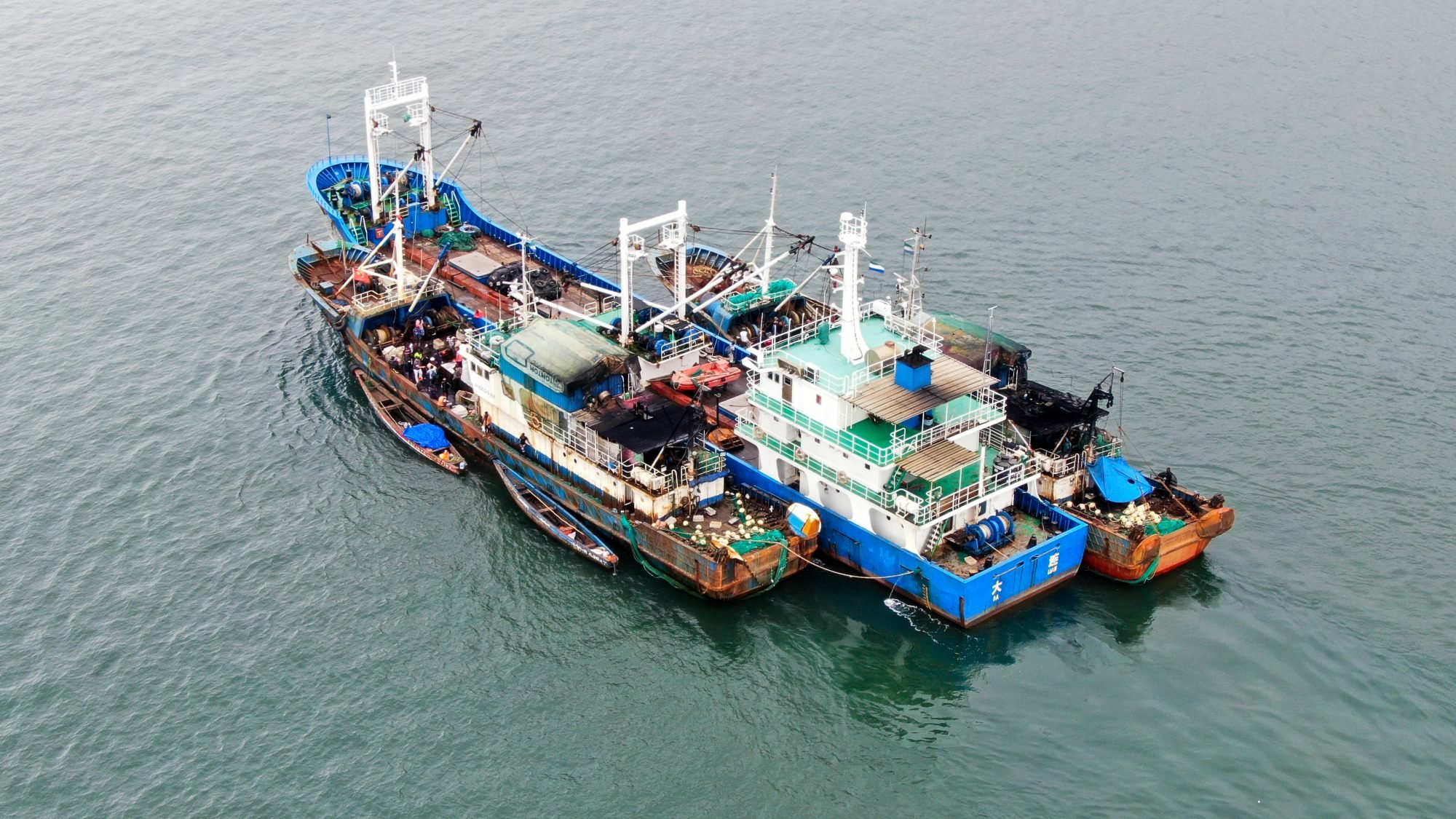
Another common IUU practice is transshipment – where vessels fishing in the high seas for high-value species like tuna offload their catch onto refrigerated transport vessels known as “reefers”. The reefers bring food, fuel, bait and labour and take away the catch as boxes of frozen fish. It is technically legal, and a cost-effective way for vessels to remain at sea for longer. But because the vessels do not come into port, it is hard to determine whether the catch is legal.
How can IUU fishing be stopped?
A number of mechanisms exist or are being negotiated over in an attempt to bring an end to this damaging black market.
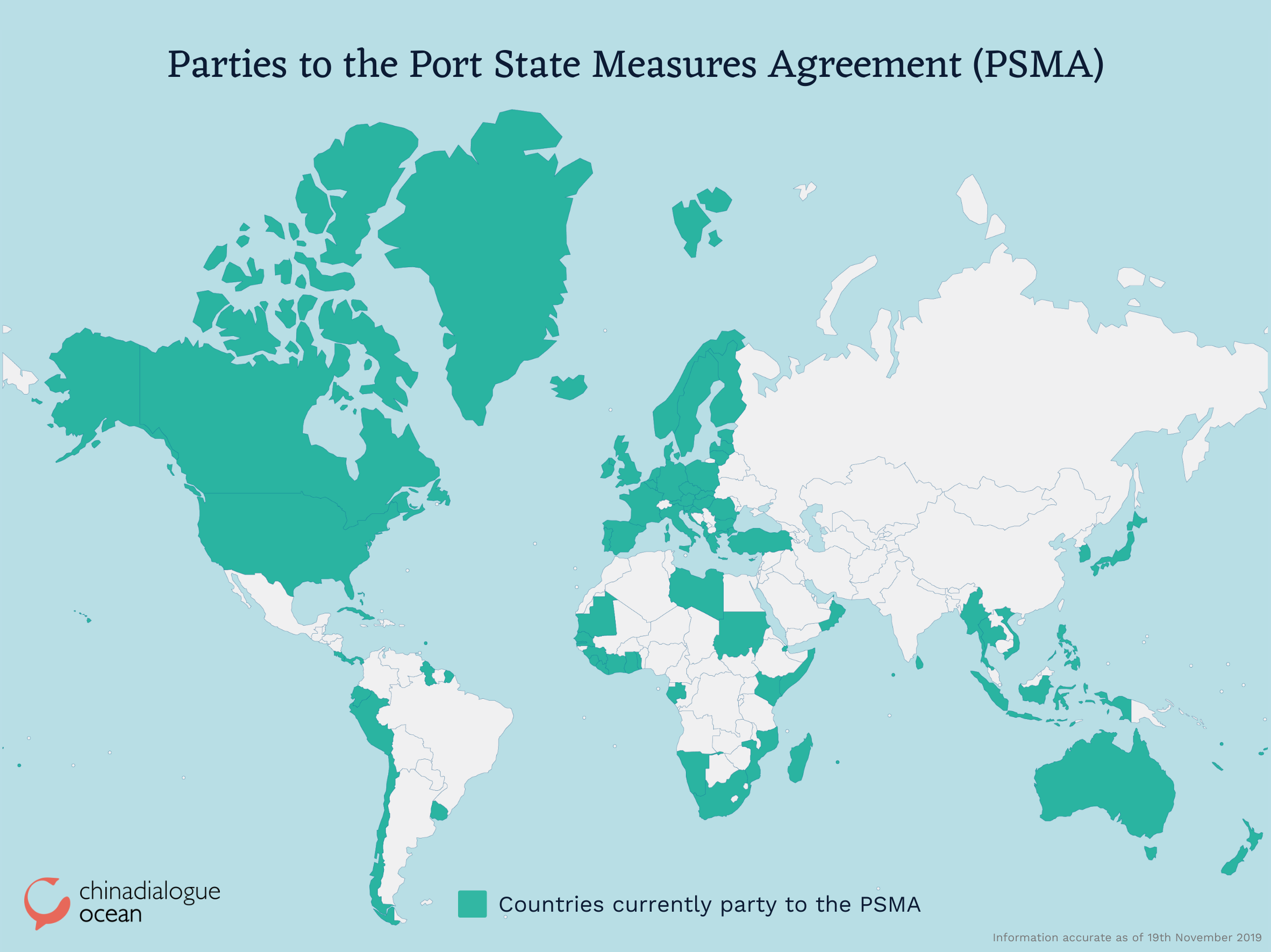
The UN has chosen 5 June as Fight against IUU Day because it’s the anniversary of when the Port State Measures Agreement (PSMA) came into effect in June 2016. This is the first binding international agreement to stop illegally caught fish entering markets through ports. To date, 68 nations plus the European Union are party to the PSMA. China, as the world’s fishing superpower, is key, and it is hoped it will ratify it soon.
The UN’s Sustainable Development Goal 14, “Life Below Water”, calls for an end to harmful subsidies that contribute to overcapacity, overfishing and IUU. The World Trade Organisation has been trying to resolve this issue for nearly 20 years, and last year it failed to meet its 2020 deadline, partly due to Covid-19. But there are signs a deal may finally be in sight: the new director-general, Ngozi Okonjo-Iweala of Nigeria, has made fisheries subsidies a priority, and is convening a ministerial conference in July with the aim of finalising negotiations.
Better monitoring, control and surveillance are defending marine protected areas globally and there are industry and national efforts to increase the traceability of seafood throughout the supply chain. Technology such as vessel monitoring systems (VMS), automatic identification systems (AIS) and on-board Electronic Monitoring is helping authorities spot vessels fishing beyond legal limits.
What can consumers do?
Ultimately, IUU fishing is a response to the ever-increasing global appetite for seafood. Consumers can play their part alongside international efforts by making informed choices where possible. Look for trusted labels such as the international Marine Stewardship Council (MSC) which verifies your fish was caught transparently. Or use online resources to learn about which species are best to buy and which to avoid.
Put pressure on your country’s representatives to reach an ambitious deal at the WTO subsidies negotiations.