In Pakistan, summer temperatures regularly climb above 40C. But a thermometer alone cannot capture the uneven ways in which heat is experienced across cities and rural areas.
This is a CATCH story
This story is part of Dialogue Earth’s work on the Community Adaptations to City Heat (CATCH) project, in partnership with Boston University. The project is funded by Wellcome. All Dialogue Earth content is editorially independent.
Read more stories from CATCH.
A woman working outdoors faces a different kind of heat from one cooking over a stove inside a tin-roofed house that has absorbed the day’s sun.
Understanding this variation has become a central concern for Jai Kumar Das in Karachi. At Aga Khan University, Das is associate director of the Institute for Global Health and Development and associate professor of paediatrics.
He and his colleagues are following thousands of pregnant women in rural Pakistan, measuring their personal heat exposure. At the same time, they are testing practical ways to reduce the temperatures people experience at home. Some of the most effective adaptation measures are surprisingly simple, it turns out.
This interview has been edited for length and clarity.
Dialogue Earth: You trained as a paediatric surgeon. What led you into public-health research?
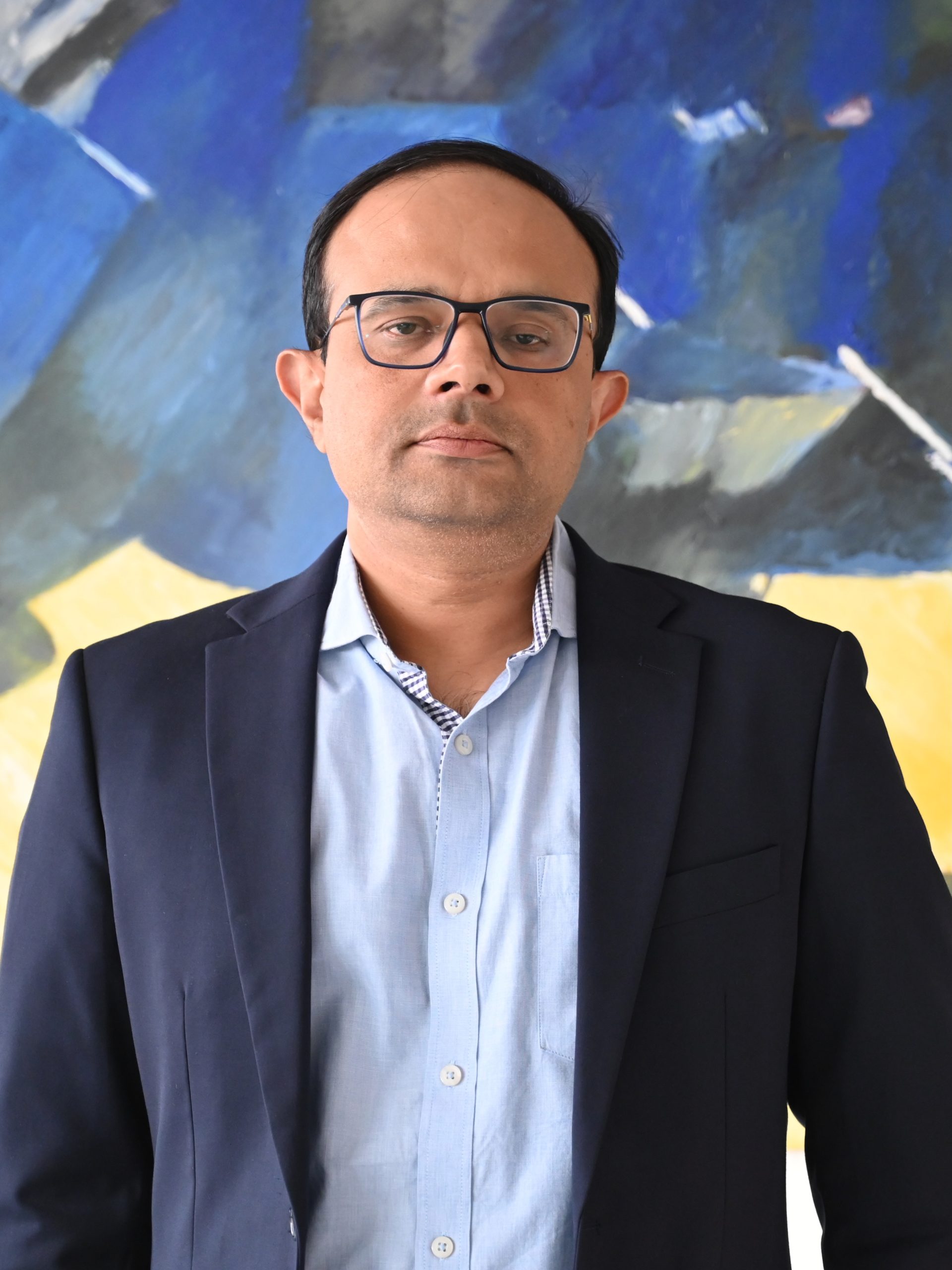
Jai Das: Initially, I focused on nutrition, infectious diseases, and maternal and child health. Over time, we realised that making long-term improvements requires us to examine the underlying determinants of health. Providing temporary relief from a direct exposure or illness is not enough if the conditions producing it remain unchanged.
That led us towards issues such as food security and more recently towards climate change. We want to understand both its direct and indirect effects on health, and then identify locally relevant solutions that are affordable, sustainable and potentially scalable.
Why did climate change become a priority for you?
Pakistan is consistently described as one of the countries most vulnerable to climate change. Over the past five to 10 years, we have seen major climate-related disasters, including severe floods and episodes of extreme heat that are becoming more frequent and intense.
In the north, there are mountains and glaciers. Rapid melting can contribute to glacial lakes bursting and floods that can destroy villages within minutes. In the south, there is extreme heat, flooding and erratic rainfall. In the desert regions and parts of western Pakistan, there are droughts.
The repercussions are immense. Our first task is to understand their effects on health. The second is to find solutions suited to the local context.
How should we define extreme heat?
Extreme heat is not defined in the same way everywhere. A temperature considered extreme in Europe may be an ordinary day in our region. At 30C, some people here [in Kenya where the interview took place] may say the weather is pleasant.
People are acclimatised to the conditions in which they live, although there is still a point beyond which the body begins to experience harmful effects. We want to identify that threshold in our population, so that adequate warnings can be issued when temperatures become dangerous.
Where does housing come into this?
Much of the literature describes how a new house or school should be built to withstand heat. But millions of people are already living in homes that become dangerously hot. We cannot bulldoze those households and build climate-resilient structures in their place.
Our question was: what small modifications could make existing homes relatively cooler? We are not claiming that these interventions will make a house cool in every condition. We are asking whether they can make it cooler than it is now.
We reviewed the literature, examined indigenous practices and spoke with communities and experts. From that process, we developed a set of simple, inexpensive interventions that people considered practical and acceptable.
What kinds of modifications are you testing?
In Karachi, some families live on the upper floors of two- or three-storey informal apartment buildings. Their roofs are directly exposed to the sun, and when outdoor temperatures reach 40C or 45C, living on the top floor can become extremely difficult.
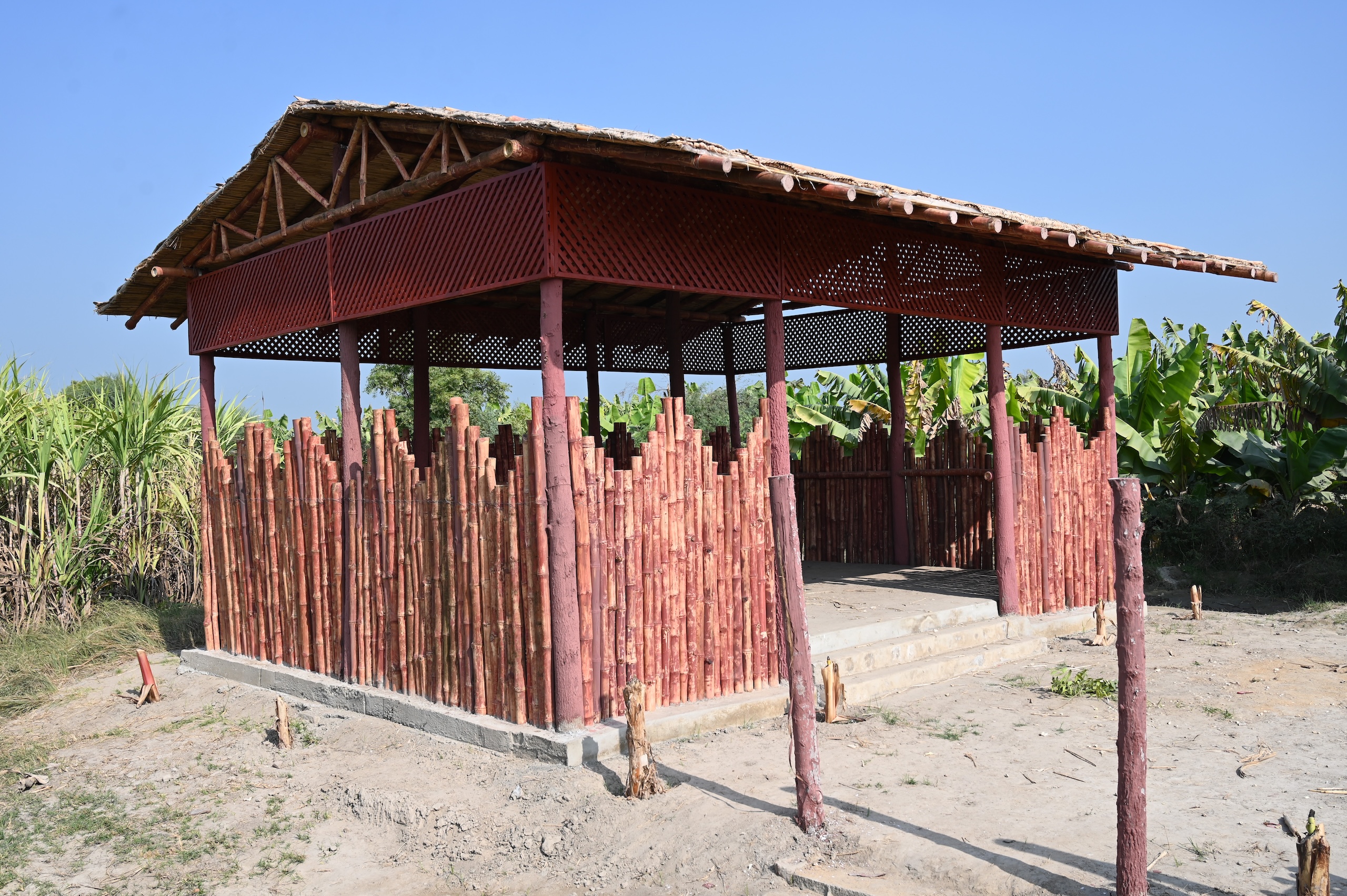
We have built shades over roofs using bamboo and other locally available materials. We have also introduced windows or openings that improve cross-ventilation. In some homes, we created external shades so that walls are not directly exposed to sunlight. We have also applied reflective coatings to roofs, including a local lime-based material known as chuna.
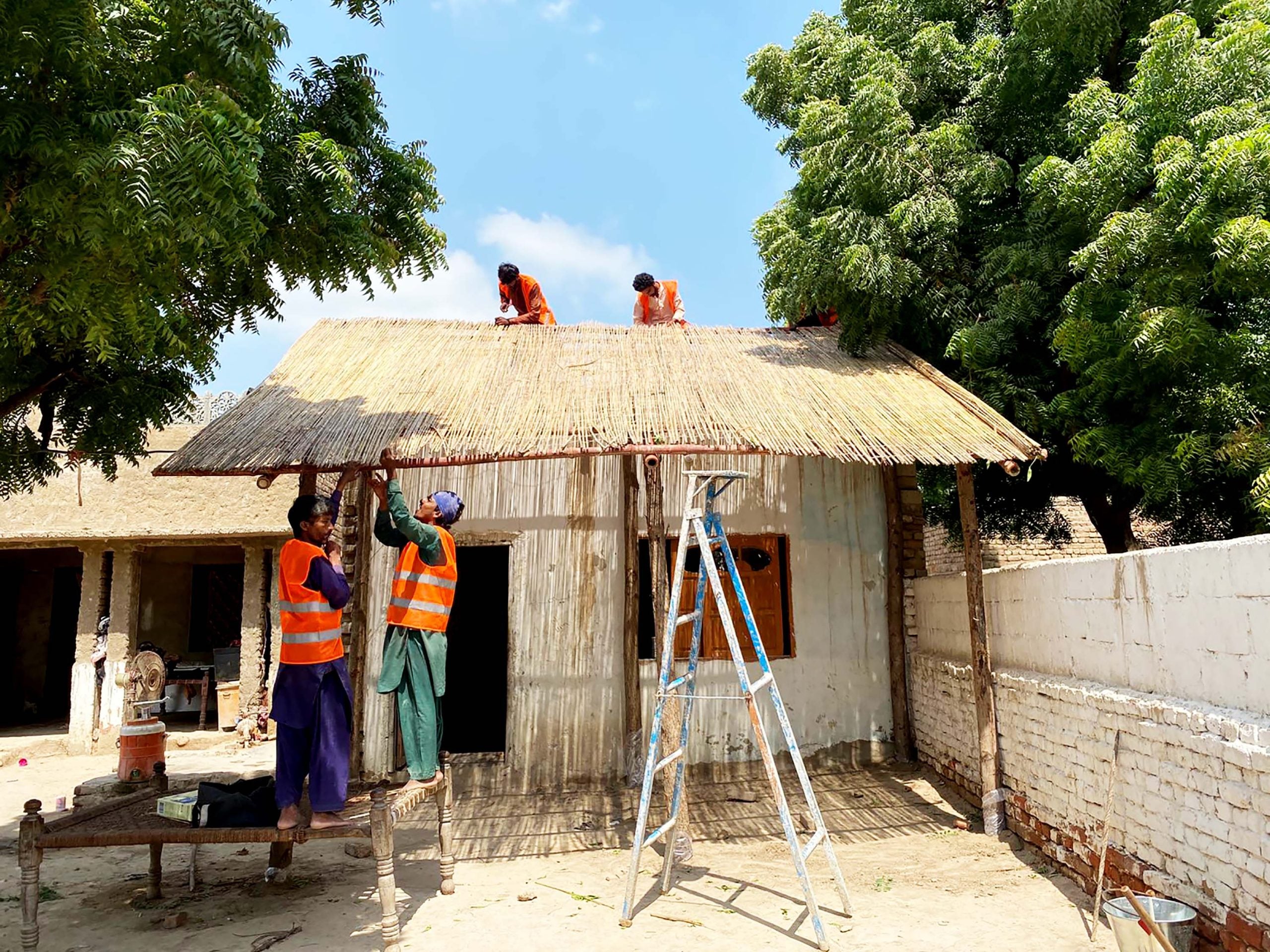
We are also creating shade in streets through tree planting and locally made canopies. The idea is to protect people, including children playing outside, from direct sunlight even where there is no electricity.
And did it work?
The findings are still preliminary, but during peak summer hours, roughly between noon and 3pm, we have observed indoor temperature differences of about 4C to 6C between some intervention and control households.
We expected the interventions to reduce temperatures and perhaps heat-related illness. What surprised us were some of the wider effects.
When a rooftop is shaded, it can become usable space. Some families have set up kitchens there. Shaded areas have also created places where people can gather. In rural communities, the areas around homes can provide shelter for animals as well as people.
We are seeing possible changes in sleep, daily routines and community interaction. These observations are encouraging, although we still need the longer-term data before making firm conclusions about health and quality of life.
Why do you ask residents to contribute 20-30% of the cost of modifications?
When people have invested in an intervention, they are more likely to maintain it and take responsibility for it. We do not want the work to disappear when the project ends. Sustainability depends partly on whether people see the intervention as their own rather than as something temporarily provided from outside.
Many people have experienced so much hardship that they begin to feel incapable of changing anything. They may think: we are poor, so what can we do? It’s important to shift that mindset. Nobody will work for people’s long-term interests in quite the same way that they will work for themselves.
What does Pakistan’s experience offer other countries facing extreme heat?
One lesson is that solutions do not always require complex technology. Roof shades, ventilation, reflective coatings, trees and local canopies may sound simple, but they can make a meaningful difference. Simple changes can make a substantial difference, particularly for people with very limited resources.
A second lesson is that interventions should be designed for the places where they will be used. Finally, adaptation has to involve the people affected. Projects should always help communities develop the confidence, skills and ownership needed to improve their own conditions.