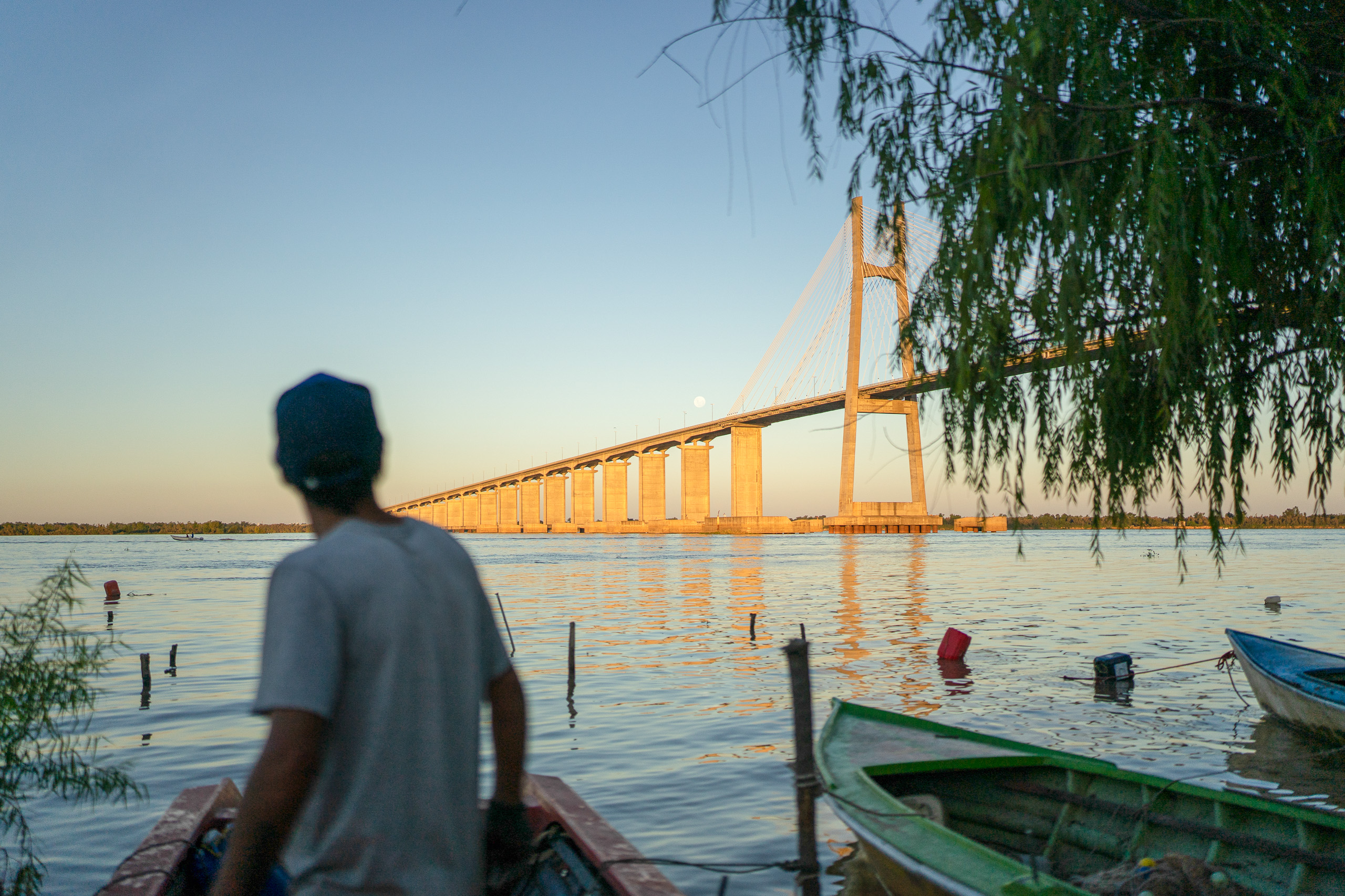
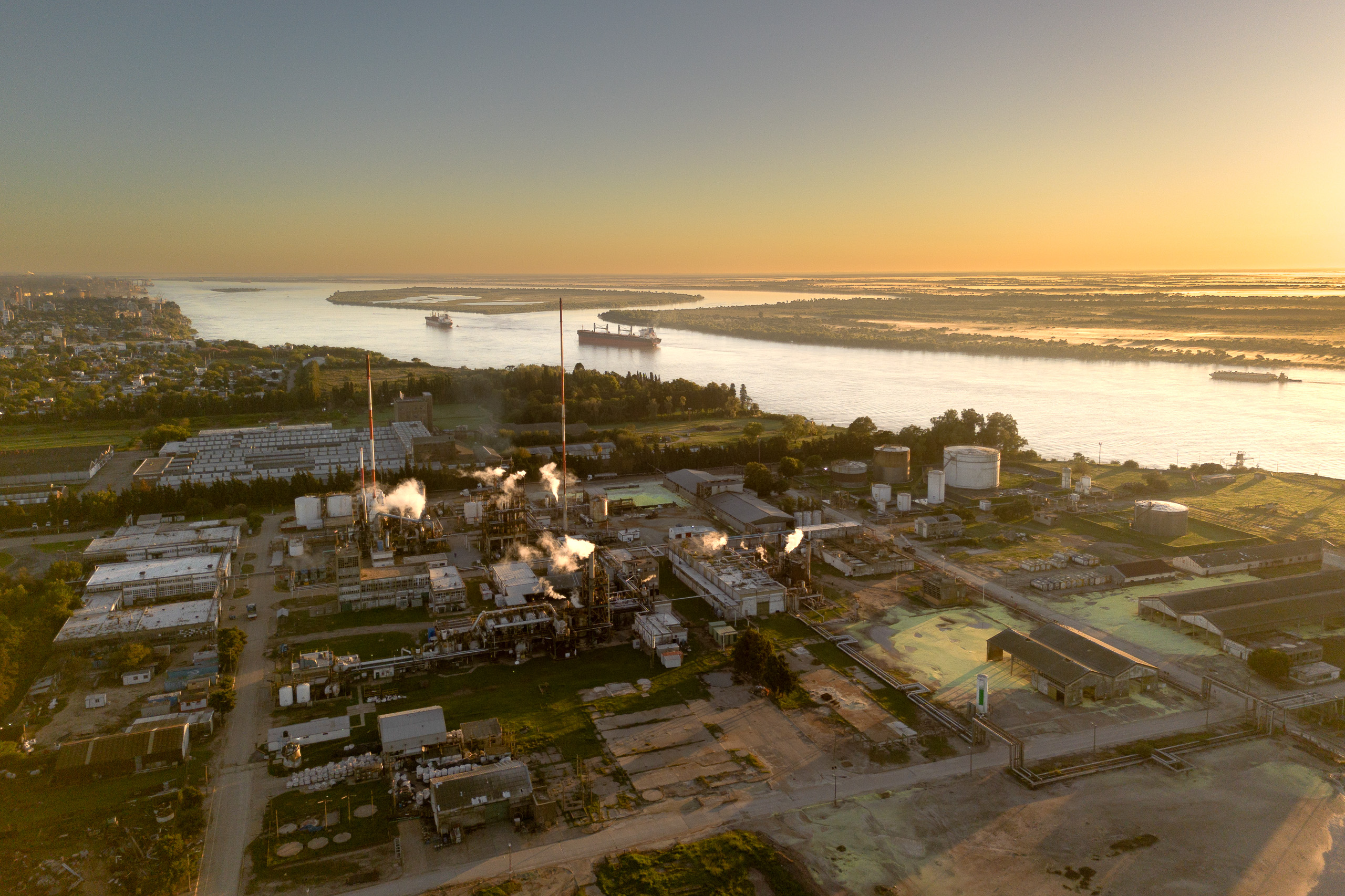
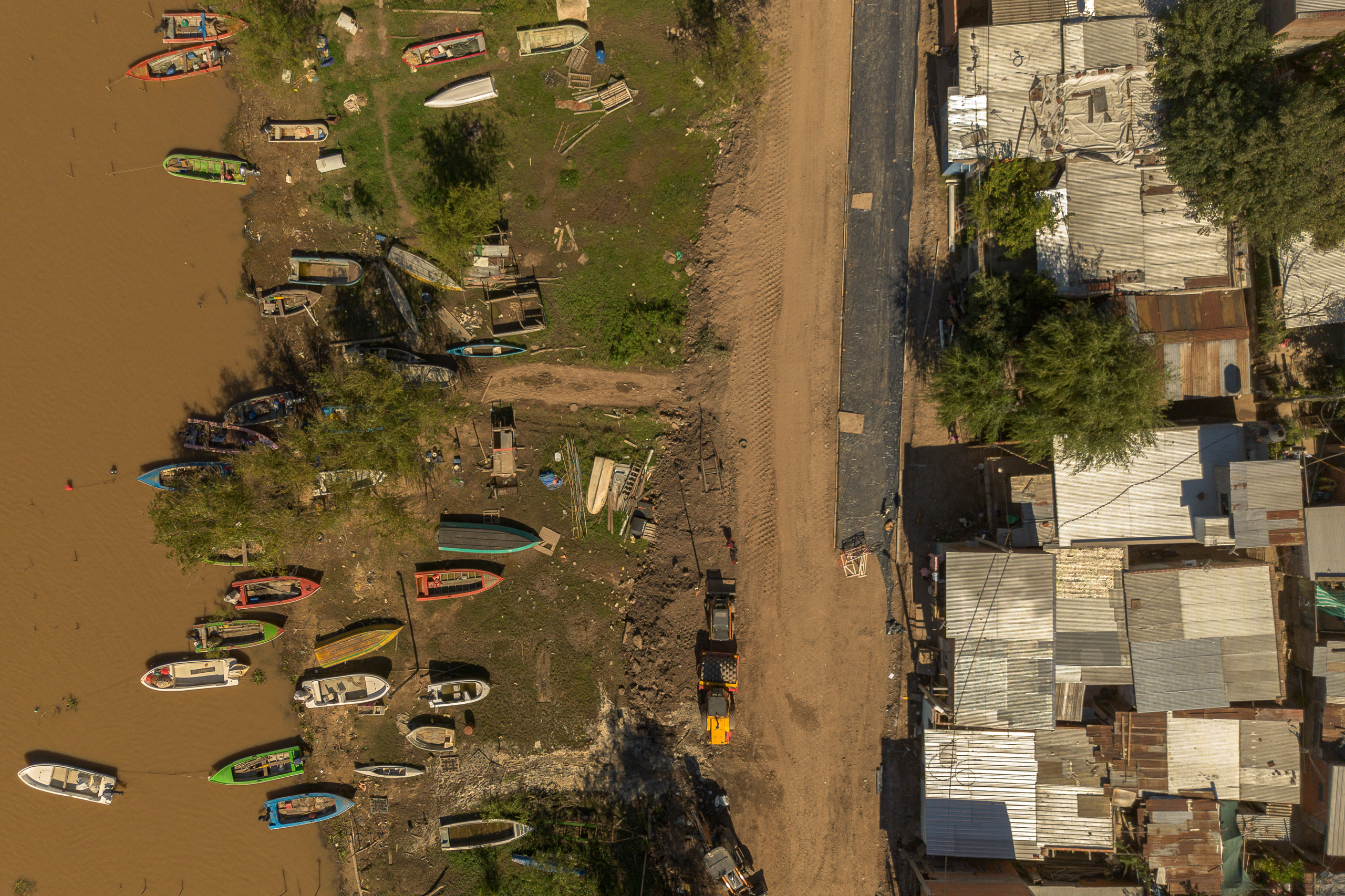
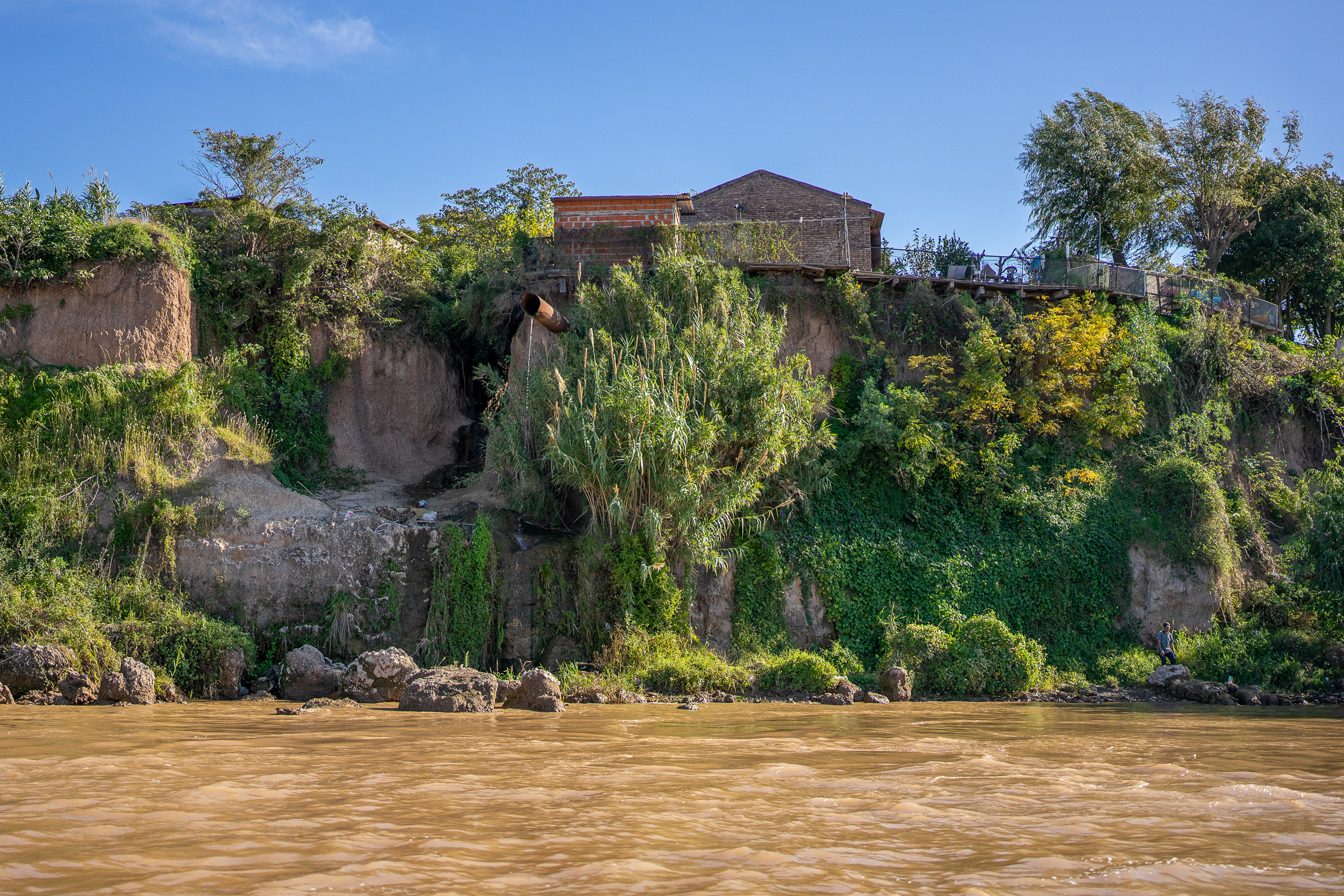
Remanso Valerio in Argentina clings to the shores of the Paraná River, where the waterway cuts through clay ravines. From this small neighbourhood on the river’s banks, the Paraná unfolds into the distance, brown and vast, specked by islands that seem to go on forever.
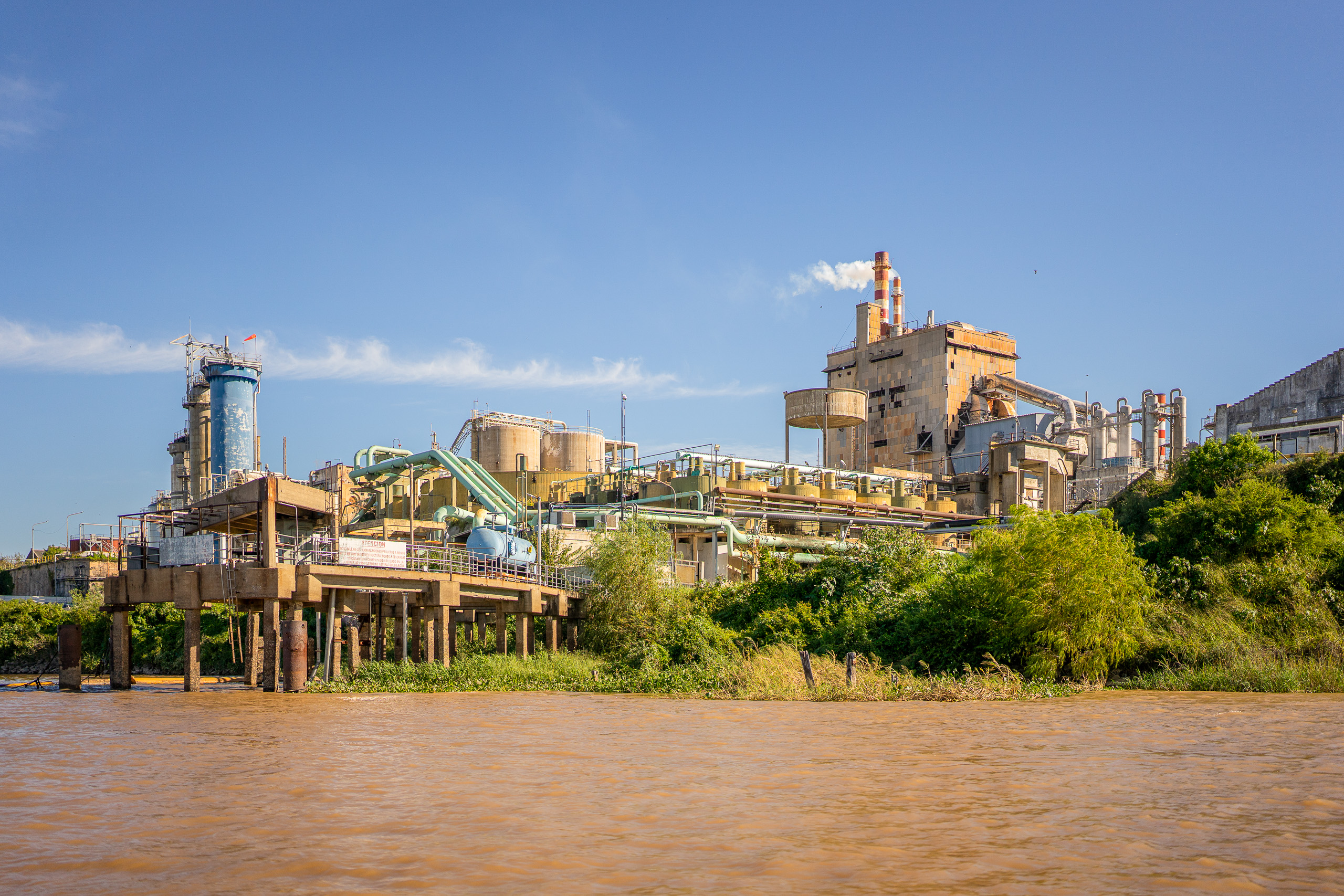
Remanso Valerio is in Rosario, Sante Fe province. In recent decades, this city has become a major agricultural export hub thanks to the river that runs along its eastern edge. Approximately 80% of Argentina’s foreign trade, including much of the soy and corn that supplies global markets, sails down the Paraná aboard mighty cargo ships towards the Atlantic.
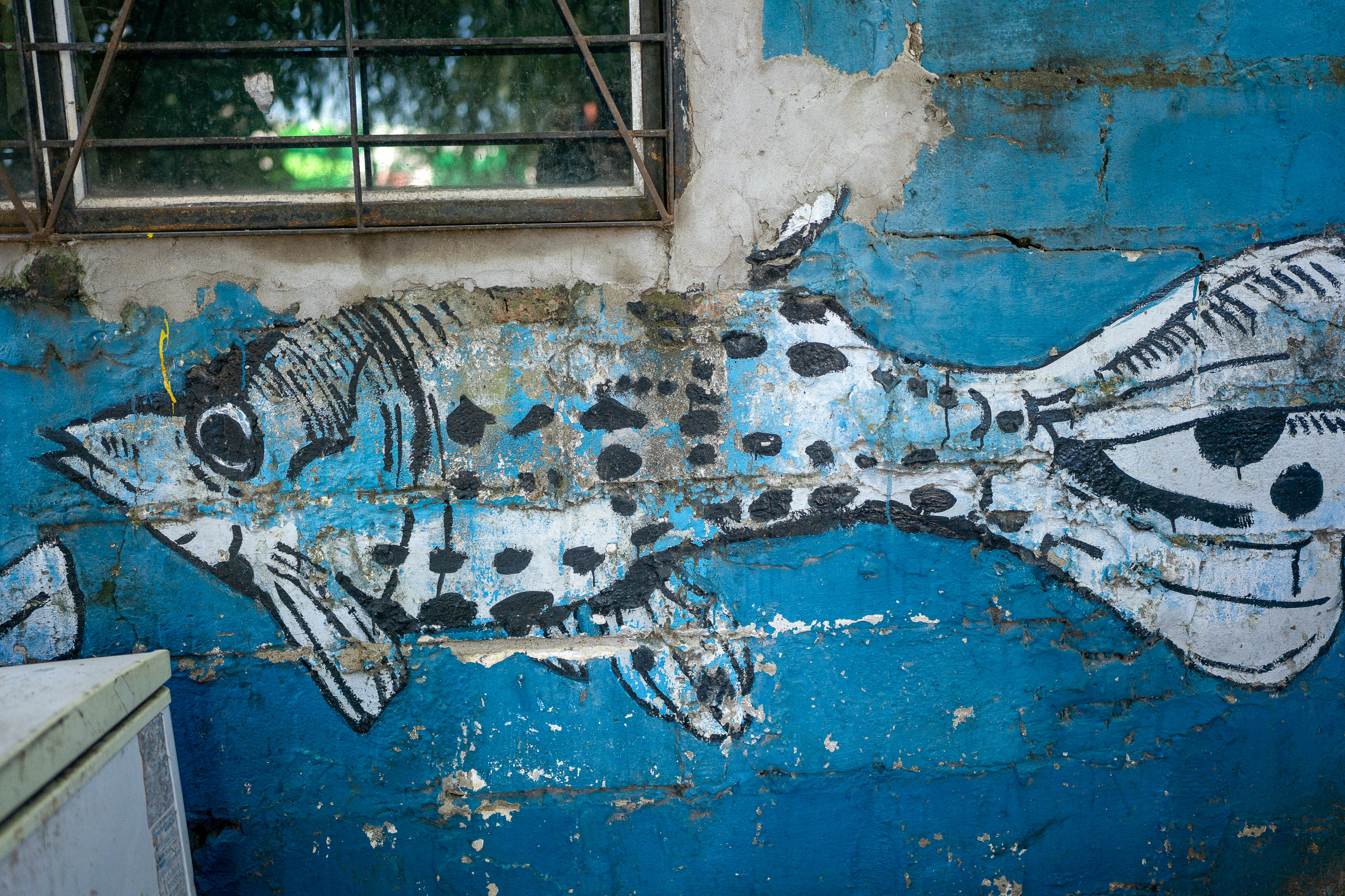
In the shadow of these ships, the Remanso Valerio neighbourhood coexists on the banks of the waterway. One of Argentina’s few urban artisanal fishing communities, Remanso Valerio – also known locally as El Remanso – has had to adapt its daily rhythms to the vessels and their wake. Now, plans to dredge the river, and to build a large-scale residential development on its banks, threaten to transform the landscape. The plans would disrupt a way of life that has endured for generations.
The first families arrived around 80 years ago, moored their boats and never left. The Santa Fe singer Jorge Fandermole called them “earnest country folk” in his famous hit, Oración del Remanso. Such is the significance of this community’s relationship with its territory that it was the subject of a recent social sciences study.
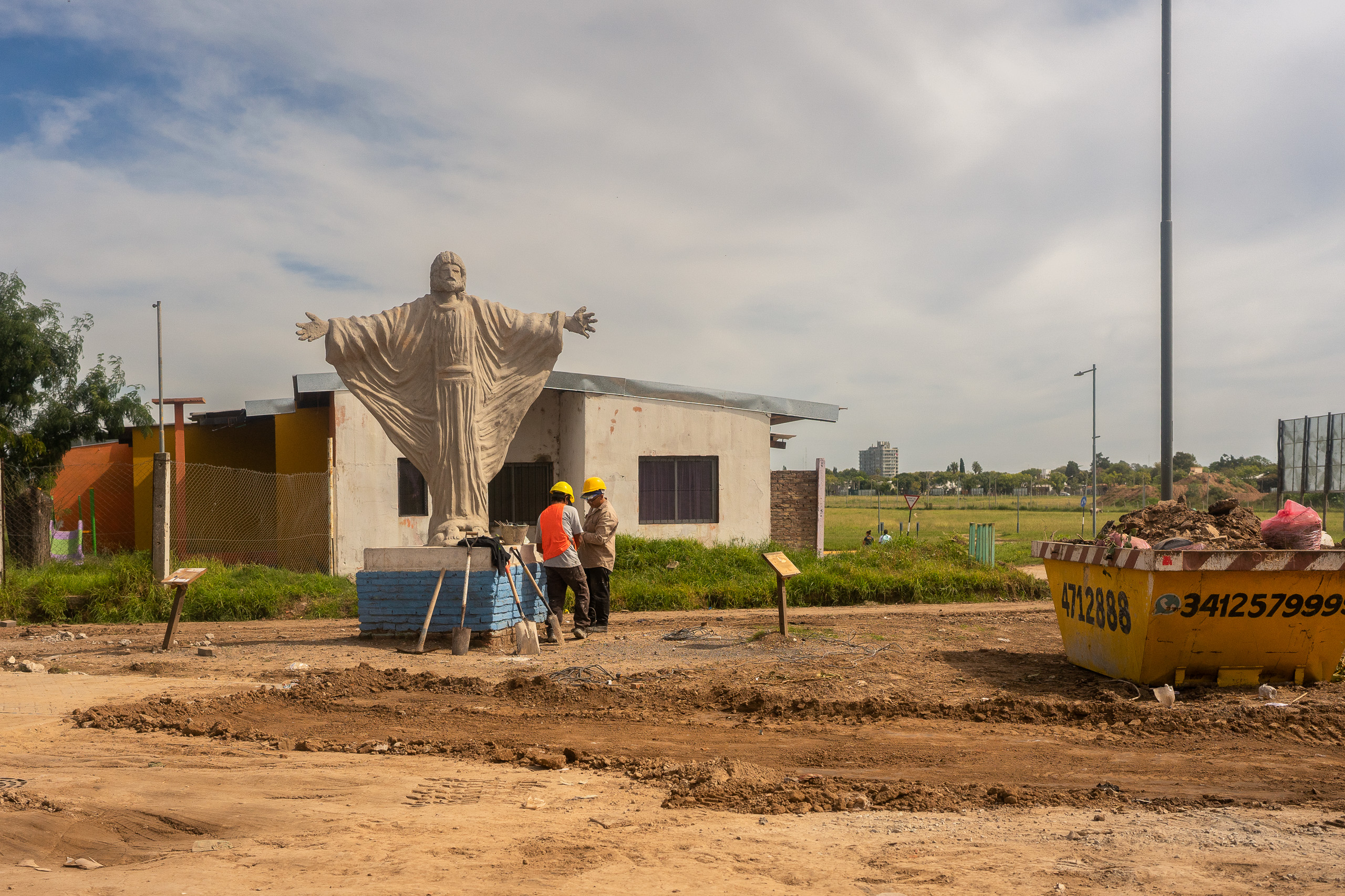
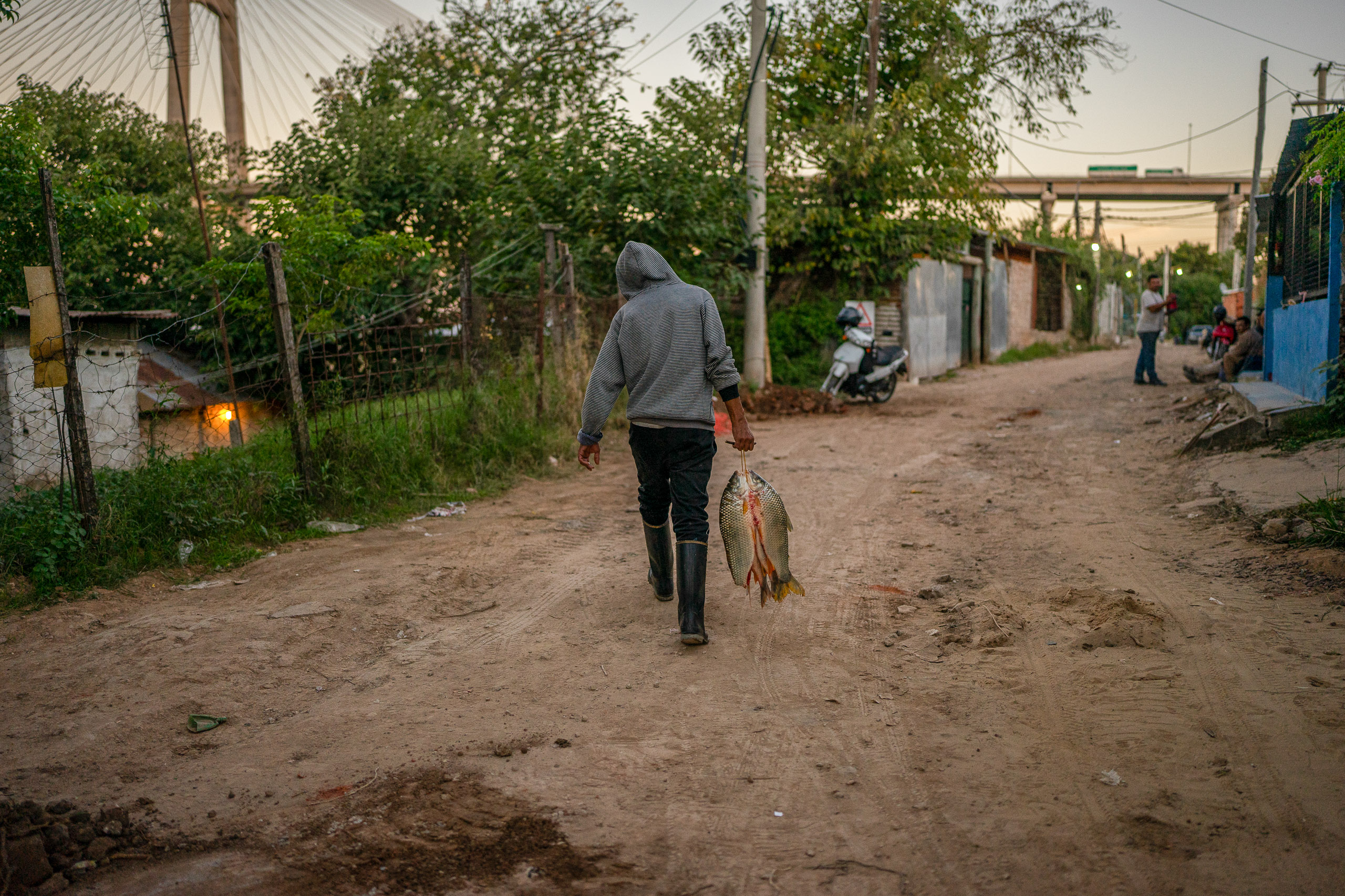
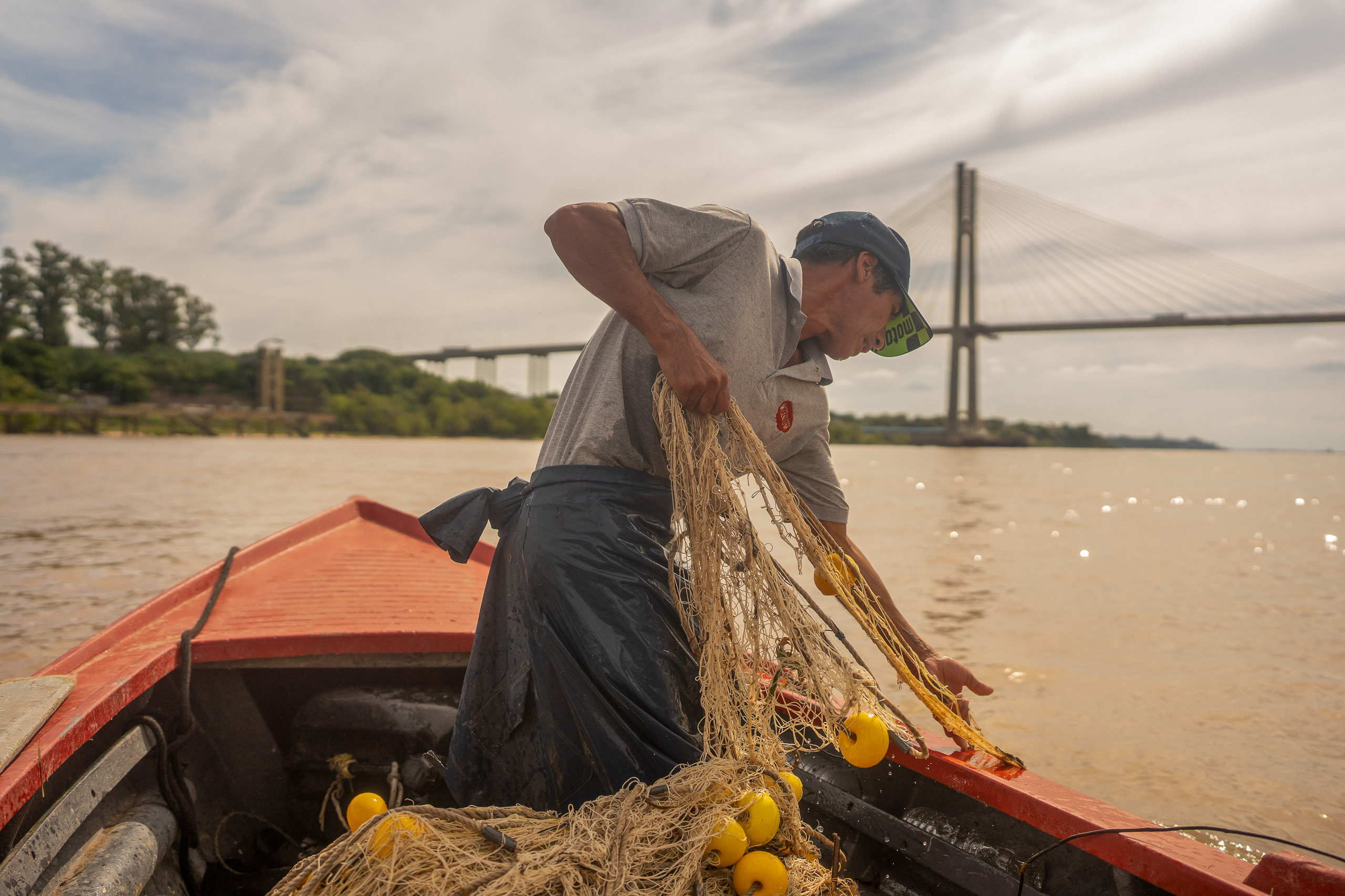
Today, it is home to some 350 families. Their self-constructed homes climb the ravines, linked by dirt paths that wind through the uneven terrain. Fishing nets are laid out in the sun next to the boats.
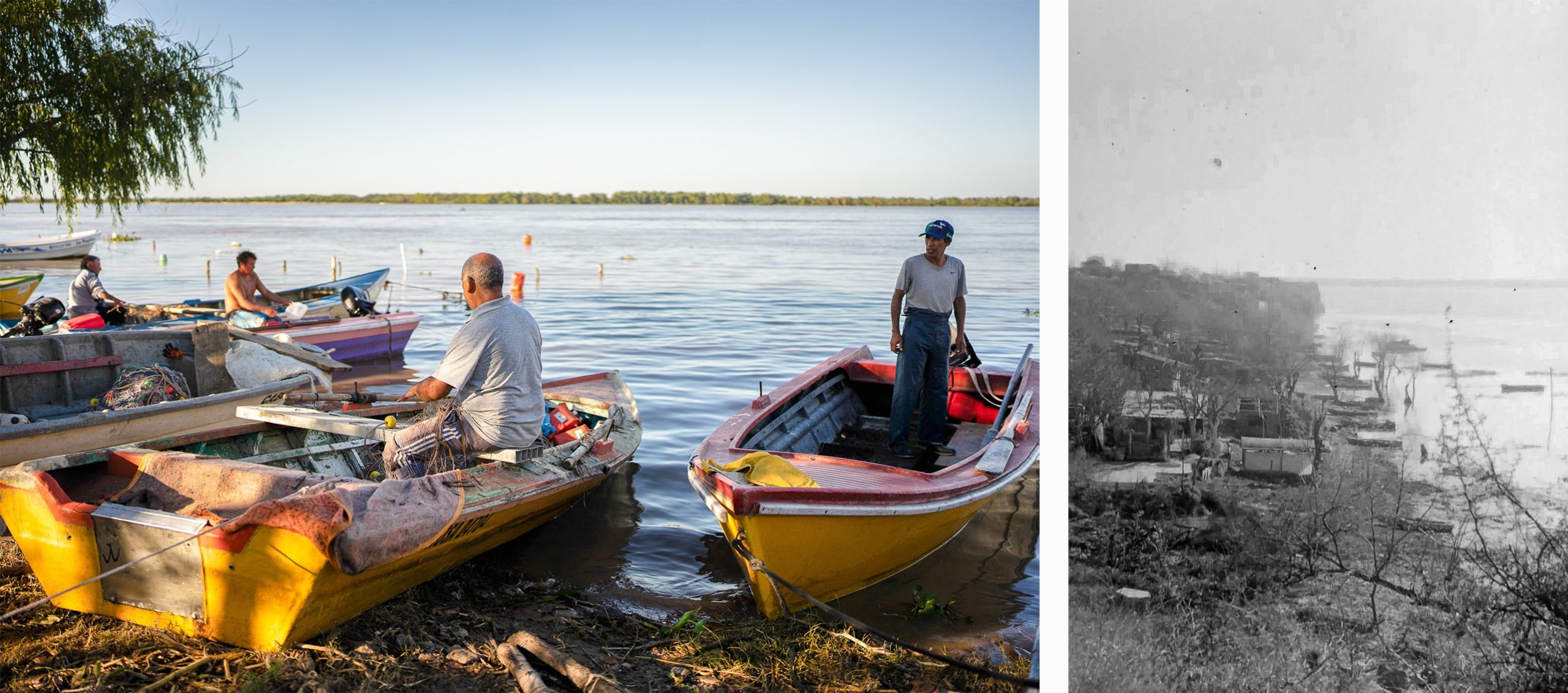
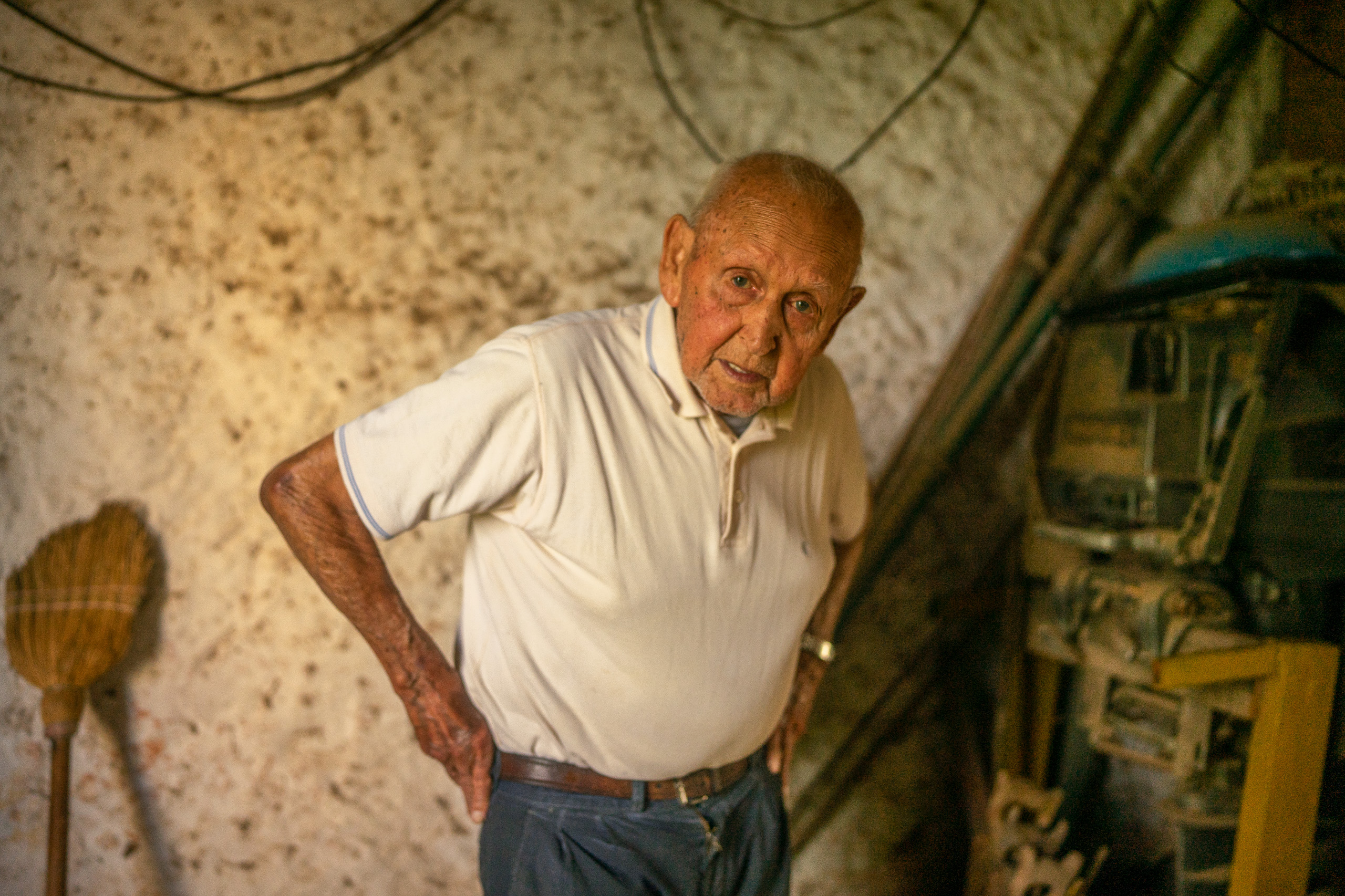
Dialogue Earth met Jorge Marín, one of the neighbourhood’s oldest and most respected voices, shortly before he passed away in late May. He had arrived in El Remanso more than 80 years prior, the son of one of the first settlers from the neighbouring town of Paraná. Marín came to be known in the neighbourhood as the “great fisher”. From his home high on the bluff, the fisher’s eyes fixed on the water as he watched the ships pass by. Marín’s words reflected the growing challenges the community faces: “The river gave me everything … from here, I see how the ships carry away all our riches.”
Since the 1990s, repeated dredging for the Paraguay-Paraná waterway project has enabled ever larger ships to pass through, establishing Rosario as a vital export point.
That transformation came at a cost to the river itself, fishers say. Dredging can accelerate erosion and make marine ecosystems less resilient. Manuel Díaz, a veteran El Remanso fisher, puts it bluntly: “Before, we’d cast a line and catch between a hundred and two hundred bogas [a species of grunt fish, popularly known as boops boops]. Now, if you’re lucky, you catch a small one.”
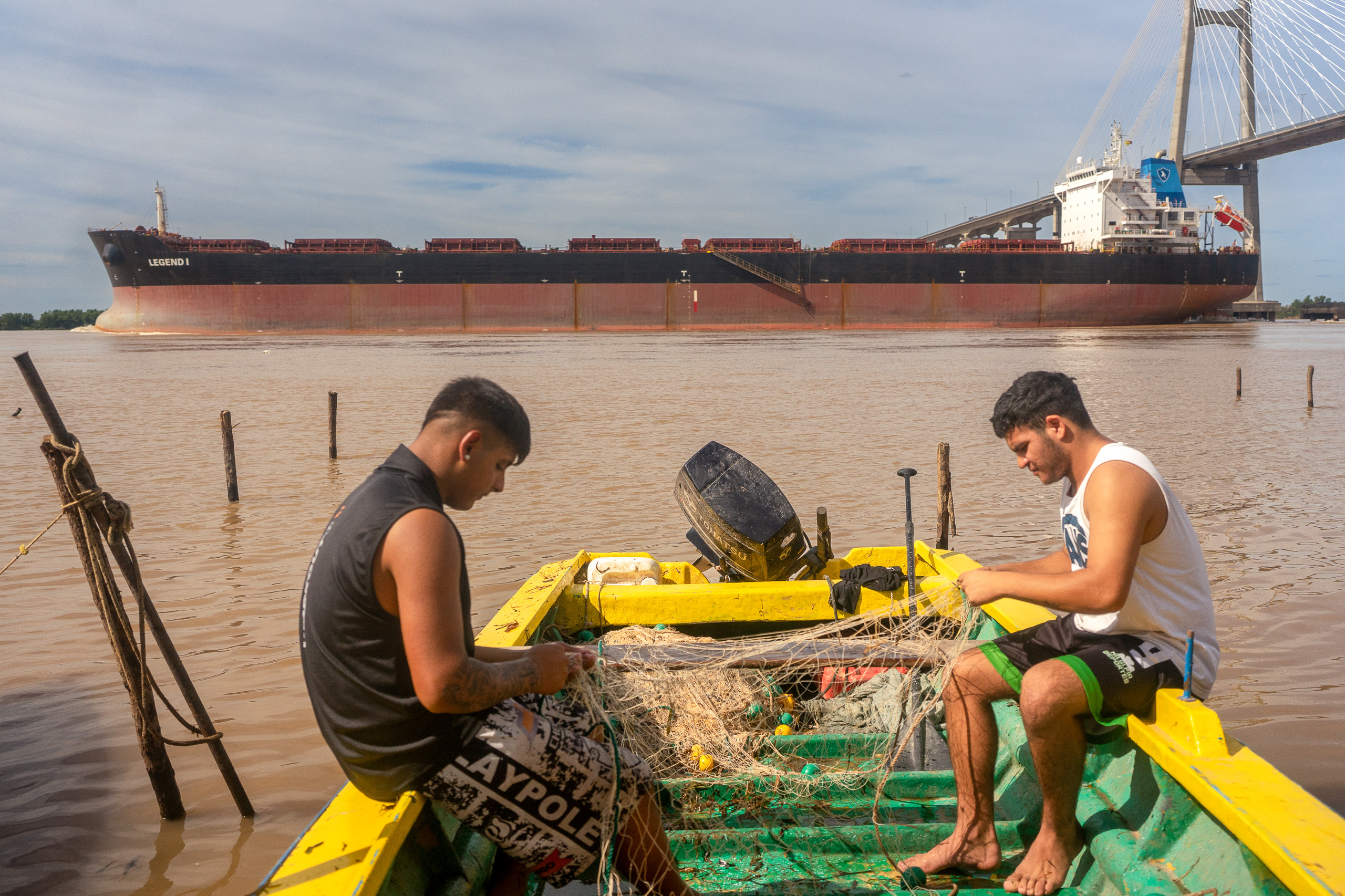
In June 2026, the Belgian company Jan De Nul was awarded a new concession, including further dredging works to deepen the waterway, running until 2051. Experts warn such interventions could further alter the river’s natural dynamics, affecting fish reproduction and accelerating riverbank erosion. Questions have also been raised over the sufficiency of the official environmental impact assessments carried out to date.
Neither Jan De Nul nor the Argentine National Agency for Ports and Shipping (ANPYN) has replied to requests for comment. A government report published in November 2025 stated that environmental regulations are being followed and environmental impacts minimised.
Dialogue Earth spoke to Cecilia Reeves of Taller Ecologista, an environmental organisation based in Rosario: “We are turning the Paraná – a complex, living system – into a straightened, uniform river highway. [For fishing communities] the river isn’t a transportation route. It’s their home and source of food.”
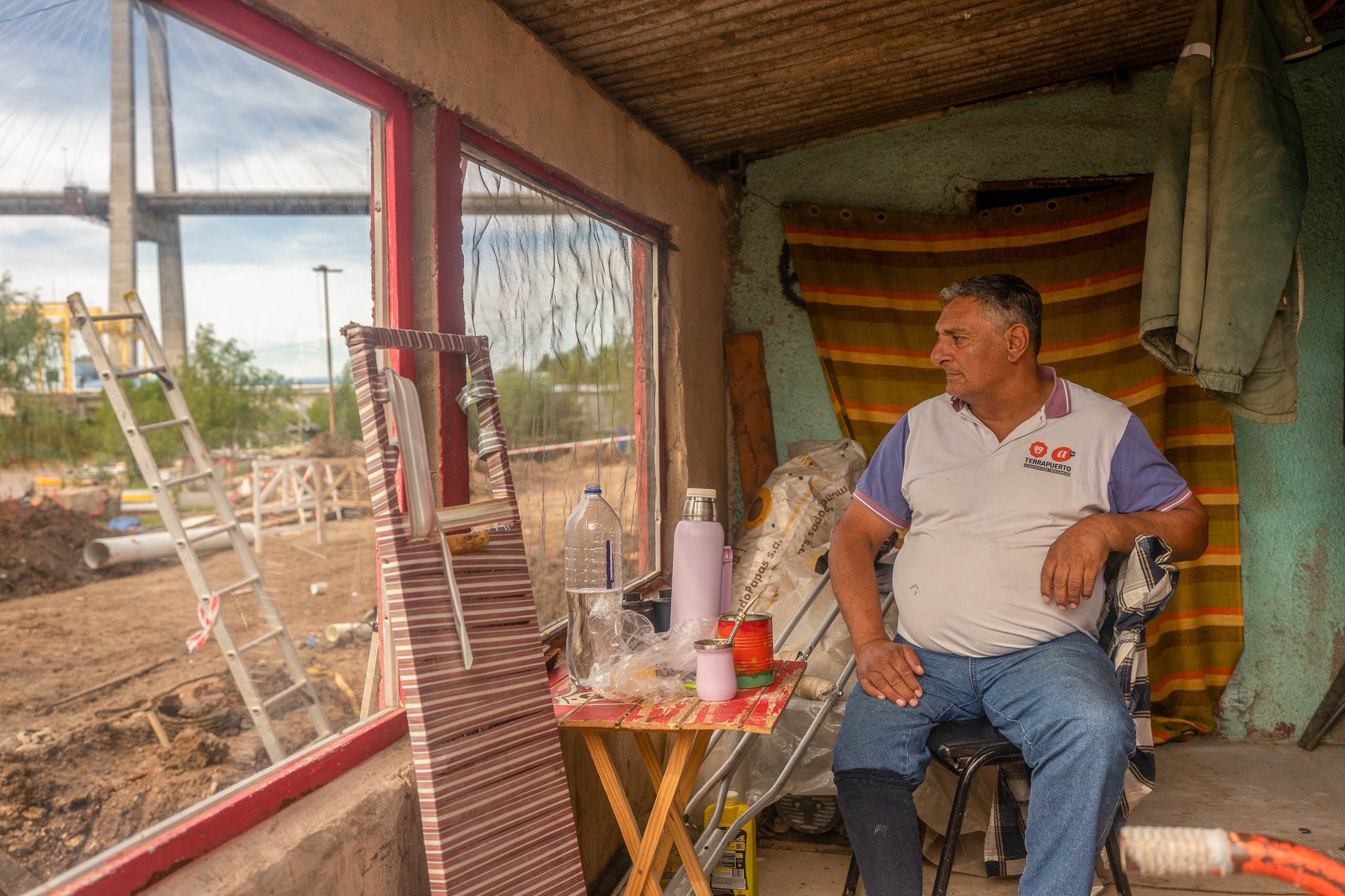
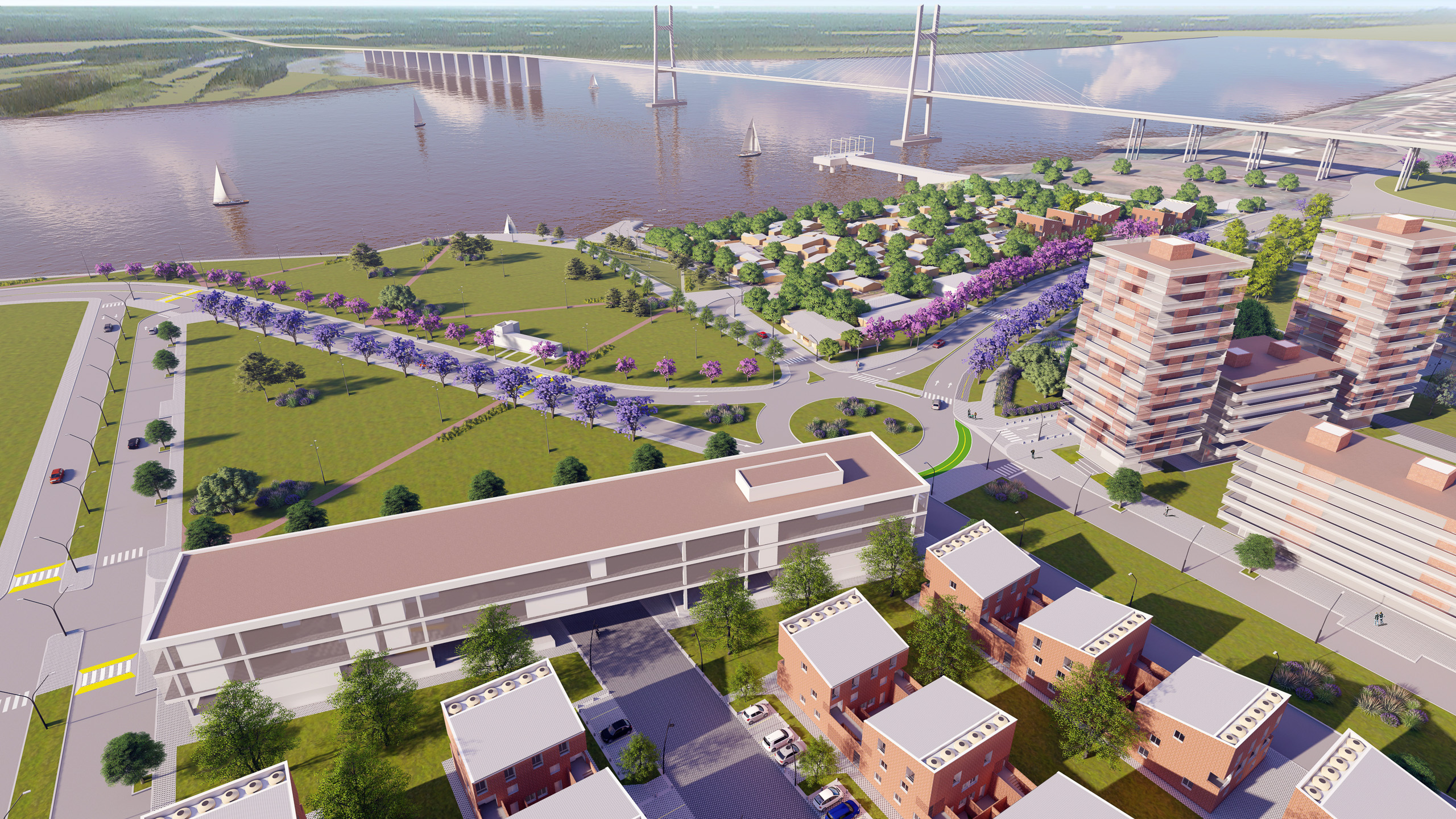
The neighbourhood is also facing a significant change: Parque de la Cabecera. This development proposes 2,500 new homes for some 15,000 people, as well as new sports fields, a cultural centre and “high quality public spaces”. The provincial government is currently finalising tender documents ahead of a bidding process for private developers.
The development includes Remanso Valerio. According to reports, 70 households would need to be relocated. Discussions are ongoing but two families have reportedly signed relocation agreements.
The plans worry some long-time fishers. “I grew up here; this is my life, and I can’t see myself living anywhere else,” says Díaz. “With the river, we feed our children and grandchildren; we buy them school supplies.”
Carlos Rubén Caballero, 42, has been fishing these waters since he was eight. As he speaks, his hands untangle his 300-metre-long net: “This new thing they’re doing was kept quiet … at first people were scared [of being displaced] … but we’re still here.”
The minister of public works, Lisandro Enrico, has stated that the project will generate a “true urban and social transformation” for those living in the area.
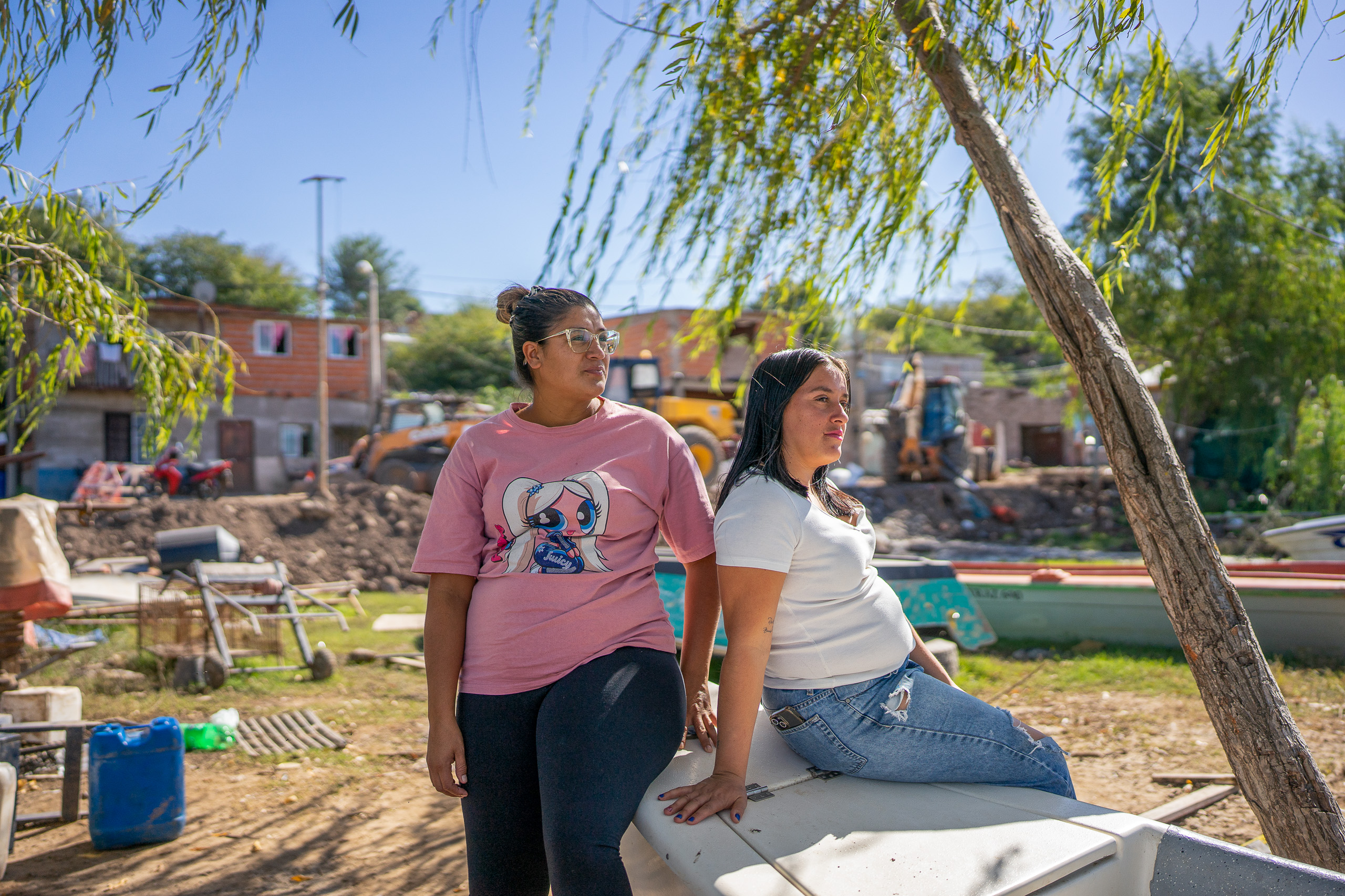
Agustina Olmos, 26, is a daughter and granddaughter of fishers. She is open to relocation but not to a wholly new area: “If they give me the chance to relocate, I’ll relocate, but I won’t leave here.”
These development tensions are replicated in riverine and coastal communities across the world. Fishers in Remanso Valerio fear that what is at risk of disappearing is not just the memory of a community, but a living history that continues to influence daily life – the continuity of a deep relationship to a river that has shaped ways of working, social ties and a body of knowledge for generations.