In early August, Donald Trump’s state department posted a five-minute film on social media. The clip details what the US foreign policy office calls one of the “boldest diplomatic statements in American history” – the 1823 Monroe doctrine.
The Monroe doctrine was a response to the threat of recolonisation of the Americas by European powers. The then-youthful United States, keen to see off this threat, declared the western hemisphere would be free of imperial conquest. This doctrine later developed into a broad statement that the US was “practically sovereign” in the region.
The era of European empires has waned. But, as the state department’s video makes clear, President Trump’s administration is unabashed about declaring itself dominant over its Latin neighbours. What is at the heart of this resurgence of 19th century foreign policy?
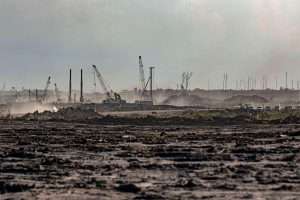
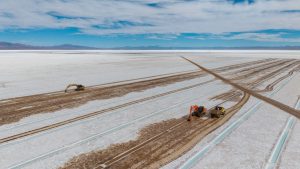
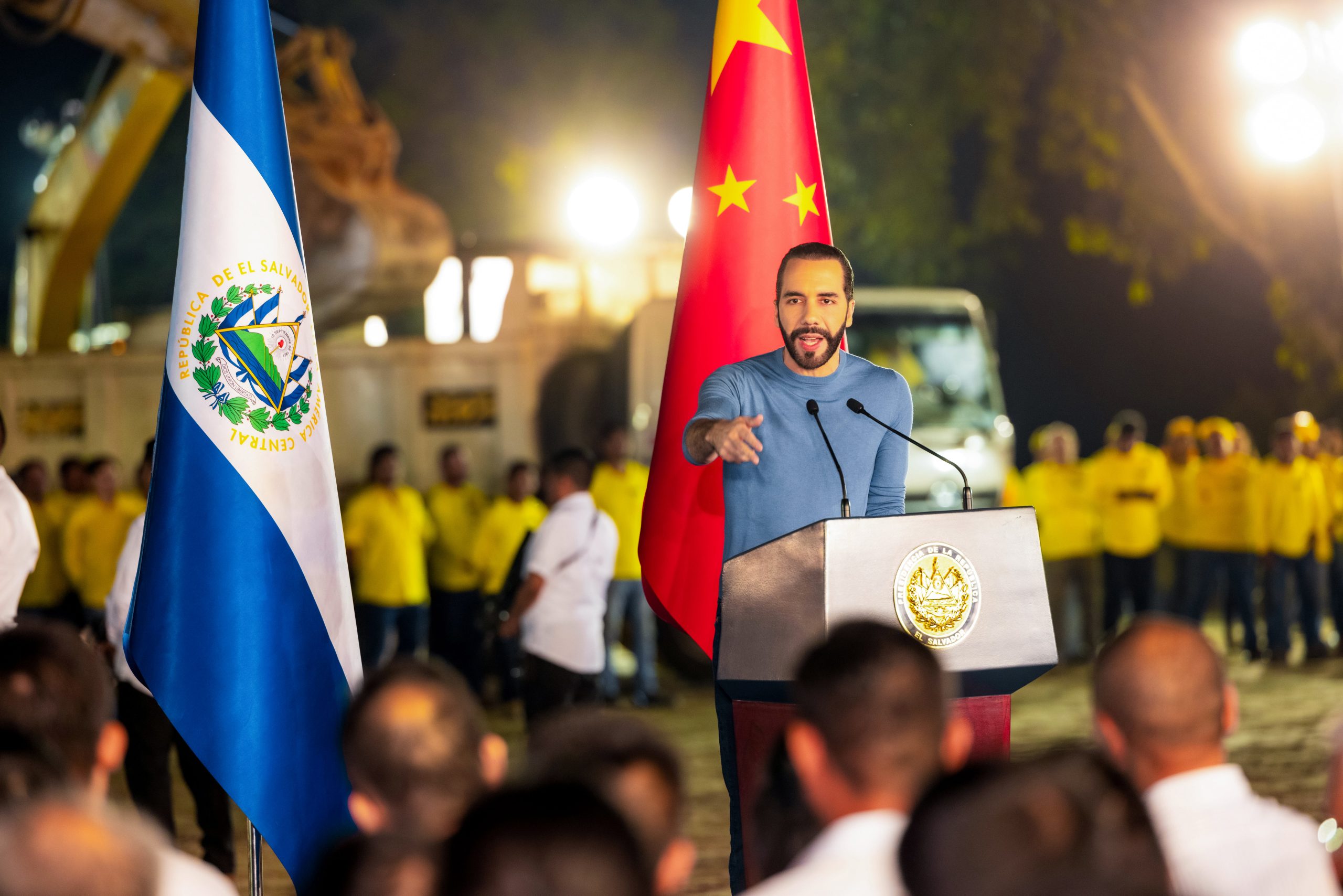
China has been quietly gaining ground in Latin America for decades, establishing itself as the region’s second-largest trading partner and top creditor. Chinese companies are behind lithium mines in Chile and Argentina and megaports in Peru, while China’s government is pushing a transcontinental railway to link it all together.
Both China and the US aim to be energy powerhouses, and the resulting clash over Latin America indicates two different approaches. Chinese companies have invested in lithium and other minerals central to the energy transition. Meanwhile, the Trump administration’s ousting of Venezuela’s President Maduro in January was nakedly linked to the country’s bountiful oil reserves.
The kidnapping of a sitting head of state may be seen as a warning to Latin America: the US is still the sovereign here. But is that still true? And could US strong-arming push Latin America away, and into the arms of Chinese investors?
The ‘Donroe’ doctrine
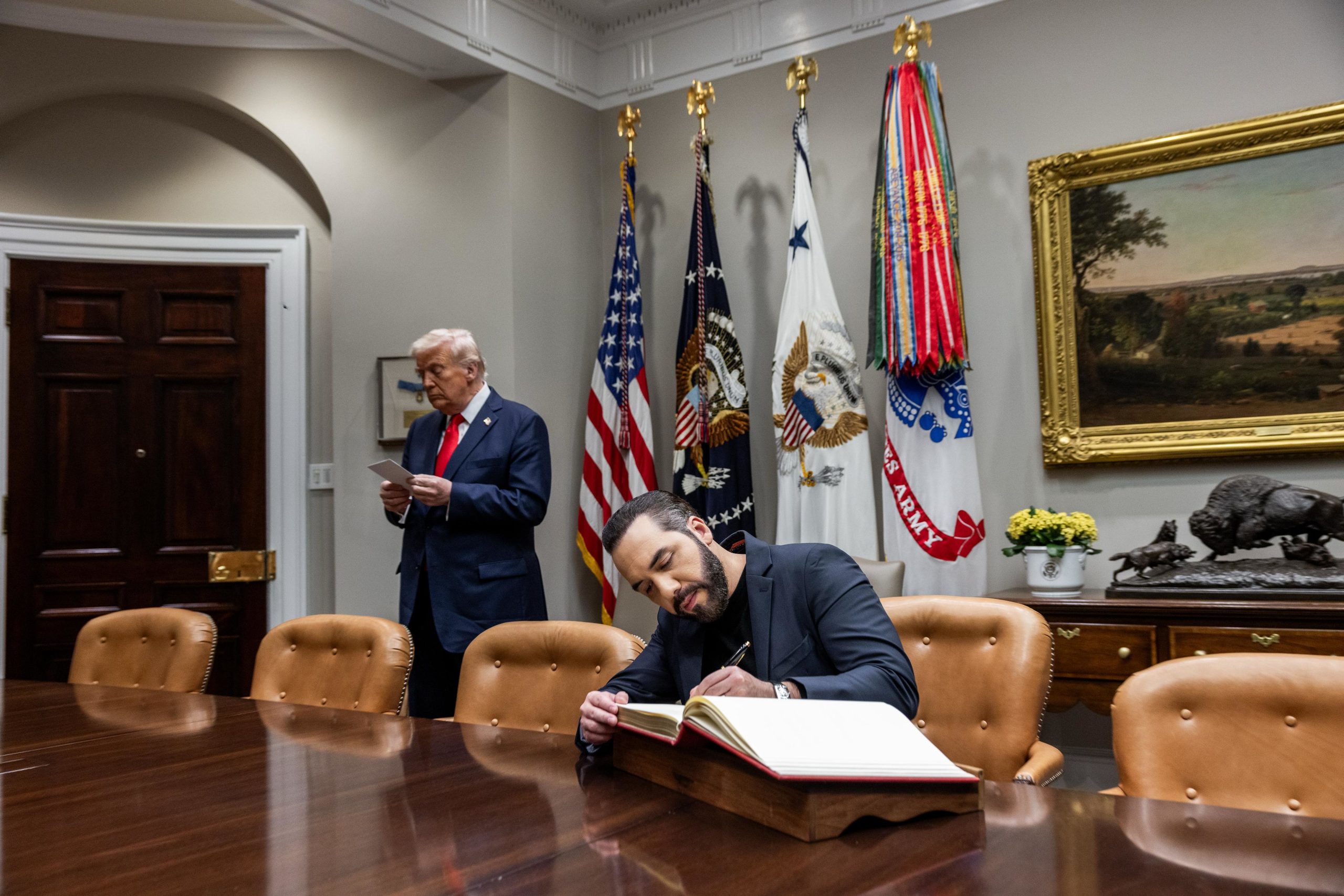
The White House national security strategy, published in November 2025, establishes a desire for a western hemisphere “free of hostile foreign incursion or ownership of key assets”. Unveiling the document last year, Trump told the world’s press that “American dominance in the western hemisphere will never be questioned again.” He cited the Monroe doctrine directly, attaching a “Trump corollary” for the 21st century – a so-called “Donroe“ doctrine.
“The [Monroe] doctrine has found its latest champion in Donald Trump,” says the US ambassador to Panama Kevin Marino Cabrera, who narrates the state department video. It is fitting that he was chosen to deliver Trump’s message. Ever since Panama achieved independence from Colombia in 1903, the US has retained a strong hold over its politics. Until 1999, it even retained sovereignty over a buffer zone on either side of the Panama canal.
In 1997, the Hong Kong company CK Hutchison won contracts to manage the ports at either end of the nautical thoroughfare. This year, those contracts became the centre of a political firestorm after Panama’s supreme court ruled them unconstitutional. Trump had previously claimed China was “operating” the canal.
Such pressure has been building across the continent. In June, Chile scrapped plans to link its coast to Shanghai via an undersea cable to enable data traffic, after the US raised concerns that the cables could also have a military function.
In Argentina, a dispute broke out this August after the US embassy in Buenos Aires threatened to revoke US visas for executives of an Argentine electricity company, after they brokered a deal with the Chinese company Huawei. This was despite President Javier Milei being one of Trump’s strongest Latin American cheerleaders and ideologically aligned with the White House.
Trump’s aggressive foreign policy has been a step change to that of his recent predecessors. Margaret Myers, managing director of John Hopkins University’s Institute for America, China and the Future of Global Affairs, says the narrative during President Obama’s US administration was that anything which benefitted Latin America was good for the US.
This softer approach, which enabled Chinese investment in South and Central America to proliferate, has been consigned to history as far as Trump is concerned. “You don’t hear that narrative anymore,” Myers says. “Now the narrative is that China will take advantage and if you engage too much there will be negative implications.”
The Chinese offer
China has reacted angrily to the stream of diplomatic rapprochements and threats coming from the Trump White House. In August, China’s ambassador to Chile, Niu Qingbao, accused the US of “coercive diplomacy” and “showing no regard for sovereignty”.
Chinese government officials have also argued that China’s overseas development model is based on cooperation and mutual benefit, and on strengthening partnerships between countries of the Global South. The word “cooperation” is used 174 times in its most recent Latin America policy document.
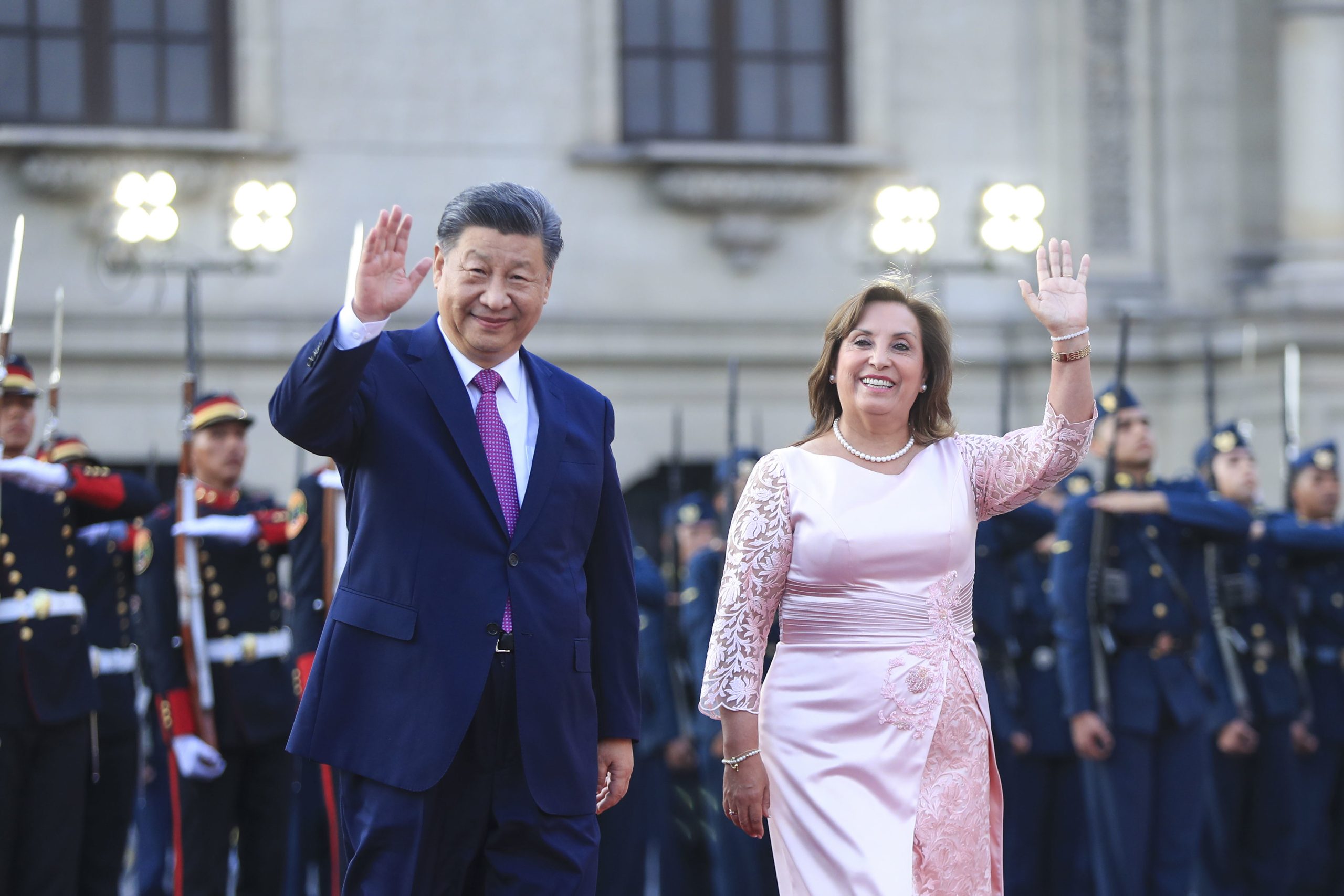
The country’s companies – many linked to, if not backed by, the state – have provided financing for a range of important infrastructure, the most notable of which is the port of Chancay, 80 km north of the Peruvian capital Lima. The Chinese shipping conglomerate COSCO owns a 60% stake.
Alice Hill, a former White House energy adviser and senior fellow at the Council on Foreign Relations, says China’s success has been based on acting as a reliable partner, as a contrast to Trump: “It’s a little like a marriage. If your trusted partner has cheated on you, it’s hard to overcome. We [the US] and our word hasn’t proven reliable. We cut off aid and we’ve disparaged our allies.”
How is the region responding?
As the international relations analyst Fernanda Magnotta pointed out in a recent post for Americas Quarterly, such aggressive use of US pressure makes alternative partners more appealing, not less. It also underlines the idea that taking sides is futile: “By trying to make Latin America choose, Washington will teach its governments why they should never have to.”
Brazil and the US have come to diplomatic loggerheads as the former approaches its election in October. Earlier this month, the visa of Brazil’s ambassador to Washington was revoked.
Meanwhile, the case of Argentina suggests that countries are driven more by necessity than ideological purity when it comes to taking geopolitical sides. As much as Milei might like to strike up an unbreakable friendship with the US president, economic realities in his country have led him to extend a multimillion-dollar currency swap with China.
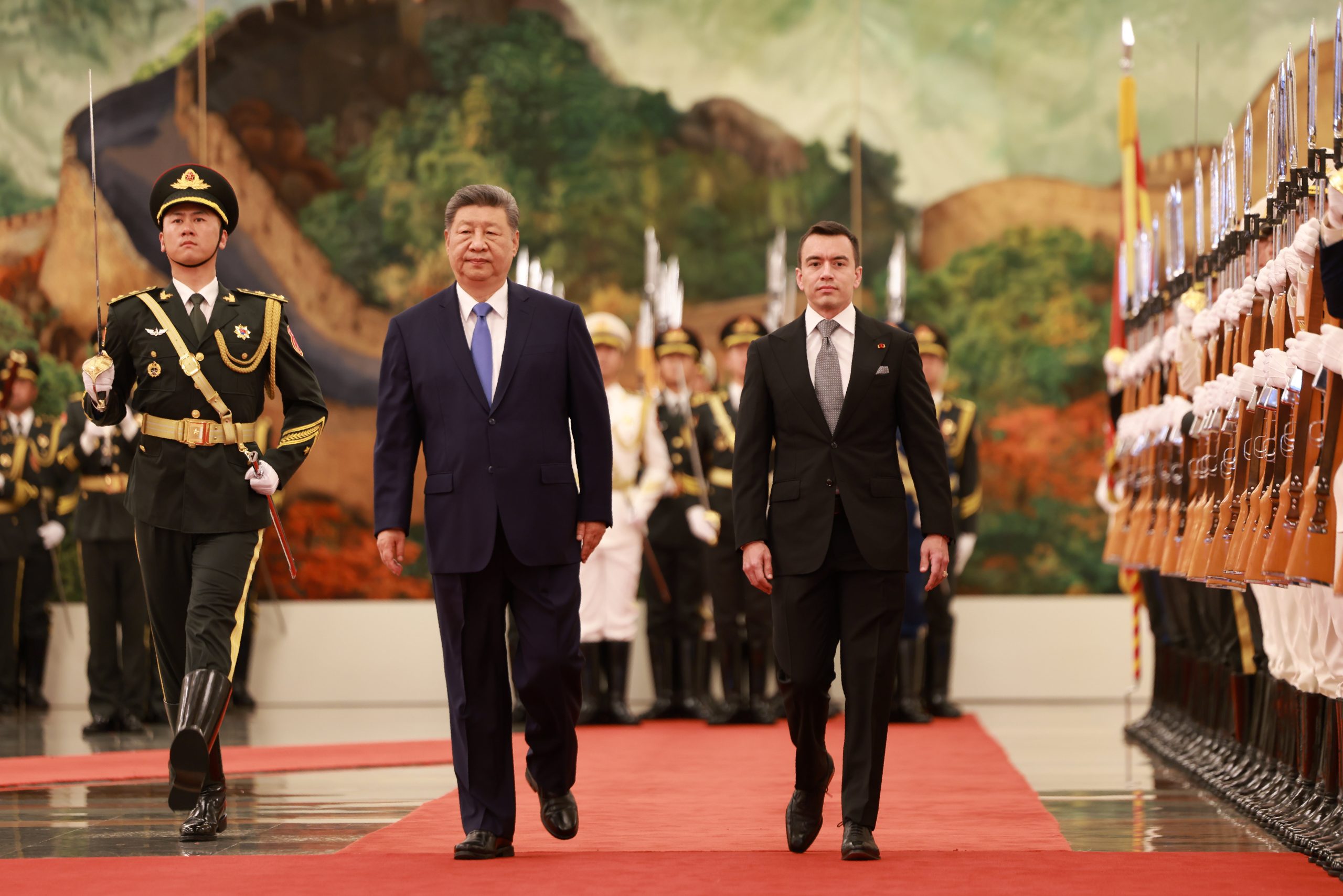
New diplomatic ties with China are forming all the time. Just last week, the Ecuadorean president Daniel Noboa met his Chinese counterpart Xi Jinping in Beijing as part of a state visit.
‘The transition is being made in China’
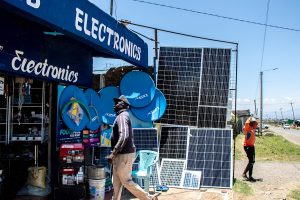
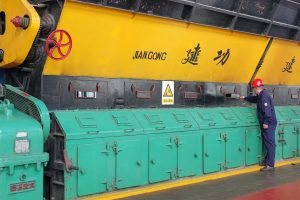
An important factor is that only China currently has the technology and expertise when it comes to energy transition technologies. And as major producers of the critical minerals that underpin those technologies, from lithium and copper to nickel and cobalt, Latin American countries have little choice but to export to China. In 2025, Chile sold more than half of its copper to China and 70% of its lithium.
Gustavo Pinheiro, an analyst at the energy think-tank E3G, says this transition is a “once in a lifetime opportunity” for Latin American development. “The transition is being made in China; it’s being made in technology,” he adds. The US, meanwhile, has “doubled down” on fossil fuels, according to Hill.
And it is not just at the government level that US aggression is pushing the region away. Polling published in July by the Pew Research Center suggests that views of China are now more positive in the region than views of the US; people are more likely to say that the US interferes in other countries’ affairs.
Pinheiro points out that there is a long history of US aggression, which is well understood in the region: “The US has 200 years of a terrible track record as an ally. They have proven again and again how unreliable [they are].”
If Trump believes he can bully his allies into submission, it appears that in Latin America he may be mistaken.