The global south is on the brink of a debt crisis.
According to the International Monetary Fund (IMF), 36 out of 69 low-income countries are either at high risk of or already in debt distress. Chad, Ethiopia, Ghana and Zambia are conducting debt restructuring negotiations. High debt service has curtailed government spending, leading at least 62 countries to pay more in external public debt service than healthcare expenditure during the height of the Covid-19 pandemic.
US$1 trillion
The additional finance needed per year by 2030 for developing countries to meet their development and climate goals, according to the Independent High-Level Expert Group on Climate Finance
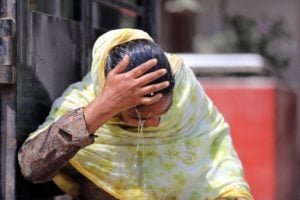
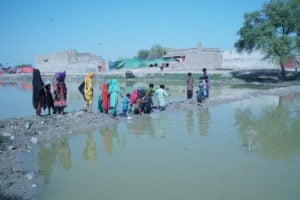
Simultaneously, developing countries (excluding China) need at least an additional US$1 trillion per year by 2030, or approximately 4% of their gross domestic product, to support their sustainable development and climate goals. At the same time, developing countries are bearing the brunt of a climate crisis that they did not cause. The increasing frequency of floods, droughts and cyclones is not only threatening human wellbeing, but also worsening fiscal deficits.
How can countries standing on the edge of a financial precipice mobilise the funding to meet shared climate and development goals?
As Brazil recovers its environmental and diplomatic credentials on the world stage, it has a crucial opportunity to help disentangle international debt negotiations and pave the way for green global growth.
Brazil has strong diplomatic relations with all major creditors, from China to the advanced countries at the Paris Club – the group of 22 creditor countries, mostly from Europe, as well as the US, Japan and Russia, and of which Brazil is also a member.
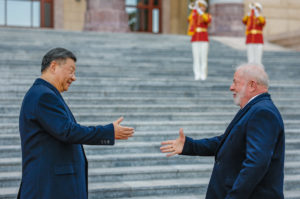
Though debt does not appear to feature directly on the agenda, Brazilian president Luiz Inacio Lula da Silva’s state visit to China – which began today (12 April) and will feature a meeting with Chinese leader Xi Jinping – could be a first step in finding common ground in debt negotiations.
Brazil has a crucial opportunity to help disentangle international debt negotiations and pave the way for green global growth
Brazil is also slated to host the G20 summit next year, providing ample space for shaping multilateral dialogue – including pushing for a review of the G20 “Common Framework”.
Debt relief for the most debt-vulnerable countries demands reforming the international financial architecture. In 2020, the G20 recognised the need for debt restructuring and endorsed the creation of its Common Framework, which was an attempt to bring all relevant creditors to the negotiating table in coordinating debt relief for low-income countries. Until the 1990s, the world’s main official creditors were members of the Paris Club; today, non-members China, India, Saudi Arabia and the United Arab Emirates are also key official creditors. Moreover, private bondholders emerged as key lenders and today hold almost half of the debt owned by developing countries.
The Common Framework, as it stands today, is therefore unfit for purpose, for three reasons: It excludes middle-income countries; its process is exceedingly slow, as countries that applied have yet to see a debt reduction; and there are no incentives to compel the participation of private creditors. The timid involvement of multilateral lenders such as the World Bank and IMF has also raised reasonable complaints from China and further delayed comprehensive debt restructuring.
In tandem with comprehensive reform, a “new” Common Framework should associate debt relief with green investment commitments, which would align debt negotiations with Brazil’s green agenda under President Lula. An updated take on the Brady bonds of the 1990s – when private creditors provided debt relief in exchange for bonds with greater assurance of collectability, and which helped to ease the 1980s Latin American debt crisis – could help incentivise participation from a broad range of creditors.
Debt and climate vulnerabilities are intertwined, but the cycle can be broken by solving the current debt crisis and creating fiscal space for developing countries to boost climate-related investment. Brazil is in a privileged position to broker these negotiations and forge a new international financial architecture.