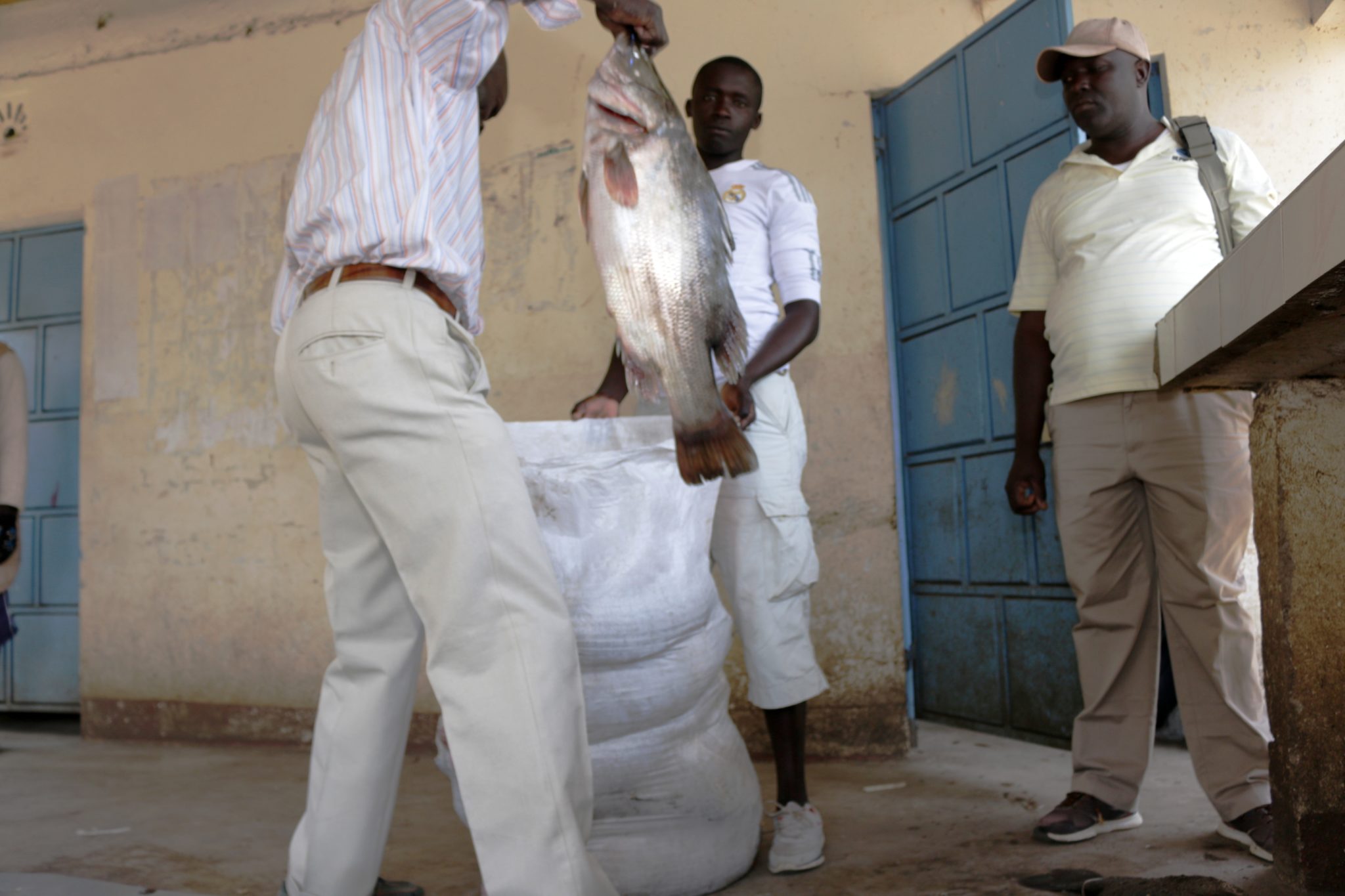
Besides his regular job as an accountant at Kenyatta National Hospital in Kenya’s capital Nairobi, Geoffrey Ombati Osoro owns two fish distribution stores in the city, and another in the western town of Eldoret.
He typically sold up to 1,000 kilogrammes of fish a day, but last year sales fell to around 600 kilogrammes, a 40% drop. Growing imports of fish from China are to blame, he says.
Chinese imports of tilapia – the most popular fish in Kenya – sell for around US$2 per kilogramme, compared with US$3 per kilogramme for local fish, he explains. Imports date back to around 2013 and reached a value of US$100 million in 2016, up from US$62.4 million in 2015, according to the Kenya National Bureau of Statistics.
“The imported fish are cheaper and smaller, so you can get fish at wholesale prices of as low as US$1 per kilogramme as opposed to fish from the local lake, for which the very lowest price you can pay is US$1.50 per kilogramme,” he adds.
In 2017, Kenya imported fish worth US$12 million, up from US$10 million the previous year, according to figures from the National Bureau of Statistics.
Safeguarding local industry
Artisanal fishermen, wholesalers and processors are crying foul over the imports, claiming they are undercutting Kenya’s indigenous sector on price. The allegations have become a major source of tension between the two countries.
President Uhuru Kenyatta banned the import of Chinese fish on 15 October in a declaration at a conference on small and medium enterprises in Nairobi. He was under pressure from traders at the event protesting against the strangulation of local businesses.
“While we have good trade relations with China, we must act to protect the interests of our people. If it is fish from China that is causing misery to our fishermen we will creatively impose conditions to stop the exports to safeguard the local industry,” the president said.
While the presidential “ban” has not been made into law, China’s chargé d’affaires to Kenya, Li Xuhang, was quoted in local media warning that the ban would amount to a “trade war” between the countries. This would put at risk funding of phase two of the so-called Standard Gauge Railway, a modern line that is supposed to link Uganda to Kenya’s Indian Ocean port of Mombasa.
While the first phase of the line between Mombasa and Nairobi has been completed, an additional 60 kilometres extending it to the west of the country is under construction, partially funded by US$150 million from China.
According to Melchzedeck Osore, a senior researcher at the Kenya Marine and Fisheries Research Institute, fish imports were likely to continue to meet the country’s annual fish deficit of about 800,000 tonnes.
Proper regulation was required for imports while the country sought to grow local production to meet annual per capita consumption of 4.5 kilogrammes, against an annual production of 203,000 tonnes, Osore says quoting 2016 Food and Agriculture Organisation (FAO) figures. This supports less than 0.3 kilogrammes a day per person according to the researcher.
“We need imports to take care of the fish deficit, but we also need proper regulation for balancing imports and production, and for determining which products should be imported,” he says.
“The first priority is to increase production and afterwards regulate importations,” he adds.
Developing local fishing
Consumption of fish in Kenya has been growing due to rising awareness of its nutritional value, population growth, and improvements in storage which have reduced waste, the scientist says.
Part of the reason for the huge gap between production and demand is low investment in fisheries, and near obsolete technologies deployed by local fishermen, Osore says.
“Other factors that come into play include the high cost of production – this needs to be addressed whether the fish is from aquaculture or wild capture and this will make local fish more competitive against imports,” Osore believes.
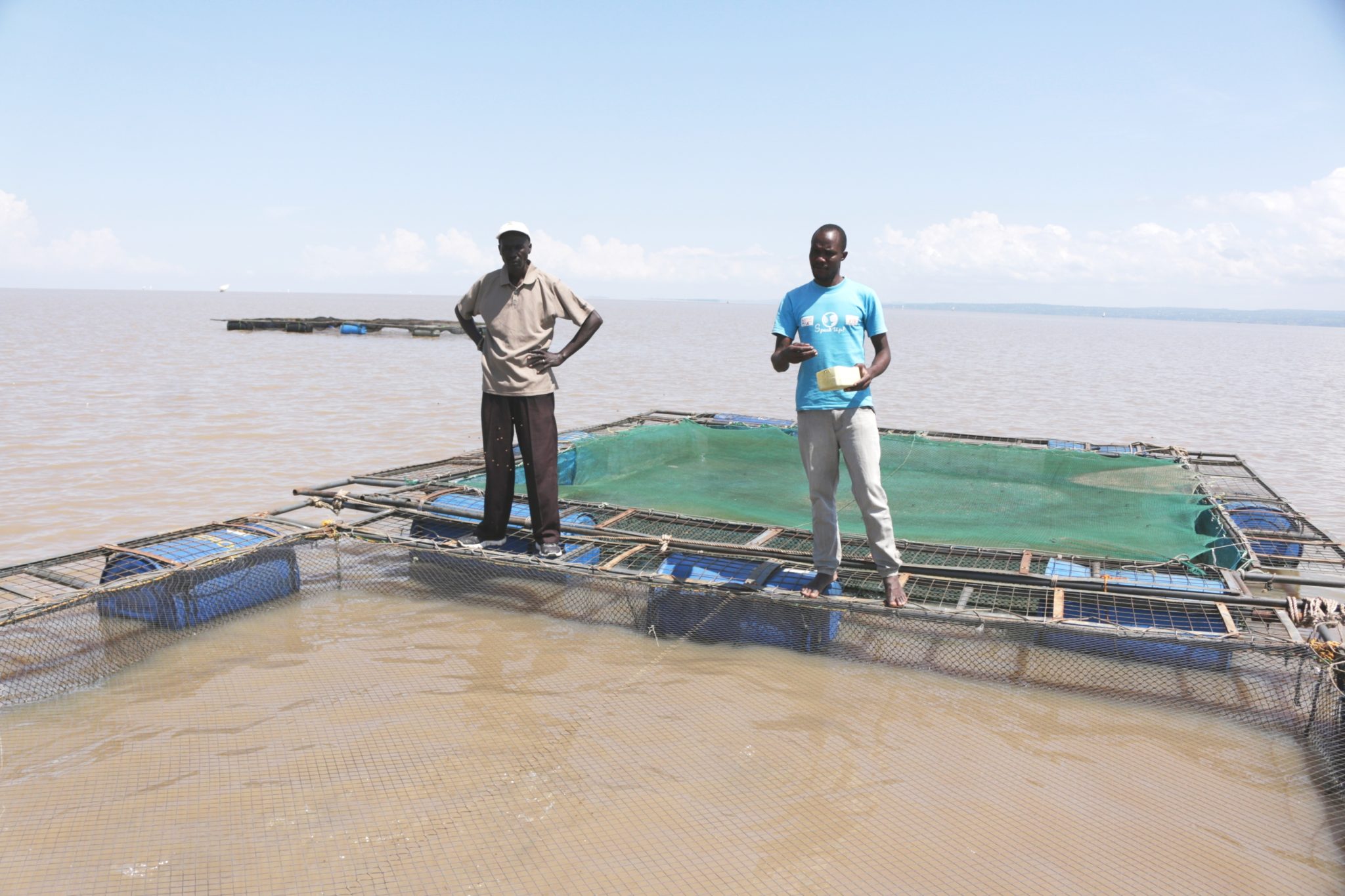
Kenya could only meet its demand for fish by investing in aquaculture, better and sustainable fishing practices on its lakes, rivers and seas, as well as conservation of marine ecosystems, he says.
Osoro shares these views. Corruption in Kenya’s trade and agriculture ministries, and within customs authorities, were to blame for unregulated importation, he believes.
Companies that import fish must be owned by influential people in Kenya’s political and business spheres for them to be able to bring in huge volumes without government regulation, he claims.
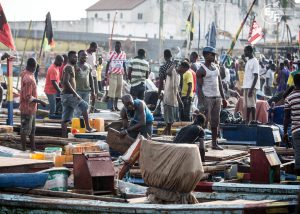
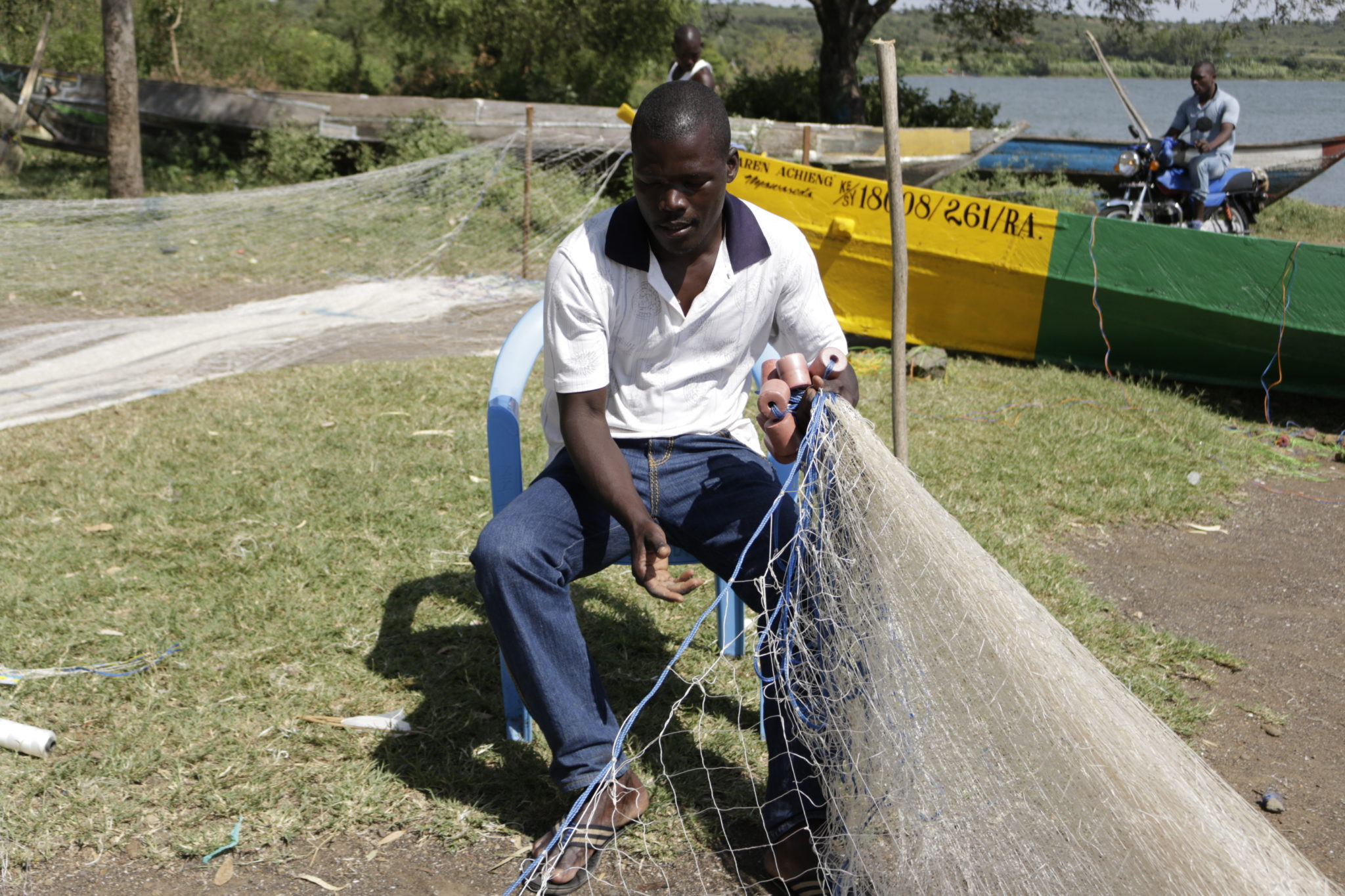
It is not only traders like Osoro who are hurting from effects of the trade. Goodluck Mbaga, is a fisherman based at Vipingo beach in Kenya’s Indian Ocean coastal region of Kilifi, where he operates a dhow, a traditional type of boat.
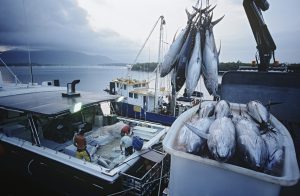
Without any modern equipment and wholly dependent on three men he employs to operate the boat, catch has been dropping to as low as 20 kilogrammes of tuna a day.
After selling his catch to local traders at between US$3-US$4 a kilogramme, he earns an average of US$60 a day. He then shares this between his fishermen, himself and the boat – with the boat’s share saved for future maintenance costs.
Unfair competition
Mbaga says that the situation was not always this bad, noting that business has gone down by 70% over the past six years or so. He blames the presence of foreign fishing vessels, and poor law enforcement that allowed vessels to fish in areas designated for breeding.
“The only reason why we have been able to sell our catch is because our fish is fresh when compared to imports which could have been stored in a freezer for up to five months,” he says.
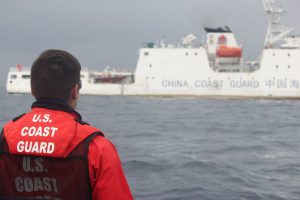
He blames corruption for illegal fishing by foreign ships in Kenyan waters, saying that when arrested the foreigners were quickly released. Meanwhile, their boats continue to deplete resources that small fishermen would otherwise catch.
The total catch from Kenyan waters dropped from 147,000 tonnes in 2016 to 135,000 tonnes in 2017 according to a report from the National Bureau of Statistics. Meanwhile, the Kenya Institute for Public Policy and Analysis (KIPPRA) estimates that the country loses fish worth US$100 million annually to illegal fishing.
Mbaga feels his dhow cannot compete with foreign vessels because it can only venture about two kilometres out to sea where waves are small but there are fewer fish.
“We can only fish close to the shore which puts us at a huge disadvantage,” he says.
At Nairobi’s City Market, hotel attendant Irene Wafula admits that a shortage of local fish and the lower cost of foreign produce has forced them to cook imported fish for customers.
She says she would not want her customers to know that she sells them the much talked about Chinese fish that some people deem to be of lower quality or contaminated.
“The fact is that the fish is as good as any, but there’s a perception that coming from China, it could be of suspect quality or unsanitary, which is supported by the widespread belief that things made in China are of poor quality,” she says.