![<p>The Oyu Tolgoi copper mine in Mongolia’s South Gobi region in 2012 [Image: Reuters/David Stanway/Alamy]</p>](https://dialogue.earth/content/uploads/2021/03/mining-trucks-Oyu-Tolgoi-South-Gobi-Mongolia-2400x1495.jpg)

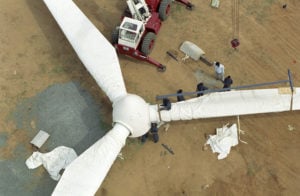
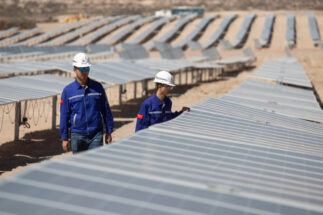
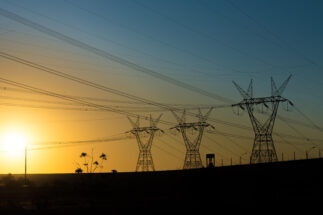
The European Green Deal is a bit like a game of tug of war. On the one hand, the EU has laudable aims of using the deal to reach net zero carbon emissions by 2050, achieve a circular economy and reduce resource use. On the other, it will turn to countries outside the bloc to supply the raw materials needed to meet the demand for clean energy, renewables and other high-tech solutions at the forefront of its green development plans.
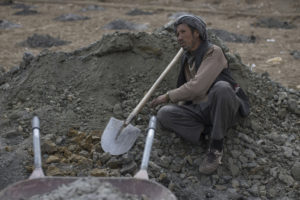
But meeting the demands of industries and consumers at home is taking a toll on the people and nature at the other end of the supply chain, where materials are extracted. And these demands are massive.
The European Commission estimates that for electric vehicle batteries and energy storage, it will need up to 18 times more lithium and five times more cobalt in 2030 compared with now, and almost 60 times more lithium and 15 times more cobalt in 2050. At the same time, the commission is proposing to “accelerate and facilitate” procedures for the approval of mining projects in the EU and its neighbours, including the resource-rich countries of Central Asia.
The cost of EU climate neutrality is being paid by those at the other end of the supply chain
This is how demand for rare earth metals and raw materials translates into the EU’s green ambitions and shows that the cost of EU climate neutrality is being paid by those at the other end of the supply chain.
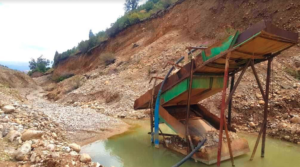
A new Bankwatch report finds cases of environmental destruction and loss of livelihoods at metal mining and smelting operations globally, often backed by funds from the EU and other development lenders.
One such example is the Oyu Tolgoi copper mine in Mongolia’s South Gobi desert. The project’s owners include EU governments via the European Bank for Reconstruction and Development and the World Bank’s International Finance Corporation, which together have lent over USD 1.4 billion.
Heavy human cost
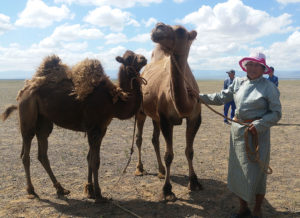
As Mongolia’s flagship mine, Oyu Tolgoi is often advertised as a world-class, sustainable, safe and energy-efficient mining project that will provide copper to help meet the world’s growing communication demands. In reality, it has been subject to controversy on multiple occasions for affecting the livelihoods of herders by depleting water resources and fragmenting pasturelands.
Nomadic herders in the South Gobi were forced to relocate in 2004 from more than 20,200 hectares of pasture to make way for the mine, which threatened their livelihoods and traditional culture. In total, 11 herder families were physically displaced and 89 “economically displaced”, and qualified for compensation packages.
In 2012 and 2013, affected herders filed complaints to the International Finance Corporation’s Compliance Advisor/Ombudsman (CAO). One concerned the 2004 resettlement plan, the other demanded improved access to water and organisation of pasture resources.
In 2015, Oyu Tolgoi acknowledged the “inadequacy of the resettlement process”. The herders, the Khanbogd Soum local government and the company then formed a Tripartite Council to resolve the complaints. By 2017, the Tripartite Council had signed a resolution agreement, and in March 2019, the CAO officially closed the case.
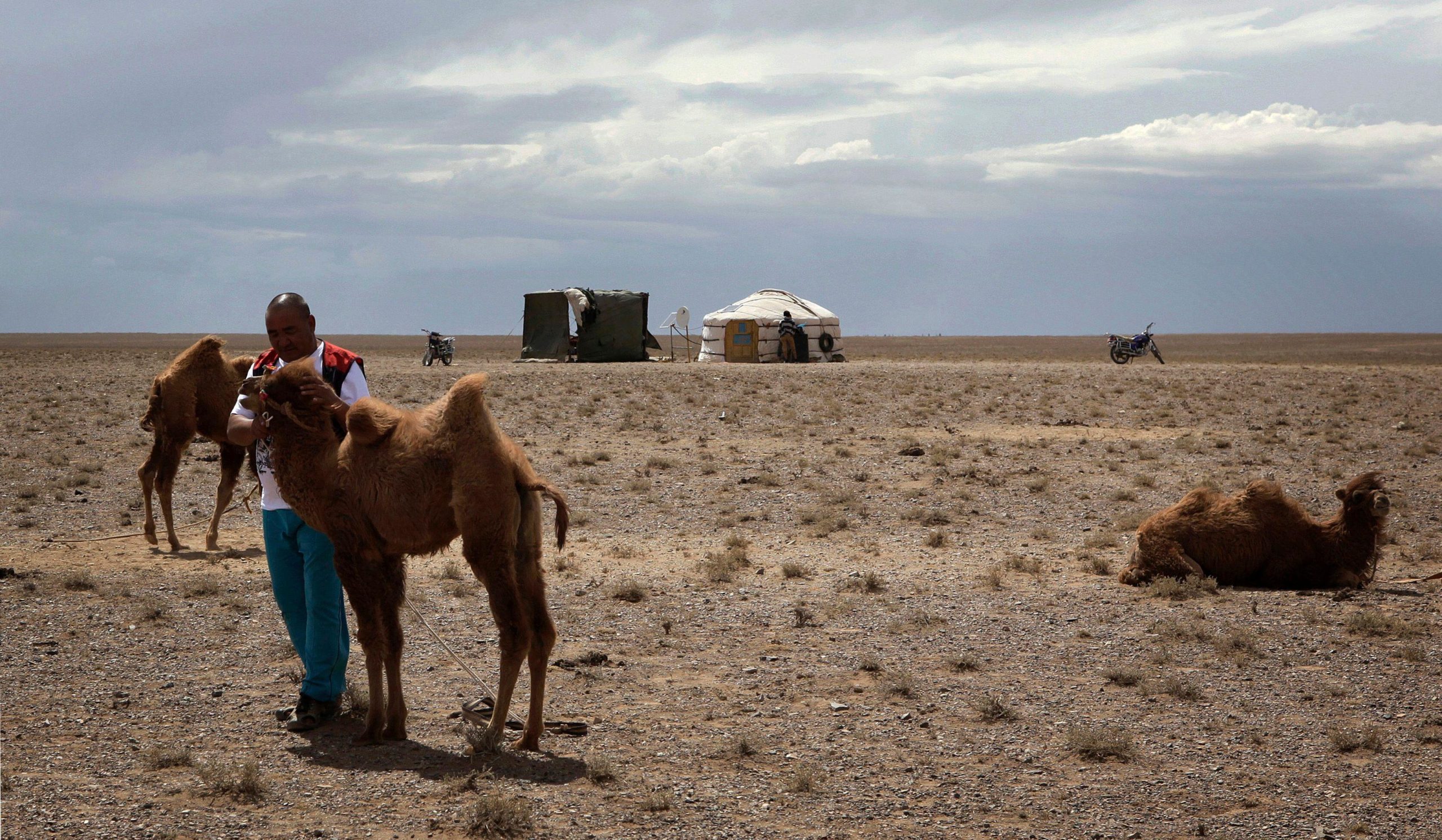
But critics argue that progress on the agreement is dubious, with only 29% of the commitments delivered on. Most commitments, including an improved monitoring programme and a 10-part Sustainable Livelihood Programme, have at least been put into motion. These include the establishment of a herder’s market and a livestock slaughter line, which can mitigate the impacts of losing traditional herding practices.
Reduced access to water
In addition to the loss of livelihoods, the Oyu Tolgoi project has impacted local water resources. In 2013 seven herders filed a complaint with the CAO, expressing concerns that the diversion of the Undai River might lead to the depletion of water resources in the region, as well as reducing the yield of pastureland.
The claimants pressed for a stop to the diversion works and the distribution of appropriate compensation. These demands were bolstered by the independent experts panel employed by the Tripartite Council, which noted the irreversible impacts caused by the diversion works on traditional livestock husbandry.
In addition to identifying issues caused by diversions, the report found that negligence in the construction of multiple wells may have contributed to the further depletion of water resources. As a result, the report points to irreversible loss of pastureland and subsequent fragmentation, which will likely continue to have significant impacts on traditional herding practices in the region.
In 2017 various measures to mitigate the impacts of the Undai River diversion were agreed, such as the development of pasture management plans. The mining company committed to undertake a hydrological study of local water resources, build 12 new wells for herders based on this study, and maintain existing wells.
However, while the promised solar-powered wells were indeed built by June 2020, they were constructed without the company first conducting a hydrological study. The number of wells that Oyu Tolgoi committed to build is also significantly less than recommended.
Ending the push-pull
The case of Oyu Tolgoi tells a cautionary tale of how EU funding for mineral extraction has led to increased pressures on people and the environment where mines are located. Reducing pressures on locals and ecosystems must go hand in hand with the conditions placed on the most polluting industries.
Getting there will require the European Commission to provide a clear vision and dedicate funds to overcome the problems related to the mining of raw materials.
The commission must incorporate policies that ensure the use of less-exploitative and toxic-safe technologies; the restoration of old mining sites; strict environmental, social and human rights due diligence for mining projects; and the right for the communities affected by the mines and surrounding facilities to have a say.
The EU cannot push a European Green Deal at the expense of local communities, workers’ rights and biodiversity, especially in the face of the economic and social crises resulting from the coronavirus pandemic. This would be a raw deal.