Last week the UK government appointed Alok Sharma as its new secretary of state for business and president of this year’s UN climate talks, which the UK will host in Glasgow in November. Sharma replaced Claire O’Neill, who was fired just days before COP26 was launched. The new president is a relative unknown, but he’s now responsible for getting global climate diplomacy back on track in a pivotal year for climate action.
So what are the top priorities for the UK government and its new COP26 president? China Dialogue asked five experts for their views.
Farhana Yamin is an international climate lawyer and founder of Track 0
Alok Sharma has a tough job on his hands.
His best strategy is to use the predicament the UK finds itself in to his advantage. Instead of greenwashing the government’s record, he can speak the truth about the climate emergency facing the UK. He can start by admitting that the UK has not done enough mitigation or adaption in the last 30 years. That is why it is experiencing record levels of floods with thousands of homes underwater.
He could announce his intention to insist that Boris Johnson convene regular COBRA meetings so people know this government is taking the consequences of climate chaos seriously.
Next, he could announce he is going to use the June session of the UNFCCC to listen to what developing countries have been saying about loss and damage for a decade and commit some money to deal with what’s actually happening in the real world.
He can acknowledge that the UK is the centre of the global financial system and consequently must end the money pipeline of trillions going to dirty fuels.
Finally, he needs to lay out a credible plan for the UK to meet its fourth and fifth carbon budgets for its net zero by 2050 goal. The UK has little credibility as a leader if it’s in breach of its own climate laws.
As a historically large emitter with deep pockets it’s time now for the UK to stop the rhetorical greenwash about leading the way and to actually deliver what is required by the Paris Agreement. COP26 can bring the world together only if the UK is able to tell a more truthful story about its past.
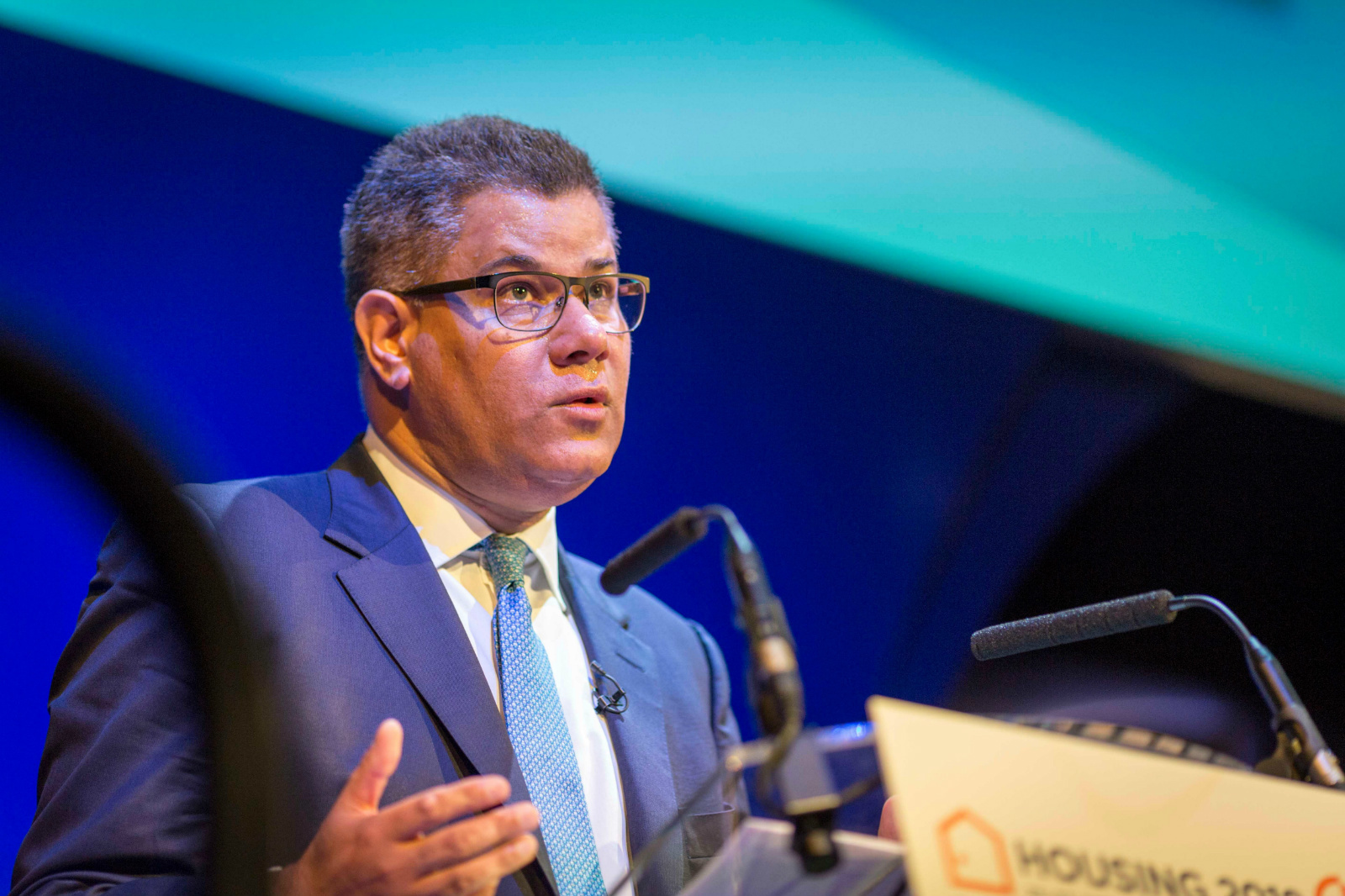
The UK government has appointed Alok Sharma as president of this year’s UN climate talks. (Image: Alamy)
Chai Qimin, director of strategic planning at the National Centre for Climate Change Strategy and International Cooperation (NCSC)
The current UK leadership is attaching much importance to the Glasgow COP26. We note that Prime Minister Boris Johnson met with the UNFCCC executive secretary right after he won the election. Alok Sharma, the newly appointed COP26 president, also attended the New York Climate Summit last year.
After the new president takes over preparation for COP26, his team will face a few major issues including the remaining negotiations over the rulebook, updating nationally determined contributions and submission of 2050 mid and long term strategies. New political momentum needs to be injected into the process. Sharma has formerly worked in the international development area and has experience with helping developing countries combat climate change, especially African countries. We hope his presidency will help mobilise climate financing from developed countries.
The UK presidency has a responsibility to push back on weak targets
Jennifer Morgan is executive director of Greenpeace International
The UK is in a critical position as president of a COP and it must use every opportunity between now and Glasgow to empower climate leaders, engage with major emitters, and support the most climate vulnerable nations. It should lead by example by aligning its domestic action with a 1.5C pathway and bring in regulation that drives a phase out of fossil fuel and deforestation investments.
The UK presidency has a responsibility to push back on weak targets and use its diplomatic powers to encourage big ambition. The UK must also keep the most vulnerable countries central, pushing for robust measures on finance, adaptation, and loss and damage, for them.
It is vital the UK works with China as host of the Convention on Biological Diversity on bold commitments for nature protection and forest restoration. Nature-based solutions need to be funded properly, and not by allowing companies or countries to offset emissions growth elsewhere.
Other events before COP26 will surely influence its outcome; notably the US elections and the EU-China Summit. Against this backdrop, UK efforts to work closely with China are the most likely way to deliver an implementable global biodiversity plan and to bring the world back to a 1.5C path.
Harjeet Singh is the global climate lead at ActionAid
COP26 is crunch time for governments to respond to the climate emergency and reign in polluting industries. Climate disasters are intensifying every month. The crisis is fuelling an unprecedented food crisis in Southern Africa, giant swarms of locusts are ravaging farmland across the east of the continent, communities in Australia have been devastated by bushfires. Climate inaction is no longer politically viable for any leader.
COP26 is an opportunity for governments to step up and show that they want to protect our futures and support those already suffering from rising global temperatures. The president needs to find a way to convert the energy, outrage and public pressure, led by young people, into bold government responses that meet the scale of the immense challenge we face in meeting the goals of the Paris Agreement.
It is a chance to be on the right side of history and for the UK to lead in delivering bold and ambitious climate action. Millions of people in the Global South, particularly women, young people and indigenous communities, are already facing the devastating impacts of climate change, their voices must be heard in the negotiations. The rich countries and polluting industries that caused the crisis, must take responsibility by setting out “real zero” emission reduction targets and providing finance to support survivors of climate disasters.
…make the financial resources available that developing countries need
Enrique Maurtua Konstantinidis is senior climate change advisor at the Environment and Natural Resources Foundation (FARN)
COP25 left many issues unresolved. There is a lack of trust and despair in some sectors. That’s why it’s important for the UK to build momentum ahead of Glasgow to improve the possibility of a decent outcome. This momentum could be created by trying to get as many new climate commitments as possible. That’s something that society is hoping for. Society demands that we have new commitments and clear signs of progress that we are on track to meet the targets of the Paris Agreement.
The difficult task for the UK is to build that level of trust and to make sure that as many countries as possible present new commitments ahead of COP26. This trust will only be built if developed countries also make the financial resources available that developing countries need. The international context is not easy: The US elections will be a week before the COP starts; the G20 will meet right after the COP finishes; and Brexit isn’t the best environment for climate discussions. But there are positive signals from the UK government and from developed countries to work together and come up with new targets. Only then can it pivot to a new green future.



![Snow and rain in April 2016 was disastrous for Gilgit-Baltistan [image courtesy Pamir Times]](https://dialogue.earth/content/uploads/2016/04/snow-picture-Credit-to-PAMIR-Times-300x169.jpg)