Battsengel, 50, lives in the south of Mongolia, in Khanbogd district, Ömnögovi province, just over the border from China’s Inner Mongolia. He has made a living herding livestock since he was 20. But sandstorms of increasing frequency are making things very tough.
“Precipitation started to fall off in 2004. By 2015, we were seeing long periods without rain and shorter intervals between droughts. Sandstorms became more frequent, meaning we lost more and more cattle,” he said.
Scientists have warned that Mongolia may already have passed a tipping point. The region is drier and warmer than at any point in 260 years and the trend towards a drier climate may be irreversible.
Parched soil means a never-ending source of material for sandstorms, and the worsening environment is already having an impact across the border in China.
Beijing, 850 kilometres from where Battsengel lives, has seen a number of sandstorms this year. They have caused air quality issues and triggered much debate on social media. It’s not just Beijing and the north – sandstorms have even reached south of the Yangtze. The issue can no longer be ignored. In May, China and Mongolia agreed to set up a joint centre to combat desertification, and other cooperation in this field is already underway.
Mongolia: a key factor in China’s frequent sandstorms
Mongolian sandstorms affecting China is not something new. In March 2021, a huge one enveloped almost the entirety of Mongolia, leaving 10 herders dead. The storm then moved on to hit parts of northern China. This year has been even worse for China.
At a regular Ministry of Ecology and Environment (MEE) press conference in May, Jiang Huohua, deputy head of the ministry’s Department of Ecological and Environmental Monitoring, said China had seen 12 instances of “dust weather” in the first four months of the year, six of those in April. The sand was coming mainly from the south of Mongolia and China’s north-west.
According to the China Meteorological Administration, the strongest of those storms occurred between 19 and 23 March. It was the third-strongest March sandstorm since 2000, affecting 4.85 million square kilometres. Less than a month later, another sandstorm struck, between 9 and 13 April. And this time it made headlines by reaching over the Yangtze.
Mongolia can account for 70% of the sand in a Beijing sandstormJiang Huohua, deputy head of the MEE’s Department of Ecological and Environmental Monitoring
Satellite monitoring data shows that both of those sandstorms originated in Mongolia. Jiang Huohua said Mongolia can account for 70% of the sand in a Beijing sandstorm, and more than 50% in north-east China and other parts of middle and eastern China. Both the south of Mongolia and China’s north-west have seen higher temperatures and drier weather than usual this year – ideal sandstorm conditions.
Of course, Mongolia isn’t the only cause of the increased number of sandstorms, points out the National Climate Centre. The Asian winter monsoon may be at the top of a 20–30-year cycle, meaning stronger winds blowing across the deserts and picking up more sand. Stronger polar vortexes have been observed in the Arctic since March, and there has been more cyclone activity in Mongolia. All these atmospheric phenomena make sandstorms more likely.
“China has seen more frequent and intense sandstorms this year, with Mongolia making more of a contribution than previously. Whether that’s a one-off unique to this year, or a new normal emerging from climate change, requires further research and observation,” Ma Jun, director of the Institute of Public and Environmental Affairs, told China Dialogue.
But there is no doubt that the worsening environment in Mongolia is having an impact.
Desertification in Mongolia may have passed a tipping point
The damage to the environment is due to both economic development and climate change. In the 1990s, Mongolia initiated market reforms to relieve poverty. That led to major expansions of mining and livestock grazing. The grasslands have been threatened by overgrazing and unregulated mining ever since.
According to the Southern Weekly, Mongolia’s own statistics show that there were 24.8 million head of livestock in the country in 2022, up from 7.11 million in 1982, and far above sustainable levels. More than half of all grassland is seeing carrying capacity breached by a factor of between two and five, according to 2018 figures from Mongolia’s Information and Research Institute of Meteorology, Hydrology and Environment. For 9% of the grassland, the load is more than five times the sustainable level.
Overgrazing is one threat to the grasslands. Export-driven mining is another, worsening, factor.
Mineral-rich Mongolia gets 90% of its export income from raw and processed minerals. Four-fifths of direct foreign investment into the country goes towards mining, and the sector accounts for 26% of overall GDP. To attract overseas investors, Mongolia passed the Land Allocation Law in 2003 which stripped rights from nomads if they refused a mining company’s offer of compensation for resettlement.
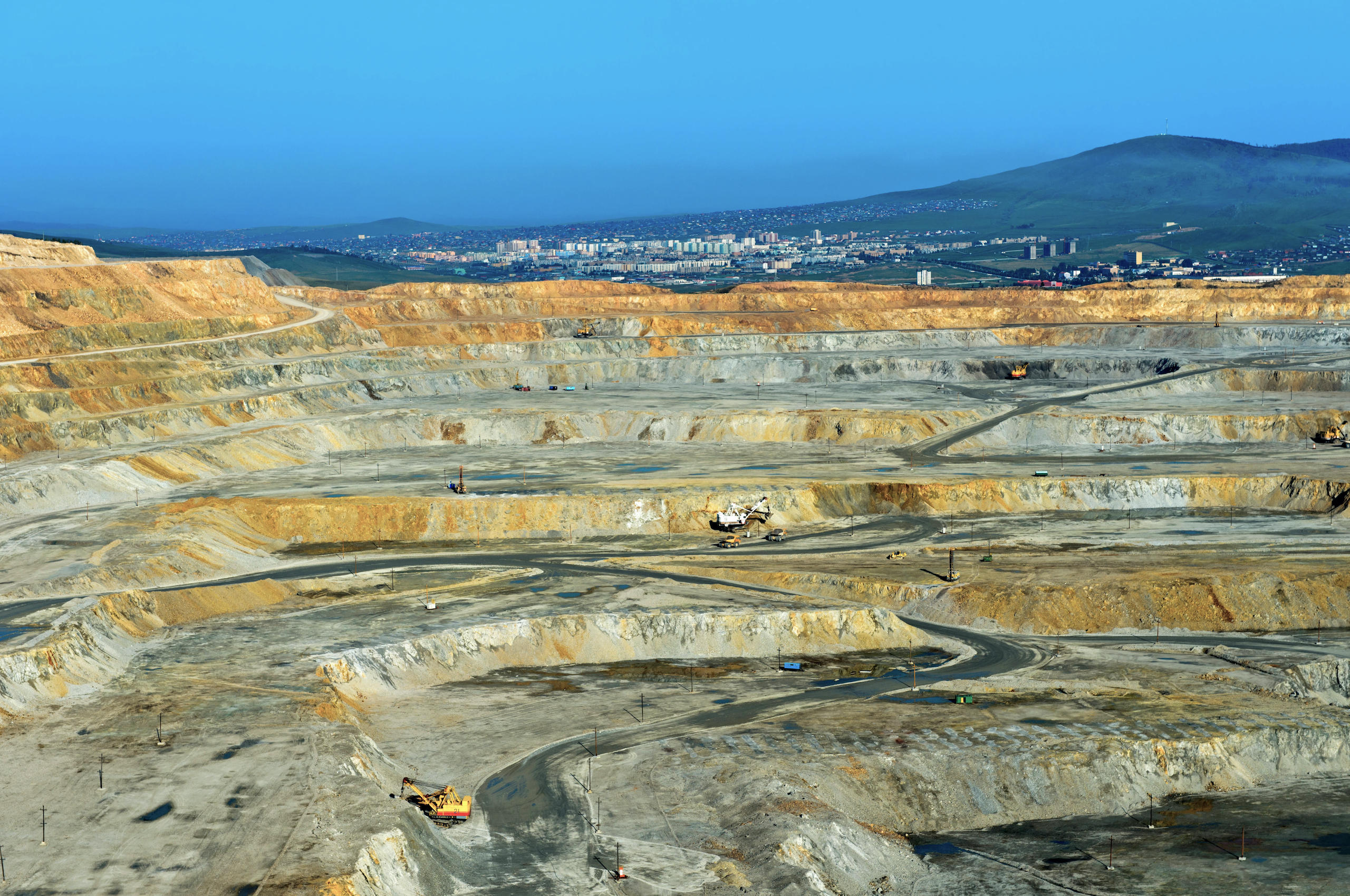
Ömnögovi, where Battsengel lives, is one of Mongolia’s major mining areas. Until 2000, there was only one mine here – a state-owned coal mine. But as overseas capital flooded in over the following two decades, more mining firms set up shop. There are now 12 major mines here, including one of the biggest gold and copper mines in the world.
Battsengel and others in his community blame mining for the increase in sandstorms, and say herder families in the area have suffered a lot.
“Use of scarce underground water by mining leads to physical damage of soil and loss of moisture in the soil, causing the natural water/humidity cycle to fail, which in turn increases instances of sandstorms, reducing the size and number of available pastures. Even if young herders begin to herd, the lack of water and pastures is forcing them to seek other sources of livelihood income,” he said.
The Mongolian government expects groundwater in Ömnögovi to be exhausted in a matter of years, according to a Third Pole report.
Herders now encourage their children to find employment in the mining sector and force them to attend cheap schools in order to get technical certificates
Battsengel went on: “While the number of livestock in our region has reduced, increased livestock numbers are still blamed for sandstorms. Herders now encourage their children to find employment in the mining sector and force them to attend cheap schools in order to get technical certificates.”
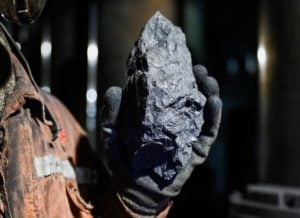
Ma Jun explained: “Mining has a huge impact on the nearby environment. Take coal mining: aquifers nearby need to be drained before mining can start, which is disastrous for groundwater. And if wastewater from mining isn’t handled properly, it can cause pollution.”
Grasslands are under pressure from livestock and mining, while a drying climate is making restoration of those grasslands ever harder.
In 2020, a paper published in the journal Science said that “inner East Asia” – Mongolia and its surroundings – had already passed a climate tipping point. The region had seen a hotter and drier climate over the previous two decades than at any time in the past 260 years, and factors exacerbating the trend had formed a positive feedback loop: loss of soil moisture was leading to surface warming and an unusual climate, with the resulting heatwaves further reducing soil moisture. The scientists warned that this might represent an irreversible trend.
Other research found average temperatures in Mongolia rose by 2.24C between 1940 and 2015, while precipitation fell 7%. And between 1987 and 2010, more than a quarter of lakes larger than 1 square kilometre on the Mongolian plateau dried up.
More cooperation needed
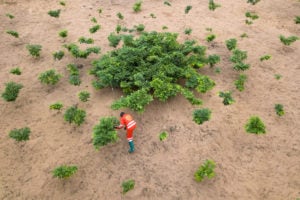
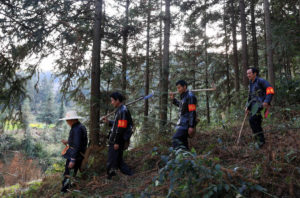
Mongolia is taking measures to combat desertification. One of these is reforestation.
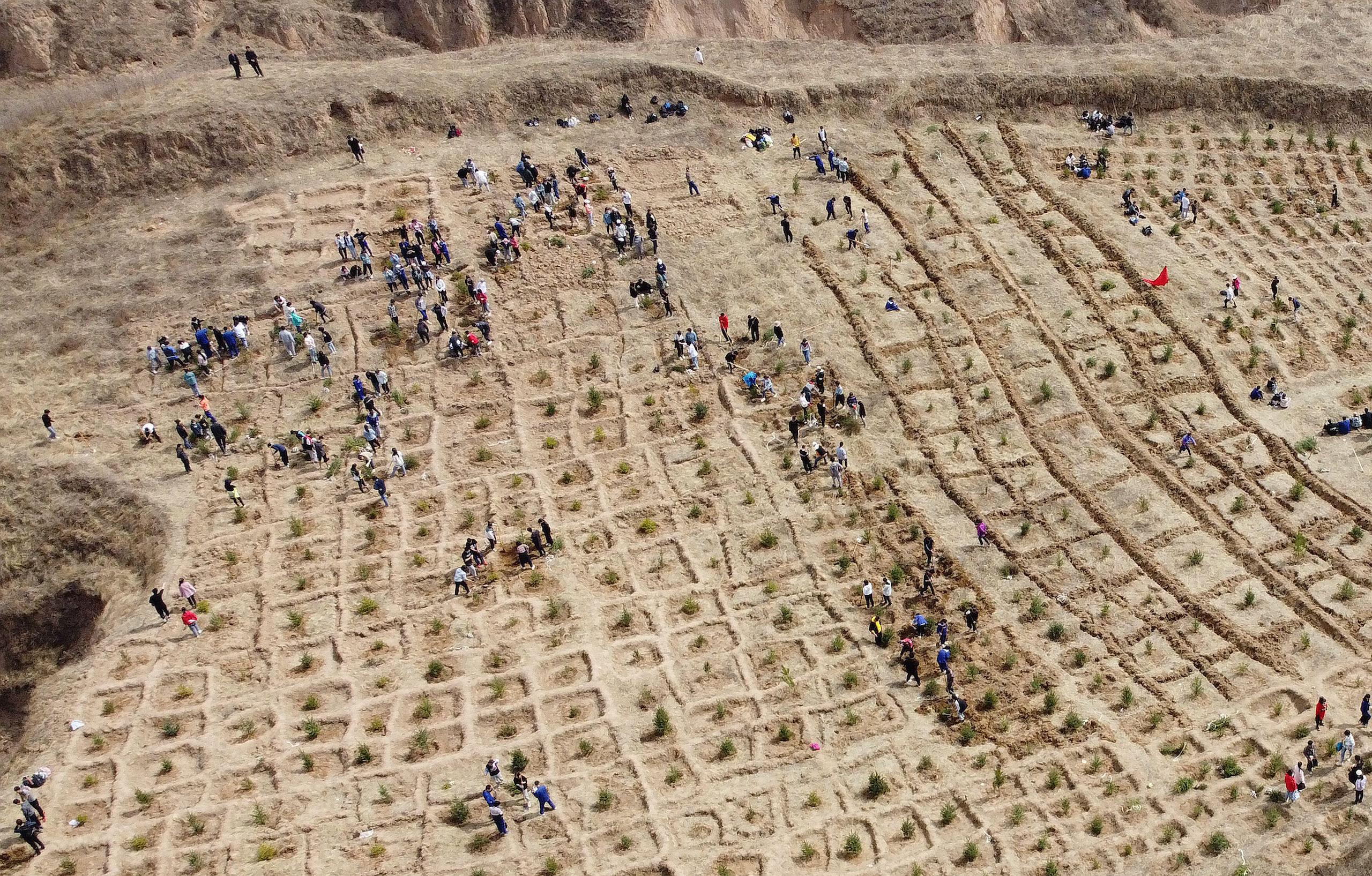
On 22 September 2021, Mongolia’s president, Khurelsukh Ukhnaa, committed at the UN General Assembly to the planting of one billion trees by 2030. A “Billion Tree Plan” was launched on 10 October that year.
With Beijing ravaged by sandstorms this year, some civil society voices have called for China to strengthen cooperation with Mongolia and help the country tackle desertification.
There was already some cooperation in this area, including training on how to prevent desertification and demonstrations of Chinese technology. Since 2017, the Chinese Academy of Sciences has been running a 27-hectare project in the south of the Mongolian province of Bulgan, demonstrating how to stabilise mobile and semi-mobile sand dunes and increase vegetation.
In November 2022, China’s president, Xi Jinping, met with Khurelsukh Ukhnaa saying he hoped to set up a joint centre to combat desertification, providing Chinese expertise and technology to balance conservation with development.
In May, after the spate of sandstorms, the National Forestry and Grassland Administration and its Mongolian counterpart reached agreement on creating that centre, with the initial planning and mission for the organisation confirmed.
“Cooperation between China and Mongolia on sandstorms is still limited and shallow. More cooperation and discussion is needed to determine whether or not Mongolia can adopt Chinese practices, or if it has its own unique needs. Climate and geography always differ across place,” said Ma.
China has more desert than any other country and is worst affected by sandstorms. Over the decades it has taken measures, including the creation of shelterbelt forest and removing livestock, to help restore grasslands and successfully reverse desertification. In the process it has accumulated considerable experience in tackling sandstorms.
“In terms of policy, China pushed through large-scale removals of livestock to control overgrazing, as well as creating permanent settlements for nomadic herders. There were challenges and issues along the way, but overall pressure on the grasslands has eased, helping the return of vegetation. Latest practices include importing water to dry areas, which prevents rivers drying up downstream due to excessive agricultural, industrial and domestic water usage. Experience has also been accumulated here,” said Ma.
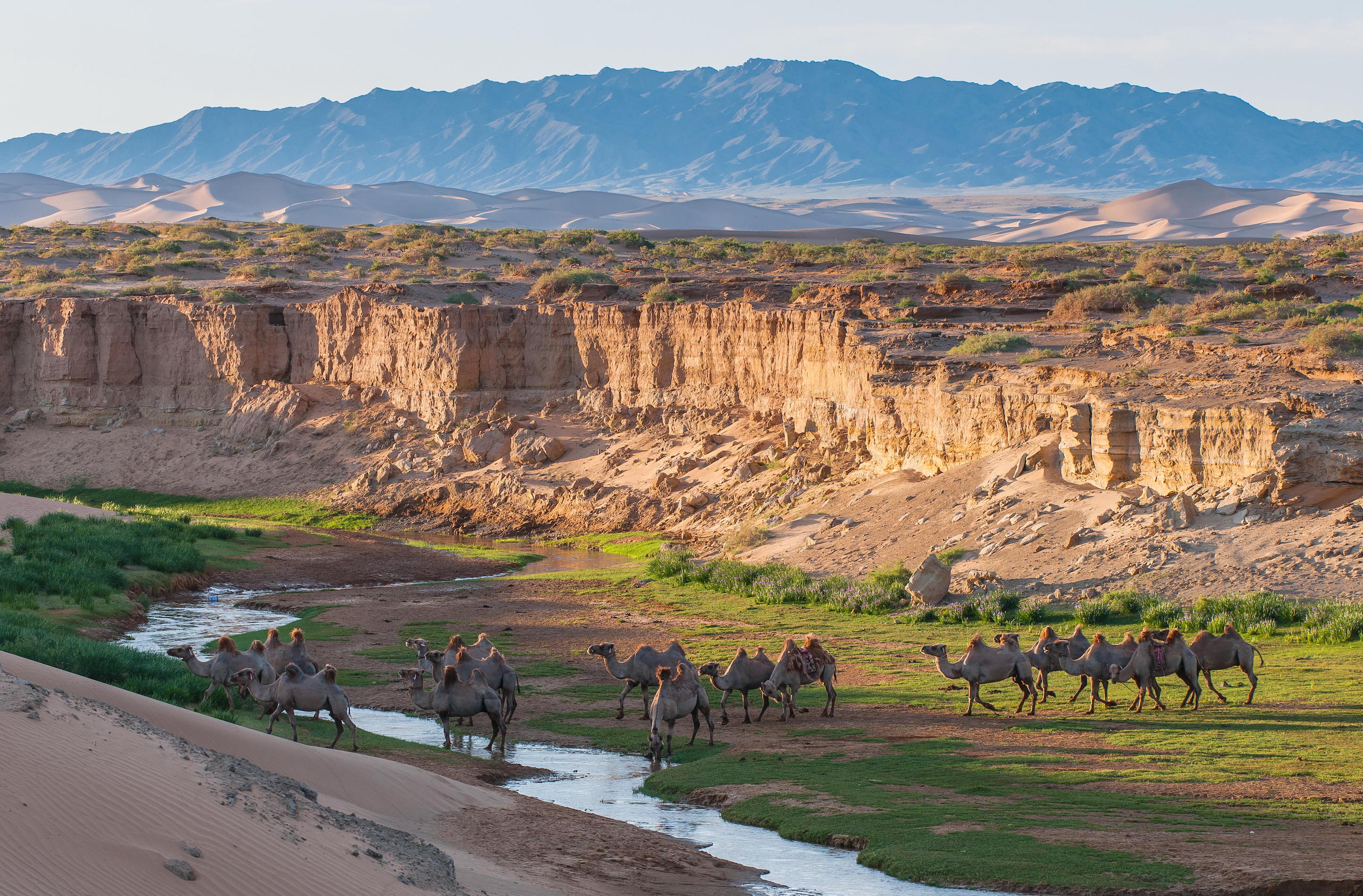
Ma says tackling sandstorms needs to consider local circumstances. Is an area best suited to becoming a forest, a grassland or a desert? Deserts are a type of ecosystem and if left undisturbed a tough surface layer can form which the wind cannot pick up.
“I recommend Mongolia takes China’s experience into account and avoids the wrong turnings we took. I’ve seen large expanses of dead trees due to excessive planting of inappropriate species,” said Ma. “That was a big lesson.”
Thanks to Sukhgerel Dugersuren of Rivers without Boundaries Coalition for assistance with the interviews.