Malaysia, Thailand and Indonesia all filed new climate action plans towards the end of last year. While the ambition of these “nationally determined contributions” under the Paris Agreement will rightly be scrutinised, they all point in the direction of a cleaner future.
Malaysia’s plan introduces its first absolute-emissions reduction goal. Thailand’s brings forward its net-zero goal from 2065 to 2050. And Indonesia’s reiterates an ambition to reach net zero in 2060 or sooner, while adopting absolute-emissions targets that imply a peak before 2035.
With the destination reaffirmed and strengthened, what matters now is turning pledges into robust outcomes. That is where the hard work begins for the power sector, one of the region’s largest sources of emissions.
From pledges to delivery
Just as important as grid upgrades, so clean power reaches where it’s needed, are market reforms to allow renewable projects to secure financing on reasonable terms.
Markets should pay properly for the flexibility provided by storage and for “demand response” measures, like consumers using electricity when demand is lower. Curtailment – when clean power is wasted because the grid can’t absorb it – needs to be made more predictable, and producers must be fairly compensated for it. Cross-border power trade also has to expand so countries can share clean resources more effectively.
Meanwhile, decarbonising heavy industry requires consistent policy, effective and scalable technologies and “patient capital” which accepts longer returns on investment. To electrify transport, a rapid build-out of charging infrastructure is also needed.
Together these moves would turn the power sector into a growth platform for the three countries, and Southeast Asia more broadly. It could deliver dependable and low-cost clean electricity that lifts productivity, anchors value-added manufacturing and attracts investment in the region.
The clean-energy transition is slipping down priorities
This work has become urgent as the climate warms yet headwinds are strengthening. Major-power rivalry is intensifying, protectionism is back in fashion, and trust in international cooperation is thinning.
Southeast Asian governments are preoccupied with immediate pressures like elevated public debt, cost-of-living concerns and domestic political tensions. Short-term firefighting can easily crowd out long-term action in support of the energy transition.
This creates fertile ground for the dangerous mindset of “climate delayism”. Unlike outright climate change denialism, delayism rarely contests the end goal. Instead it deflects attention away from solutions. It invokes legitimate concerns like energy security and economic stability to try and justify caution over action, quietly eroding political commitment.
Make no mistake, falling costs for solar, batteries and electric cars are aligning economics with environmental goals, so clean capacity will continue to expand across Southeast Asia. But progress will stall unless the region can secure a strong and sustained commitment to pursue deeper reforms that rebuild energy systems around clean technologies. As mentioned, these include upgraded grids, credible market rules, a phase down of fossil-fuel subsidies, regional connectivity and end-use electrification.
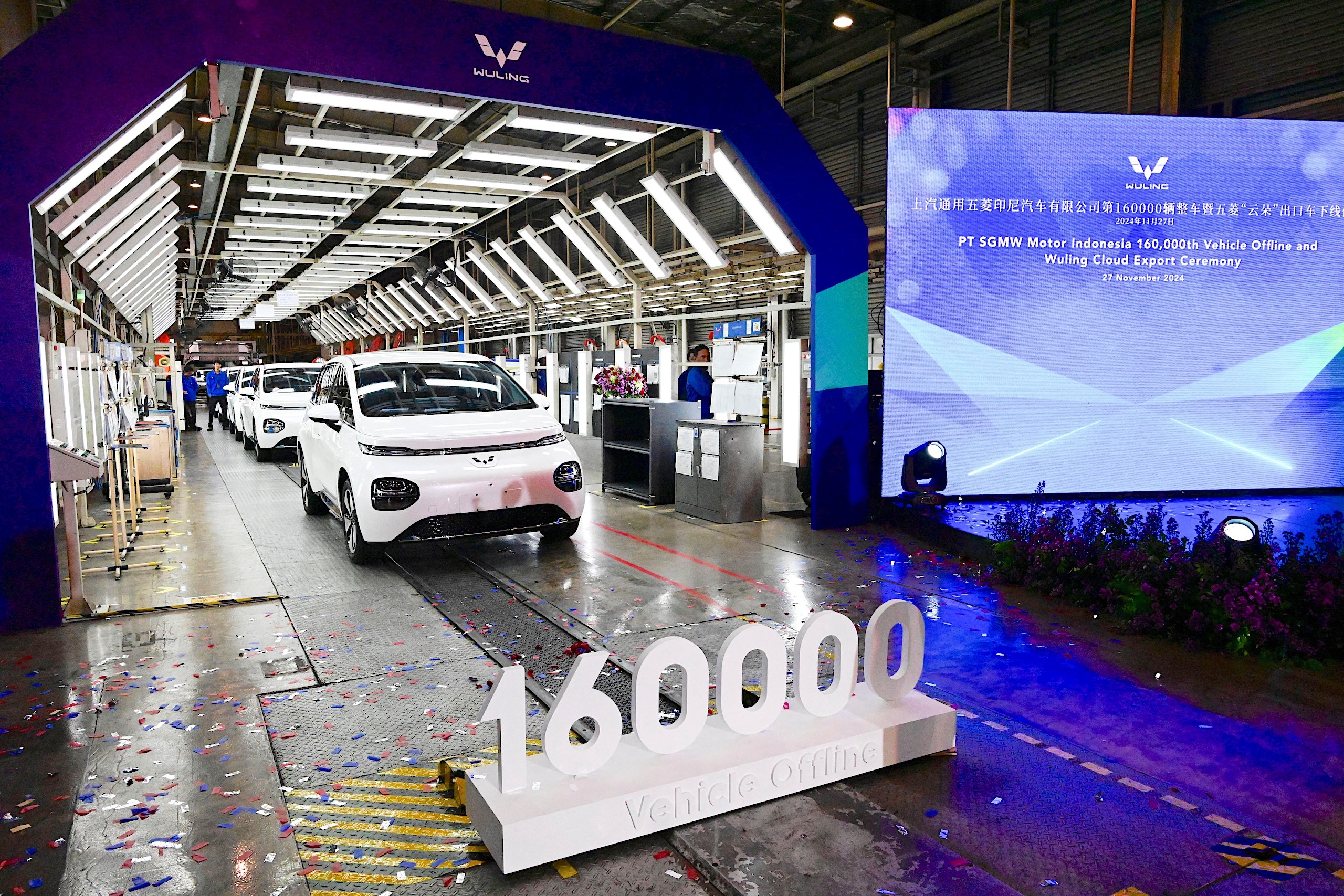
Without that commitment, painful but necessary reforms are very likely to be deferred – or worse, abandoned. The region risks a fate of mere addition, not transition, where renewables remain a supplement to an essentially unchanged, and in some places still expanding, fossil system.
China’s power-system pivot is instructive
Southeast Asia isn’t alone in facing this dilemma. Its fossil-reliant neighbour China must rework the world’s largest power system to absorb huge volumes of renewables while keeping the lights on, amid major economic restructuring and rising geopolitical tension.
Yet the shift is forging ahead. Wind and solar supplied 18% of China’s electricity in 2024, double their share from just five years ago. Underpinning this is rapid system build-out: large-scale energy storage and accelerated grid expansion that move clean power reliably across a continent-sized country; deeper market reforms that enable capacity sharing between provinces; and fast-rising electrification across road transport, factory floors and household heating.
The pace is also accelerating. In 2024, clean electricity, led by wind and solar, met over four-fifths of new power demand, up from roughly half in the 2010s and about one-fifth in the 2000s. From January to November 2025, clean electricity met all new demand, pushing thermal generation down by 0.7% compared to the same period in 2024. Last year marked the first absolute decline in thermal generation in a decade. And beyond power, electrification is beginning to bend the fossil curve across the wider economy.
Taken together, these shifts put a fossil-fuel-power peak in sight. What should follow – after, ideally, only a short plateau – is a structural decline. In other words, China is now moving beyond mere addition towards a genuine transition, with top leadership promising a 7-10% cut from peak emissions by 2035.
Competitiveness and pragmatism explain China’s commitment
What explains China’s ability to maintain such a strong and sustained commitment to the transition? Economic benefits like investment and jobs help explain the pace, but they don’t tell the whole story. Beneath them lies a shift in development strategy, easing the pressures of the fossil age while opening new fronts for durable growth.
The old, fossil-fuelled model powered China’s economic rise but left growing oil and gas import dependence, excessive energy use and mounting ecological costs. As that model hits its limits – and as global markets grow more sensitive to emissions – the energy transition is increasingly seen in China as a competitiveness lever, not a constraint. It strengthens energy security, lowers power costs over time, drives industrial upgrading, and helps build a more resilient foundation for long-term prosperity.
That competitiveness logic doesn’t remove the bumps, however. Building a clean system is like teaching a child to walk, with stumbles inevitable. The key is to proceed in an orderly but not slow manner. China’s pragmatic, phased approach is often described as “build before breaking”. It prioritises scaling the new system while repositioning legacy coal as backup and balancing – the training wheels that preserve stability as the clean system gains strength.
Strategy plus pragmatism has created a self-reinforcing, grow-by-greening dynamic. Rapid growth in renewables, electric cars and batteries spurs jobs, investment and know-how. Those gains, in turn, hinge on – and fuel – further innovation in smarter grids, long-duration energy storage, and “power-to-X” technologies, which turn electricity into something else useful, like hydrogen.
These innovations are essential to building a clean system capable of using renewables at scale and embedding clean energy across the broader economy. Their development also opens up new avenues for high-value industrial growth.
The process is akin to steering a supertanker – the turn is slow, but once a new course is set, the momentum becomes self-sustaining – and the rationale for reversing becomes increasingly absent.
The choice for Southeast Asia
The China ‘supertanker’ has now turned, and Southeast Asia is at a critical juncture in an increasingly “climate sensitive” world. Nations are more exposed to climate impacts and more attentive to how climate action, or inaction, shapes economic credibility and reputation.
None of this denies the frictions – from coal phasedown politics to renewable integration headaches – that Southeast Asian countries will confront in their own contexts. But those are hurdles to clear, not alibis for inaction, simply because the fossil-based development model is increasingly unfit for the 21st century. It locks economies into fuel-price volatility and import dependence, driving inflation spikes, subsidy blowouts and rising public debt.
At the same time, intensifying climate risks – extreme heat, wildfires, floods, droughts – raise adaptation and recovery bills, push up insurance costs and erode productivity, further straining already-tight budgets.
The choice facing Southeast Asian countries is clear: keep layering renewables onto a fossil-heavy system until the costs – volatility, subsidy burdens and climate losses – become unmanageable. Or pivot with more resolve, using today’s momentum and affordable tech, to build a cleaner, more competitive future on the region’s own terms.
The work is demanding, but delay will prove far more costly for Southeast Asia’s economy.