The Gilgit-Baltistan (GB) region, in northern Pakistan, boasts sprawling glaciers and some of the world’s highest peaks, including the second highest, K2. It has emerged as a destination for adventure enthusiasts and nature lovers alike.
The region’s winter sports festivals, such as the Sevendays Winter Feast and the Karakoram Winterlude, celebrate both tradition and athletics, the former showcasing Gilgit-Baltistan’s rich cultural heritage. Traditional games are played that ensure the deep-rooted connection between sports and culture in the region continues.
However, such festivals are being threatened by the spectre of climate change, which has cast a shadow of uncertainty and begun to disrupt these winter traditions.
Warmer winters, interrupted festivities
The warmer winter temperatures experienced this year have wreaked havoc on the region’s festival calendar, disrupting schedules and necessitating last-minute changes in event venues.
“It has been a strange winter,” says Amjad Wali, president of the GB Winter Sports Association. “We normally receive snowfall in November and December, but we have barely had any this season.”
Organised by the regional government’s Tourism Sports and Cultural Department, together with local communities and organisations including our team at WWF Pakistan, the Sevendays Winter Feast has since its inauguration in 2017 grown into a cultural mainstay showcasing winter sports like ice hockey and ice skating. The festival also serves as a platform featuring traditional games such as Basra, Pindok and Baalbut.
These festivals now find themselves at the mercy of a changing climate. Delayed snowfall, once a rarity, has become increasingly common in Gilgit-Baltistan, posing significant challenges for both organisers and participants alike. The Sevendays festival, typically scheduled for 2-10 January, had to be postponed to 22-24 January this year; higher temperatures led to the failure of frozen lakes, which serve as ice rinks, to form. Originally to be held in Skardu, the region’s largest city, the event was relocated three times to various lake villages in Gilgit-Baltistan.
It’s rewriting our cultural calendarAmjad Wali, GB Winter Sports Association president
These changes add a new dimension to the winter festivities, highlighting the delicate balance between tradition, event planning and environmental realities. “The change in climate is not just altering the physical landscape, it’s rewriting our cultural calendar,” notes Wali.
Over the past three years, the region and wider Pakistan-administered Kashmir has been receiving lower than average snowfall. “Pakistan has so far received 92% and 80% less rains in December and January compared to this period last year,” Sardar Sarfraz, a chief meteorologist at the Pakistan Meteorological Department, told Andalou Agency.
An uncertain economic lifeline
Beyond their cultural importance, these events were also envisaged as a means of breathing life into the local economy. Businesses had begun to rely on the annual influx of tourists to boost trade, but as the arrival and duration of snowfall becomes more unpredictable, this economic lifeline is becoming increasingly fragile. The impact is particularly acute for vendors, hoteliers and artisans, who rely heavily on the festivals’ foot traffic to sustain them through the winter months.
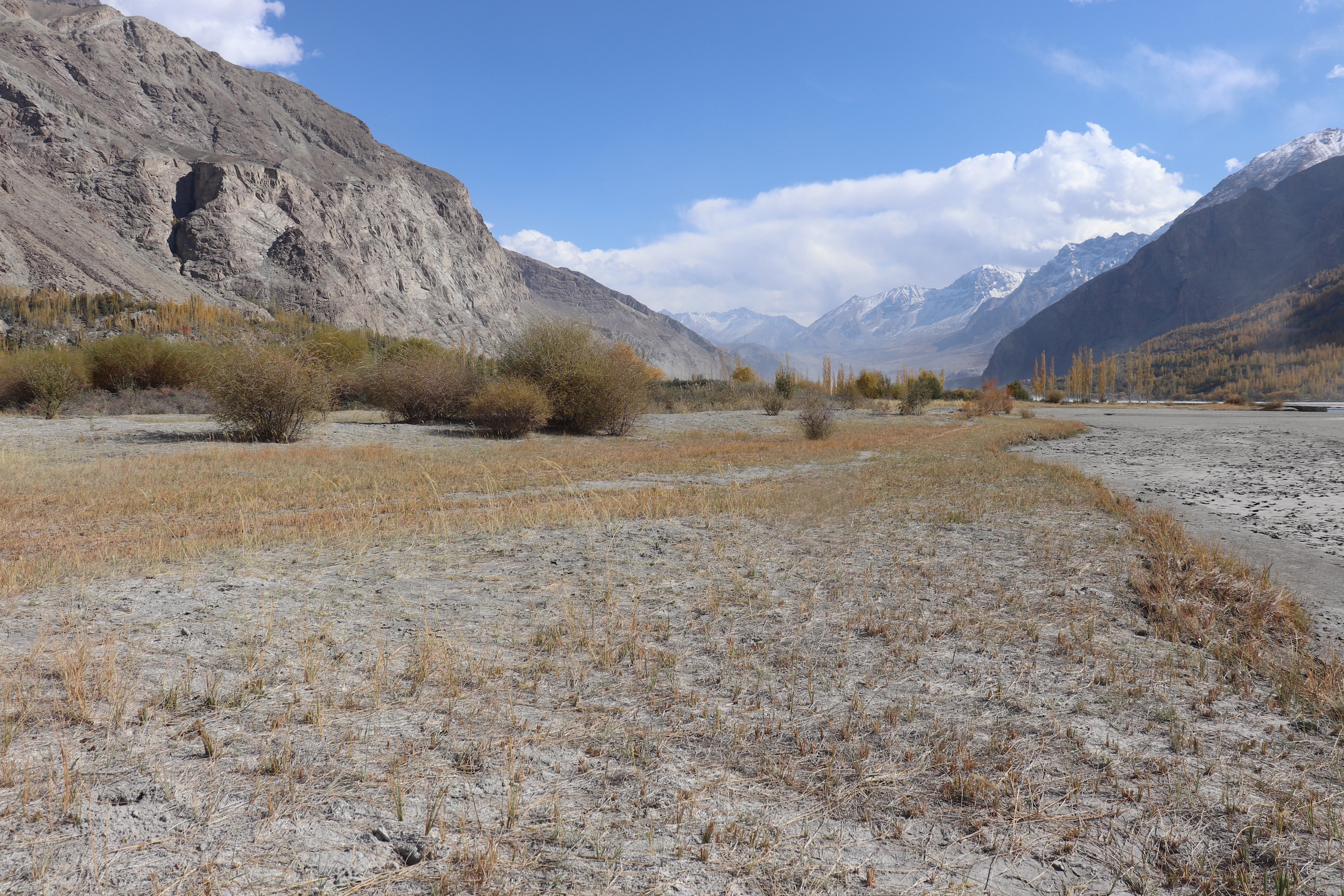
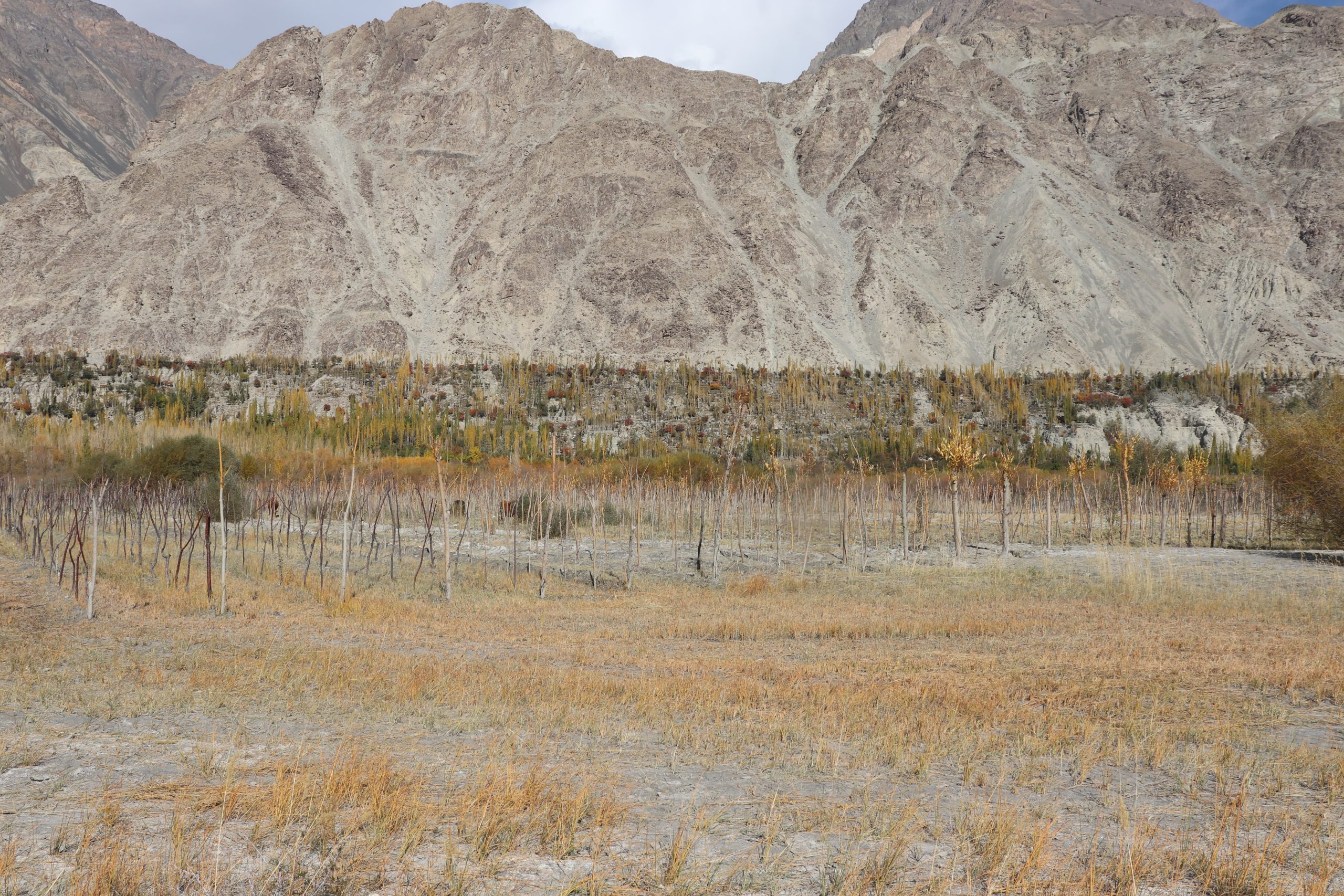
Aslam Shah, president of the sports and social welfare club Gulmit Young Stars, says the economic impact of the venue changes have been severe due to wasted resources and truncated trading times. “We had worked tirelessly, day and night, for fifteen days to prepare an ice rink, but unfortunately, it could not happen because the weather conditions did not allow it,” he says. “Last year, the events lasted for 10 days and benefited many associated businesses, but this year they have been reduced to only three days.”
Similarly, local merchants like Haji Bibi, who had invested time and resources crafting special artisanal products to sell at the festivals, have found themselves disappointed and grappling with financial uncertainty. “In previous years, I used to earn a handsome amount of money from my stall at these festivals. This year, all my efforts will go unrewarded,” she says. Many residents and business owners have expressed similar frustration and disillusionment.
“The hoteliers and numerous other women like me had hoped to earn an extra income in a time when inflation is so high, but we had terrible luck this year,” adds Bibi.
‘Denial is death, climate change is real’
The delayed arrival of snowfall also threatens agriculture and the wider ecosystem in the region, home to three of the world’s seven largest glaciers, where overall glacial land cover exceeds 30%. “Any snowfall received later in the season does not properly freeze on the mountains,” explains our colleague, WWF Pakistan’s regional head of Gilgit-Baltistan, Haider Raza. “As soon as the sun comes out, and along with it the change in weather, this snow melts very quickly and easily.”
This increases the risk of floods, glacial lake outbursts and landslides. The consequences are far-reaching, causing destruction on cultivable lands, essential infrastructure, wildlife, livestock and homes, Raza notes. He adds that it poses “a threat to agricultural lands, critical infrastructure and the well-being of local communities and the millions of people who live downstream.”
Meanwhile, the lack of snowfall, compounded by the impending arrival of spring and summer, jeopardises crop protection and soil stability, he says. Snow is an insulating cover for soil, and in its absence, the soil experiences deep frost penetration.
Raza stresses the urgency of addressing these challenges, and says there is a need for proactive measures to mitigate the impacts of climate change and build resilience within local communities.
At the Sevendays Winter Feast, Gilgit-Baltistan’s secretary of tourism, sports and culture Asifullah Khan acknowledged the role climate change had played in this year’s festivities, while expressing optimism about the community’s resilience. “The truncated event has been a success given the circumstances,” Khan said. “However, we cannot ignore the impact of climate change, which has forced us to downscale the event in the first place.”
Such was the climatic impact that a climate change seminar was held on the final day of the event, with a theme centred around exploring conservation challenges. The Karakoram Winterlude festival mirrored this urgency with their theme this year: “Denial is death, climate change is real”.
But while the challenges posed by climate change are formidable, they also present an opportunity for Gilgit-Baltistan to chart a path toward a more sustainable and resilient future.
“We saw an opportunity to use this festival as a platform to educate people regarding the devastating consequences of climate change,” says Wali. “It’s essential local residents [discover] how we can adapt to the impacts of climate change and that we also spread our concerns to the outside world.”