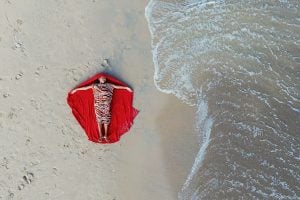
In our first full year as Dialogue Earth, our photographers ventured far and wide across the Global South, reporting on many of the world’s most pressing environmental challenges.
In Cambodia, they revealed the impact of hunting for bushmeat on wild bird populations. In the highlands of Guatemala, they heard from Indigenous women empowering their communities through solar energy. In Zambia, they met farmers struggling to survive the impacts of a devastating copper mine tailings facility collapse. And in Ghana, they witnessed scientists collecting data to help their country’s forests cope in a warming world.
Their images not only capture the landscapes and people that bring our articles to life, but also help tell stories in ways often more powerful than words alone.
As 2025 draws to a close, our editors have picked their favourite shots and photo stories from the past 12 months.
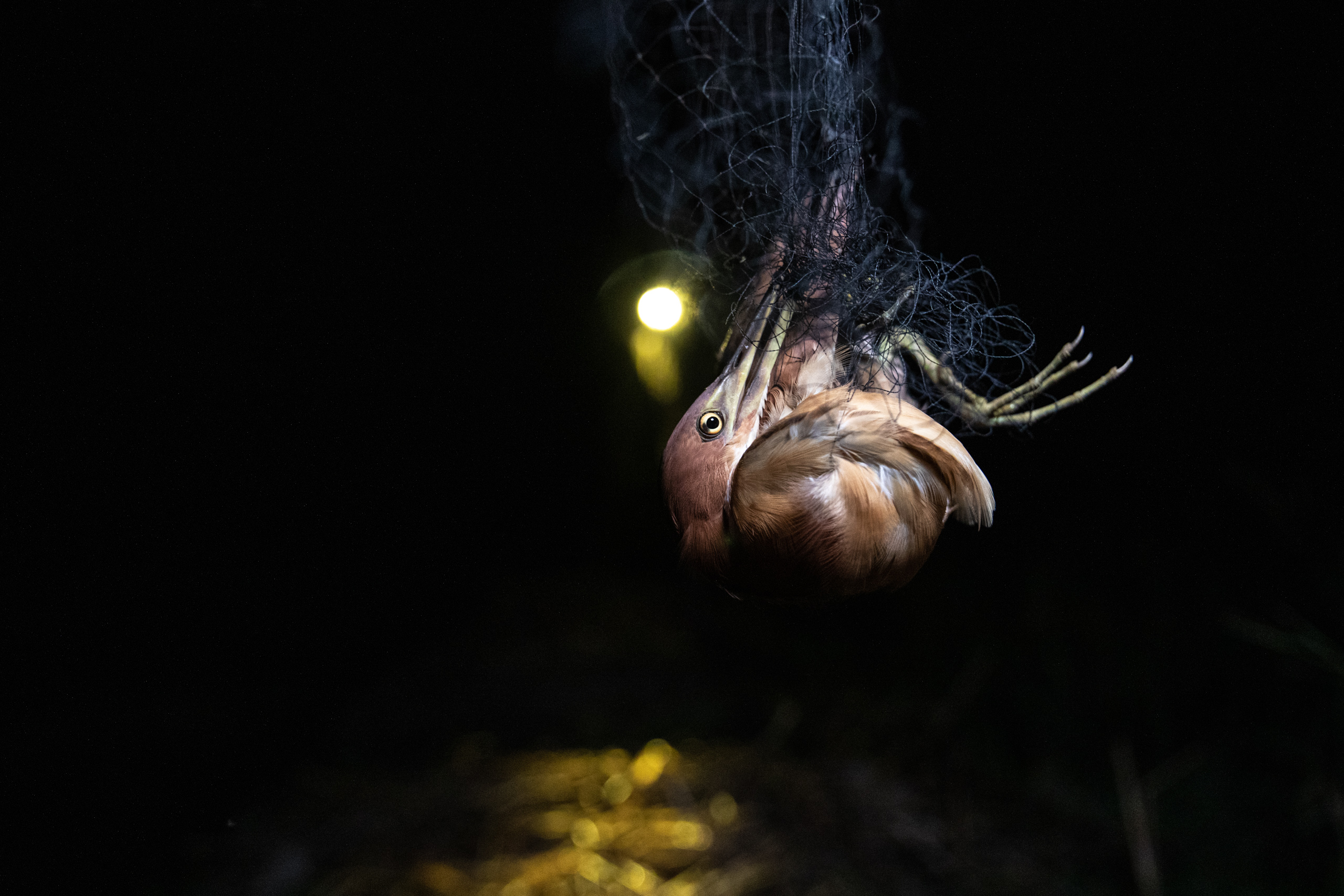
Photographer: Yann Bigant
A cinnamon bittern caught in a mist net set by farmers in Cambodia’s Kampong Chhnang province. Hunting is rampant across mainland Southeast Asia and has been
identified as the “single greatest” threat to bird species in Cambodia. Wild birds are commonly sold in markets and at roadside stalls as bushmeat, which consumers perceive as healthier, tastier and more energising than farmed alternatives (Image: Yann Bigant)
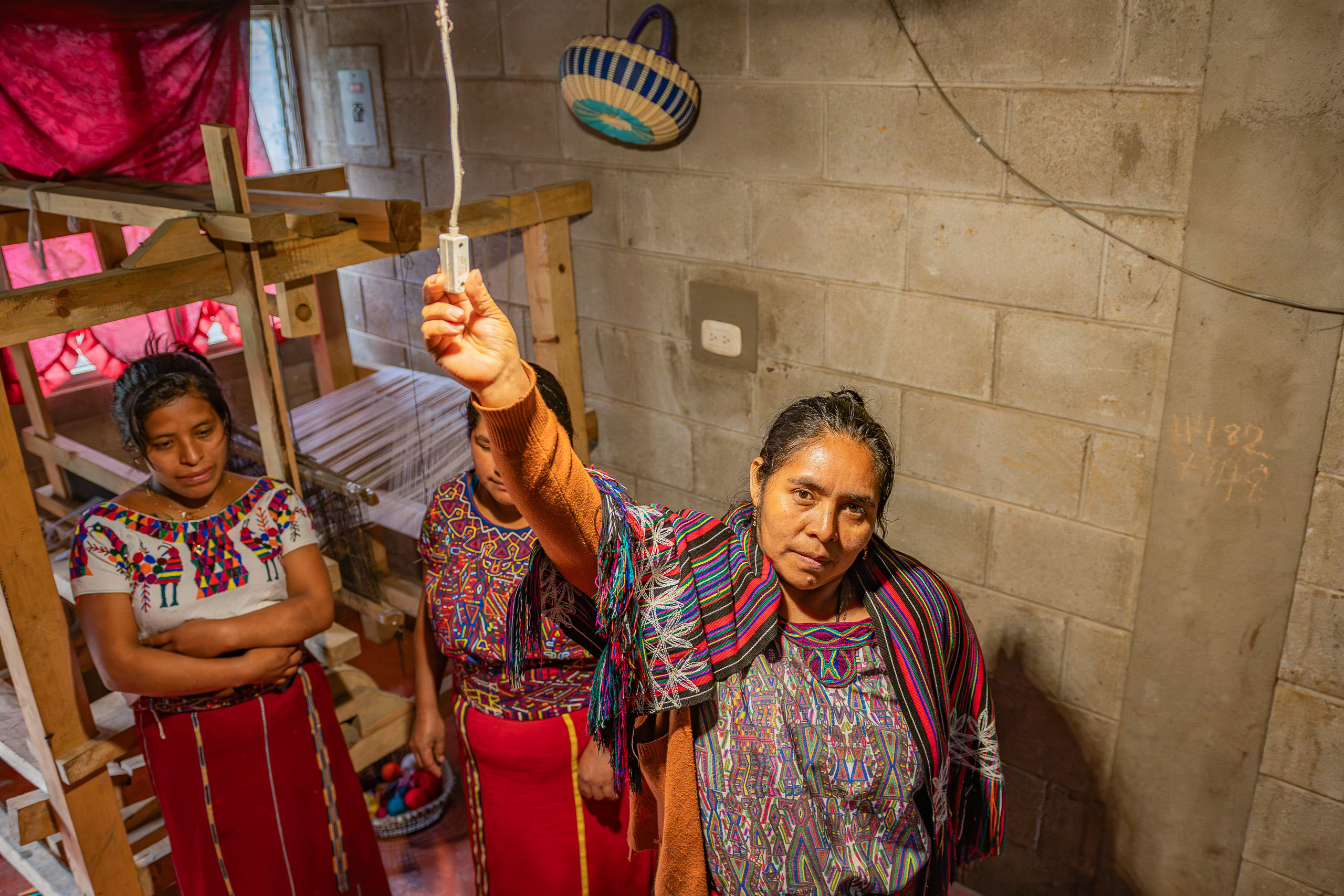
Photographer: Edwin Solares
Catarina Santiago switches on a light powered by solar energy in her home in P’al, a north-western Guatemalan village. Ten years ago, the 45-year-old Indigenous Ixil woman travelled to Rajasthan, India, where she spent six months training to be a solar energy technician at Barefoot College International. On her return, she took charge of installing solar systems in her neighbours’ homes (Image: Edwin Solares / Dialogue Earth)
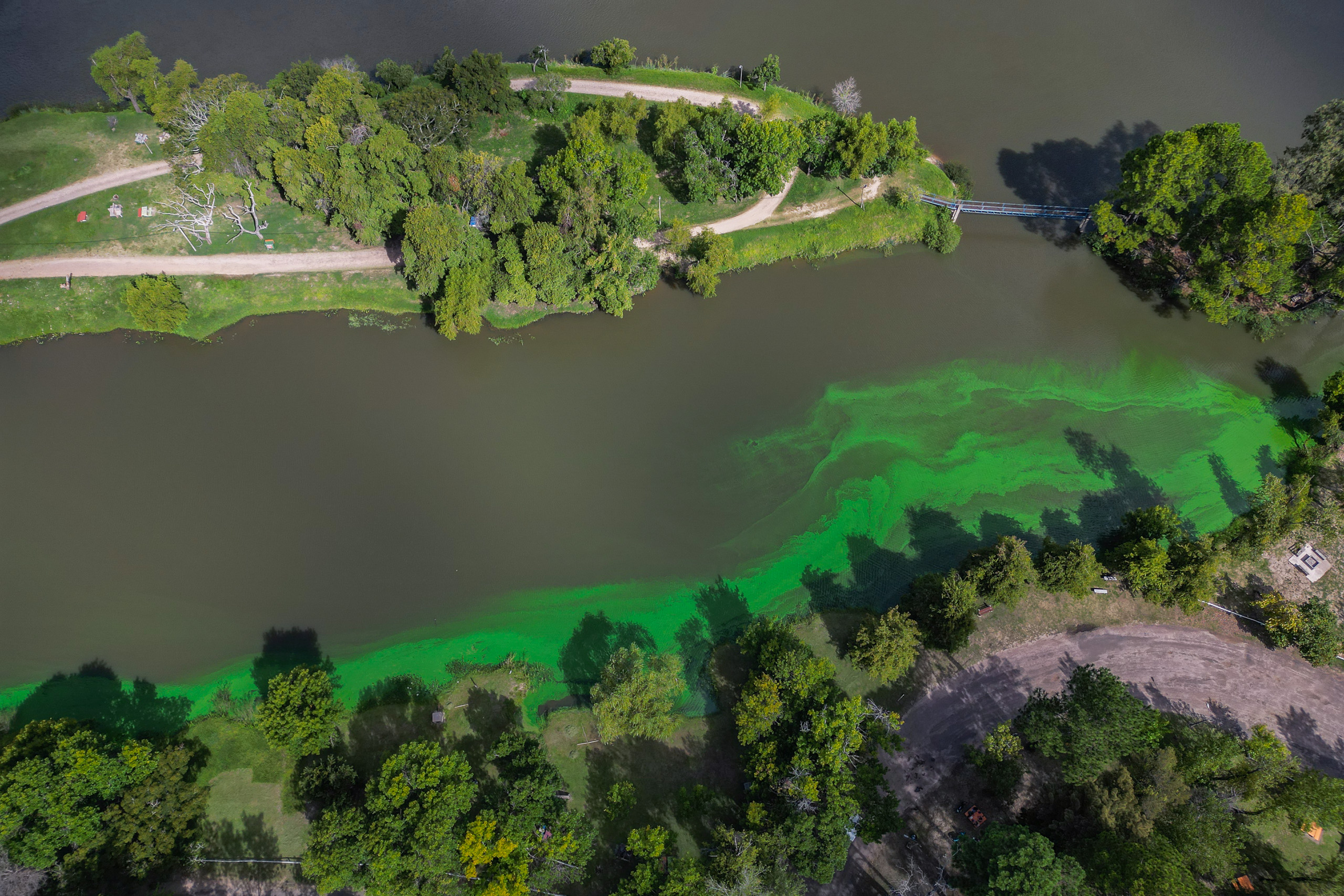
Photographer: Eitan Abramovich
Dense green blooms of cyanobacteria in Río Negro, triggered by polluted water from a pulp mill near the central Uruguayan city of Paso de los Toros. The mill is operated by UPM, one of two companies dominating the country’s pulp and paper industry. In 2024, wood pulp became Uruguay’s leading export for the
first time. The government plans to increase the number of forestry plantations, which already cover about 6% of the nation (Image: Eitan Abramovich / Dialogue Earth)
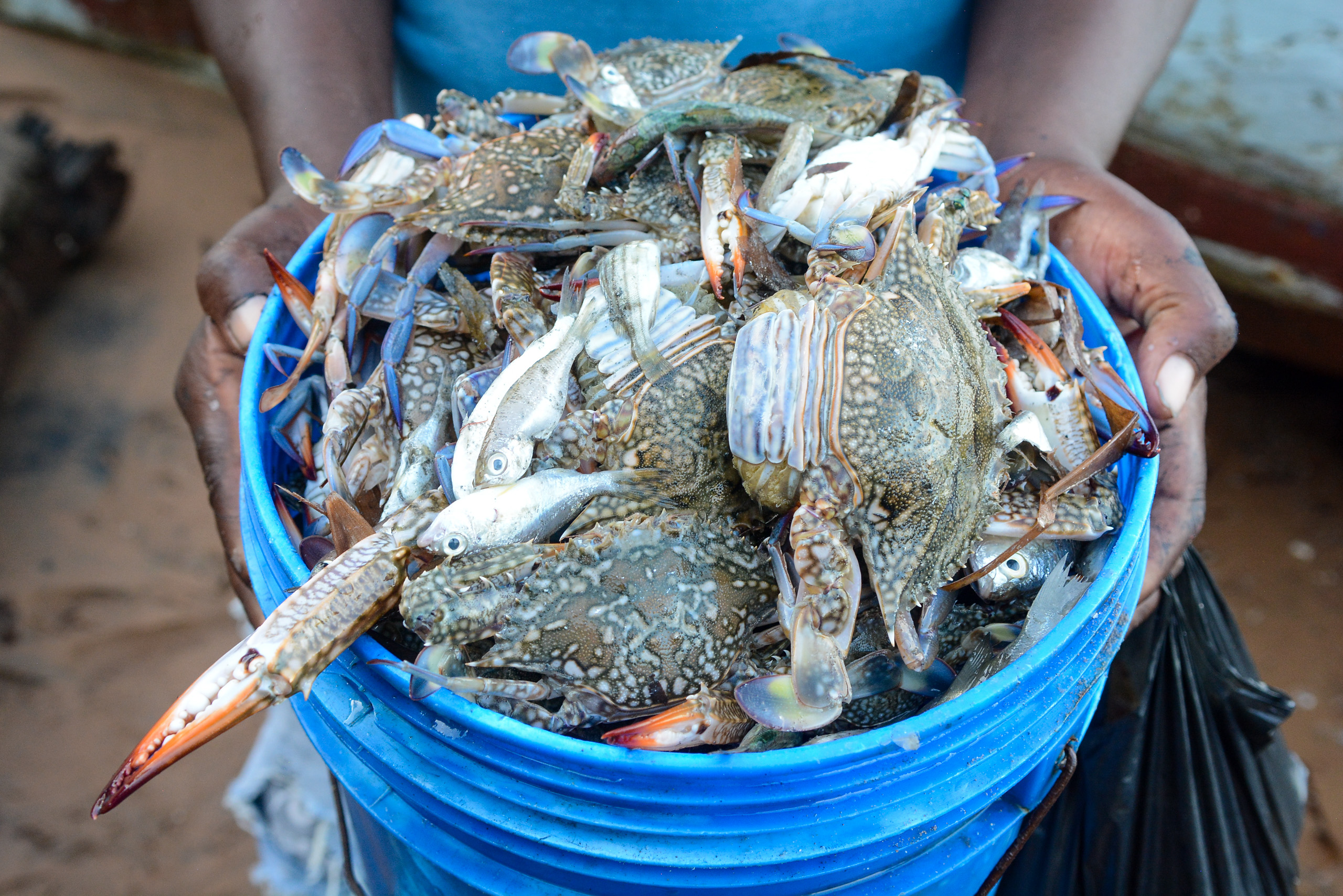
Photographer: Carlos Uqueio
Fish and crabs caught overnight by fishers in the mangrove-lined waters of Mozambique’s Inhambane Bay. To its south, in Jangamo Bay, NGO
Love The Oceans is working with local communities to promote sustainable fishing practices. These avoid the use of gillnets, which result in high levels of bycatch, including of sharks, dolphins and juvenile whales (Image: Carlos Uqueio / Dialogue Earth)
Photographer: Raphael Tavares
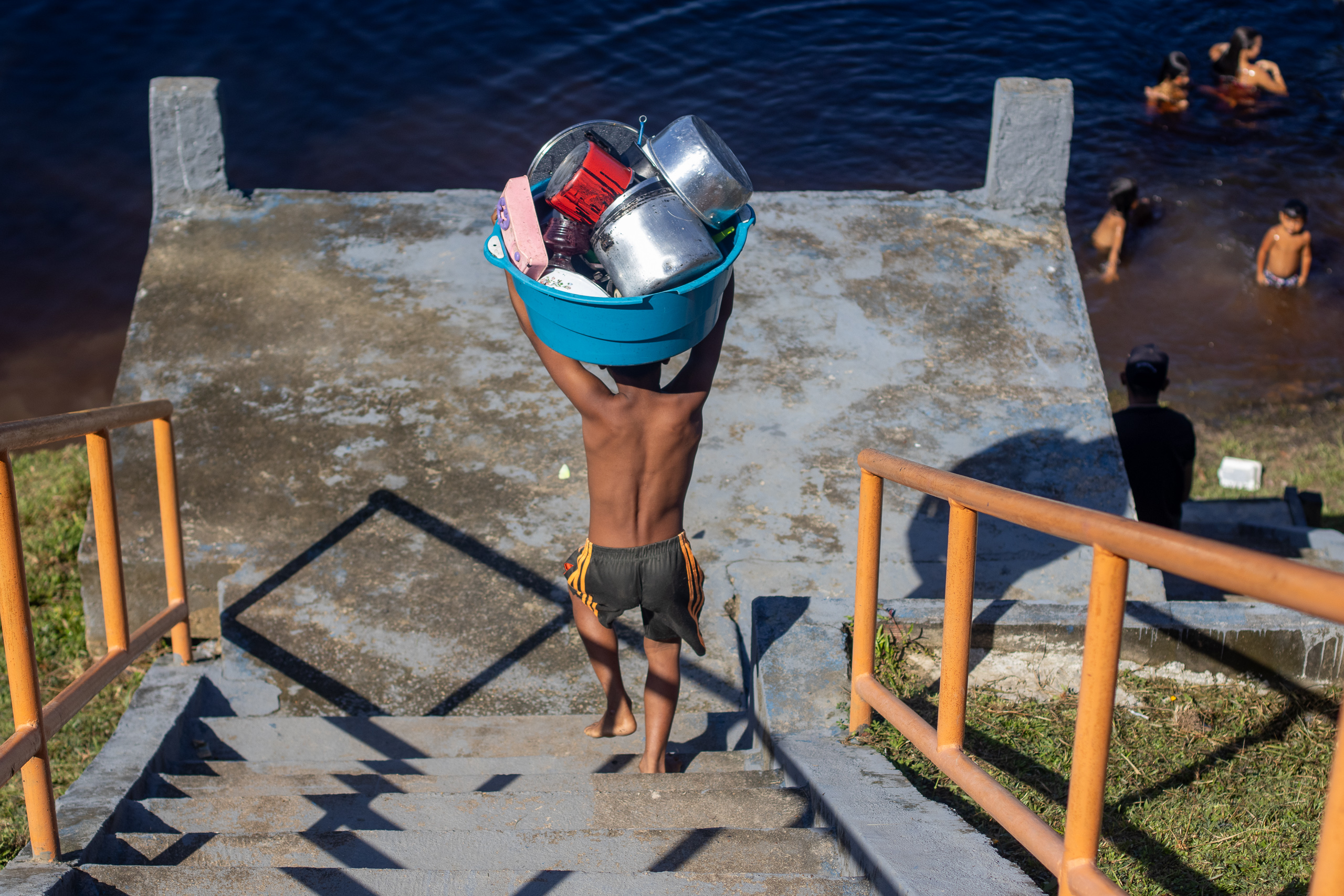
In the north-western Brazilian state of Amazonas, the Indigenous Kokama residents of São José do Uruburetama village depend on the Mamiá River for transport. Drought is increasingly reducing long stretches of the river to mud, making it harder for villagers to get around. This has forced several families to relocate to the city centre of Coari, 100 km away (Image: Raphael Tavares / Dialogue Earth)
Photographer: Kwabena Ackah Blay
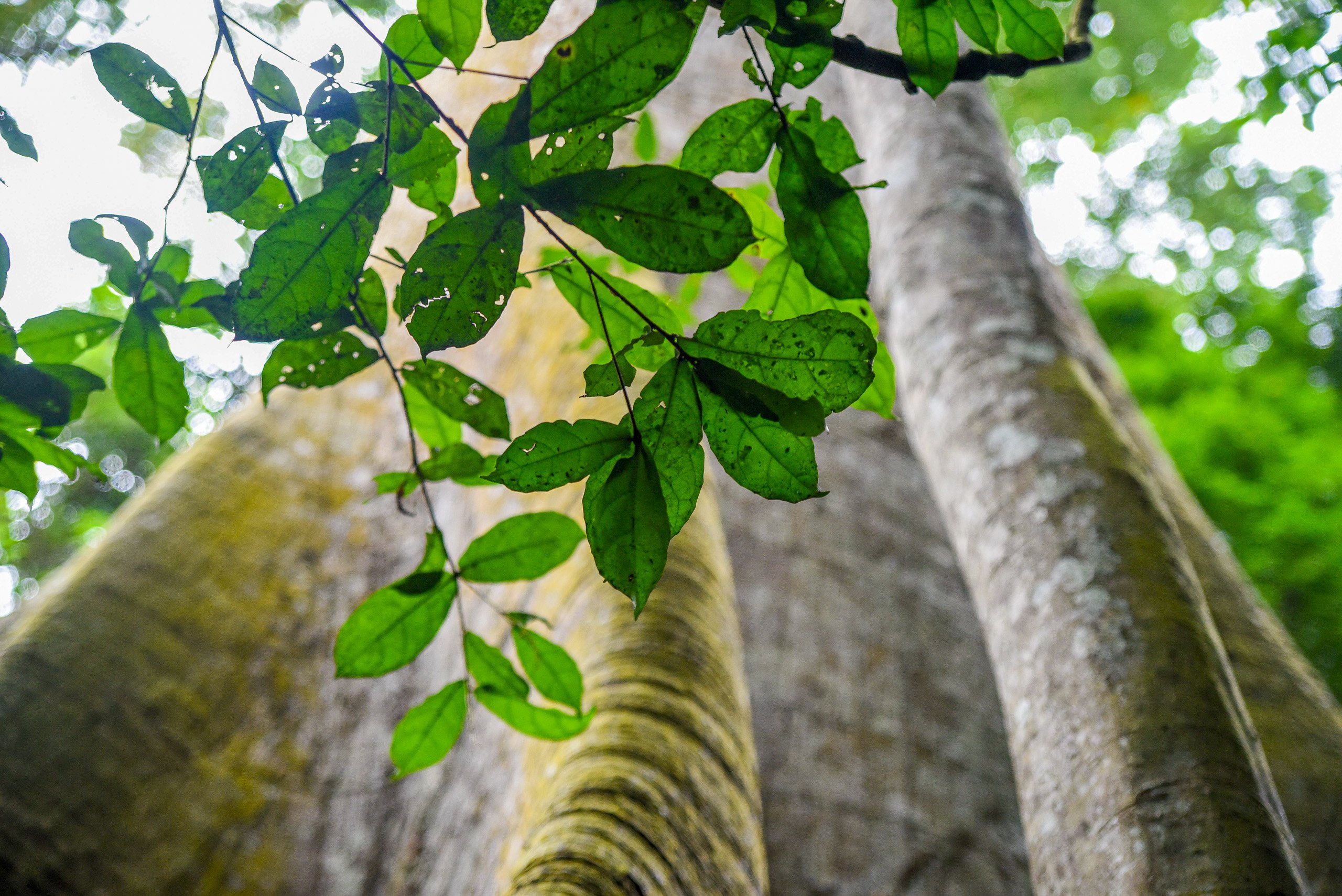
Looking up through the leaves of an ofram tree in southern Ghana’s Bobiri forest reserve. A team of scientists are studying how trees in the reserve react to extreme heat. They hope the work will help inform which species Ghana chooses for its
reforestation drive, making the West African country more resilient to climate change (Image: Kwabena Ackah Blay / Dialogue Earth)
Photographer: Nerabung Kulung
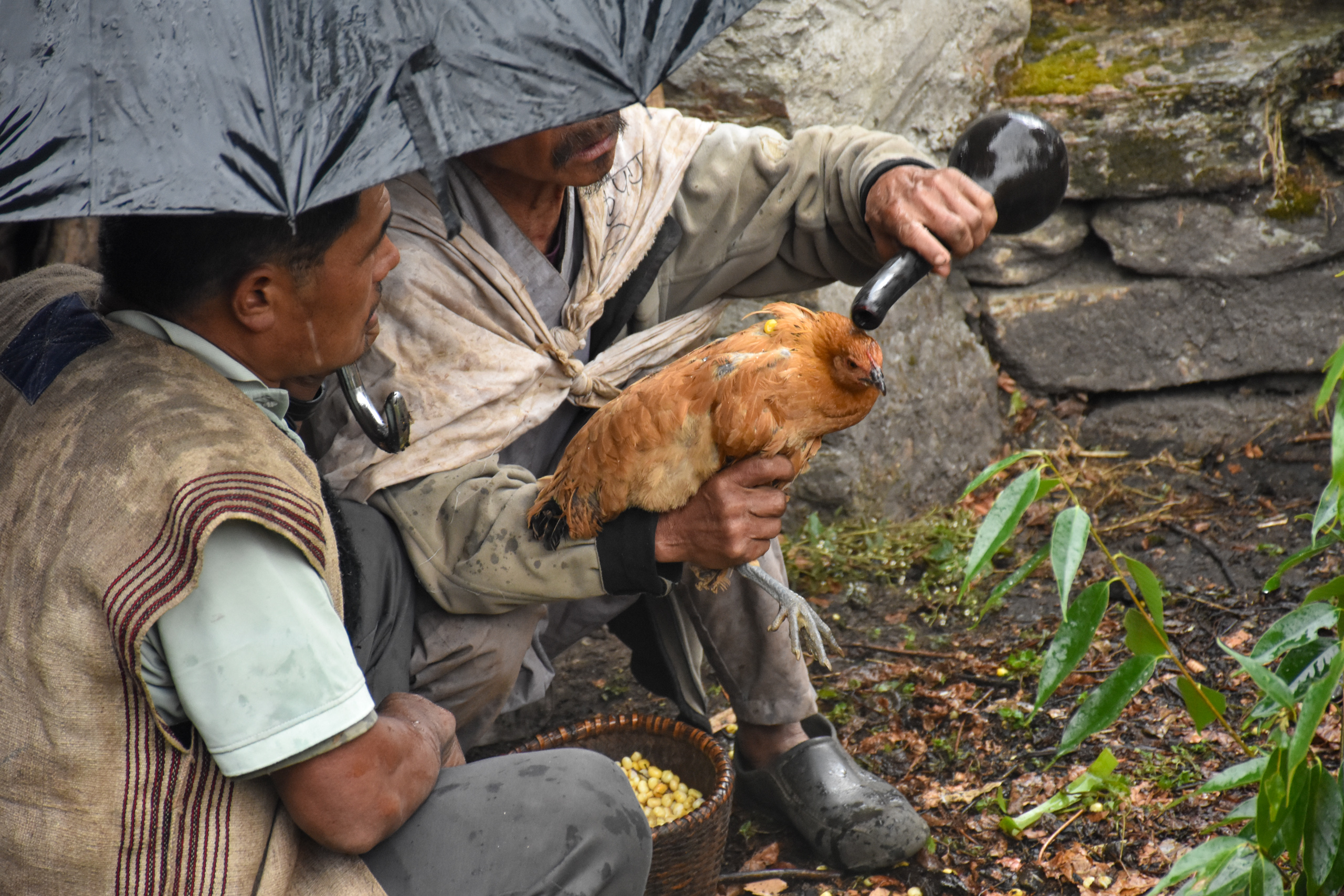
A nokchho (shaman) pours homemade alcohol over the head of a hen to be sacrificed as part of a tos ceremony in Chachalung, a village inhabited by the Kulung Indigenous people in the Himalayan foothills of eastern Nepal. Tos is a traditional ritual conducted three times a year in villages across ancestral Kulung territory to worship the land, during which locals pray for a good harvest (Image: Nerabung Kulung / Dialogue Earth)
Photographer: Barry Christianson
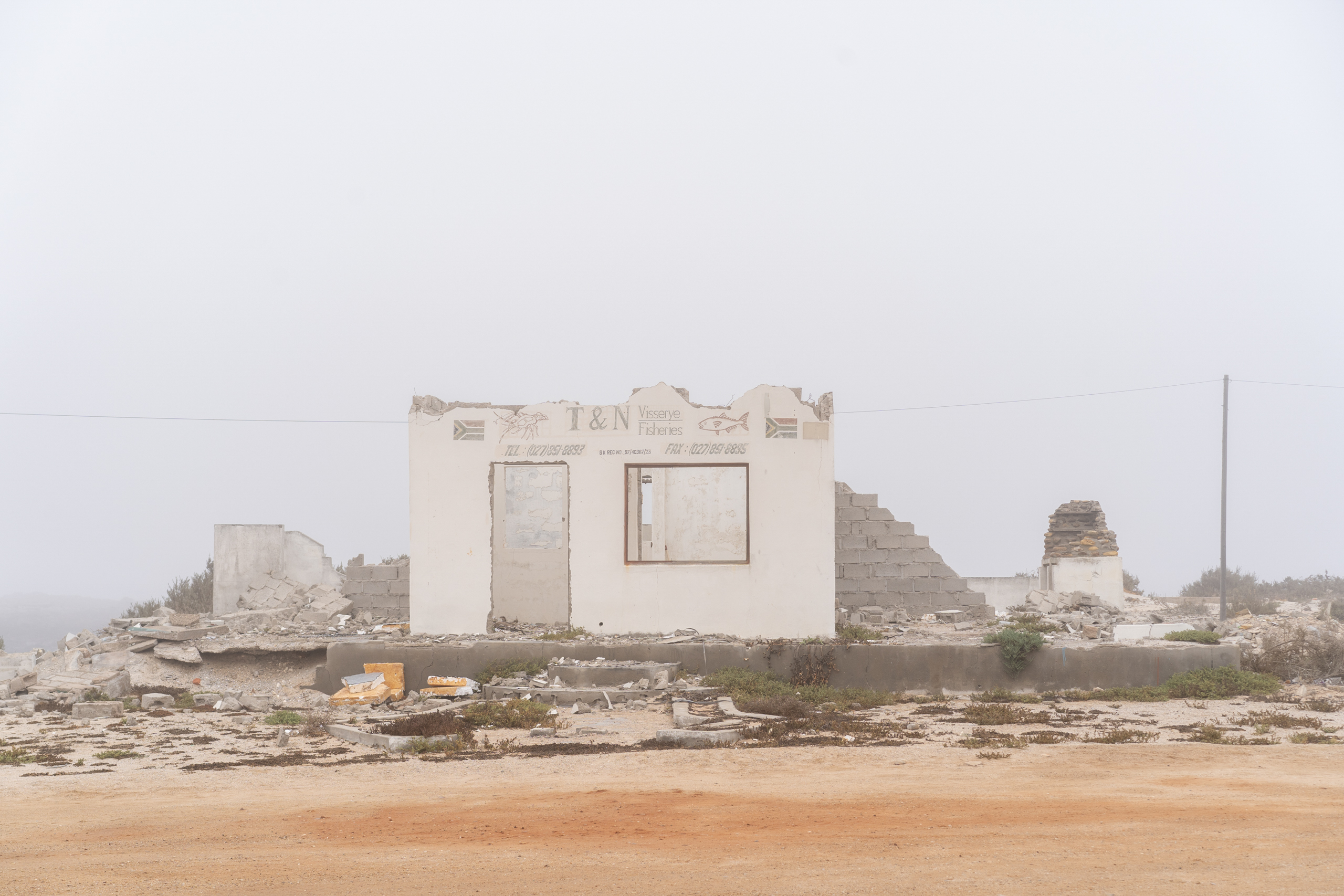
The ruins of a fish and chip shop outside the harbour of Port Nolloth. This village in South Africa’s remote Northern Cape became a hub for diamond mining and fishing in the 1920s. These days, the mines lie dormant, and the fishing industry is also in decline, with many blaming industrial overharvesting for dwindling stocks. Now, there’s an added threat, as international companies explore for oil and gas in nearby waters (Image: Barry Christianson)
Photographer: Tsolofelo Miladzi
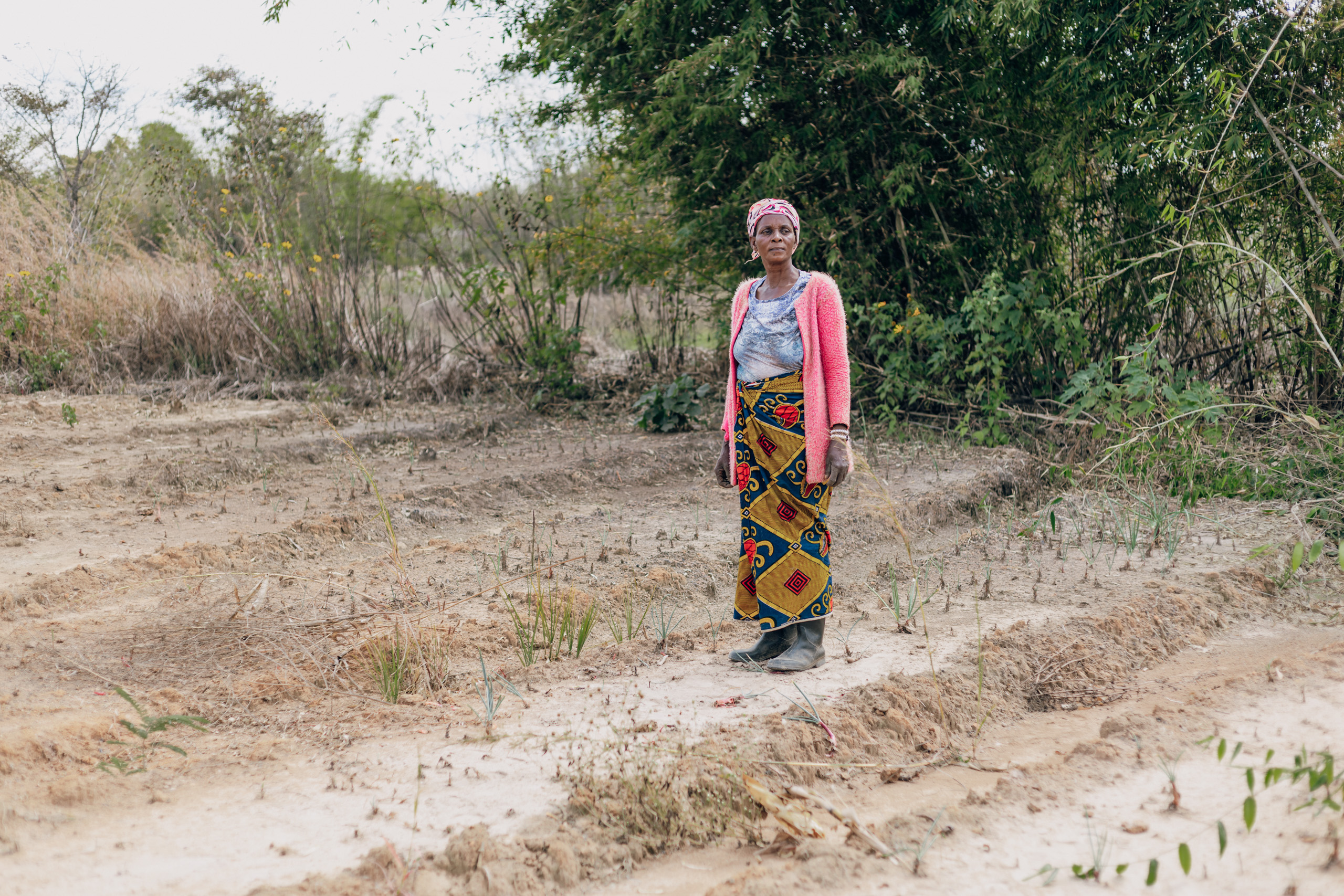
In Zambia’s Copperbelt province, Victoria Banda’s fields were ruined in February by the failure of a tailings facility operated by Sino Metals. A company hired by Sino Metals to conduct an assessment said 1.5 million tonnes of acidic effluent were released into tributaries of the Kafue River, one of Zambia’s most important waterways, with signs of pollution detected 100 km downstream (Image: Tsolofelo Miladzi / Dialogue Earth)
Photographer: Pich Urdaneta
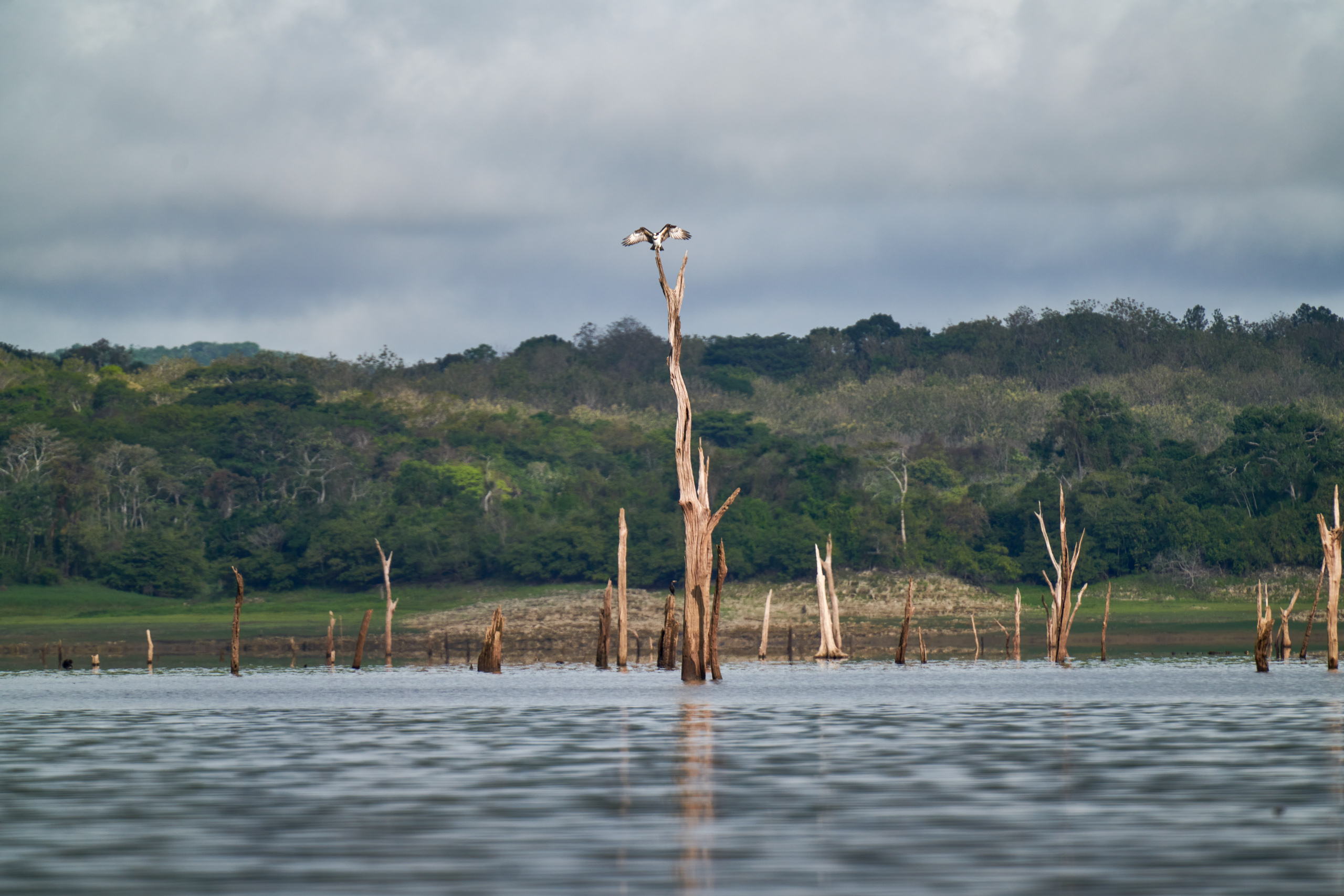
Tree trunks rise above Lake Alajuela, an artificial body of water formed in 1935 to support the Panama Canal. Severe droughts in 2023 and 2024 drove down water levels in the canal. Authorities were forced to temporarily reduce the daily passage of ships, for the first time in the waterway’s history, by 40%. This has led to plans for a new reservoir to guarantee water for the increasingly busy interoceanic trade route. But that project threatens to relocate up to 12,000 people living along the Indio River (Image: Pich Urdaneta)
Honorary mention:
Photographer: Fabeha Monir
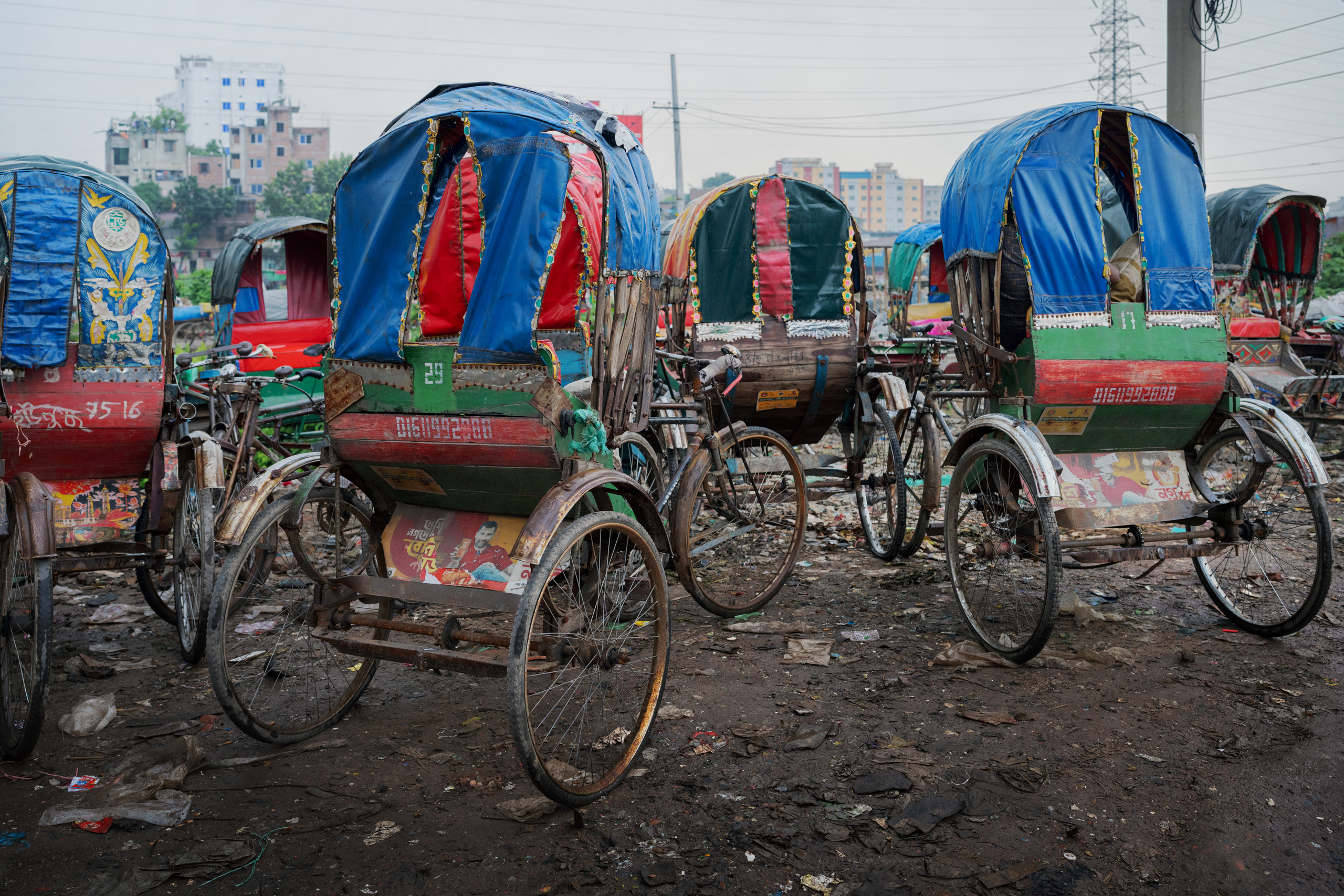
Traditional pedal-powered rickshaws in Dhaka, Bangladesh. There are an estimated one million of these vehicles in the capital, but they are rapidly losing ground to electric-powered equivalents. E-rickshaws operate in a legal grey zone, and their rise has not come without controversy. Touching on several issues at the heart of the climate justice movement, this photo story was published at the very end of 2024, but we feel it deserves a mention in this year’s roundup (Image: Fabeha Monir / Dialogue Earth)
Article thumbnail: Edwin Solares / Dialogue Earth