Millions in government funding are flowing to a controversial technique that proponents say will cool the planet by making clouds above the ocean more reflective. Can it be done? And should it be done?
Boosting the reflectivity of clouds with a spray of seawater was proposed as a way to cool Earth back in 1990 by a scientist at the University of Manchester. The idea is controversial, as with many other theories aimed at manipulating planetary temperatures.
In early 2025, a UK-government-backed practical study into how this could work emerged, featuring small-scale trials at sea.
• What is marine cloud brightening?
• Can it actually help tackle climate change?
• Why is marine cloud brightening controversial?
• Which real-world experiments have been conducted so far?
• What is happening now?
• What will the Aria projects actually do?
• Why are they adding to concerns?
• Are there any supporters of the Aria trials?
• How would marine cloud brightening be governed?
What is marine cloud brightening?
Global average temperatures could be reduced if clouds over the ocean reflected more sunlight, thus slowing or reducing global heating and its cascading consequences, goes the theory.
The basic concept is to “seed” low-lying marine clouds with salt water particles, causing the water droplets in these clouds to shrink and multiply. This makes the clouds brighter because many smaller droplets reflect more light than the same amount of water distributed over larger droplets. There are various methods that could be used to enhance a cloud’s reflectivity – its “albedo” – in this way. For example, by spraying sea water from boats as seed particles.
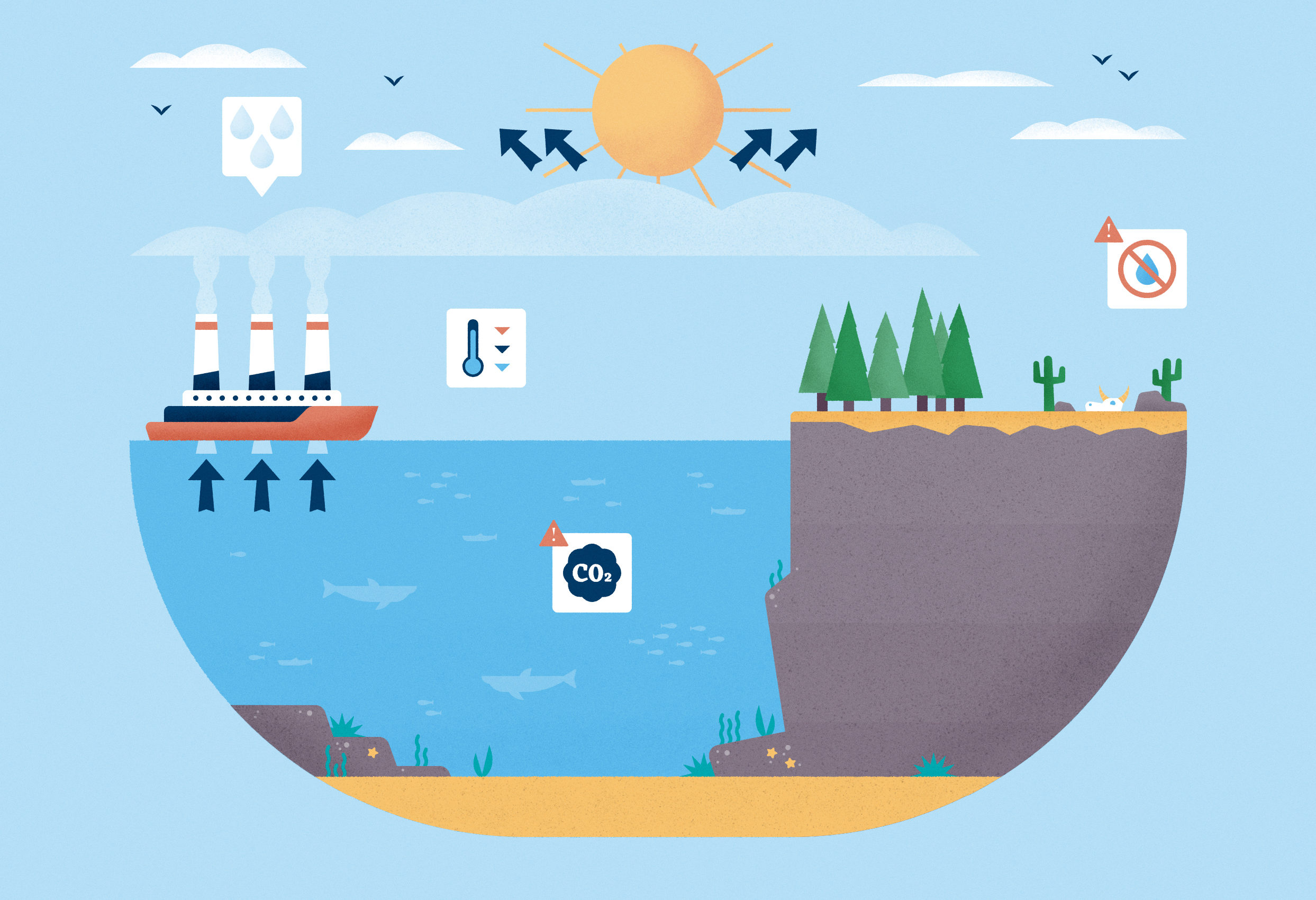
Marine cloud brightening (MCB) is one of several technologies under the umbrella of solar radiation management (SRM), or solar geoengineering, all of which propose the cooling of Earth by reflecting sunlight that would otherwise be absorbed to perpetuate global heating.
Can marine cloud brightening actually help tackle climate change?
What scientists know about solar radiation management so far is mainly based on theoretical analyses, climate model simulations and observations of ship tracks.
Ship tracks, which can be seen in satellite images, are clouds formed around the aerosols in ships’ exhaust, which is what geoengineers want to do deliberately. Evidence does show this can produce cooling through the albedo effect but the ability of MCB to produce detectable cooling on a planetary scale is “less well established”, according to a review of SRM research by the United Nations Environment Programme (UNEP) in 2023.
The effectiveness of MCB could itself be hampered by climate change. A study published in the research journal Nature Climate Change in 2024 found that, if deployed in the North Pacific Ocean, MCB could reduce the relative risk of extreme heat in the western US under present-day conditions. By mid-century, the same MCB deployment would only minimally reduce extreme heat – and could even increase it by inadvertently altering ocean circulation.
Why is marine cloud brightening controversial?
Many scientists and climate change campaigners believe geoengineering is a distraction from decarbonisation. The argument is that if governments and corporations think geoengineering is a serious option, they will scale back efforts to reduce greenhouse gas emissions.
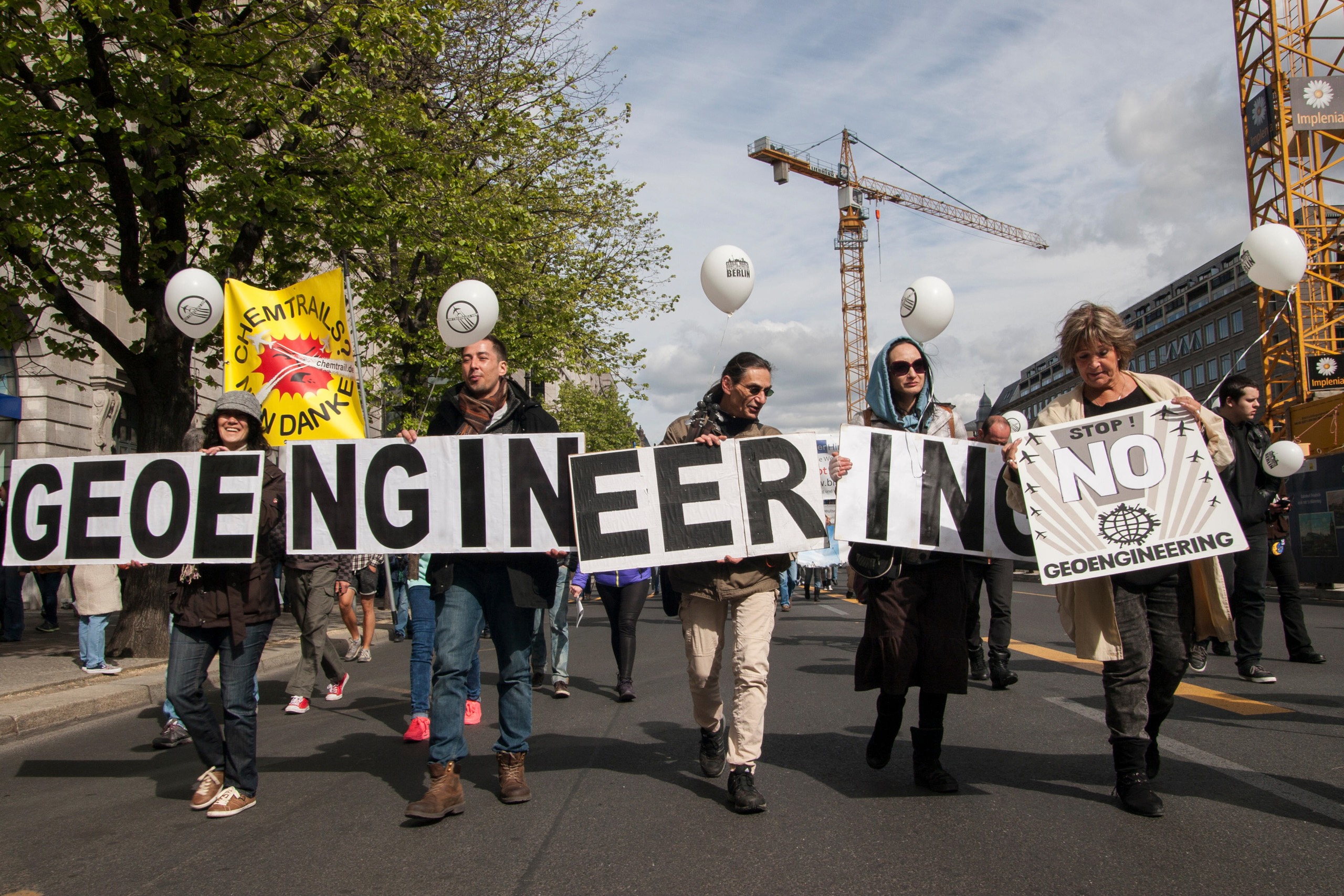
More than 500 academics from across the globe are calling for an international non-use agreement on solar geoengineering. This movement is concerned that solar geoengineering technologies could affect weather patterns, agriculture and the provision of basic needs like food and water. The group says these impacts are poorly understood and can never be fully known.
The four UK-based professors behind the initiative argue no “small scale” experiments can determine what would happen during a sustained, global-scale deployment of any of the technologies proposed. They point out that how a system as complex and imperfectly understood as Earth’s would respond over the multi-century (or more) timeframe required for these interventions is also unknown. Furthermore, even if technologies were deployed at full scale, they say it could take decades to determine their full effects.
Which real-world experiments have been conducted so far?
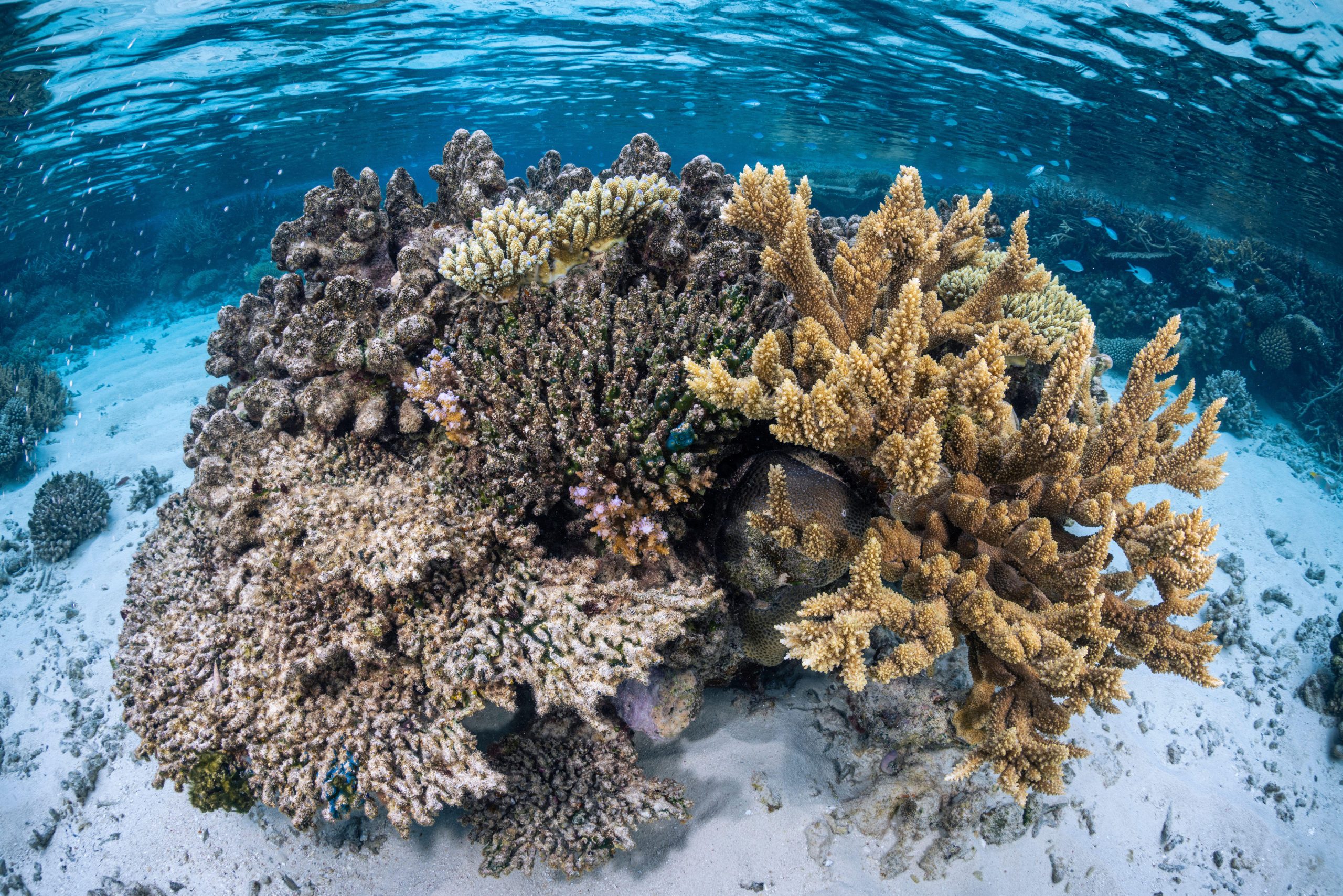
The only field trials of MCB have taken place over the Great Barrier Reef, part-funded by the Australian government. Project lead Daniel Harrison of Southern Cross University told the journal Nature that he sees the technique being used for local adaptation, rather than global geoengineering. It could be used intermittently when required as an emergency response to protect corals from bleaching during marine heatwaves, for example. Harrison’s team have published results of their trials, which suggest that “artificially generated sea-salt aerosols” can reach clouds in large enough quantities to impact them.
A small-scale trial to study sea-salt plumes by the University of Washington in the US was cancelled in 2024 following public protest, according to SRM360, a non-profit geoengineering “knowledge broker”.
What is happening now?
After years of limited government support for geoengineering, advocates received a huge boost in early 2025. Backed by British government money, field trials were proposed as part of GBP 56.8 million (USD 80 million) research programme into multiple aspects of geoengineering.
The initiative is being led by the Advanced Research and Invention Agency (Aria). This non-profit organisation was set up by the UK government to undertake research and development in areas considered too speculative, difficult or interdisciplinary to pursue via other funding agencies.
According to Aria, the geoengineering programme will gather critical missing scientific data to explore whether approaches to cool the climate could ever be feasible, scalable and safe. The agency stresses that MCB and other geoengineering techniques are no substitute for decarbonisation, which it says is “the only sustainable way to lower the chances of tipping points occurring”.
In the context of climate change, a tipping point is a threshold which, once passed, triggers a major, irreversible and self-perpetuating change in the climate. Researchers have identified 16 such climate tipping points so far, and say that some may even have already been passed, making inevitable major shifts such as the collapse of Greenland’s ice cap and the melting of permafrost.
A key example is the Amazon rainforest. The world’s largest rainforest has a huge impact on the climate, including by creating rainfall and stabilising temperatures in the region. But close to a fifth of it has been cut down or degraded, meaning there are fewer trees to generate the rain the forest relies on. This risks creating a vicious cycle, with reduced rainfall threatening the surviving forest. According to some scientists, a tipping point at which the cycles the forest depends on would collapse will be reached when deforestation reaches 20-25%. After this, large areas would turn into a grassland within a few decades.
The agency argues that such research is necessary to inform future decision making, if greenhouse gas emissions are not reduced sufficiently to prevent the climate reaching dangerous tipping points. Aria says that, if the world faces a tipping point, current knowledge of the options available to cool the planet – and their potential positive or negative impacts – is limited. In 2014, two separate studies (one by Nasa and the other by the University of Washington) concluded the collapse of the west Antarctic ice sheet had begun, which suggests the climate has already passed this particular tipping point.
What will the Aria projects actually do?
Aria’s programme will mainly use computer modelling and lab work to consider ideas such as space-based reflectors, and the potential impacts of various technologies on rainfall in Asia and Africa. It also includes projects to explore methods for public engagement and how any potential geoengineering could be managed and governed.
But Aria is also proposing small-scale outdoor experiments, which would follow computer modelling and indoor tests. Three projects will spend a total of GBP 9.1 million exploring MCB in the field, the first at the Great Barrier Reef in Australia. By brightening clouds within areas covering up to 10 square kilometres, for up to eight hours a day for six weeks, it will aim to establish whether MCB could protect coral reefs from heat stress.
A second project, run by several UK universities including Manchester and Cambridge, will develop and test technologies to generate sprays of tiny seawater droplets. Tests in a selected part of the country would last a few seconds and create plumes of seawater just a few hundred metres in size, Aria says. If successful, larger experiments could aim to brighten cloud areas stretching up to 10 kilometres.
A final project will investigate how electrical charges influence water droplets in fog and clouds, as an alternative to spraying seawater. Outdoor experiments would again take place in the UK, involving areas covering 100 square metres.
Aria’s field studies are likely to be at least three years away.
Why are the Aria projects adding to concerns?
Aria’s suitability for conducting such research has been called into question. Scientists backing the Solar Geoengineering Non-Use Agreement initiative point out that the organisation’s programme director, Mark Symes, is an electrochemist with no background in climate science. They also draw attention to Aria being exempt from freedom of information requests and most usual contracting transparency regulations: “Aria works in darkness, with the only light let out being what the directors choose to disclose.”
These scientists criticise Aria’s structure and arrangements, perceiving it to be “singularly unsuitable” for dealing with technologies this contentious and with such significant implications for humanity.
They also say the Aria programme represents the first time a major government has financed SRM trials on this scale: “The Aria programme is a step-change in the level and prominence of SRM development funding. The normalisation of outdoor field experiments threatens to unleash a flood of funding for SRM technology development from governments worldwide. It is the height of folly to unleash SRM field experiments into a world devoid of either national or international governance of such experiments.”
On its website Aria states that, as a publicly funded agency, its research will be “grounded in transparency, responsible stewardship and a commitment to broad public benefit”. It also says its outdoor experiments will only proceed if its governance requirements are met in full. These include a publicly available environmental impact assessment and engagement with local communities. It says all funded experiments will be time-bound and limited in size and scale so their effects dissipate within 24 hours or are fully reversible.
Are there any supporters of these trials?
Some scientists are more positive about Aria’s programme. Pete Irvine, a research assistant professor of solar geoengineering at the University of Chicago and a SRM360 co-founder, says this should not be perceived as a rush to develop and deploy the technology.
“Aria is adopting a measured, staged approach,” notes Irvine, “which includes limited, small-scale field experiments that will have to go through environmental impact assessment and public consultation before they are approved.”
Shaun Fitzgerald, research director at the University of Cambridge’s Centre for Climate Repair in England, says Aria’s geoengineering funding underlines that this is “a vital area of research that has been underfunded”.
Hugh Coe is a University of Manchester atmospheric scientist working on the institution’s Aria project. He says marine cloud brightening could provide temporary cooling at a time when the world’s governments continue to miss goals to mitigate climate change. But he has a caveat: “It is important to recognise that this is not a substitute for reducing carbon emissions.”
How would marine cloud brightening be governed?
There is not currently a global governance framework or organisation that covers solar radiation management. The Convention on the Prevention of Marine Pollution by Dumping of Waste and Other Matter is currently reviewing four marine geoengineering techniques, including MCB. In 2022, the convention’s scientific group warned these technologies “have the potential to cause deleterious effects that are widespread, long-lasting or severe”.
Five of Aria’s projects will consider issues of governance and ethics, including geopolitical challenges, public perception, and the need to be inclusive in building climate-cooling research capacity in the Global South.
Phil Williamson, an honorary associate professor of the University of East Anglia’s School of Environmental Sciences, believes these are the most crucial components of Aria’s initiative.
Williamson is sceptical, however, that there could ever be international agreement on SRM techniques and governance: “We would then be faced with the intolerable situation of the global climate being controlled by the most powerful nations – maybe our friends, maybe our foes – with scant regard for worldwide human rights, despite Aria’s stated concerns regarding ‘impacts on the Global South’”.
Correction note: This article was updated on 2 September 2025 to reflect feedback from Aria that it will fund projects exploring how to govern geoengineering not regulate it.