India is scheduled to announce its contribution to the global fight against climate change on October 1, according to a leaked version of the preamble to the document.
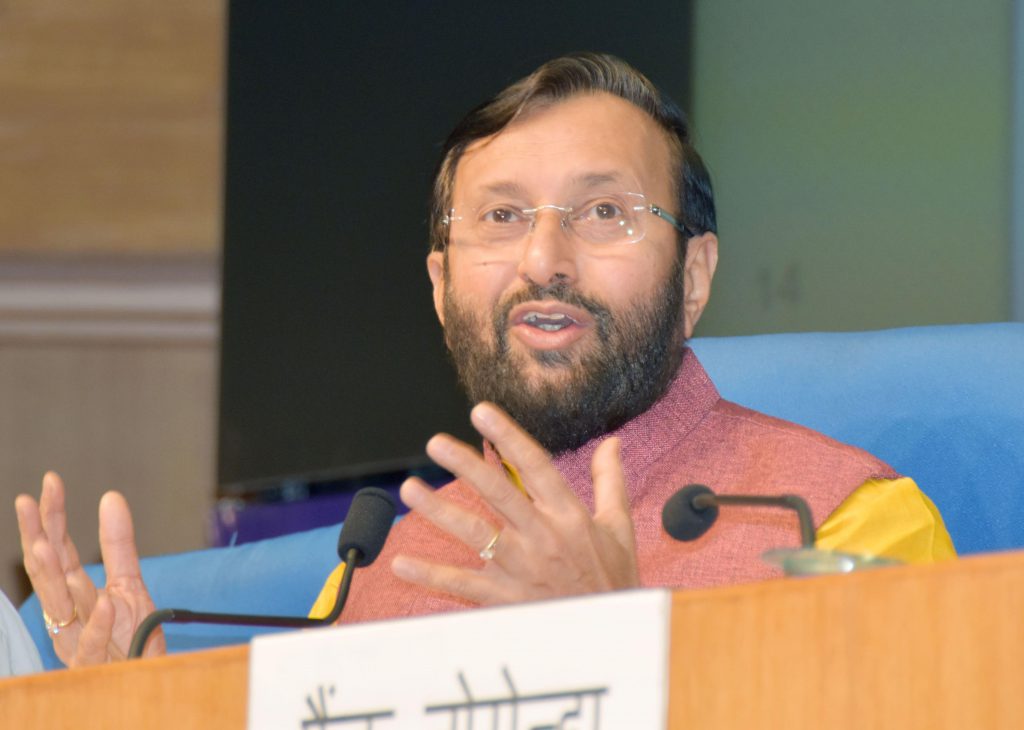
The preamble to the country’s Intended Nationally Determined Contribution (INDC) does not contain any firm proposals, nor does it reveal the extent to which the world’s third biggest carbon polluter wants to rein in its emissions between 2020 and 2030. Prakash Javadekar, India’s Environment Minister, told thethirdpole.net on September 23 that these were the “broad contours” of India’s low-carbon development policy. “It’s a curtain raiser,” he added.
Within hours, the preamble – a little over three pages long – was made available to a few journalists by government sources.
India’s proposal is eagerly awaited because these INDCs form the bedrock of a global agreement which is expected to be signed at the United Nations Framework Convention on Climate Change (UNFCCC) climate summit in Paris this December.
Both China, the world’s top carbon polluter, and US, the second, have already submitted their INDCs to the UNFCCC. So has the European Union, whose 28 members collectively make the bloc the world’s third-largest polluter.
Rich nations have been pressing India to announce an ambitious target to reduce its carbon emissions. Arrayed against them are many policymakers within the country and in the rest of the developing world, who point out that most of the carbon dioxide blamed for warming the atmosphere has been put there by developed countries. They add that India’s per capita emissions are just one-tenth of those of the US and a quarter of China’s; and that over 300 million Indians still lack access to electricity.
Just before Javadekar spoke to thethirdpole.net, he participated in a panel discussion with Amber Rudd, Britain’s Secretary of State for Energy and Climate Change. Rudd spoke repeatedly about the need to move to a “low carbon economy” and cited the New Climate Economy report which outlines paths to achieve economic growth while minimizing carbon emissions.
Speaking immediately after Rudd, Javadekar made a point of distinguishing between a “low carbon economy” and a “lower carbon economy”. He talked about the need for technologies that would enable “carbon capture and use”.
The Preamble
The minister was speaking a day after the union cabinet approved India’s INDC. Much of what he said was reflected in the leaked preamble.
The document states “Our objective in Paris in December 2015 is to establish an effective, cooperative and equitable global architecture based on climate justice and the principles of equity and common but differentiated responsibilities and respective capabilities (CBDR-RC) under the UNFCCC.”
Echoing the recent statements by Prime Minister Narendra Modi and Javadekar about the need for rich nations to adopt sustainable consumption patterns, the preamble reads, “We must promote sustainable production processes and also sustainable lifestyles across the globe.”
A major point of contention in the run-up to Paris has been the details contained within national pledges. While rich nations want to limit their content to commitments to cut emissions, developing nations want to include measures relating to adaptation to climate change, financial assistance to poorer countries and the technology transfers from rich nations to help move towards a greener economy.
This is reflected in the preamble, which reads, “The creation of a regime where facilitative technology transfer replaces an exploitative market-driven mechanism could pave the way for a common understanding of universal progress.”
On the part of India, the preamble promises “a set of contributions which are comprehensive, balanced, equitable and pragmatic and addresses all the elements including adaptation, mitigation, finance, technology transfer, capacity building and transparency in action and support.”
The INDC will take into account “India’s commitment in conservation of nature as well as the imperatives of meeting the competing demand of resources for addressing the challenges of poverty eradication, food security and nutrition, universal access to education and health, gender equality and women empowerment, water and sanitation, energy, employment, sustainable urbanization and new human settlements and the means of implementation for enhanced action for achieving among others, the sustainable development goals for its 1.2 billion people.”
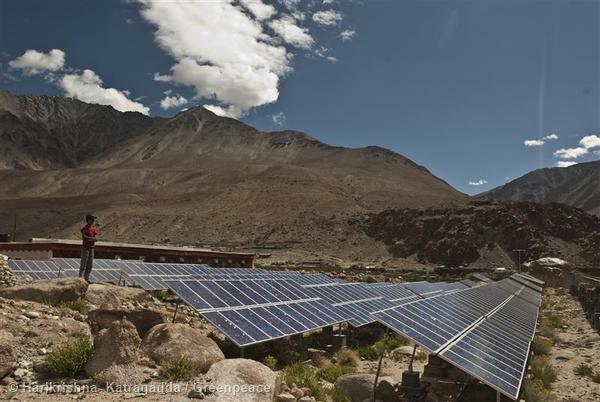
The preamble promises that the INDC “will throw light on India’s policies and programmes on the promotion of clean energy, especially renewable energy, enhancement of energy efficiency, development of less carbon-intensive and resilient urban centres, promotion of waste to wealth, safe, smart and sustainable green transportation network, abatement of pollution and India’s efforts to enhance carbon sinks through creation of forest and tree cover.”
One media report said the INDC will contain a promise that India will generate 40% of its energy needs through renewable resources by 2030.
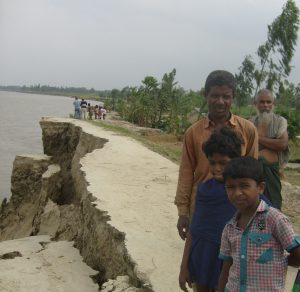
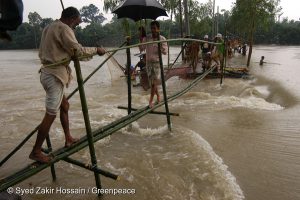
Pointing out that India is one of the countries most vulnerable to the effects of climate change, and that this vulnerability varies from state to state and even within states, the preamble says the INDC will include “the strategy and initiatives in the agriculture sector, water sector, health sector, programmes and policies for the coastal regions and islands, for disaster management and for protecting biodiversity and Himalayan ecosystem as well as for ensuring rural livelihood security.”
Need for money
The leaked document makes it clear that the government “would like to project India’s financial requirements, requirements for technology transfer and support and capacity building needs for implementation of comprehensive set of actions on adaptation and mitigation front.”
Hours before the preamble was leaked, Climate Action Network South Asia (CANSA), a coalition of NGOs, said, “India stands to reap more green jobs, slash deaths from air pollution and save money from avoided fuel imports should the country embrace an ambitious climate action plan.”
Sanjay Vashisht, CANSA Director, said that for this purpose, India should reduce its carbon emissions intensity by around 42% by 2030. “If India was to do its fair share of the international effort required to keep global warming within the internationally-agreed two-degrees Celsius threshold, then it would reduce its emissions intensity by 47% by 2030,” he added.
Emissions intensity is a measure of emissions per unit of GDP. In 2009, India had promised an emissions intensity reduction of 20-25% by 2020, compared to 2005 levels. Recent figures collated by the Ministry of Environment, Forests and Climate Change show the country has achieved an emissions intensity reduction of 18.6%, but the rate of reduction has been slowing in recent years.