Climate change and human health are not separate issues. The consequences of humanity’s emissions will impact the health of millions of people, regardless of future emission cuts.
This is a CATCH story
This story is part of Dialogue Earth’s work on the Community Adaptations to City Heat (CATCH) project, in partnership with Boston University. The project is funded by Wellcome. All Dialogue Earth content is editorially independent.
The UN’s flagship annual climate summit took place in Brazil last month. COP30 was the latest chance for nations to make substantial progress on curbing emissions, mitigating the impacts of rising temperatures and financing humanity’s adaptation to a hotter future.
In the end, the huge gathering in Belém agreed upon a new climate finance goal but avoided talking about fossil fuels. Here, we ask four experts whether COP30 achieved enough for human health.
‘Negotiations must focus on heat – the deadliest component of the climate crisis’
Jeni Miller is executive director of the Global Climate and Health Alliance, a network of health-sector professionals pushing for action on climate policy
The health impacts of heatwaves and drought are significant and growing. In 2023, they pushed over 100 million more people into food insecurity compared to 1981-2010. While in 2024, over 600 billion potential labour hours were lost due to heat, with follow-on impacts for family health and wellbeing.
Such stark realities should spur governments to support the most impacted developing countries in adapting and preparing to make their communities more resilient, as well as to tackle the root causes and drivers of climate change. While COP30 featured a number of discussions on heat health, there was little indication of the issue penetrating policy negotiations, where it could have motivated more ambitious climate action.
The Belém Health Action Plan was launched during the summit. Speaking at the launch event, the Pan American Health Organization head Jarbas Barbosa said: “600 million people around the world are now vulnerable to heat-related illnesses.” Several events and sessions at COP30’s Health Pavilion focussed on the relationship between heat and health. There was also a notable increase in health discussions in events at other, non-health pavilions and venues. Sessions addressed heat and occupational health; the role cities can play in protecting populations from heat; governance; cross-sectoral approaches to building heat resilience; and a COP presidency event to launch an initiative on cooling in response to extreme heat.
But even while discussion of heat and its health impacts received more attention than ever among this COP’s panel sessions and presidency events, there were few mentions within the negotiations. COP negotiations can be quite technical, focussing on the mechanisms required to collectively address the global challenge of the climate crisis. But without regularly connecting them to the ways in which heat – the deadliest component of the climate crisis – impacts real people’s lives, these talks will fail to address the critical urgency of advancing ambitious climate action.
‘The health impacts of climate change are still not properly recognised’
Stella Hartinger is director of Lancet Countdown Latin America, a health initiative informing climate-related policymaking with high-quality science
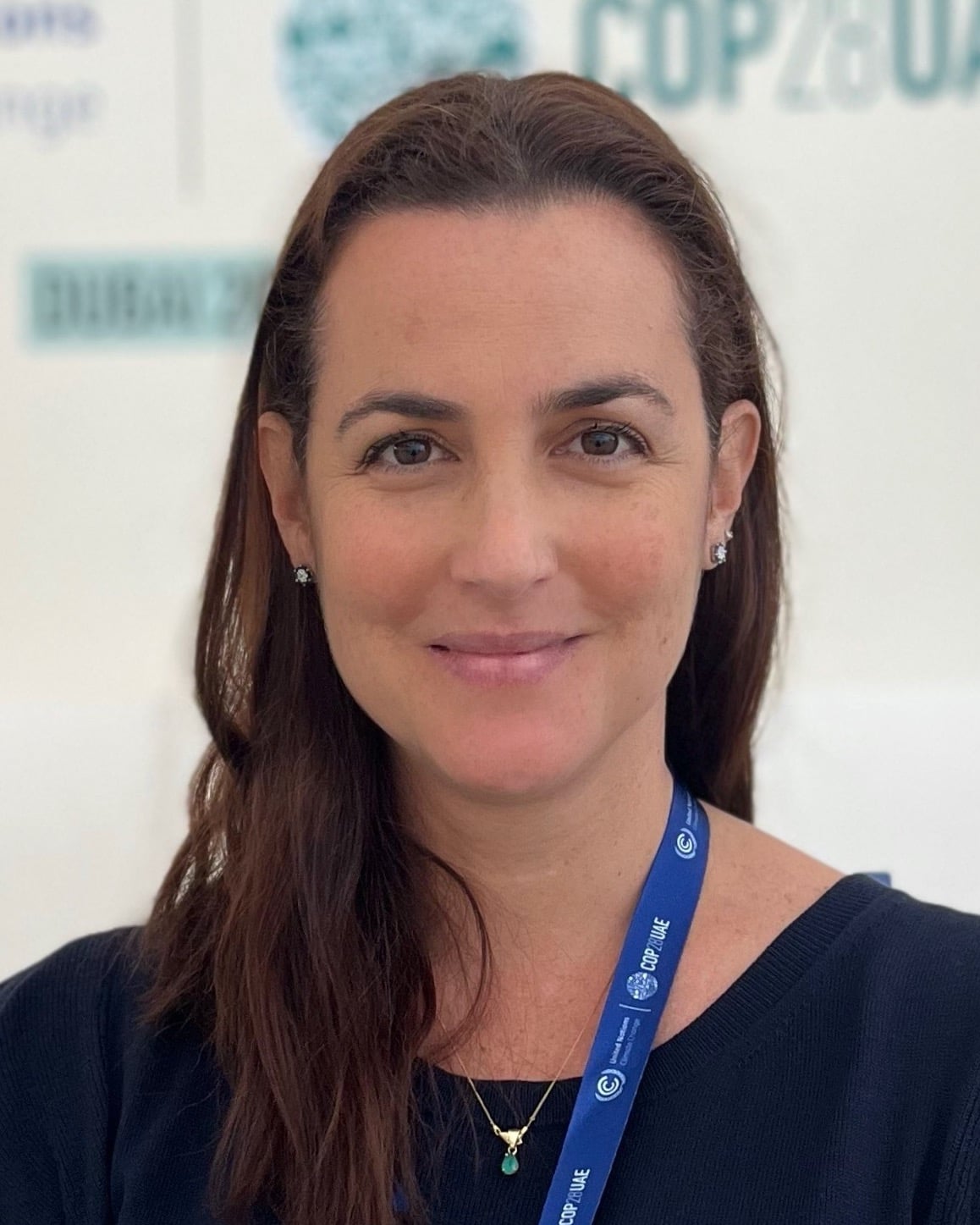
For the latest report from Lancet Countdown Latin America, 25 regional academic institutions and UN agencies surveyed 17 countries to establish the impacts of climate change on human health in the region.
We used 41 indicators, such as the level of exposure to heatwaves among vulnerable populations and the economic cost of heat-related mortalities. Our report provides a clear warning: “Human health will continue to deteriorate in the future due to the compounding effects of climate change.”
So, are COPs doing enough for human health in the Global South? Not entirely.
Although health has been gaining ground in climate discourse, in practice, it is still not prioritised as the magnitude of the crisis demands – especially in the Global South.
Climate change continues to be addressed predominantly as an environmental problem, and its direct impacts on health are not recognised with the necessary clarity. One outcome of this is insufficient health-sector participation in COP negotiating teams. This reduces the possibility that health needs will be fully reflected in decisions.
If we want to protect lives today, climate action must explicitly integrate health, with adequate funding, greater ambition and mechanisms that respond to the realities of our countries.
‘Cities are pushing forward together on heat’
Mark Watts is executive director of C40 Cities, an international network of city mayors taking action to mitigate the impacts of climate change
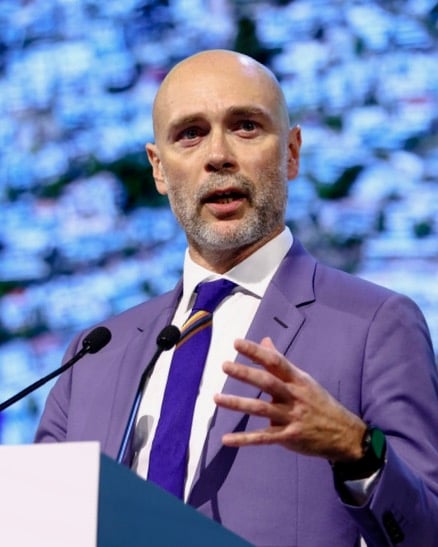
Cities came to COP30, as well as to the C40 World Mayors Summit in Rio that preceded it. They brought hard evidence that extreme heat is already the deadliest climate risk. But they also came with proven solutions.
At the Rio summit, 33 cities joined forces to launch C40’s Cool Cities Accelerator, in a bid to scale solutions and protect lives. Cities like Freetown, Phoenix and Santiago announced individual heat action agendas, with 2026 plans that include cold-food storage, emergency-response systems, and “pocket forests”.
Our co-chair, Mayor Aki-Sawyerr of Freetown in Sierra Leone, drove home the urgency in her keynote address. The resulting moment of mayors from across the world spontaneously getting to their feet to literally and symbolically stand together on this vital issue is one that will live long in my memory.
In Belém, we were pleased to stand alongside COP30’s CEO, Ana Toni, and the UN Environment Programme’s executive director, Inger Andersen, to launch the Beat the Heat/Global Mutirão Against Extreme Heat campaign. There are 185 cities signed up to this initiative already, which made the issues of heat and health a major focus during the initial days of COP30.
The trebling of finance for climate adaptation pledged at COP30 was one of the stronger outcomes of the negotiations. However, we were concerned at the relatively weak text on climate resilience in the Mutirão Decision [COP30’s final text], and disappointed that formal space for adaptation partnerships between local and national governments was not part of the outcomes.
‘Health as an issue can focus minds on the need for action’
Pamela Templer is a professor and biology researcher at Boston University. She directs its Urban Biogeoscience and Environmental Health graduate programme.
The participation of Indigenous communities was more noticeable than I’ve ever experienced at a COP before. That brought a lot of energy to the meeting. Another exciting thing about Belém was the presence of so many people working at the level of cities.
Obviously, everyone wanted stronger language in the final text, especially a more specific roadmap for phasing out fossil fuels. COP negotiations are hard work and painstakingly slow, and this one was slower than people were hoping for.
We bring students to COP each year and this time one of them asked me: “What’s the point of this?”
It made me ponder. But we’ve got to have international cooperation to make a dent in climate change. So, the bigger question is: “Where would we be without this?” I think the alternative would be much worse.
To have a bigger impact, those of us who are not negotiators – researchers, Indigenous people, civil society – need to be more involved throughout the year, not just over the two-week COP period.
Health as an issue can help. It’s easy for some people to ignore climate change when it is a thing happening somewhere else, to someone else. But when you think about climate change and human health, it affects all of us.
If we can convey to negotiators what we already know about the negative impacts of climate change on human health, I think that would bring even more countries into agreement on the need for strong action to curb emissions.