The theory of peak oil is a simple, but alarming one. As sources of oil decline or become harder to drill, prices will rise and hit everyone hard. The difficult bit is predicting when that "peak" will be reached.
One school of thought says that a peak in oil production and supply is imminent. It may have passed already, or will probably occur in the next 10-20 years. However, we may not know until much later when that peak has passed.
The second says peak oil is a superfluous debate. The only peak in sight is a peak in demand, and a lack of supply is not going to force us off our reliance on oil.
A third school of thought, championed by the UK-based New Economics Foundation (NEF) this week, suggests we face an "economic peak oil" whereby oil production can only be increased through much higher oil prices. NEF believes this peak will be reached in 2014-15.
Taking on these theories are two new reports from the International Monetary Fund (IMF) and the International Energy Agency (IEA).
The IMF report analyses oil production and gives serious thought to the view that world oil production will decline. Recent oil price rises, it suggests, could be seen as a sign that scarcity of oil is either already here or at least imminent. What’s more, new supplies are not sufficient to meet demand.
"Suitable substitutes for oil simply do not exist on the required scale and over the required horizon and technologies to improve oil recovery from existing fields, and to economise on oil use, must eventually run into limits dictated by the laws of thermodynamics, specifically entropy."
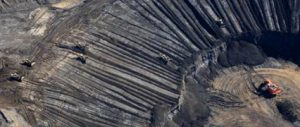
However, the IMF’s report has been criticised for failing to note the rise in oil production in the period since 2010. And also failing to take account of the slowing demand and technological progress. In the same way that fracking has delayed a peak in gas production, offshore and deepwater drills are uncovering new oil sources all the time. Not to mention the potential of oil from tar sands.
In contrast, the IEA’s report details the surge in new sources of oil, in particular shale oil in the US. Peak oil production doesn’t get a mention, replaced instead by suggestions of a peak in oil demand by 2020.
It predicts large rises in oil demand from China and India from their respective transport sectors, but expects unconventional supplies from the US, oil sands in Canada and deepwater production in Brazil, to push up oil production. It goes as far as predicting the US could overtake Saudi Arabia as the world’s biggest oil producer by 2020.
While dismissing the threat of peak oil, it warns that the threat of global warming of 2 degrees celsius is now almost impossible to avoid if we continue burning our current oil supplies.
"No more than one-third of proven reserves of fossil fuels can be consumed prior to 2050 if the world is to achieve the 2 °C goal," it says. The only footnote to this statement is if carbon capture and storage technology is widely deployed, preventing emissions escaping into the atmosphere from coal-fired power plants.
The bleakness of the IEA’s latest report has caused many environmental commentators to abandon the idea of peak oil altogether. "We do not have too little fossil fuels, we have far too much," laments the Guardian.
With more than enough oil and other fossil fuels out there to cause serious climate change, environmentalists’ hope that a doomsday supply crunch could break our oil addiction is fading fast.