<p>China’s growing demand for coal is causing worsening air pollution and using up scarce water resources, say campaigners. ©Wu Haitao/Greenpeace</p>
Energy

Alpine meadows disappear under opencast mines in northwest China

Chinese coal companies have been illegally digging up alpine meadows, according to a Greenpeace investigation, damaging a fragile ecology and exacerbating water scarcity
English

A giant coal mine near the Qilian mountains in northwest China is illegally encroaching on a nature reserve at the source of the Yellow River, according to a Greenpeace investigation.

“This huge coal mine dug into the birthplace of China’s mother river is arguably the most shocking example of the threat coal poses to the country’s water supply,” says Greenpeace East Asia climate and energy campaigner Li Shuo.

“China’s growing hunger for coal is not only fuelling the cycle of air pollution crises plaguing the country’s largest cities, it’s also using up enormous amounts of water, threatening whole regions with water shortages and desertification.

“The Beijing authorities have shown a strong determination in tackling the smog emergency triggered by coal fumes – now they need to display the same resolve in protecting the country’s water reserves from this destructive industry.”

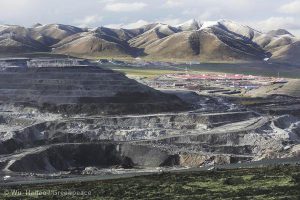
This opencast coal mine is owned by the Kingho Group in Muli. Opencast mining has left a huge pit in the alpine meadows close to the snowfields of the Qilian Mountains. The picture was taken on 21st June, 2014. ©Wu Haitao/Greenpeace
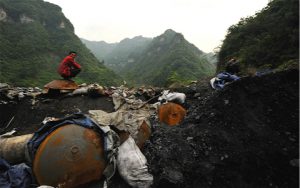
As a result of opencast coal mining in the area, permafrost is melting and grassland along transport roads is subsiding. The picture was taken on 21st June, 2014. ©Wu Haitao/Greenpeace
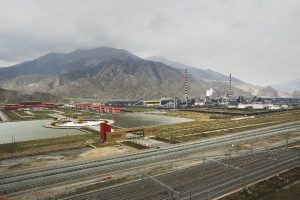
The China Kingho coal-chemical plant in Wulan County, is built on the Chahannuo wetland, at an altitude of about 3700 m. The picture was taken on 22nd June, 2014. ©Wu Haitao/Greenpeace
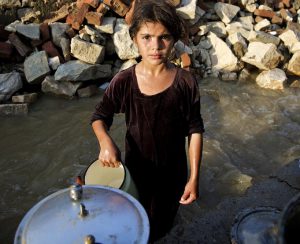
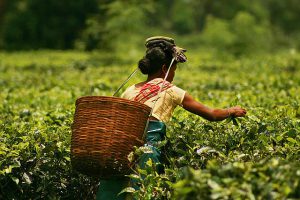
China’s growing demand for coal is causing worsening air pollution and using up scarce water resources, say campaigners. The picture was taken on 21st June, 2014. ©Wu Haitao/Greenpeace
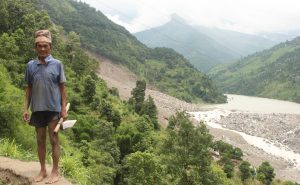
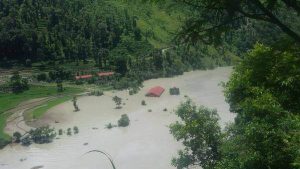
The Datong River Basin close to the Jiangcang mine, provides large quantities of water to the Yellow River. The picture was taken on 21st June, 2014. ©Wu Haitao/Greenpeace
Jiangcang mine is situated at 4000 mt above sea level, 31 km away from Muli, in the Datong River Basin. Since the exploitation of opencast coal mines along the Datong River began, the local environment has been destroyed, with large quantities of high calorific value coal transported away on a daily basis. The picture was taken on 21st June, 2014. ©Wu Haitao/Greenpeace
Cookies Settings

Dialogue Earth uses cookies to provide you with the best user experience possible. Cookie information is stored in your browser. It allows us to recognise you when you return to Dialogue Earth and helps us to understand which sections of the website you find useful.

Required Cookies

Required Cookies should be enabled at all times so that we can save your preferences for cookie settings.

Dialogue Earth - Dialogue Earth is an independent organisation dedicated to promoting a common understanding of the world's urgent environmental challenges. Read our privacy policy.

Cloudflare - Cloudflare is a service used for the purposes of increasing the security and performance of web sites and services. Read Cloudflare's privacy policy and terms of service.

Functional Cookies

Dialogue Earth uses several functional cookies to collect anonymous information such as the number of site visitors and the most popular pages. Keeping these cookies enabled helps us to improve our website.

Google Analytics - The Google Analytics cookies are used to gather anonymous information about how you use our websites. We use this information to improve our sites and report on the reach of our content. Read Google's privacy policy and terms of service.

Advertising Cookies

This website uses the following additional cookies:

Google Inc. - Google operates Google Ads, Display & Video 360, and Google Ad Manager. These services allow advertisers to plan, execute and analyze marketing programs with greater ease and efficiency, while enabling publishers to maximize their returns from online advertising. Note that you may see cookies placed by Google for advertising, including the opt out cookie, under the Google.com or DoubleClick.net domains.

Twitter - Twitter is a real-time information network that connects you to the latest stories, ideas, opinions and news about what you find interesting. Simply find the accounts you find compelling and follow the conversations.

Facebook Inc. - Facebook is an online social networking service. China Dialogue aims to help guide our readers to content that they are interested in, so they can continue to read more of what they enjoy. If you are a social media user, then we are able to do this through a pixel provided by Facebook, which allows Facebook to place cookies on your web browser. For example, when a Facebook user returns to Facebook from our site, Facebook can identify them as part of a group of China Dialogue readers, and deliver them marketing messages from us, i.e. more of our content on biodiversity. Data that can be obtained through this is limited to the URL of the pages that have been visited and the limited information a browser might pass on, such as its IP address. In addition to the cookie controls that we mentioned above, if you are a Facebook user you can opt out by following this link.

Linkedin - LinkedIn is a business- and employment-oriented social networking service that operates via websites and mobile apps.