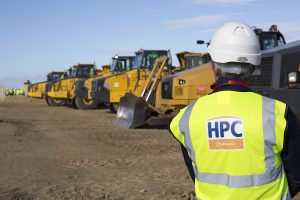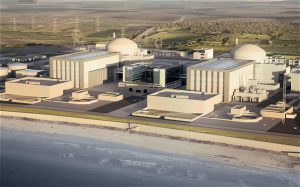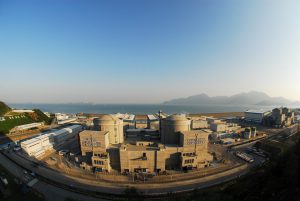
Uncertainties over the Hinkley Point C nuclear power plant, to be built in the UK by the French company EDF with 33.5% Chinese finance, seemed to be resolved when the British government announced that the controversial deal would go ahead.
Doubts were cast over the project in July, when, in the latest episode in a troubled history, the UK’s new prime minister Theresa May called for a pause and a re-examination of the deal, negotiated under the former prime minister David Cameron.
Hinkley Point C has been the subject of fierce controversy in the UK because of its cost, its unproven technology, and advances in other low carbon technologies that may make it superfluous even before it is completed. The UK’s energy demand is falling, and, with improved interconnection with European grids and the rapid advance of battery technologies, the argument that Britain needs new nuclear for base load energy is increasingly criticized as out of date.
The Chinese government, which has promised a £6 billion (53 billion yuan) investment in Hinkley, hopes that China General Nuclear Power Company (CGN) will build and operate its own nuclear power stations in Bradwell in Essex and Sizewell in Suffolk using Chinese technology.
Now the UK government wants a security safeguard that will allow it to block the sale of EDF’s controlling stake in Hinkley, and to take a special or “golden share” in all future new nuclear projects, ensuring that they cannot change hands without government knowledge or consent.
There has been no change in the cost of Hinkley to UK consumers, which critics argue is very poor value. Once the plant begins to produce, consumers will be forced to pay £92.50 (8117 yuan) per megawatt hour, adjusted to inflation, which is twice the current wholesale price, for 35 years. Analysts calculate that over the lifetime of the contract.
Hinkley Point C could generate between £100 billion and £160 billion of cash revenue for EDF and CGN.
This will add significantly to UK energy bills and with rapidly escalating decommissioning costs for Britain’s original fleet of nuclear power stations, which were built last century and are now coming to the end of their operating lives, the public debate on the costs and the future of nuclear power in Britain is likely to continue.
A statement from China General Nuclear Power Corp (CGN) said the company is “very happy” with Britain’s decision to approve Hinkley Point, but reaction in the UK was less enthusiastic.
Tom Burke, an energy expert and former government advisor, who chairs the UK think tank E3G, said that Hinkley Point C will use “expensive 20th Century technology that would soon be obsolete,” adding that there are “… faster, cheaper, cleaner and smarter ways to deliver affordable, secure, low carbon electricity to Britain’s consumers. Nothing about this deal is good for Britain’s hardworking families. They will pay the bill for decades but the jobs will go abroad. It is bad for consumers, bad for the climate and bad for the country.”
It was a view echoed by many environmental and energy experts, who point out that a majority of the British public is against further development of nuclear power.
Juliet Davenport OBE, CEO and founder of the renewable energy company Good Energy, said:
“(Hinkley) will take at least a decade to build and leave our grandchildren an inheritance of high energy costs, hazardous waste, security worries, and a plant that needs complex and costly decommissioning. No wonder only 36% of the British public support nuclear, compared to a whopping 76% for renewables.”