In the Puga Valley, in the Himalayan region of Ladakh, the state-run Oil and Natural Gas Corporation (ONGC) is building India’s first geothermal energy plant. Two tectonic plates collide beneath Ladakh, creating a hotspot for geothermal phenomena like hot springs, and it is this energy that ONGC is keen to tap – a potentially zero-carbon source of renewable energy.
“With this project, we hope to put India on the geothermal map of the world,” says Ravi, director general of the ONGC Energy Centre (OEC), a body set up by ONGC with a mandate to research and develop commercially viable sources of renewable energy. “In the initial stage, we intend to drill a 1,000-metre well, draw energy from temperatures above 200 degrees Celsius, and produce 1 megawatt [MW] of electricity. In advanced stages, we can attain up to 100 MW,” he tells The Third Pole.
However, the project is currently stalled after the unexpected release of geothermal fluid – warm water from underground containing various dissolved minerals – into a stream in Puga in August 2022. This led to fears that the energy project could pollute water sources and destroy habitat in the fragile Himalayan region.
Puga Valley geothermal project suffers setbacks
Geothermal energy is heat found just under the earth’s surface, usually close to tectonically active regions. This energy can be used either directly, such as by channelling steam rising from the ground through a building, or indirectly, such as using heated geothermal fluids or steam to power a turbine and generate electricity.
In February 2021, the OEC signed a Memorandum of Understanding (MoU) with the Ladakh Autonomous Hill Development Council – the elected body that governs the region – to build a 1 MW experimental geothermal power plant. On 4 August 2022, ONGC began drilling exploratory wells to evaluate the region’s geothermal potential. Within days, temperatures found were greater than expected at 180-190 C at 40 metres below the surface, Ravi of the OEC told The Third Pole.
The digging, however, led to the release of geothermal fluid at a larger volume and pressure than expected, and far more than the equipment in place could handle. “The quantity and pressurisation of the discharge were unexpected … We had calculated that there would be 1-2 kg per centimetre square, but there were actually over 4 kg,” says Ravi.
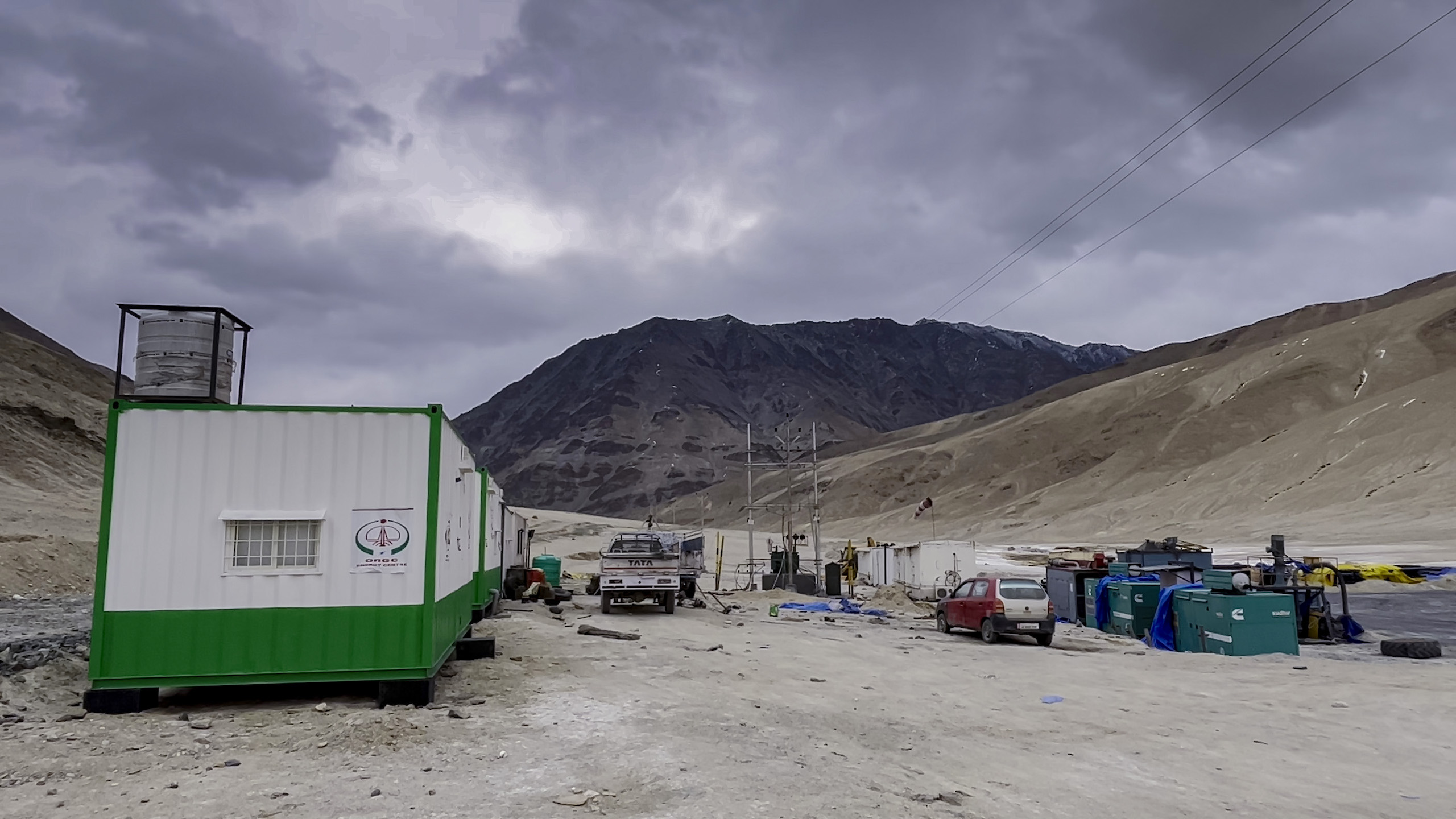
Instead of the fluid being pumped back underground after its heat had been extracted, some of it flowed into the Puga Stream. This led to complaints from a local civil society organisation, the Wildlife Conservation and Birds Club of Ladakh, which visited the site on 16 August 2022 and took photographs. The project has not advanced since that time.
According to Ravinder Kumar, Ladakh’s Secretary of Power Development and New Renewable Energy, the project’s postponement was caused by two main issues. First, he says, the project suffered a serious setback when the initial contractor for ONGC quit in the middle of work because of a lack of relevant experience. Second, the project underestimated the level of equipment needed to manage the geothermal liquid released, leading to unanticipated leaks.
“Preparations are already under way for the transportation of the enormous drilling apparatus to Ladakh for the purpose of controlled drilling. Transporting this huge equipment is a major challenge given the tough terrain and logistical challenges along the 750km road from Jammu to Leh,” Kumar tells The Third Pole.
Kumar says he expects the geothermal energy project to resume in 2024.
Environmental risks and benefits of geothermal energy
When done properly, geothermal projects can offer a zero-carbon source of renewable energy. However, there are some environmental risks, particularly in the improper discharge of drilling-related contaminants, which can lead to dangerous chemicals entering ground water. Since geothermal energy is released near where tectonic plates rub against each other, drilling can also trigger earthquakes.
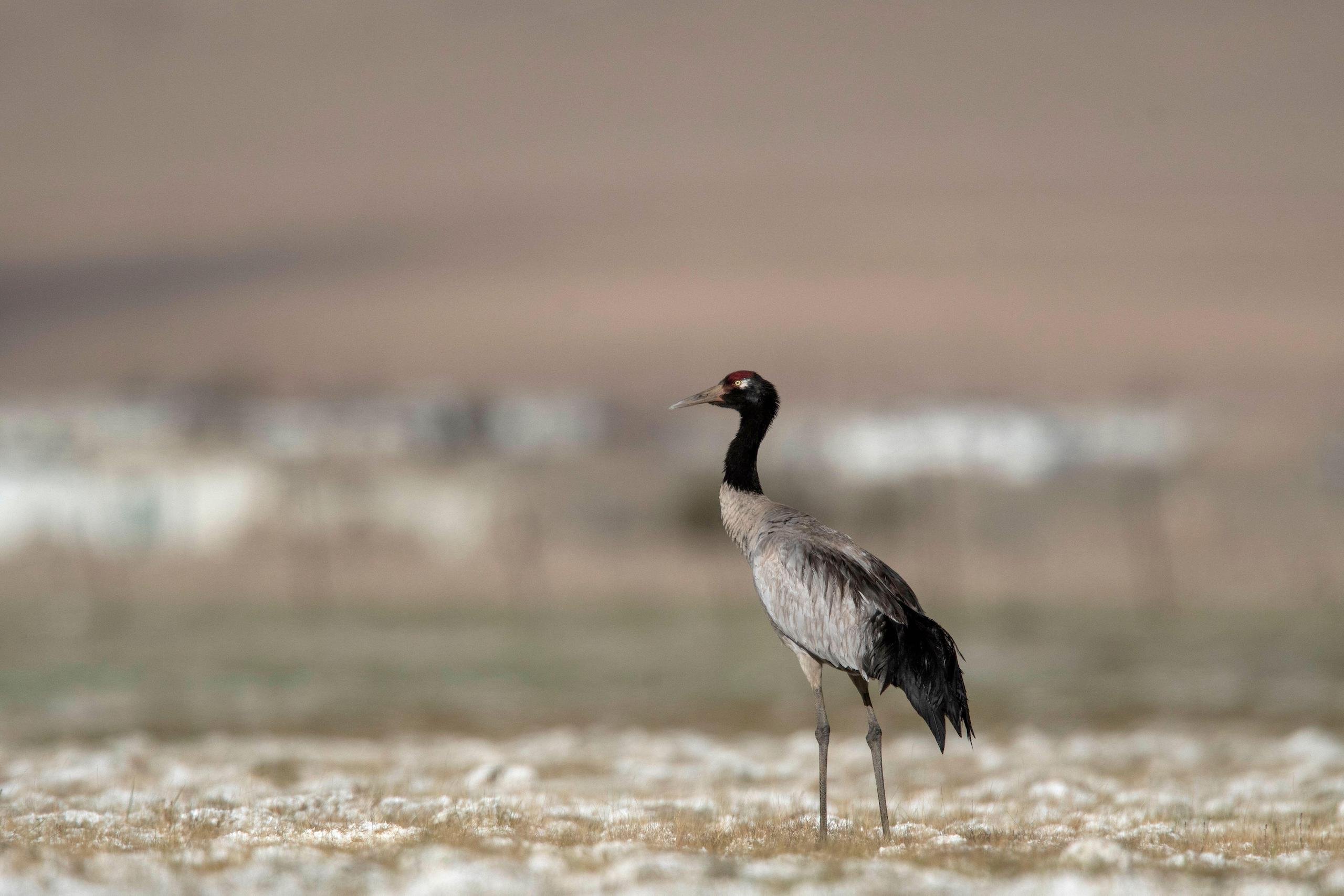
The Puga Valley contains numerous important wetlands, including the Tsomoriri Lake, which has been designated as a Ramsar site of international importance. “These are vital breeding places for migratory birds, including the black-necked crane, bar-headed goose, and ruddy shelduck, as well as other rare bird species whose populations are dwindling worldwide. Wide-ranging effects could result from modifications to the water’s chemical composition and temperature,” Tsewang Namgail, director of the conservation organisation Snow Leopard Conservancy India, tells The Third Pole. “Animals [like snow leopards] would not have anywhere to go if the water sources become contaminated,” he says.
Labzong Vissudha, president of the Wildlife Conservation and Birds Club of Ladakh which first documented the leakage of geothermal fluid into the stream in Puga, reiterates the same worries and is calling for increased project oversight. While ONGC has acknowledged the incident and pledged to improve the project, Vissudha is concerned that such accidents might happen again.
Kunzes Dolma, a geothermal expert and researcher at Reykjavik University in Iceland, argues that geothermal energy has the least negative environmental impacts of all energy sources. As well as producing no carbon emissions, she emphasises that, unlike large solar plants, geothermal energy does not require large areas of land, and does not produce e-waste such as used solar panels.
Dolma says that geothermal initiatives in remote areas like Ladakh, which suffer winter energy shortages, hold significant potential. “Geothermal energy can also be used to heat greenhouses, poultry farms, and residences in addition to producing electricity. To ensure that these projects move forward without having a negative impact on the environment, India must develop a geothermal policy that draws from experiences of countries like China and Iceland, and prioritises environmental and social impact,” she tells the Third Pole.
Concerns and opportunities for the local population
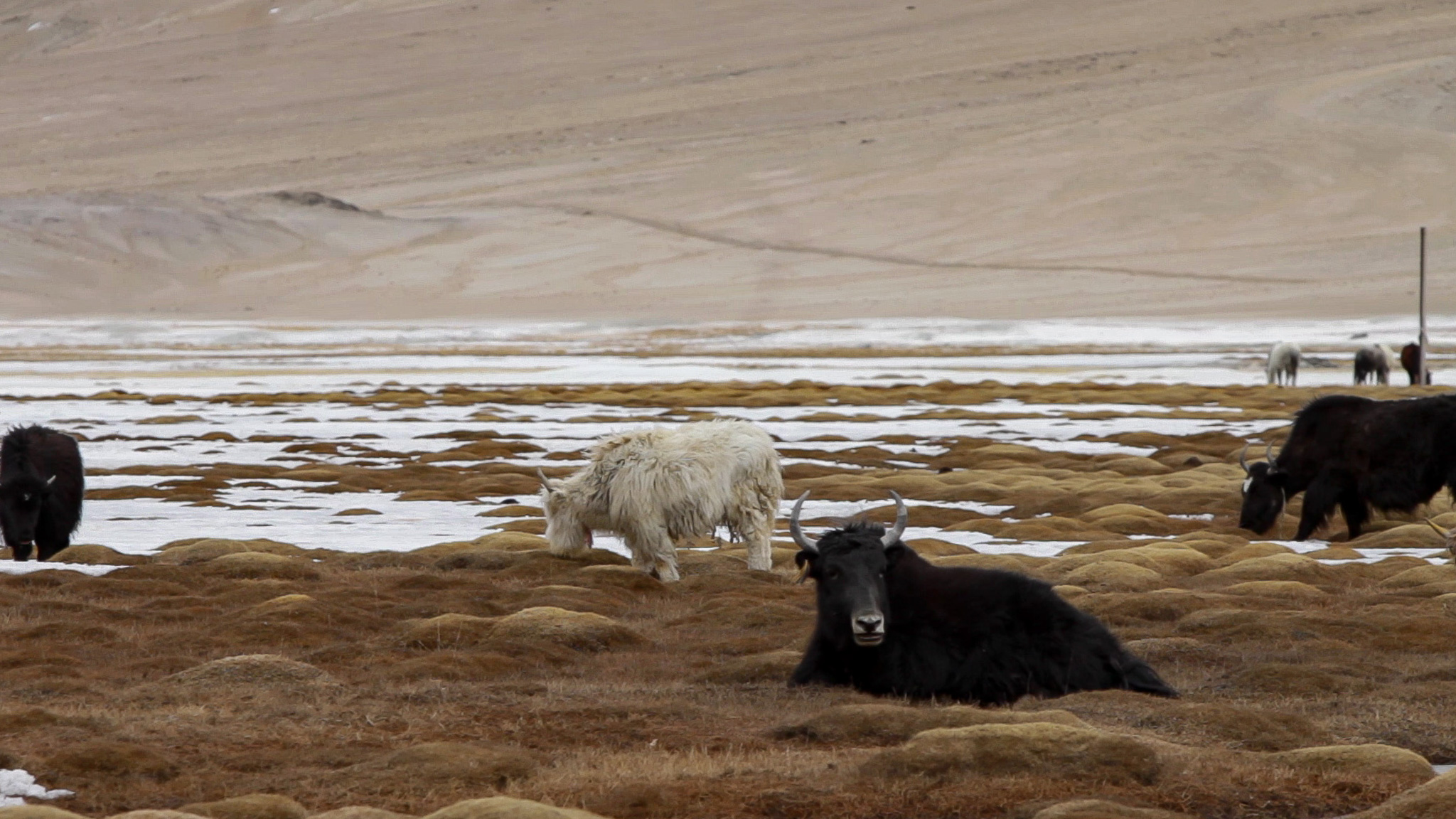
Jigmet Lamoo, a member of the semi-nomadic Changpa tribe who live in the Puga Valley, has mixed feelings about the resumption of the geothermal energy project. He anticipates economic growth and job opportunities, but he is also worried about losing pastureland for the tribe’s cattle. While the plant itself may only need limited land, it is being built next to meadows where the Changpa graze their pashmina goats, yaks, sheep and horses. Lamoo suggests that the project – either due to restrictions from government authorities or impacts on water resources – could force them to graze their animals in the mountains instead, where snow leopards are frequently spotted.
Ravi of the OEC, however, says the project will not impact pasture in the area. “There are no signs of grass in the arid area surrounding the project. I do not believe it is interfering with any grazing activity, and if it does happen again, we would not let it. In addition, we have a responsibility to safeguard the community and environment, and we will do everything within our power to do so. I believe that this project will be a game changer for the entire region, so people should wait and observe what ONGC is doing there,” he tells The Third Pole.
Acho Sharma Namrak, a councillor for the Karzok Constituency, which includes Puga Valley, in the Ladakh Autonomous Hill Development Council (LAHDC0-Leh), says: “People have been waiting for this project’s completion for decades, hoping for energy and job opportunities. Additionally, a memorandum of agreement between the government and the company ensures job opportunities for locals,” he says.
Nonetheless, Vissudha of the Wildlife Conservation and Birds Club of Ladakh suggests that most locals still do not know the details of the project, and that transparency and consultation with local residents must be ensured. “The company should consult with all relevant stakeholders and inform them of its plans. To guarantee that environmental pledges and protections are upheld, we are asking for full access to the Memorandum of Understanding [MOU],” he says.