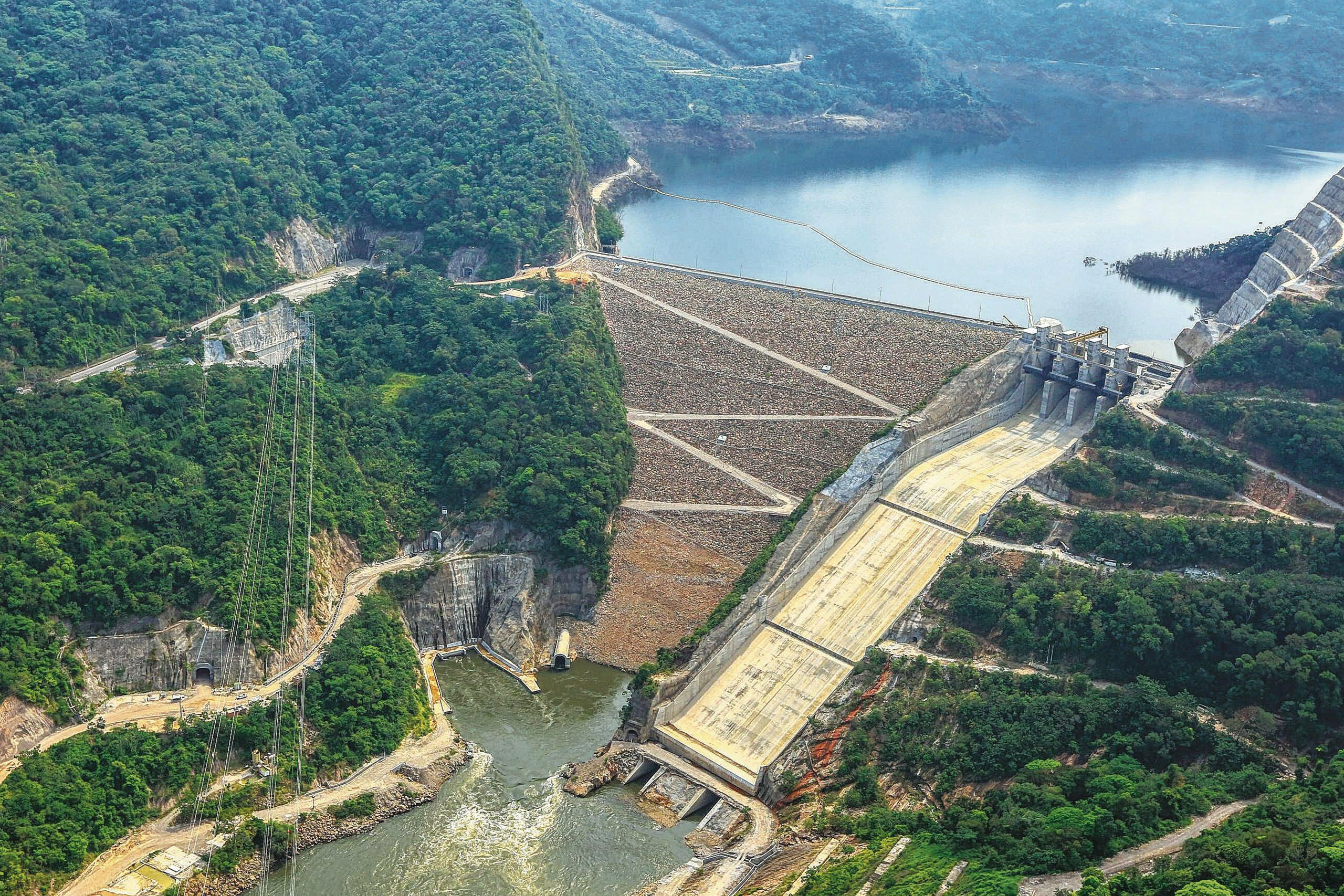
Colombia’s electricity system has been sustained by a delicate balance between hydro and thermal power plants. But the science is unequivocal: burning fossil fuels – coal, gas and oil – to generate electricity and heat is the main source of greenhouse gases globally, accounting for almost 33% of total releases in 2022.
To ensure a cleaner and safer future, it is therefore logical for Colombia to move forward with its emancipation from coal and gas for electricity generation. This does not mean the path will be easy or immediate. Coal, oil and gas still accounted for nearly 36% of the country’s generation in 2024, largely due to the reduced availability of hydroelectric power as a result of the El Niño phenomenon.
A recent analysis by Transforma, the Latin American centre for thought and action that I direct, shows that, for economic, environmental and international reasons, the phase-out of coal and gas-fired power plants in Colombia is inevitable. However, if additional measures are not taken, this process carries the risk of a deficit in “firm” energy. This is the amount that a generator can reliably and consistently deliver under adverse conditions such as droughts, demand peaks, or system emergencies.
The question is no longer whether we should leave coal and gas behind, but how to accelerate the transition to renewables in an orderly and fair manner. Transforma’s study evaluated four scenarios for phasing out thermal power plants in Colombia. It found that, in terms of average energy – the average amount of electrical energy that the national system can generate and supply under normal operating conditions – Colombia could maintain a positive balance for the period 2025-2038, even under scenarios involving the retirement of gas- and coal-fired power plants. This is because their generation would be offset by the expected energy from new projects scheduled to come online.
However, when it comes to firm energy (the system’s capacity to respond in adverse conditions) the energy balances show a critical vulnerability to an accelerated phase-out of coal- and gas-fired thermal plants.
In the four thermal plant retirement scenarios analysed, the firm energy deficit begins between 2028 and 2034, depending on the type of phase-out: if coal and gas plants are eliminated at the same time, the deficit reaches 37.9% in 2038. If the phase-out is sequential – first coal and then gas – the deficit is similar (37.9% in 2038) but first appears later, around 2033. If only gas plants are phased out, the deficit reaches 26.7%; and if only coal plants are phased out, the deficit is lower, 10.1%.
In summary, although the transition would allow sufficient energy to be maintained on average, the loss of thermal backup threatens the reliability of the Colombian electricity system in critical events.
Does this mean we should strengthen coal and gas? At first glance, it might seem prudent, but these are nothing more than siren songs.
In countries of the Organisation for Economic Co-operation and Development (OECD), the majority of which are regarded as developed, coal-fired power generation has halved since 2007. It has been displaced mainly by solar and wind energy, increasingly backed up by storage systems. This shift is no small matter: it shows that renewable alternatives are no longer a futuristic promise, but an economic and technological reality. In fact, at least one-third of the 38 OECD countries have already eliminated coal from their power generation matrix.
Even in the United States, where some political sectors have attempted to revive coal, the trend is clear: power companies themselves have announced plans for massive retirements. By 2030, coal-fired power generation capacity will have fallen by 63.8% from its historical peak, driven by the declining cost of renewables and the need to comply with increasingly stringent environmental regulations. In other words, even the most coal-dependent economies are unable to sustain it in the face of economic and climate evidence.
Betting on coal and gas in Colombia would be bread for today and hunger for tomorrow
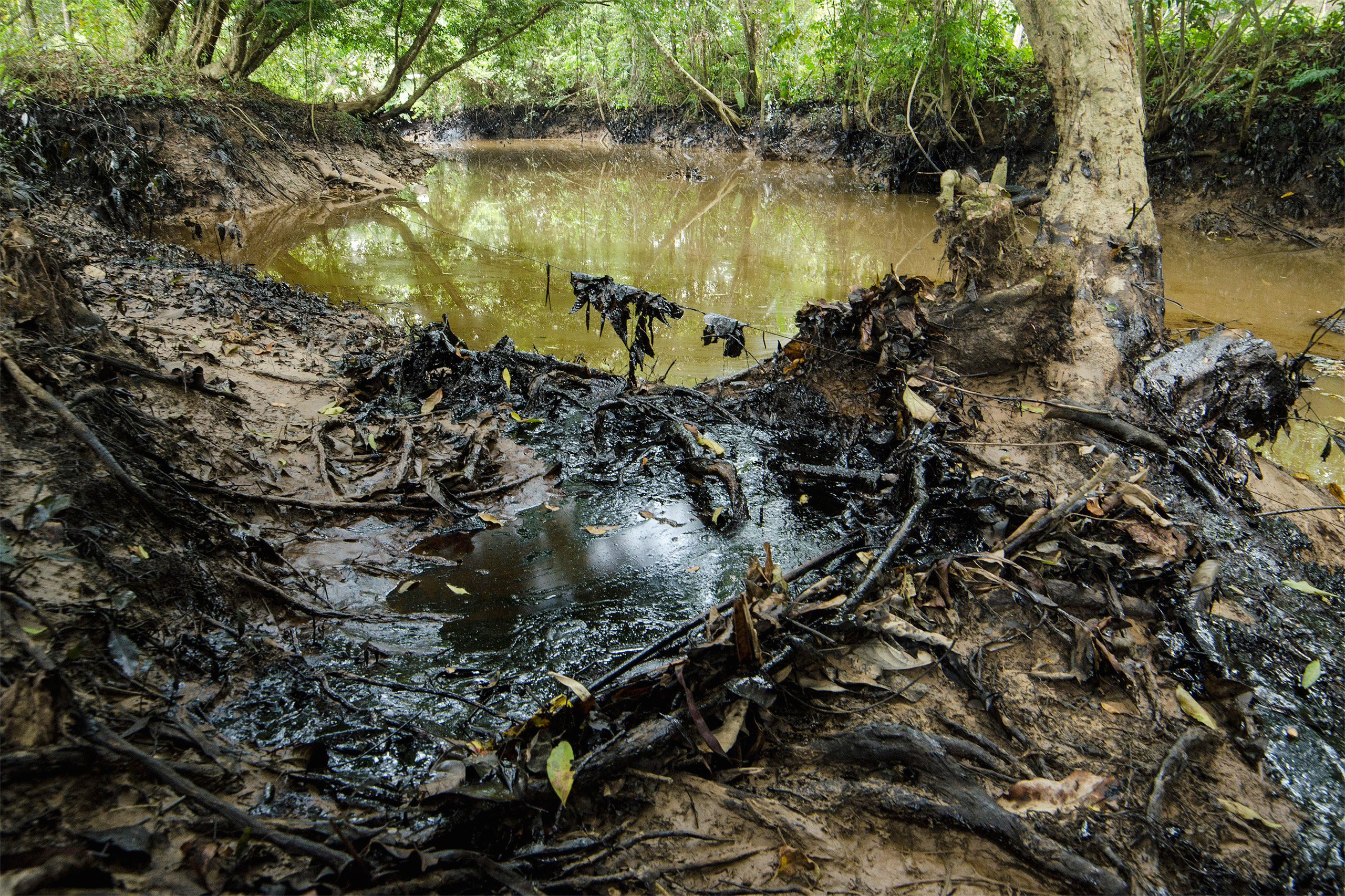
Gas, presented for years as a long term solution, faces an equally complex outlook. In Colombia, proven reserves have fallen to critical levels: just 5.9 years of self-sufficiency. Recent offshore gas discoveries in the Caribbean, such as the Gorgón and Uchuva fields, have been promoted as energy lifelines by Colombia’s top oil firm Ecopetrol and certain sectors of the industry and government. But these projects actually have high production costs, uncertainty about reserves and considerable financial risk: studies by the International Institute for Sustainable Development concluded that both fields would have negative net present values under most gas price scenarios, making them highly risky investments.
The uncertainty is exacerbated by a highly volatile international context. According to the International Energy Agency, gas prices in Europe in 2024 were 50% more volatile than the average for 2010-2019 – a reminder of how uncertain and fragile dependence on this fuel is. Added to this is the climate impact: methane emitted by the gas value chain has a global warming potential 80 times greater than that of carbon dioxide over a 20-year horizon, and 28 times greater over 100 years.
In conclusion, betting on coal and gas in Colombia would be bread for today and hunger for tomorrow: they are sources in global decline, more expensive and financially risky, polluting, harmful to health and with no future in the medium and long term.
The alternative exists and is achievable. According to the analysis carried out by Transforma, Colombia needs to incorporate between 10.8 and 40.8 additional gigawatts of renewable energy beyond the projects already planned, and to maximise the system stability with a balanced combination of solar, wind and small hydroelectric plants. Likewise, the electricity system must be complemented with storage and flexibility, through battery systems, hybridisation of sources and demand-response mechanisms that cover critical hours.
In addition to supply, it is essential to manage demand. This involves reducing pressure on the system through energy efficiency, and the expansion of energy communities and other decentralised models. Finally, both the introduction of renewables and demand management must be accompanied by enabling conditions, including the resolution of socio-environmental conflicts, the optimisation of prior consultation processes and the modernisation of transmission networks.
These are not simple actions but they are feasible if political will, strategic vision and public-private cooperation are aligned. The challenge is not technical but one of determination: to avoid succumbing to the siren song of fossil fuels and to commit to a reliable, sustainable and fair future for electricity in Colombia.
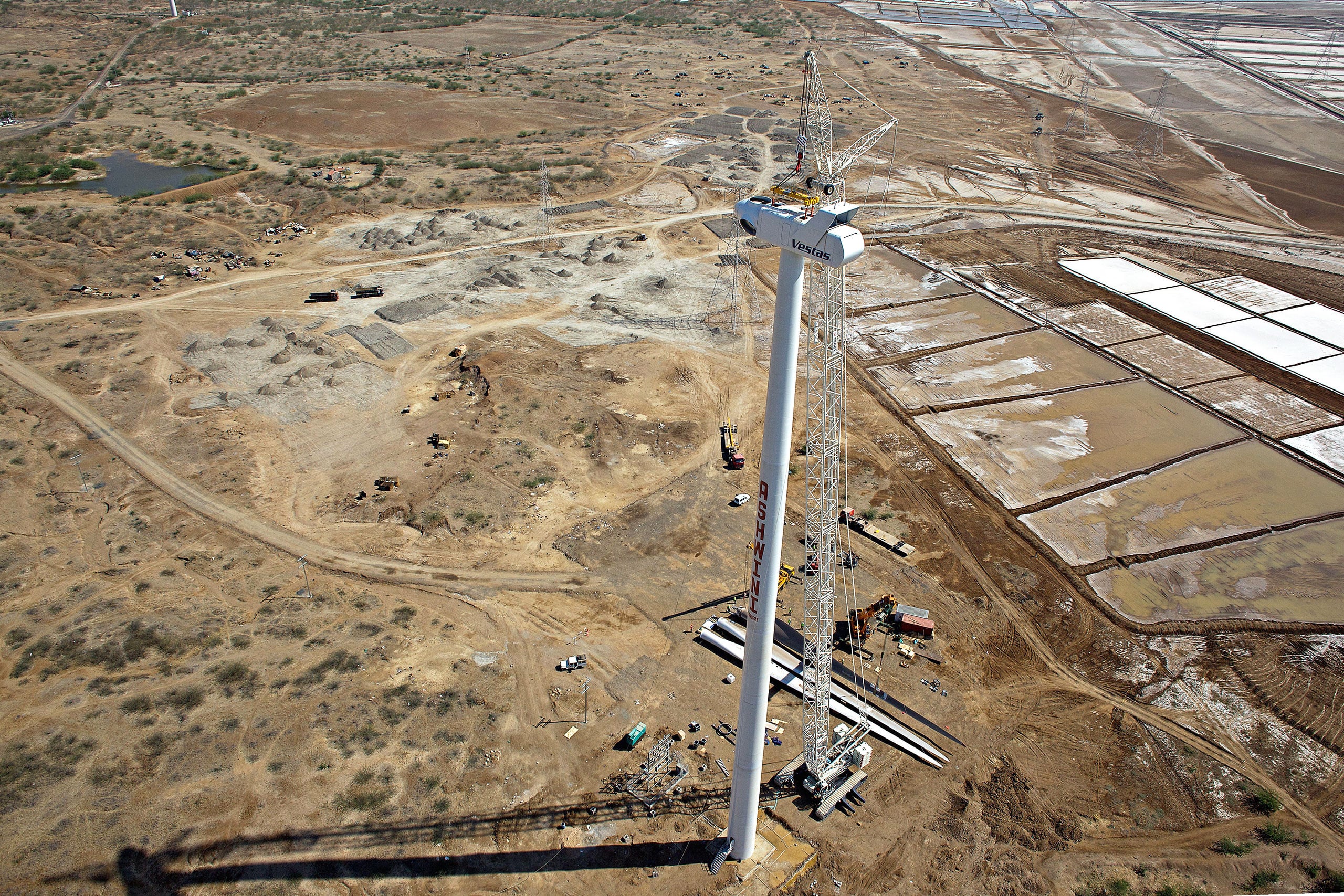
Finally, the international scene is sending increasingly clear signals about the real and gradual decline of fossil fuels in electricity generation, in favour of an obviously renewable future. For example, according to the think-tank Ember, during the first half of 2025 renewable energies surpassed coal for the first time in history as the main source of electricity in the world. This milestone represents a turning point, not only in terms of energy, but also in terms of global leadership: it is China and India, not the US or the European Union, that are spearheading this transformation.
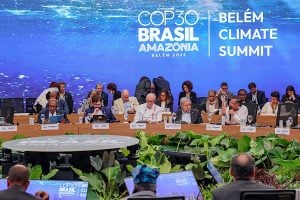
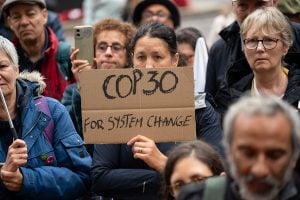
If we add to these energy giants the numerical strength of small- and medium-sized solar and wind contributions in countries in Latin America, Africa, Southeast Asia and South Asia, we see the pieces of a great puzzle coming together. An energy transition “Made in the Global South”. May this milestone serve Colombia, a regional exponent of climate ambition, as well as Brazil, as leader of COP30, and all of Latin America to persevere in this transition. Although uncertain and challenging, it is leading us down the right path.