Before 2018, Ranjita Pegu lost a major portion of her rice crop every year during the kharif season, from June to October. Flash floods would hit her 12-bigha (1.6-hectare) low-lying farmland in Assam, northeast India, two to three times during the monsoon. Submerged underwater for long periods, the crop would scarcely be enough to meet her needs. The 28-year-old farmer from Namoni Serepai village in the district of Majuli could not even dream of selling any for extra income.
Then, three years ago, Seven Sisters Development Assistance (SeSTA), a civil society organisation operating in India’s northeastern states, introduced Ranjita to new varieties of rice. The Bahadur Sub-1 and Ranjit Sub-1 are flood-tolerant varieties developed by the Assam Agricultural University.
Ranjita and her husband Hemant sowed it as an experiment, and to their surprise found they could cultivate 10 times more produce. Previously, they had to sow 20 kilograms of rice to get 400-500 kg. Now they use only 1 kg of rice to grow the same amount.
They also adopted the System of Rice Intensification (SRI), a more sustainable farming method that aims to increase rice yield. “I now earn over 50,000 Indian rupees (USD 680) per year by selling rice since 2018 and have started a poultry farm and bought a [vehicle],” said Ranjita.
Chronic floods in Assam
With its major rivers the Brahmaputra and Barak, which have more than 50 tributaries, the state of Assam is prone to floods and erosion. Low-lying areas remain submerged for as long as two weeks after flash floods.
17%
Amount of cultivated land in Assam that is flood-prone
More than 3 million hectares, or almost 40%, of total land in the state is flood-prone, according to the Rashtriya Barh Ayog (National Flood Commission). This includes about 475,000 hectares of cropped land, most of it devoted to rice cultivation, out of a total of 2.8 million hectares cultivated in the state. In other words, 17% of cropped land is chronically flooded. Flash floods affect areas over and above this. This makes flooding a major constraint for Assam’s farmers. Those who plant traditional varieties struggle with low yields and damage to crops.
Across the state, 2.75 million families depend on agriculture for their livelihoods. Of these, 85.3% are small and marginal farmers, according to Rastriya Krishi Vikas Yojna, a government programme to increase agricultural productivity. When farmers lose a major portion of their crops to flooding, their production is negligible. Debashish Nath, programme director of SeSTA, told The Third Pole that cultivators need to adopt new farming methods and flood-tolerant rice in Assam.
Adopting flood-tolerant rice in Assam
“To protect paddy crops from flash floods and losses to farmers, scientists at Assam Agricultural University (AAU) developed submergence-tolerant varieties of rice: Ranjit Sub-1, Bahadur Sub-1 and Swarna Sub-1,” said S Chetia, a scientist at AAU.
Over 102 tonnes of Ranjit Sub-1 seeds was produced by AAU in 2018, when the rice variety was notified and released by India’s Ministry of Agriculture and Farmers’ Welfare. The university has produced and distributed over 3,200 tonnes of seeds to farmers in the past three years, according to Chetia.
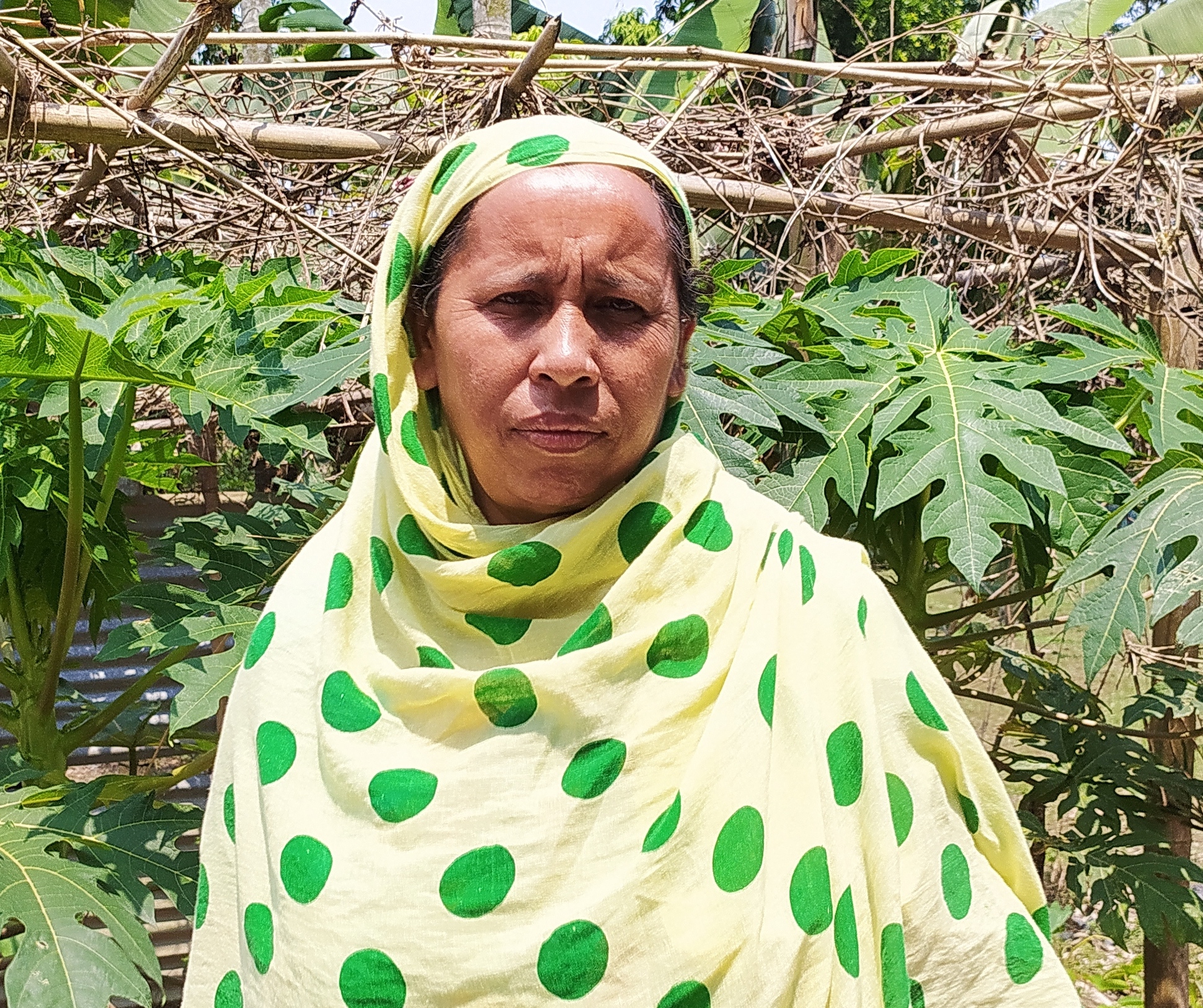
Ruksana Begum, a 45-year-old farmer from Barkhetri block of Nalbari district, has started to produce double the amount of rice since she adopted the Ranjit Sub-1 variety. Her crop does not get damaged even though it is sometimes submerged for a week or two during floods.
“I would get hardly 4,000 kg of rice from my 1.33 acres [0.5 hectares] of land before I started to cultivate this new variety,” she said. “And I have changed the method of farming with the help of SeSTA activists. Unlike earlier, I plant single seedlings, keeping a certain distance between them. Earlier I would plant a bunch of seedlings at one spot and would not maintain much distance between two spots.”
Begum’s family of five can now sell their surplus rice and earn around Rs 10,000 (USD 136) per year. She also cultivates vegetables and chillies using the SRI method.
More sustainable method
The SRI method has proved helpful to farmers, who are able to use less seed to get higher yields. However the method is labour-intensive.
Did you know…
The System of Rice Intensification was first developed in Madagascar during 1980s. It is now being adopted around the world.
Harisprakash E T, an agriculture officer with the Assam government, said that for SRI “2-3 kg seeds per acre are required against 20 kg in the traditional method [of cultivation]. SRI paddy fields are not flooded with water but kept moist, thus saving water. One or two seedlings with one or two leaves are planted, maintaining a certain distance in a line. This gives sufficient fertiliser, pesticides and water to each plant. Besides it is easier for weeding.”
It was not easy to convince farmers to change methods, said Debashish Nath of SeSTA. “Farmers use seeds produced at their farms and were reluctant to buy new varieties… They did not want to spend on fertilisers and pesticides as well. We arranged field trips and interactions with farmers who were growing the flood-tolerant varieties. We also trained them in the SRI method.”
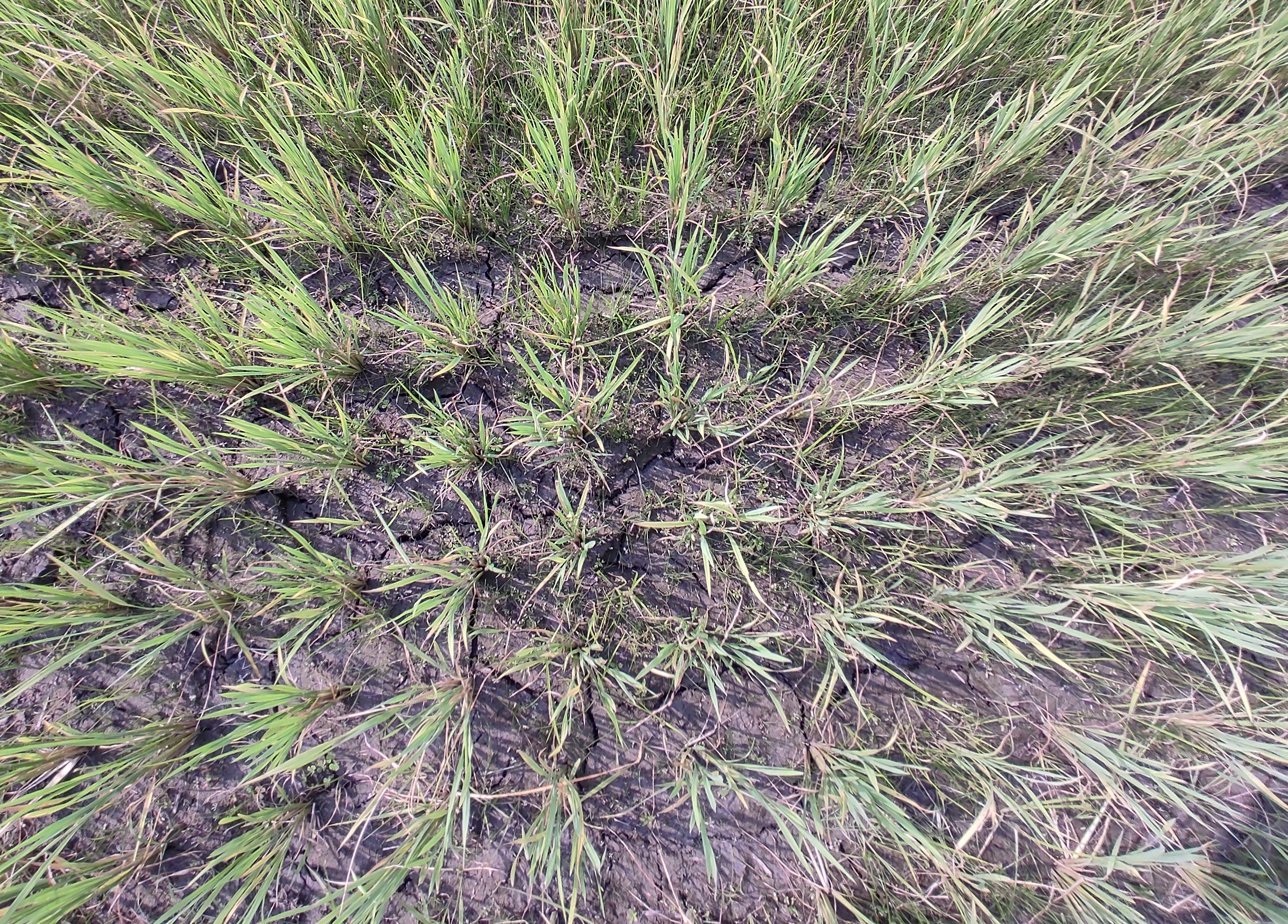
Success is the best example for new rice varieties
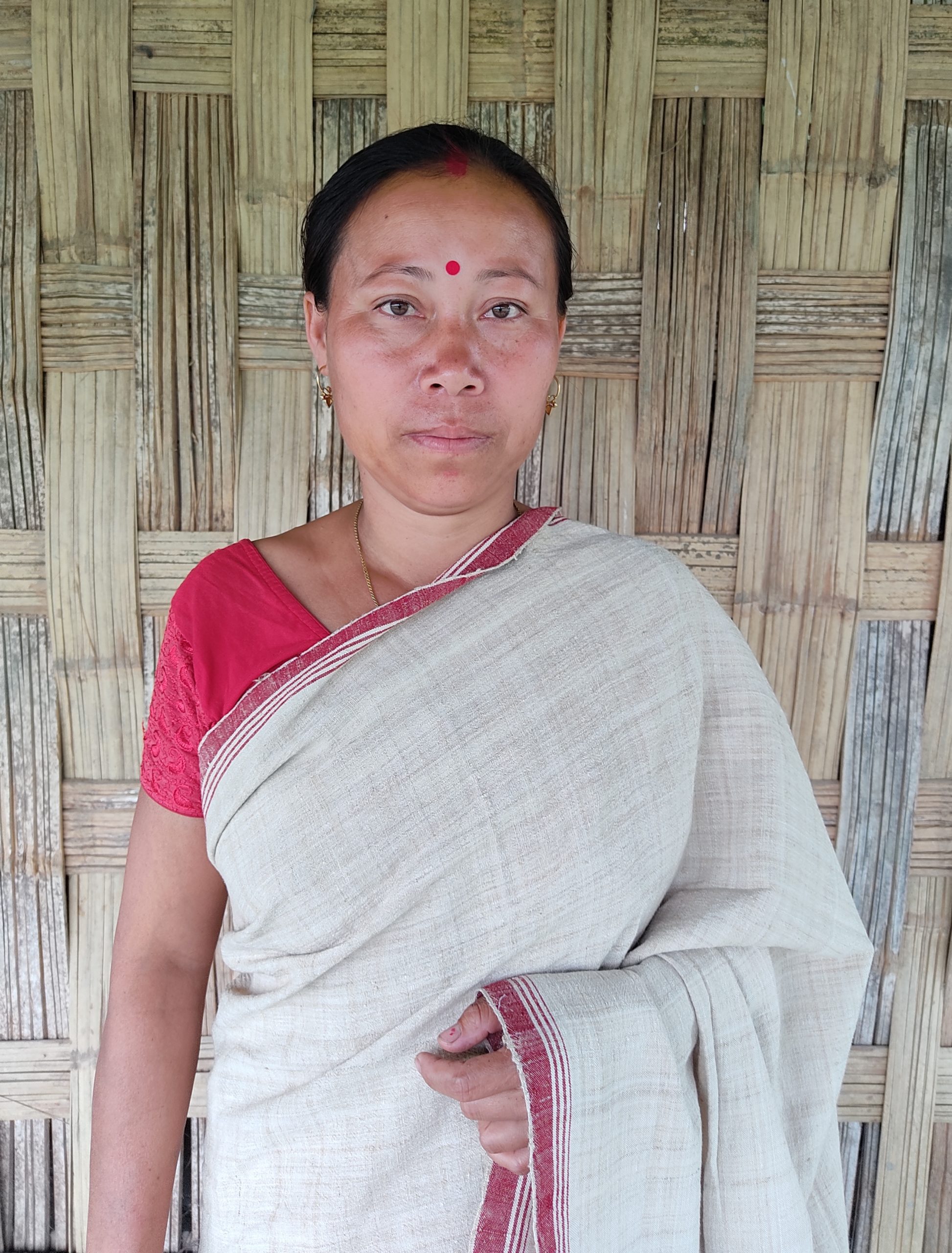
Ultimately, it is examples of success that are most convincing. Kanchan Pegu, from Majuli, doubled her income from 0.5 hectares of farmland after she adopted the new rice varieties and farming techniques. She uses organic fertilisers and pesticides that she produces at home, relying on the training she received.
Rajibur Rahman, deputy director of agriculture for Assam, said the success of Ranjit Sub-1 is demonstrated by its adoption. While he told The Third Pole that he does not have a record of how many farmers have adopted the variety, he said the flood-tolerant rice is being planted in over 80,000 hectares.
“The [agriculture] department recommends all farmers who are in flood-prone areas to opt for this variety,” he said. As floods become more frequent and unpredictable, new varieties of crops and techniques can be a lifeline for marginal farmers.
Chetia, the scientist from AAU, commented that more flood-tolerant varieties of rice need to be developed.