There was much discussion last month in Addis Ababa, Ethiopia’s capital, on the need to make global food systems more equitable. Yet at meetings like the Food Systems Summit, the role of gender equity in food security remains critically unaddressed. This is despite gender being at the very heart of malnutrition in the world’s most food-insecure communities.
The reality of this neglect is stark in the fishing communities of the coastal regions of Kenya and Madagascar, where I work with conservation organisation Blue Ventures.
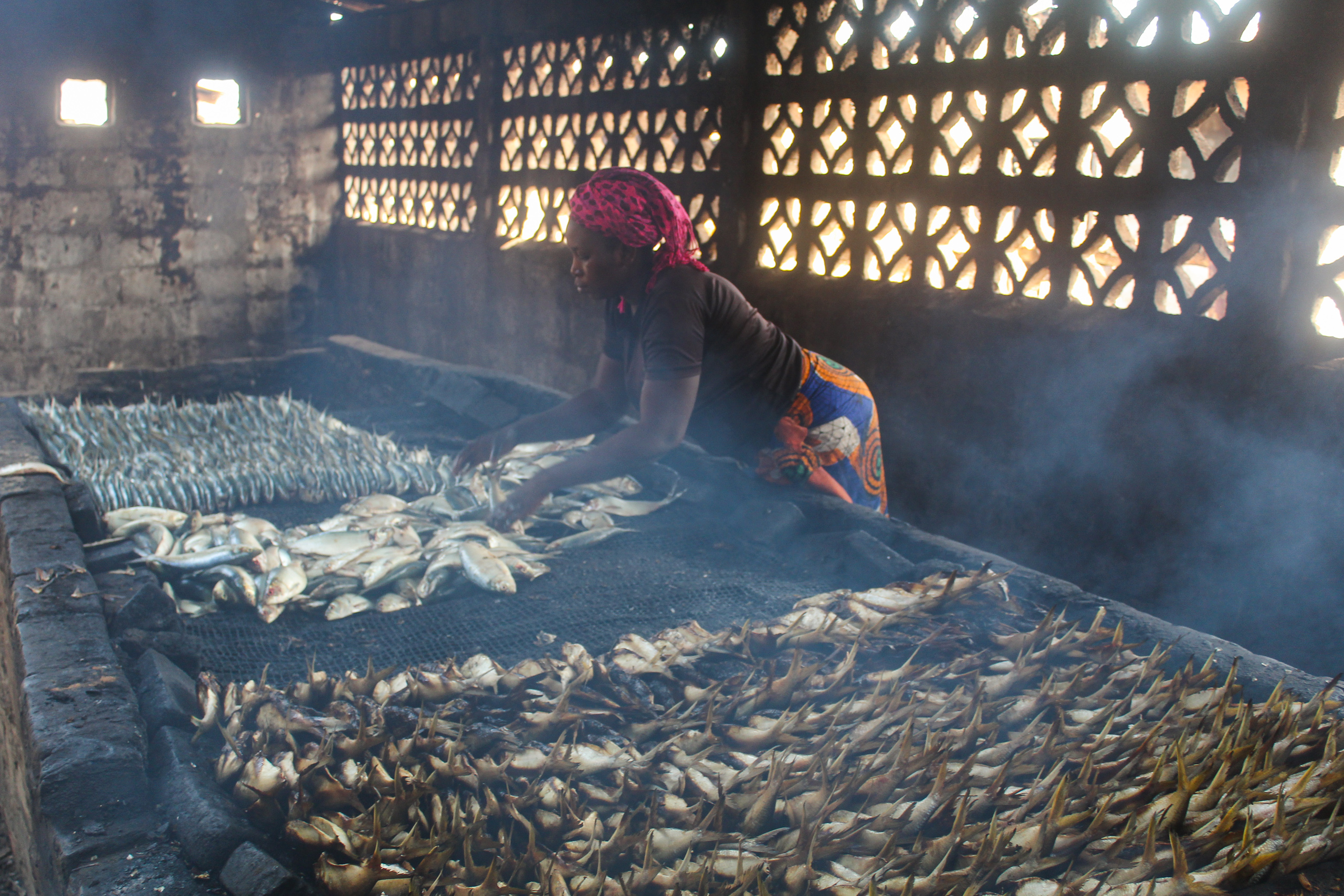
These communities depend heavily on small-scale fisheries for food and income. Women play vital roles, catching and processing fish, preparing meals, caring for families and maintaining household nutrition. Yet they are often also most affected by hunger and resulting poor health.
Gender inequity plagues fishing communities
In Madagascar, over 60% of the population experiences food insecurity and more than half lack adequate nutrition. The country has one of the highest rates of food insecurity and malnutrition globally. It is one of the most nutritionally vulnerable coastal nations, with 30% of the nutrient supply for its coastal populations dependent on small-scale fisheries. Gender inequalities exacerbate the issue: 38% of women of reproductive age are anaemic and more women than men are underweight, with serious consequences for their health and wellbeing.
Kenya’s coastal counties struggle with similar problems. Dietary diversity among women remains poor, with as low as 14% of them having consumed foods from at least 5 out of 10 defined food groups. This is despite the fact that fish caught by the country’s fisherwomen account for up to half of the fish consumed in some households.
In both Kenya and Madagascar, food insecurity is about inequity as well as supply. It is a matter of who gets access to food, who makes decisions about it and who eats last. Too often men get access and make decisions, and women eat the least.
Social norms and other barriers
Barriers to adequate nutrition are often invisible to those not embedded in these communities. Women have fewer opportunities to fish than men, have less access to equipment and, as a result, catch less. Their catches are smaller and less diverse, and their incomes are lower. These disadvantages are compounded by deep-rooted social norms that continue to define women’s roles narrowly as caregivers, cooks and supporters, rather than as decision-makers, breadwinners or economic contributors.
In Madagascar, despite legal frameworks that support gender equality in sectors like health and education, deep-rooted sociocultural norms continue to hinder women’s potential, including in small-scale fisheries. Men continue to dominate higher-paying, decision-making roles such as business owners, while women are relegated to informal, lower-value positions such as cleaning catches. These inequities are not isolated issues; they are systemic, and they directly shape who eats, how well and how often. The result is frequently women going hungry and eating less well.
So why is gender not at the forefront of global food security conversations? Because for too long, policymakers have treated food insecurity as a problem of quantity that can be solved by increasing production. In doing so, they have neglected the deeper, structural questions. Who controls the food that is produced? Who gets to eat it? And who gets left behind?
The route to progress
In the wake of this year’s Food Systems Summit, we must ask these harder questions. We must stop treating small-scale fisheries as a peripheral issue and instead centre them, and the coastal communities who depend on them, in our global food discussions. More specifically, we must recognise the crucial role that women play in these systems, and the systemic barriers that prevent them from accessing resources, participating in decision-making, and providing nutritious food for themselves and their families.
It is time for gender-transformative approaches. This means going beyond inclusion to actively dismantle the structural and social barriers that exclude women by ensuring they have agency and access to gear, training, nutrition knowledge and markets. They must be given a heightened, more equitable role in fisheries management and value chains. And they must be provided with the necessary authority to make decisions about food and income at household level.
These changes cannot happen without also involving men in the conversation on nutrition. Engaging men to be allies in addressing gender norms, and promoting joint decision-making in households, has shown promise in other nutrition-related sectors, such as health and agriculture. Fisheries should explore doing the same.
At Blue Ventures, we’ve seen firsthand how increasing access to knowledge, skills and leadership opportunities for women – from selecting and processing fish to community-based management – can transform household access to nutrition and strengthen local economies. But for these solutions to scale, they must be supported by policies and structural support. There must be more meaningful participation of women in fisheries activities.
The role of policy
Policy moments like the Food Systems Summit have a critical role to play. They need to go a step further than simply recognising the contribution of small-scale fisheries to food security and nutrition. They need to establish actual plans and policies that support coastal communities and the women so essential to their resilience and prosperity.
There needs to be a clear commitment to integrating gender equity into every layer of food systems policy. This means embedding the issue in fisheries management, financing women-led initiatives in coastal communities. Finally, it means measuring success not just by production, but by access and outcomes, especially for women and girls.
Ultimately, food security is not just about growing, catching or producing more food. It’s about ensuring that all people, regardless of gender or socioeconomic status, can access the nutrition they need to live healthy, productive lives. If we fail to confront the gendered nature of food insecurity, we will fail to build truly equitable food systems.