I was born in Kinigi, in Rwanda’s Musanze district, about 65 years ago, and it is still my home. I come from the Batwa community; we are very short people. There are about 400 of us, which makes us the smallest tribe in Rwanda.
We lived in the forests long before the government took them over, and we were known as their keepers. They meant everything to us. I did not even know what a school was. Like my parents, my brother and my two sisters, all I knew was life in the forest.
For many years we depended on bush meat to feed ourselves. We also gathered fruit. We are good hunters and got used to killing any animal we wanted.
I started hunting at the age of 15, mostly with arrows but sometimes with traps. I could not afford a gun. My friends liked me because no animal could escape when we met. As well as small creatures like squirrels, hares and porcupines, I killed at least 200 big animals such as bushbucks and buffaloes – maybe more. We sold some of the meat for small amounts of money that we used to buy things like maize flour to supplement our diet. When I got married, this helped me to feed my wife and five children.
See: 10 selfish reasons to save elephants
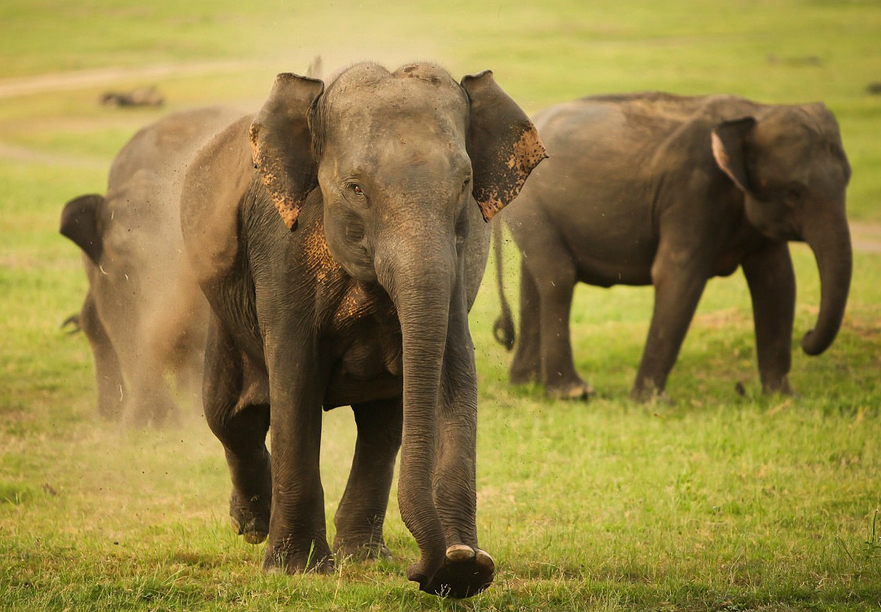
‘Sometimes we chanced upon “the big one” and it would chase us. And elephants are fast…’ (Photo: Tom Olliver)
Sometimes we chanced upon “the big one” – the elephant. This was dangerous because it would fight back and chase us. And elephants are fast. We were happy when we killed one since it would feed us for many days, but I only liked the heart and the liver. These are very soft and tasty.
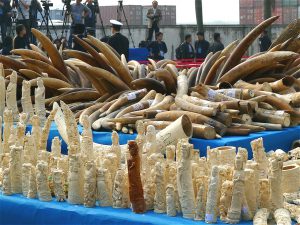
We would also trade the ivory for other foodstuffs. I hear some people made a lot of money selling ivory. But all the Batwa wanted was food, by whatever means.
I loved bush meat – it was always fresh. But it was also very tough, as you can see from the number of teeth I have lost. I used to think I was as strong as a lion but I was wrong.
One day the government came and told us that killing animals was illegal. Animals must be protected so that visitors could come and see them and pay money. This did not make sense to me. I only killed what my family and I needed to survive. I had been looking after the forest, although nobody had paid me for it. I could not understand how after 40 years it was now illegal to hunt animals. And so I carried on.
Was I a poacher? I didn’t think so
I was not the only one, and many of the other hunters were arrested and sent to jail. It was sad. How can you be locked up simply for eating your staple diet? However, I learned that some had been capturing baby gorillas and selling them to white people as pets. The government called us ba rushimusi (poachers). Was I a rushimusi? I didn’t think so.
Then, in 2004, Edwin Sabuhoro arrived, with the job of protecting animals in what was now the Volcanoes National Park. He was a clever man. He met 100 of us and said he wanted to help us get food without killing animals. Again, I could not understand how that would be possible. But he told us he had a plan. He had convinced the government not to jail us if tried another way of putting food on the table.
Edwin told us that he had saved some of his salary and that he was going to use the money to rent farms where we could grow food. We liked the idea, though we had never farmed before.
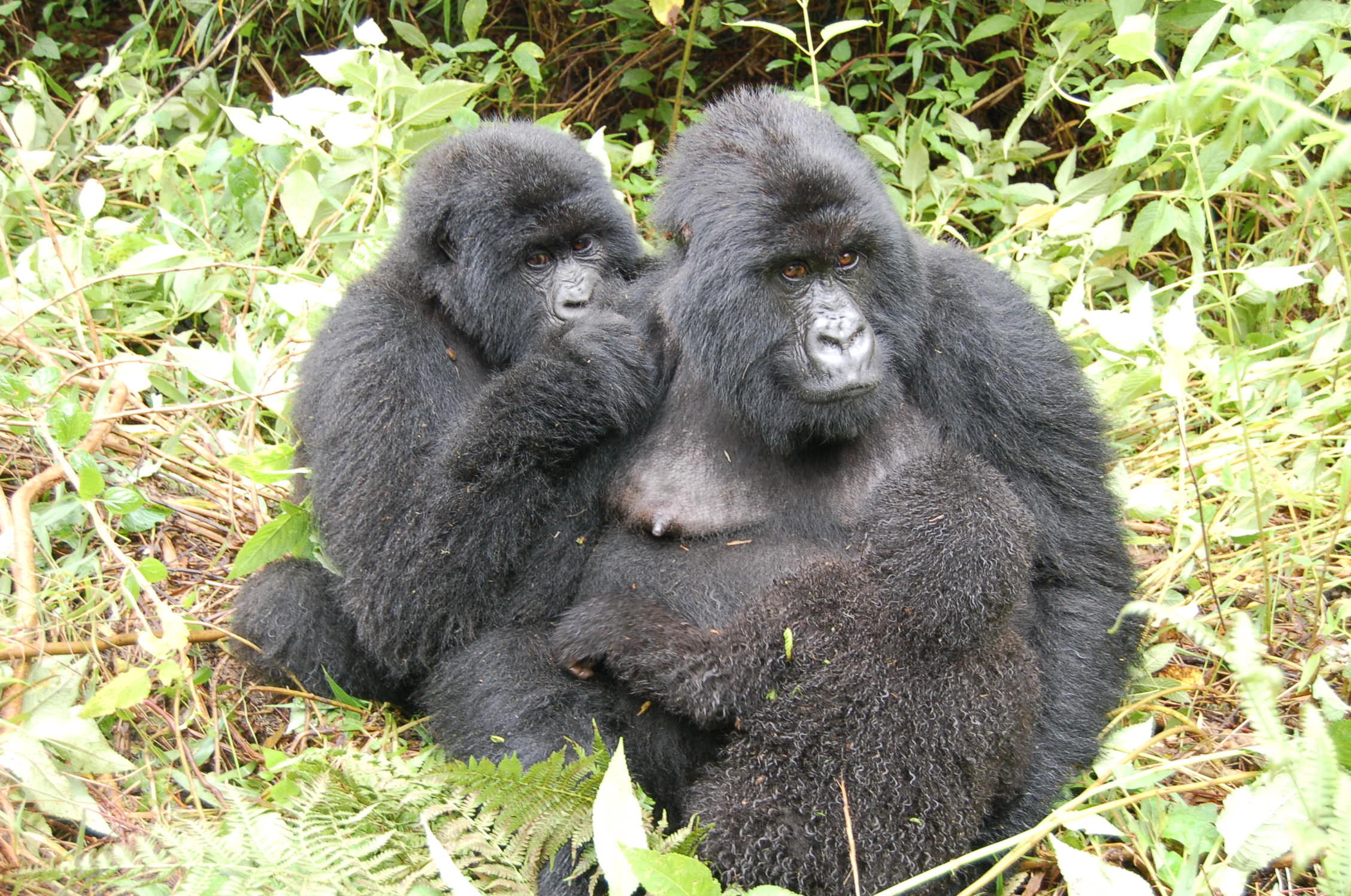
‘Now I try to hunt down anybody who wants to harm the elephants and gorillas and buffaloes.’ (Photo: IbyiwacuVillage)
I stopped hunting that same year. Within six months, we were producing enough potatoes, maize and wheat to feed ourselves – and a surplus to sell. When others in the forest heard about it, they came and joined us.
Two years later, Edwin helped us to establish the Iby’Iwacu cultural village, where we now entertain foreigners who come to Rwanda to see the gorillas. Tourists pay to stay here, and we sell our arts and crafts. We use the proceeds to preserve the same animals we used to kill.
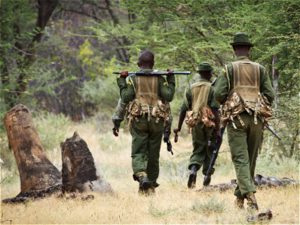
As well as accompanying tourists on gorilla tracking expeditions, I try to hunt down anybody who wants to harm the elephants and gorillas and buffaloes. I have not caught anyone yet – but nobody will hurt the animals as long as I live. I am ready to die to protecting them.
Being a rushimusi is bad. Anyone still killing animals in the forest should find another way to make a living. If I can, they can.
As told to Peter Muiruri. With thanks to Edwin Sabuhoro.
This is part of China Dialogue’s series on elephant The original version of this article appeared on the Guardian website and can be accessed here.