On the eve of International Migratory Birds Day, a glimpse of the birds of Pakistan through the lens of Mirza Naim Beg
Share this article
Copy link to page
Copy link to page
Republish this article
We encourage you to republish Dialogue Earth articles, online or in print, under the Creative Commons license. Please read our republishing guidelines to get started.
The Gadwal migrates in winter from Siberia. Mirza Naim Beg saw this one at a lake in Larkana, Sindh. Around 6,000 migratory birds congregated at this chain of lakes last winter, protected by the forest department, which also feeds the visitors (All images by Mirza Naim Beg)
In his floppy hat, flak jacket and carrying heavy equipment, Mirza Naim Beg looks a typical wildlife photographer. Only when you start talking to him do you find an ex-banker who took early retirement to follow his passion for the birds of Pakistan.
His previous incarnation firmly behind him, Beg is now known as the man who organises increasingly popular wildlife viewing tours across Pakistan. And ever since he was persuaded by a friend three years ago to join the FaceBook page Birds Of Pakistan, he has held three exhibitions, conducted wildlife photography workshops as well as lectures. “Now I maintain a page called Birds Of Sindh on FaceBook,” he says with pride.
“During these three years, many (people) in and around Karachi including Larkana, Mithi and Kathore who have long lenses, love wildlife and didn’t know where to go have joined me in helping raise awareness of our wildlife and focus on conservation. So far, I have recorded around 180 bird species of Sindh and above 200 across the country,” he tells thethirdpole.net.
Threats to Pakistans’ birds
Beg is worried about the threats humans pose to the birds. “Threats to our wildlife include the burgeoning human population, boom in real estate development, uncontrolled hunting of game birds like Grey Francolin, migratory birds and trigger-happy hunters shooting during the breeding season, netting and sale both for meals and business,” he says. “Loss of habitat has been predominantly due to the real estate expansion in places like DHA phase 8 of Karachi, where I have recorded more than 30 bird species that will not be there in years to come.”
Here is Beg’s own selection of Pakistan’s birds photographed by him.
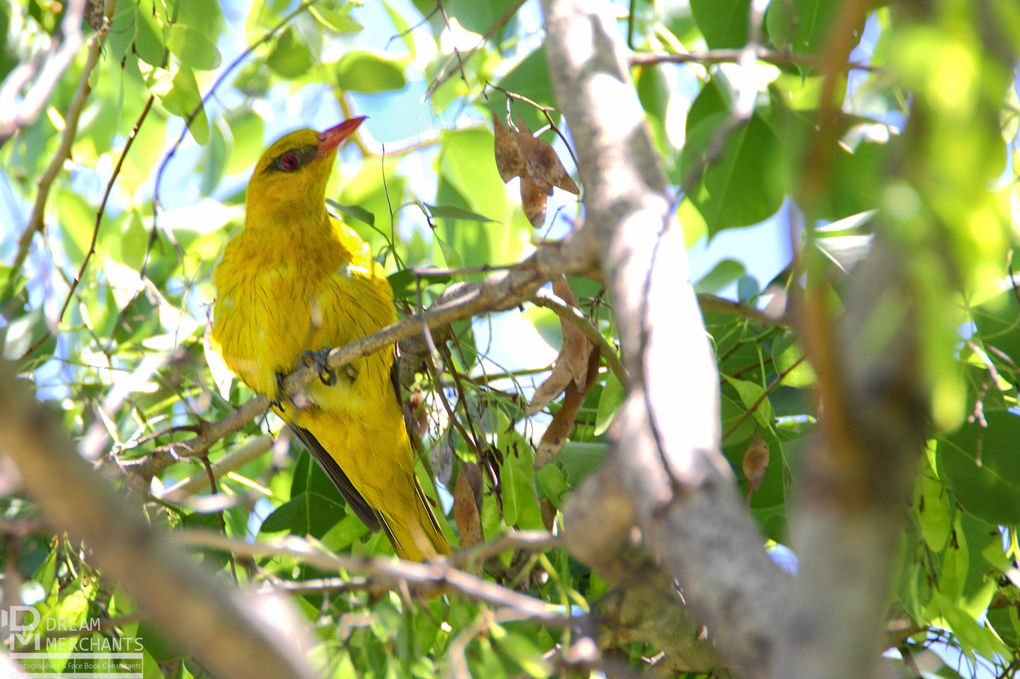
The Eurasian Golden Oriole is a summer migrant to South Asia. This bird was photographed on an unusually hot June day in Kallar Kahar in Pakistan’s Punjab province. Eurasian Golden Orioles have also been spotted at Kathore near Karachi, and are expected to continue visiting this part of the world unless forests are wiped out completely
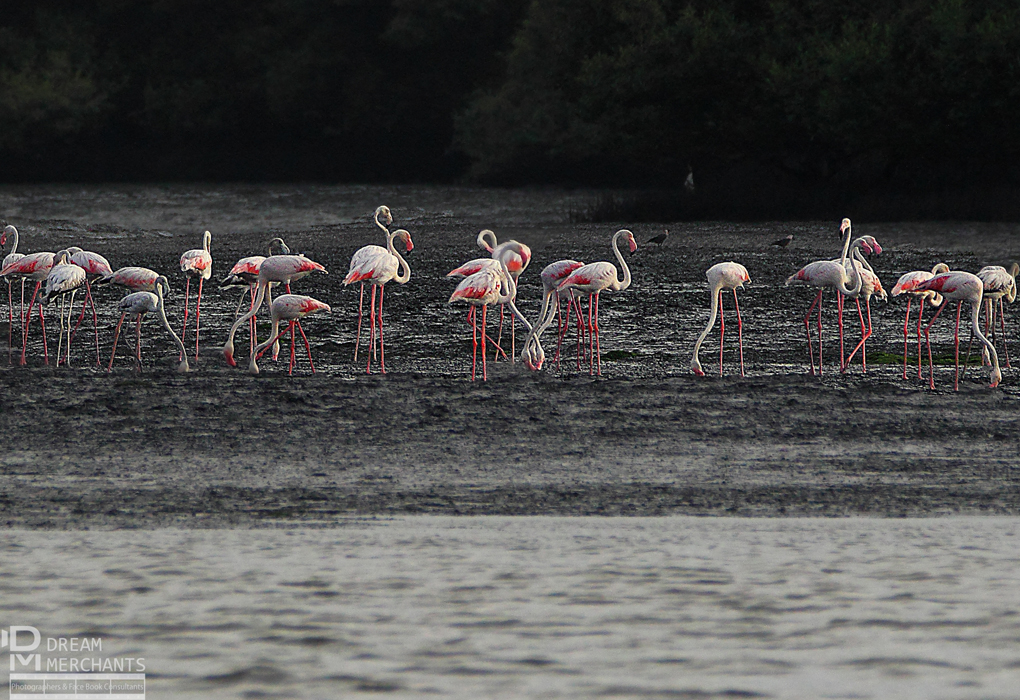
This flock of Greater Flamingos was photographed at Port Qasim in megacity Karachi. They are residents, and their number jumps from June to the end July when they start breeding. This photograph, taken around three years back, launched Beg into wildlife expeditions. Unfortunately, the large number of factories coming up around the port will pose a serious threat to the birds as polluted fumes are being spewed out daily and the mangroves in the area are in danger of being lost. Greater Flamingos eat shrimp from the creek, which gives them the pink tone
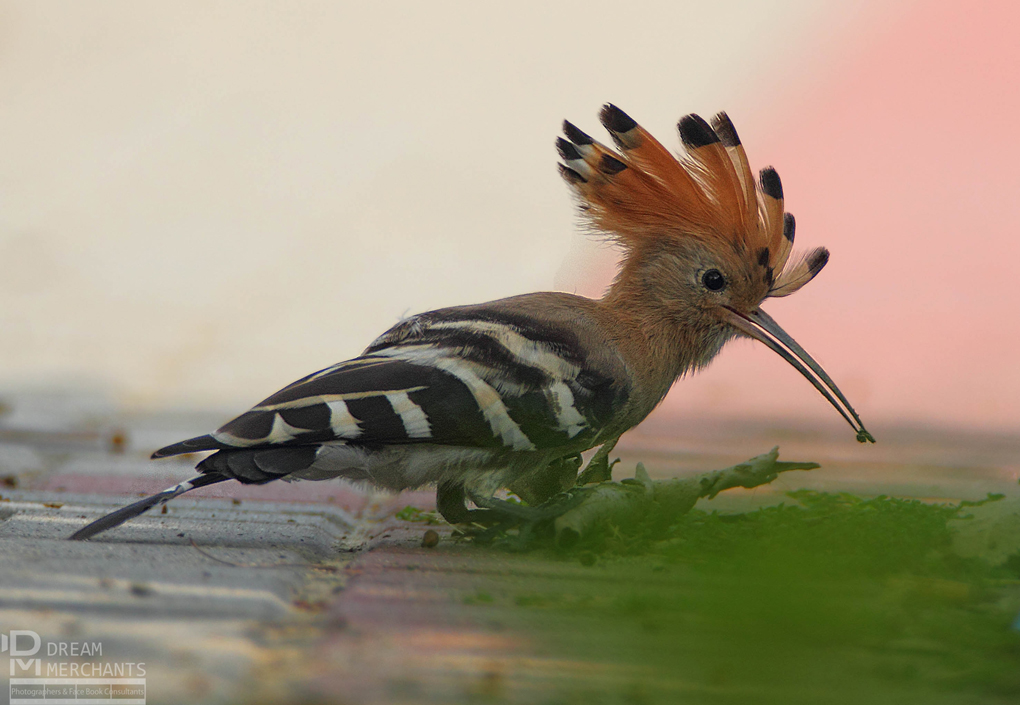
Locally known as Hud-Hud, the Hoopoe was once a common sight in cities. They are internal migrants – wintering in Sindh and breeding in northern Pakistan in the summer. But now their population is on the decline due to loss of habitat. They are also victims of a strange myth – some faith healers use the Hoopoe’s beak as a pen’s nib to write ‘taaviz’ (amulet)
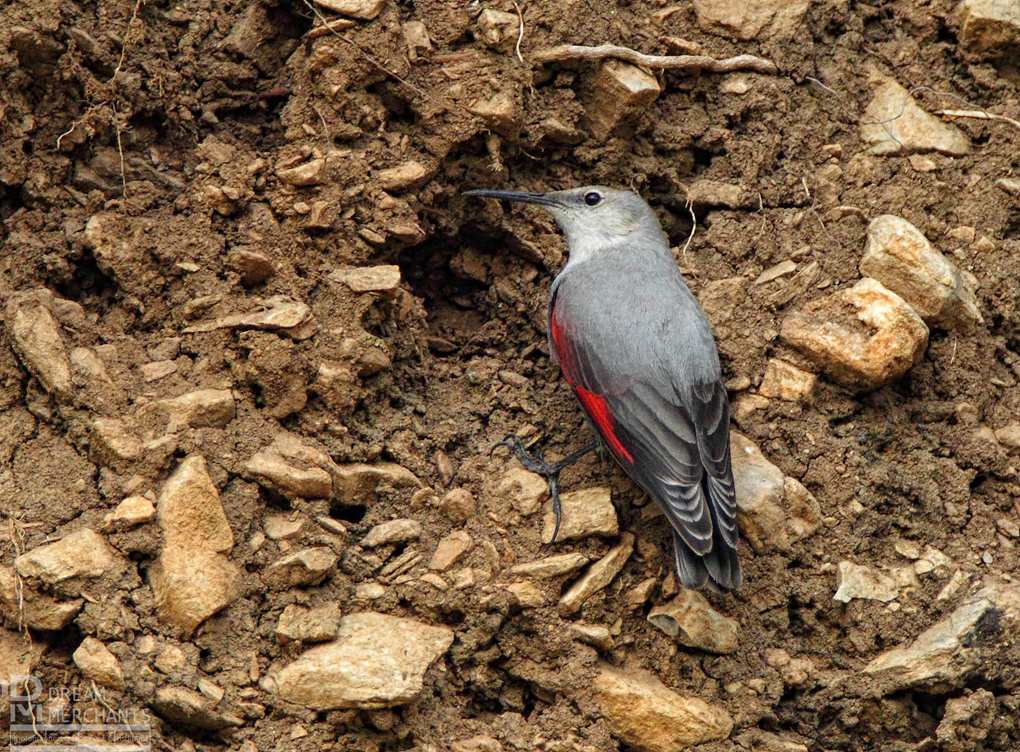
Another internal migrant, this Wallcreeper was photographed at Margalla hills near Islamabad last December. They come down from the high Himalayas every winter. The wonderful habitat of Margalla is under threat from new housing schemes. Birders in Islamabad are protesting and trying to limit this invasion
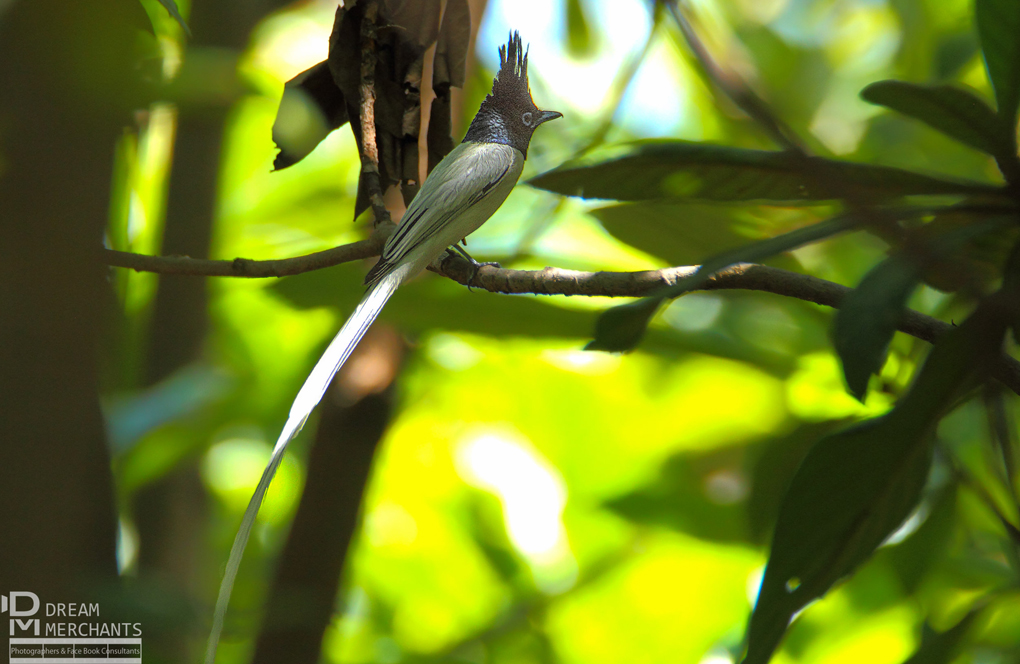
One more summer migrant, the Asian Paradise Flycatcher travels from southern India to the cooler foothills of Pakistan’s Punjab and Khyber Pakhtunkhwa provinces. This male bird was photographed in Kallar Kahar, Punjab, in June. The female is brownish with a smaller tail
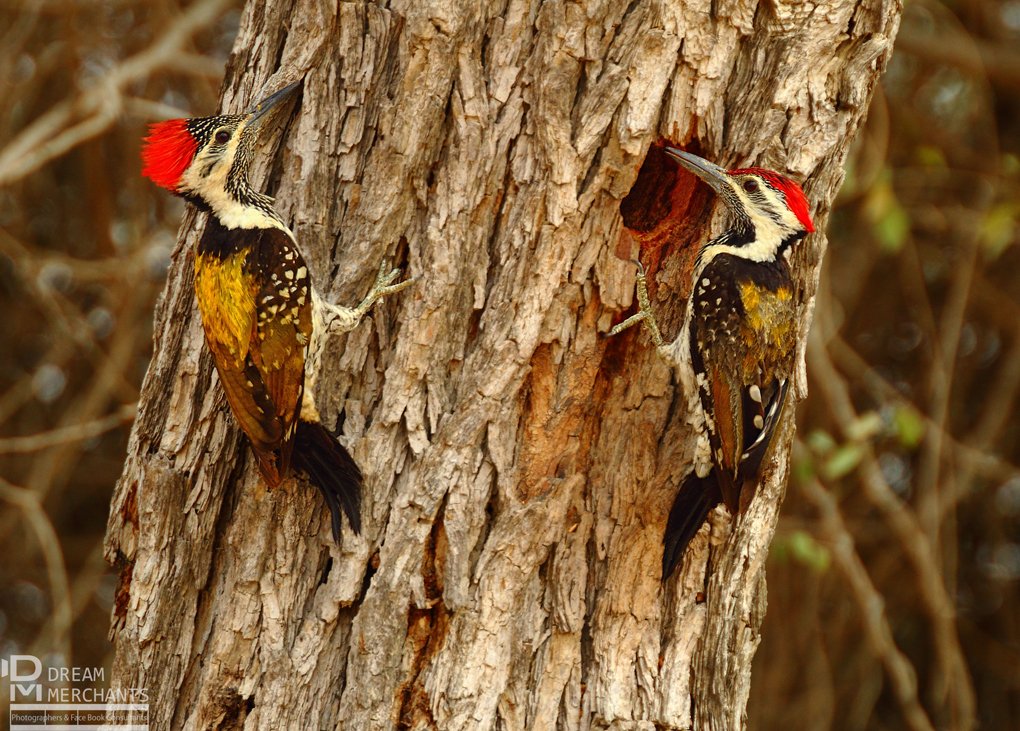
These Black Rumped Flameback Woodpeckers were building a nest off the Super Highway from Karachi to Hyderabad in Sindh, only about 20 km from the Karachi toll plaza. Beg has seen this bird in Mirpur Sakro and Haleji lake of Sindh as well
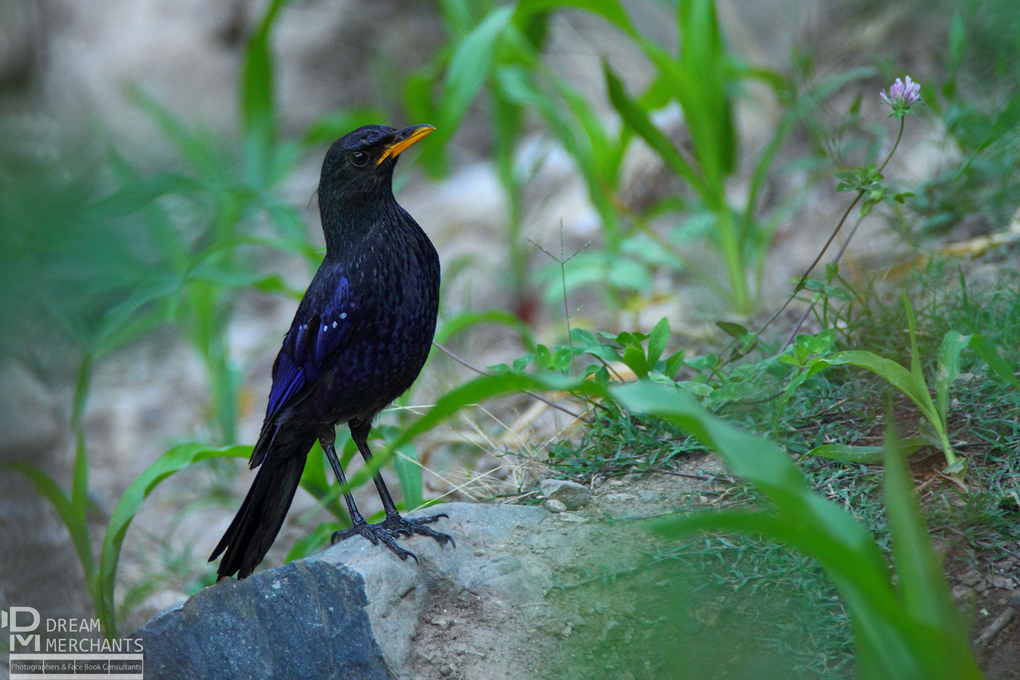
The Blue Whistling Thrush is a resident of Kashmir, where Beg photographed this bird on a riverbank
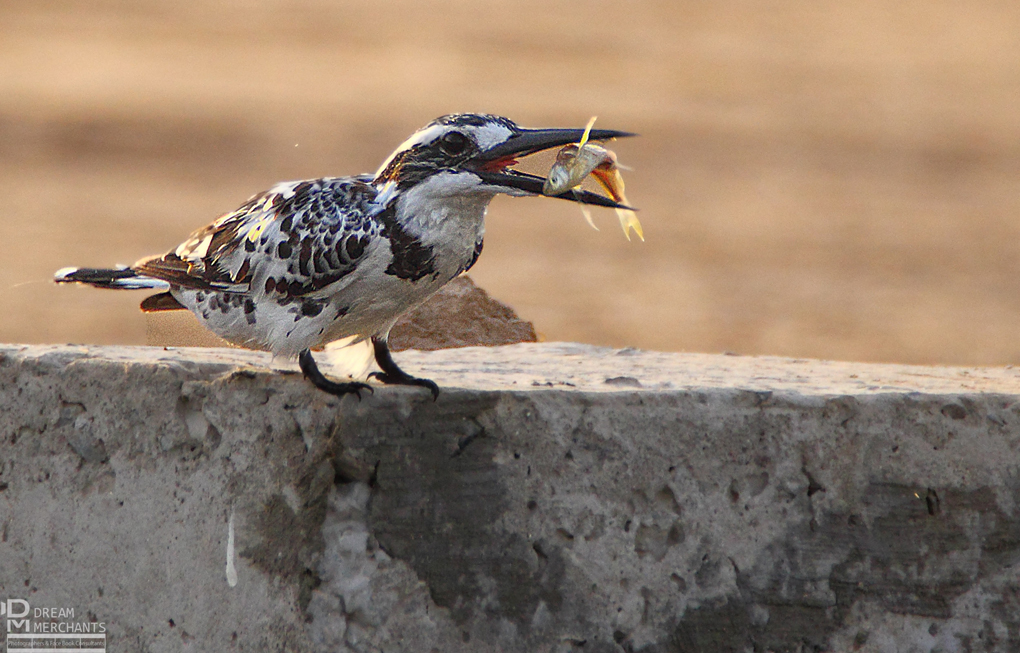
It is real fun to watch a Pied Kingfisher at work, Beg says. In Bhalwal, Sargodha district, he watched this bird hover over a small pond and then make a vertical dive on the target. Once he got the fish he sat and chewed for few moments, throwing it into the air and then swallowing it. There are four kinds of kingfisher in Pakistan – Pied, White Throated, Common and the rare Crested kingfisher. They can be seen all over the country, wherever there are ponds, rivers or canals
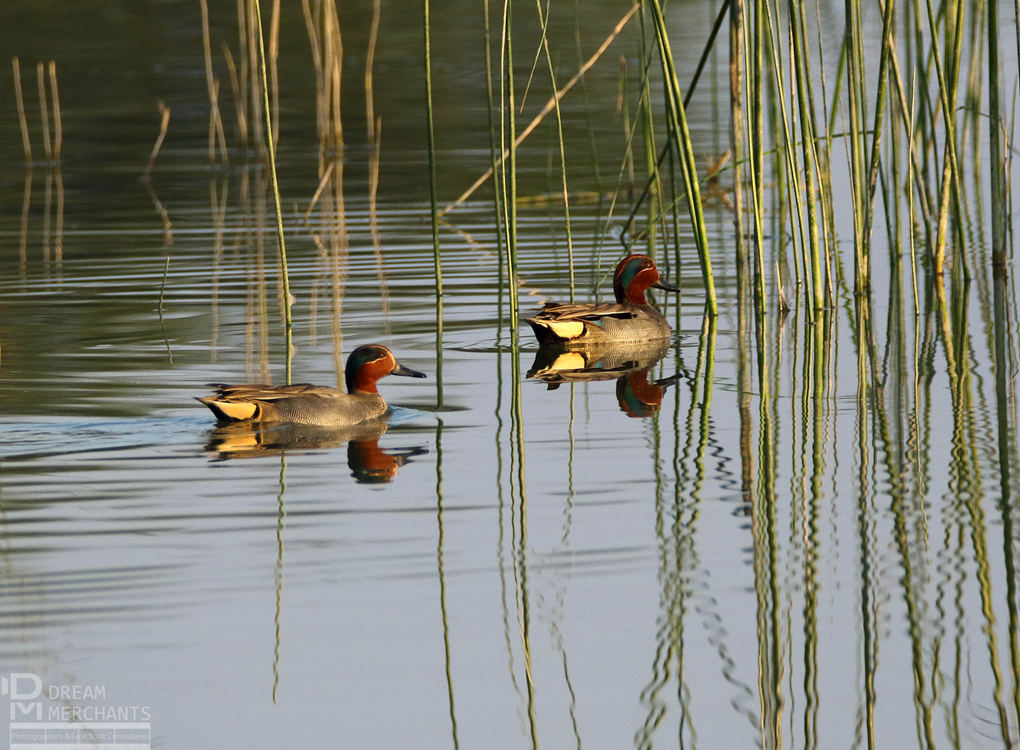
Common Teals are common winter visitors, migrating from Siberia to South Asia. These birds were photographed at a lake in Tando Mohammad Khan, Sindh, in late February. Very often, these birds are prey to hunters with guns or nets, including those without hunting permits