Voluntary support from social, political and religious organisations has helped authorities in the Himalayan state of Jammu & Kashmir to put an abrupt end to illegal encroachments upon ecologically sensitive areas during the current ongoing bout of political violence – the entire Kashmir Valley has been on the boil following the killing of militant Burhan Wani in early July.
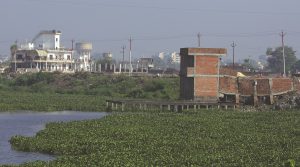
During earlier bouts of political violence in 2008 and 2010 – marked then, as now, by strike calls, curfews and clashes between government forces and protesters – hundreds of illegal encroachments had come up around sensitive environmental zones like Dal Lake in the state’s winter capital Srinagar and in Pahalgam. There had been a massive jump in illegal tree felling and timber smuggling.
This time, civil society appears to be aware that Kashmir’s environment suffers when the focus shifts to violence. Political and religious leaders as well as civil society activists have promptly issued statements urging environmental protection. In some areas, they are personally involved in protecting forests and water bodies.
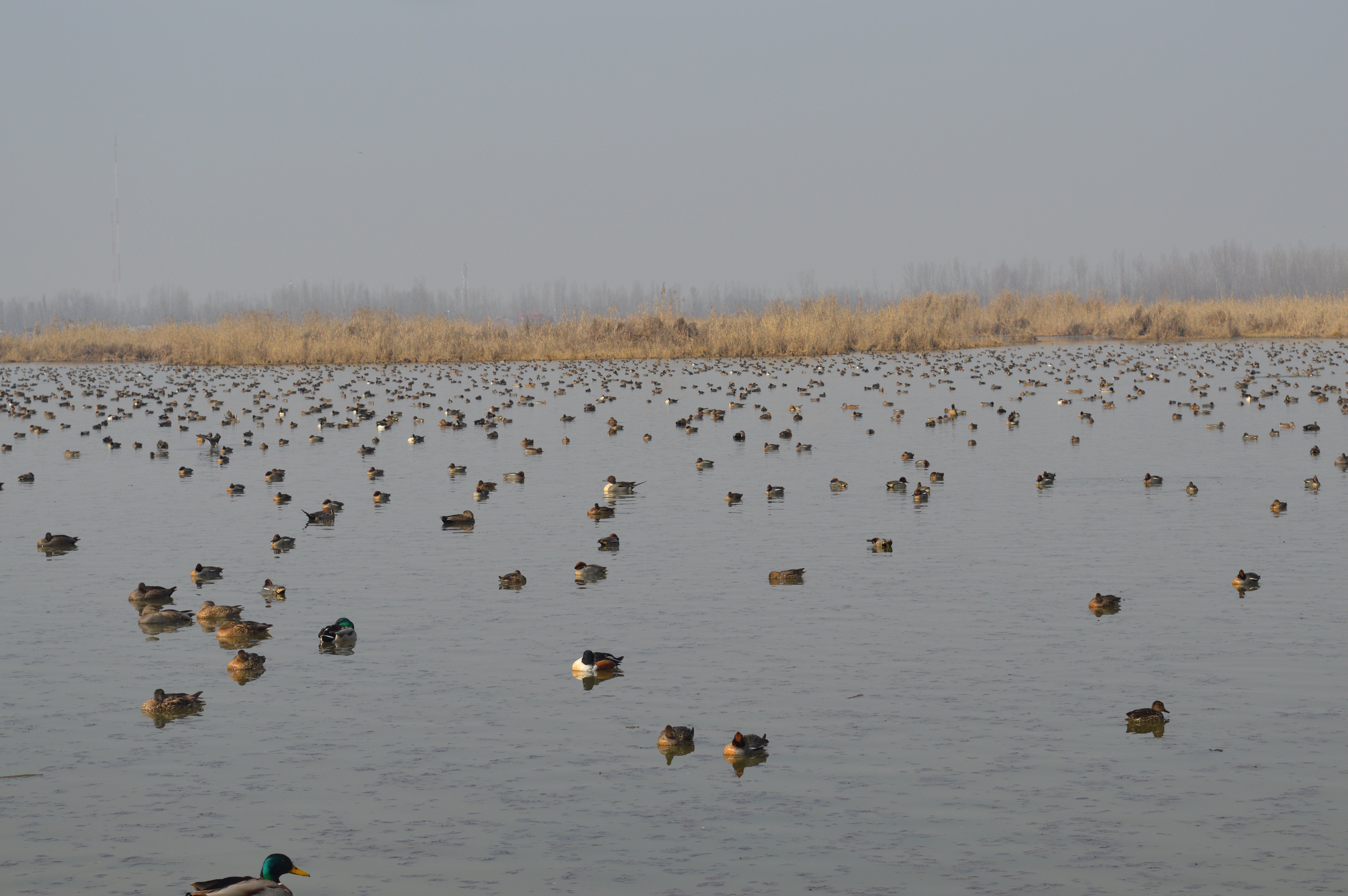
This time too, shortly after violent protests started, there were reports of encroachments in Dal Lake and illegal structures in ecologically sensitive Tosa Maidan and Dodapathri. Almost at once, prominent Kashmiri politician Mirwaiz Umar Farooq issued a strong statement asking the encroachers to stop their activities forthwith.
“The reports of unauthorised and illegal constructions, coming up at various places especially on the Dal [Lake] are a cause of concern. We warn such people to stop their activities forthwith,” read Mirwaiz’s statement, issued on August 2. It was published in all Srinagar-based and several New Delhi-based newspapers.
Civil society members and religious leaders in Srinagar and many villages later assured government officials of full cooperation in dealing with encroachers and timber smugglers.
“As soon as the current turmoil started, we received reports from various areas around Dal Lake that people were encroaching upon the land belonging to Dal Lake,” Nissar Ahmad Malik, secretary of the Lakes and Waterways Developing Authority, told thethirdpole.net.
According to Malik, officials demolished 45 illegal structures around Dal Lake within a few days. “Those who had thought that they would get away with such illegal actions had to be taught a lesson that their acts would only bring them loss and disrepute,” he said.
According to a paper, Impact of Urban Land Transformation on Water Bodies , Dal Lake has shrunk from 2,547 hectares in 1971 to 1,620 hectares in 2008. “This is why people are worried; and this is why we have to adopt zero tolerance for any further damage,” Malik emphasised.
See also: The disappearing water bodies of Kashmir
An official who was part of the demolition exercise said that the statement issued by Mirwaiz and the support from local civil society members “certainly bolstered our confidence” as it meant the entire society was against those who were damaging the environment for their personal interests.
“During the 2010 unrest, when we would go to demolish any illegal structure, the encroachers would chase us away saying we were doing it for minting money. Nobody used to come to our rescue. But, thankfully, it has changed now,” the official, who did not want to be named, told thethirdpole.net.
Communities protecting forests
Irfan Rasool, Divisional Forest Officer (DFO) in Bandipora in Kashmir valley, said local community leaders in areas like Kenusa, Ashtengo and Chandaji were teaming up with forest guards to protect the forests, “as some unscrupulous elements find it easy during unrest to smuggle timber from forests”. Similar reports came from Budgam and Kupwara districts.
“Even we had the religious leaders announcing during Friday prayers [which witness large gatherings] that all the people should see to it that the forests are protected from timber smugglers,” Rasool told thethirdpole.net. “This is why our employees feel no threat. They enjoy the support of the people.”
An old problem
In the beautiful Kashmir valley, environmental problems have been traced to the partitioning of the Indian subcontinent into India and Pakistan in 1947 by scholar Jennifer Crook. In a research paper, “War in Kashmir and its effect on the environment“, Crook wrote that the deployment of Indian and Pakistani armies in Kashmir in 1947 led to large scale poaching of rare species such as Ibex, Blue Sheep, Urian the big-horned sheep, antelopes and Snow Leopard.
“At first, the soldiers were killing the animals for food but when the poorly paid soldiers realised how valuable the animal furs and skins were in the international markets, they started to slaughter the Kashmiri animals with much greater zeal,” wrote Crook. “The consequence has been that some of the rare species like the Snow Leopard, Flying Squirrel and Long Tailed Himalayan Marmot have been pushed to being on the verge of extinction.”
Armed conflict returned to Kashmir and its fragile environment in 1989. Forests started to get denuded, water bodies began to be filled for buildings and wildlife came under threat.
According to senior officials of the district flood control departments in Anantnag and Pulwama, most encroachments on the banks of River Jhelum – Kashmir’s lifeline – came up between 1990 and 2005, when the violence was at its peak. Forests were denuded all over the valley, especially in Baramulla, Budgam, Kupwara and the southern districts. Over half a million full-grown trees were cut down in a single forest from 1990 to 2010, according to villagers in Sitaharn in Budgam district.
As the residents of Kashmir endure another protracted period of political violence, they are hoping that the environment will be spared this time.