1 February 2023 marked the second anniversary of the military coup in Myanmar. Since then, an estimated 2,960 people have been killed and more than 17,600 arrested. With the country’s economy in freefall, hundreds of thousands of people are struggling to find basic supplies such as food and fuel.
In the wake of the coup, several nations – including the United States, Canada, Australia, and the United Kingdom, as well as the EU – imposed economic sanctions on Myanmar which target the country’s lucrative timber industry due to its ties to the military. These have effectively banned international trade in Myanmar timber to these markets. But research conducted by the UK-based NGO the Environmental Investigation Agency has found that imports of Myanmar teak into the United States have continued to flow – mostly to make superyachts for the world’s ultra-rich.
This illicit teak trade is generating revenue for the Myanmar military, which is committing human rights atrocities against its own people. The United States government must act to fully enforce its sanctions and stop the international flow of blood timber.
International sanctions on Myanmar
On 2 February 2021, the Myanmar military established the State Administration Council (SAC), which took control of all the country’s executive, legislative and judicial powers.
Waves of international sanctions followed, designed to target the assets of those behind the coup. The United States was the first nation to respond, enacting Executive Order 14014 on 10 February 2021 and sanctioning many individuals and entities in Myanmar controlled by or linked to the military. The UK and EU followed, implementing financial sanctions on 18 February and 22 March respectively.
Among the targets of US, EU and UK sanctions is the state-owned entity Myanmar Timber Enterprise (MTE), due to its continued links to the junta. MTE is responsible for the auction and sale of the country’s timber onto the international market. These sanctions therefore created a de facto ban on the purchase and import of all Myanmar timber into these markets – including valuable teak.
The world’s most desirable teak
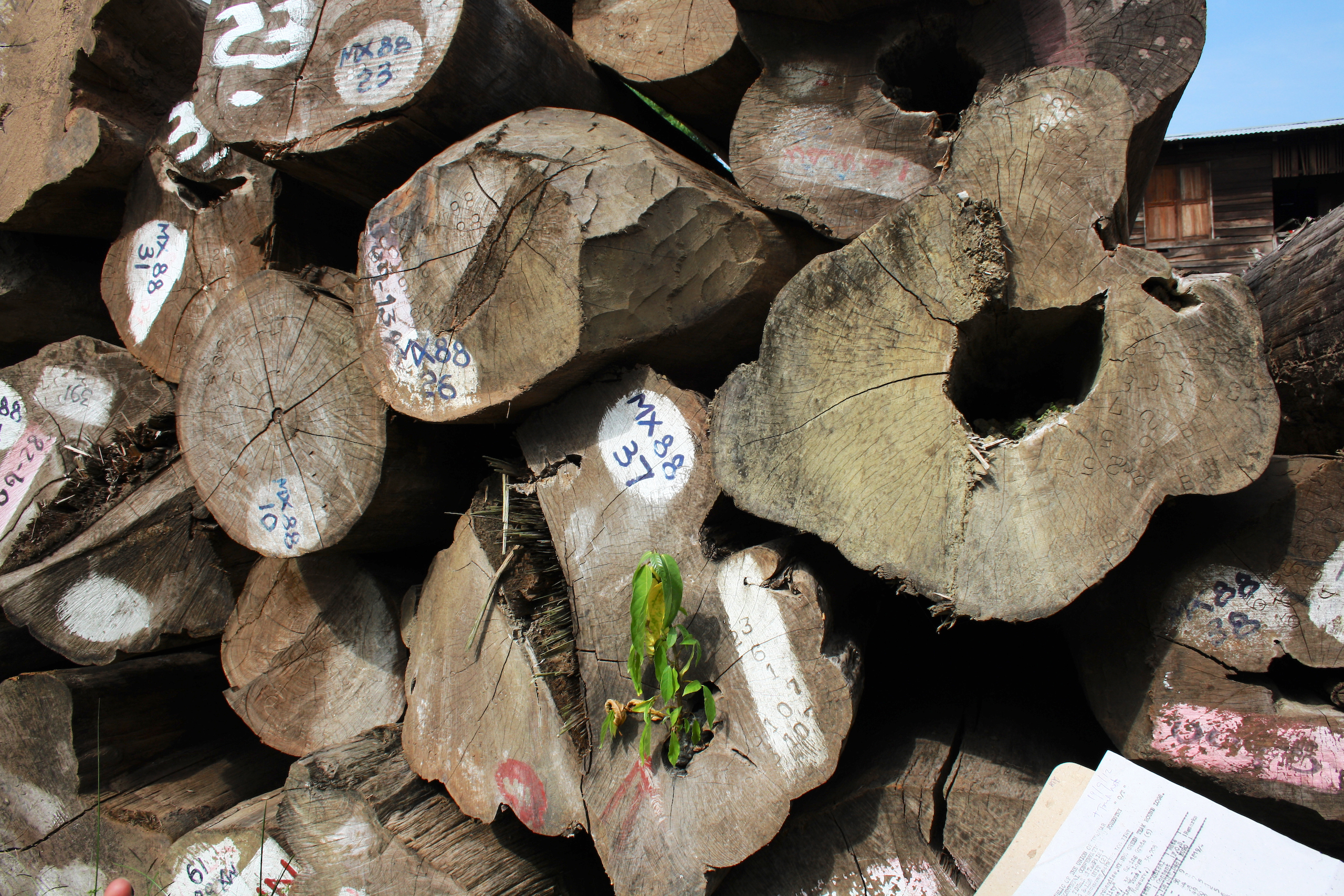
Teak is a globally endangered hardwood tree species native to South and Southeast Asia. Myanmar’s forests contain around 50% of the world’s naturally occurring teak trees, and these forests support rich biodiversity as well as acting as carbon sinks. But after decades of overharvesting, Myanmar’s forests are disappearing – between 2001 and 2021, tree cover in the country decreased by 10%.
Teak from Myanmar’s forests – as opposed to teak grown in plantations – is regarded as the best in the world. The particular growing conditions intensify the qualities for which is it sought after: a high silica content, densely compact grain and high tensile strength, making for a naturally insect-resistant, weatherproof, easily worked timber with a non-slip surface.
These properties make Myanmar teak the preferred material for decking, furniture and flooring of yachts. Meanwhile, its dwindling supply makes it an increasingly exclusive natural resource, in turn driving demand for its use, particularly for construction of superyachts. Superyacht owners want to be among a handful of individuals who can claim their yacht decking is made of the finest quality Myanmar teak.
The Environmental Investigation Agency believes Myanmar teak is still entering the yacht-building market
Back in 2016, the Environmental Investigation Agency found that 1,278 pieces of Myanmar teak – at a cost of EUR 174,750 – were installed onto ‘Sailing Yacht A’, belonging to the Russian oligarch Andrey Melnichenko. Work is reportedly nearing completion on a superyacht said to belong to Jeff Bezos, founder of Amazon. Valued at GBP 420 million, it is set to be one of the largest sailing yachts ever built – and the website Boat International has reported that the superyacht has been built with a teak deck. While the builders of the yacht, Oceanco, say that all the teak they use is legally sourced, the Environmental Investigation Agency has serious concerns about implementation of legality and traceability standards, and believes Myanmar teak is still entering the yacht-building market.
Sanctions on Myanmar teak imports flouted
All teak that has been sold internationally since 1 February 2021 has generated funds that have gone directly to the Myanmar military. And any transfer of funds to MTE by US traders in exchange for teak after 21 April 2021, when MTE was listed, will have been in breach of US sanctions.
Yet research conducted by the Environmental Investigation Agency has found there has been no tailing-off of the trade of Myanmar teak to the US; rather, the volume of teak shipments has increased since sanctions were put in place. The trade database Panjiva shows that in 2022 alone, the US imported about 1,500 tonnes of teak from Myanmar. Clearly, sanctions have been no deterrent for US teak traders.
The world of teak is a small one, with only a few players responsible for the majority of imports into the US. Many of these traders have been working in the industry for decades and have formed long-term relationships within Myanmar. They are well aware of the situation in the country, and of the fact that purchase of teak from Myanmar is prohibited.
The Environmental Investigation Agency has discovered, via trusted sources, that US traders are seeking to circumvent sanctions by claiming there has been no transfer of funds to MTE since 21 April 2021. Meanwhile, traders have encouraged their customers to get their hands on as much Myanmar teak as possible while they can – which is mirrored by the levels of imports into the United States.
The Environmental Investigation Agency has supplied US authorities with information on teak shipments and the traders involved. The sanctions are clear – there should be no imports of Myanmar teak into the US. Surely, stopping teak from being imported into the country should be an easy task, and one that would show the world the US is serious about stopping brutal military regimes?
Sanctions against the Myanmar junta will have little effect unless they are enforced. As conflict rages on in Myanmar, US teak traders will be complicit in the destruction of both innocent lives and crucial forests, all for the sake of supplying their customers with teak decking.
It remains to be seen whether the US government will practice what it preaches and lead by example in enforcing its sanctions and stopping the flow of blood timber.