Next year marks the beginning of what the United Nations hopes will be a pivotal decade for the global ocean. The UN is mounting a massive operation to try to raise awareness of the many problems it faces, and to harness the scientific research needed to solve them.
Called the UN Decade of Ocean Science for Sustainable Development, the campaign has been in the planning stages for some time. Much remains to be finalised – not least the formal choice of which specific issues to address, and finding ways to do so. But last month, the project kicked off by publishing its first call for ideas for programmes, projects or activities that could be carried out under its banner.
The project’s motto is “The science we need for the ocean we want”. By 2030, the UN expects the world to have more of both. But what exactly will the ten-year campaign do – and how?
The person best-placed to answer that question is Vladimir Ryabinin, a Russian marine scientist who serves as executive secretary of the IOC. That’s not the International Olympic Committee, as Ryabinin feels duty-bound to tell people, but the lesser-known International Oceanographic Commission. It’s part of UNESCO, the arm of the UN that handles education, science and culture.
Historically, science has been based on curiosity and discovery. Now the world needs science that is oriented and practical and focused on solutions.
“Basically the ocean is in big trouble,” Ryabinin tells China Dialogue Ocean. “The only ocean we can afford to have in the future is one that is scientifically managed. Historically, science has been based on curiosity and discovery. Now the world needs science that is oriented and practical and focused on solutions.”
The blueprint for the project starts with how it wants to finish. By 2030, the organisers want to have made possible significant progress towards:
– identifying and removing sources of ocean pollution
– mapping and protecting marine ecosystems
– ensuring the ocean is harvested in a sustainable way
– protecting people from ocean hazards
– building capacity to understand and predict ocean conditions
– opening up access to ocean data and technologies
Much of this will be made possible, the UN says, by investment in open sources of data, information and technology.
“The scale is huge but it’s a once-in-a-lifetime opportunity. It’s probably the largest campaign in the history of natural sciences or social sciences,” Ryabinin says.
He has been trying to drum up support for the idea – and funding. On 16 October, for example, he presented details on how the project could help promote better global ocean governance at a meeting in Shenzhen, China. Called the International Cooperation and Development Forum on Marine Economy 2020, the event was focused on the 65% of the surface of the oceans that are beyond the reach of national systems of governance and surveillance. These regions of the high seas are rich in biodiversity and resources and play a critical role in oxygen production and carbon storage. Yet they are subject to overexploitation, pollution and degradation.
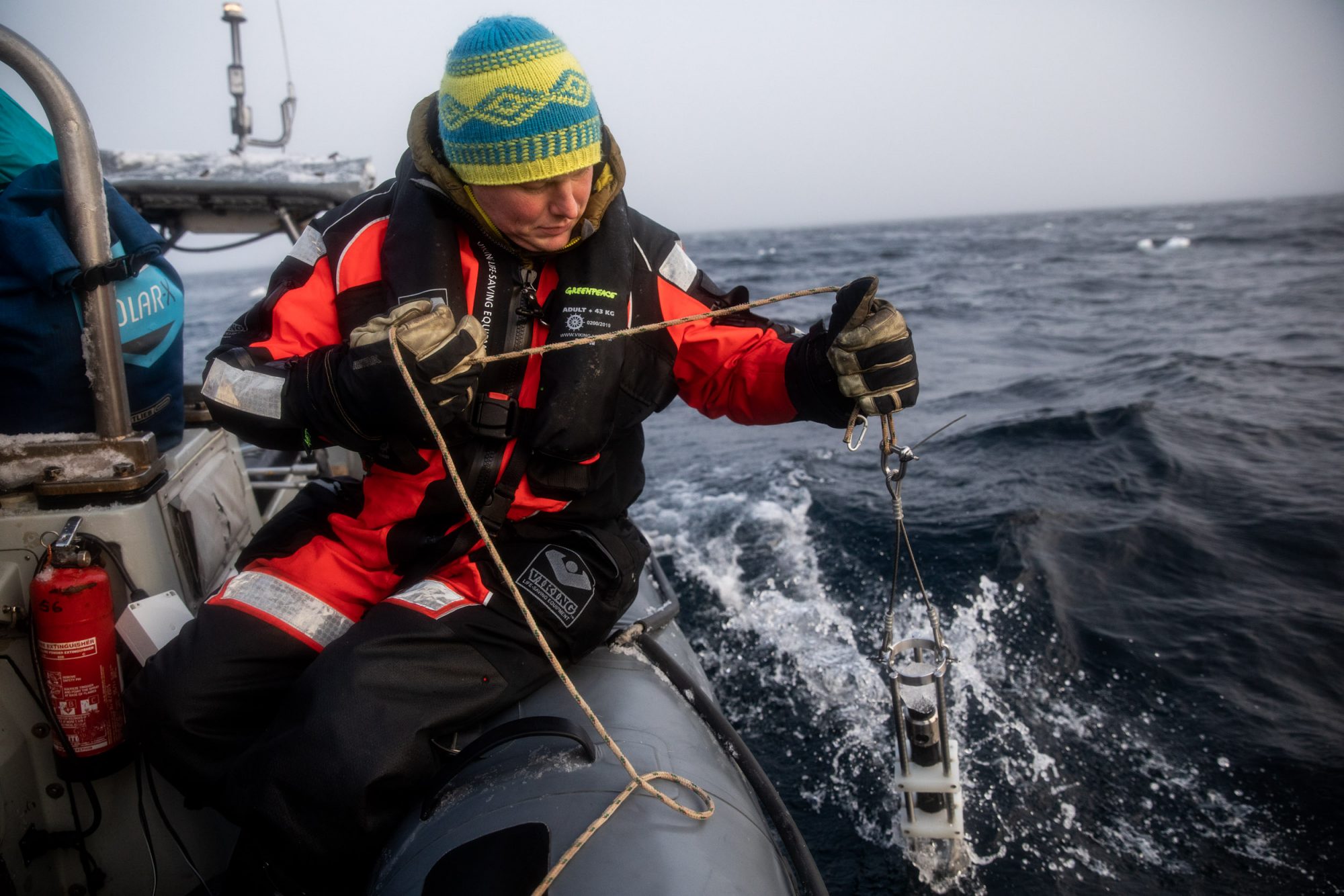
One way to manage and conserve these international waters is to set up marine protected areas, Ryabinin says. To establish more such zones is one of the explicit goals of the UN’s decade project. Others include early warning systems for tsunamis, coast and fisheries management, and better planning systems to encourage aspects of the “blue economy” such as offshore wind power generation. Other important aspects of the project are to boost and build national capacity in countries that have not traditionally prioritised ocean management – allowing them to develop national research strategies and ocean policies.
Ryabinin says the job of the project organisers is to set the framework, and then rely on scientists, policymakers and other experts around the world to lay out the best routes to achieving the desired progress.
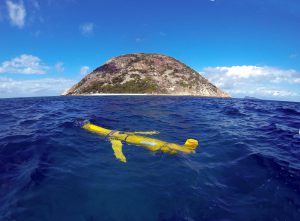
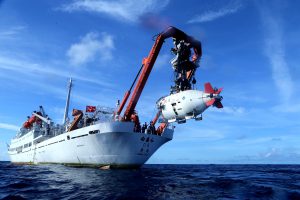
One idea from scientists, for example, is a massive expansion in the routine, long-term monitoring of the oceans. Called the Global Ocean Observing System, such a scheme would use autonomous submarines, smart floats and research cruises to constantly track physical, chemical, biological and ecological ocean properties – from basics like temperature to sophisticated analyses of fish stocks.
Writing in the journal One Earth earlier this year, marine scientists from around the world said the UN decade project offered “an unprecedented opportunity for the international ocean science community to organise itself and create the needed synergies, partnerships, connections and interfaces to support policy and action with science and knowledge.”
The scientists added: “It is imperative we get to the end of the Decade with a new way of carrying out marine science”.
![Official figures state around 73.5% of the Madhupur Saal Forest land had been converted to different commercial purposes. The lucrative profit of mono-crop cultivation has led people to clear forest lands for banana and pineapple cultivation [image by: Prakash Bhuyan]](https://dialogue.earth/content/uploads/2020/11/13-300x240.jpg)